
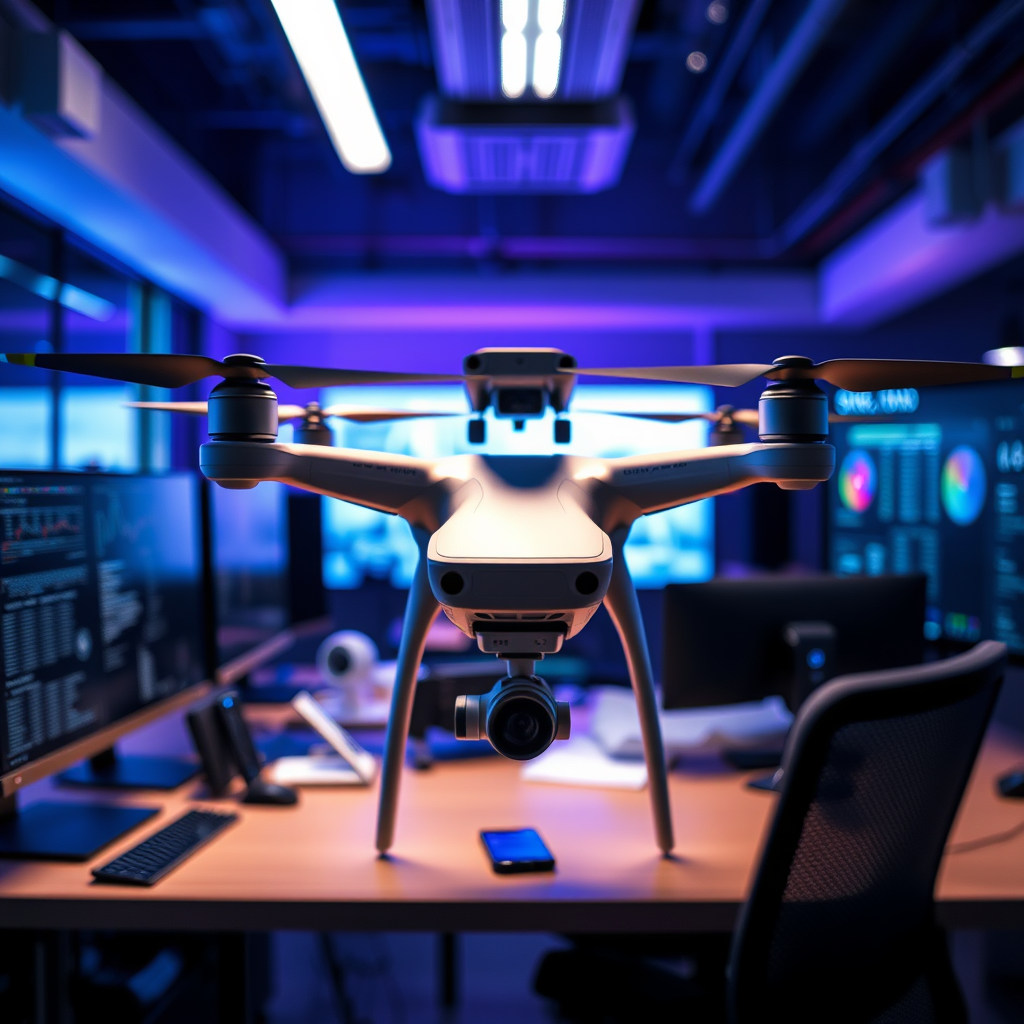
Yes, you can fly drones in the UK, but there are specific regulations and guidelines you must follow to ensure safety and compliance with the law. The UK has established a comprehensive framework governed by the Civil Aviation Authority (CAA) to regulate drone usage, which includes registration requirements, flying zone restrictions, and safety guidelines. Understanding these regulations is crucial for both recreational and commercial drone operators to avoid legal complications and ensure responsible flying.
Understanding UK Drone Regulations
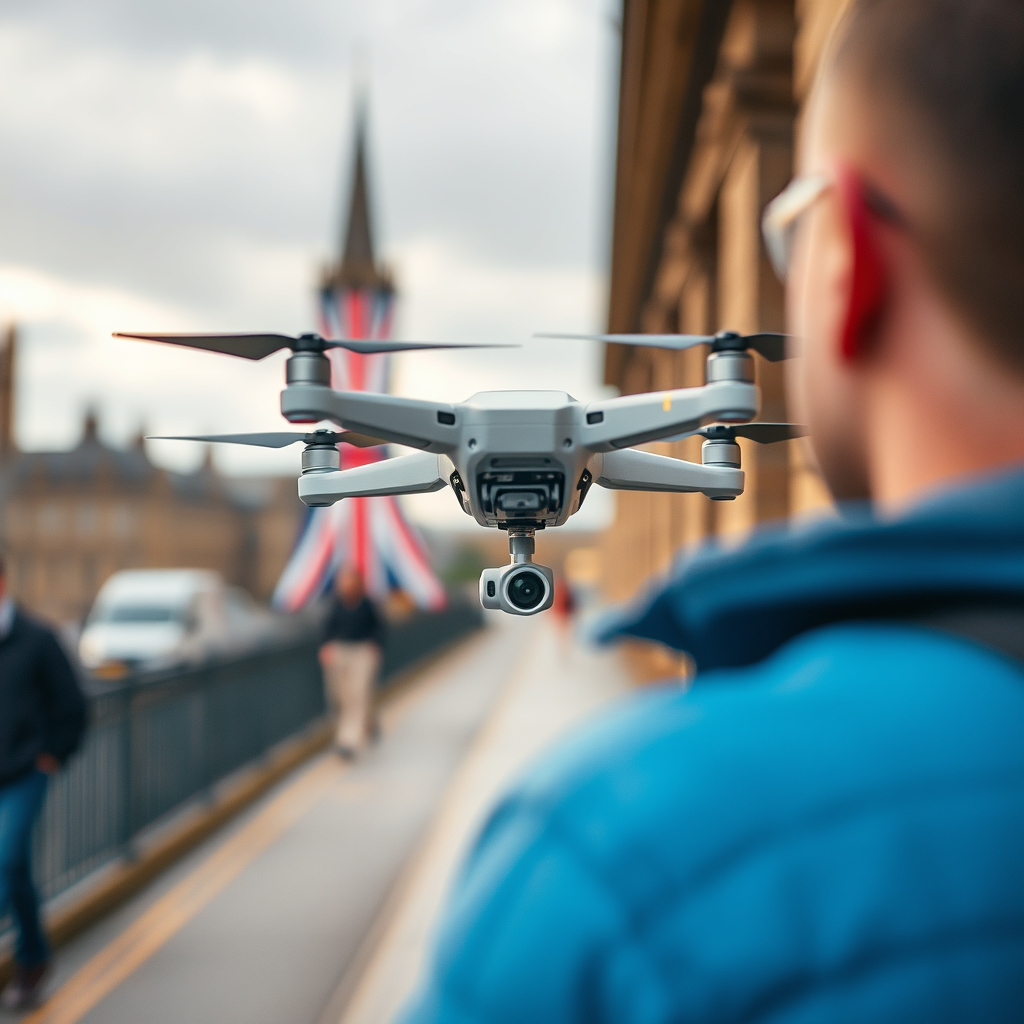
The UK Civil Aviation Authority (CAA) is the primary body overseeing all drone operations within the country. The regulations are designed to promote safety and mitigate risks associated with drone flights. These regulations categorize drones based on their weight and intended use, leading to different requirements for commercial operators compared to recreational users.
For instance, recreational drone users flying devices that weigh less than 250 grams face fewer restrictions, whereas those operating heavier drones or using them for commercial purposes must adhere to stricter guidelines. The regulations ensure that drone flights do not interfere with manned aviation and that operators are well-informed about potential hazards and responsibilities.
Registration Requirements
To comply with UK law, drone operators are required to register their drones if they weigh over 250 grams. This registration process involves obtaining an Operator ID, which must be displayed on the drone. Furthermore, operators are mandated to pass an online theory test to acquire a Flyer ID. This test covers essential knowledge about drone safety, airspace restrictions, and legal obligations.
The registration process is straightforward and can be completed through the CAA’s official website. By ensuring that all operators are knowledgeable about their responsibilities, the CAA aims to foster a culture of safety and accountability within the drone community.
Flying Zones and Restrictions
When flying drones in the UK, it is critical to be aware of designated flying zones and restrictions. Drones cannot be flown within 5 kilometers of airports or airfields without explicit permission from the relevant authorities. This distance is crucial for avoiding potential conflicts with manned aircraft, thereby ensuring the safety of all airspace users.
Additionally, there are several no-fly zones that drone operators must respect. These include military bases, certain urban areas, and locations with large gatherings of people. The CAA provides maps and resources to help operators identify these restricted areas, which are vital for maintaining compliance and promoting public safety.
Safety Guidelines for Drone Operators
Safety is paramount when operating drones. One of the fundamental guidelines is maintaining a visual line of sight with the drone at all times. This practice allows operators to remain aware of their surroundings, helping to prevent accidents and ensuring that the drone does not inadvertently enter restricted airspace.
Operators should also avoid flying over crowds, built-up areas, or private properties without permission to minimize risk and respect the privacy of individuals. Implementing pre-flight checks, using appropriate safety equipment, and being aware of changing weather conditions are additional best practices that contribute to safer drone operations.
Insurance and Liability Considerations
While obtaining insurance for drone operations is not mandatory in the UK, it is highly recommended, especially for commercial use. Insurance can protect operators against potential liabilities arising from accidents or property damage. In the event of a collision or incident, having the right insurance coverage can mitigate financial repercussions and provide peace of mind.
Moreover, understanding liability issues is crucial for drone operators. If a drone causes damage to property or injures an individual, the operator may be held liable. Therefore, comprehensive liability insurance not only safeguards the operator’s financial interests but also emphasizes a responsible approach to drone flying.
Drone Usage for Commercial Purposes
For those wishing to use drones for commercial purposes, such as aerial photography, surveying, or delivery services, obtaining a Permission for Aerial Work (PFAW) from the CAA is mandatory. This permission indicates that the operator has met the necessary training and safety standards required for commercial operations.
In addition to securing a PFAW, operators may also need to undergo further training and certification based on the specific type of work they intend to conduct. This could involve specialized courses focused on aerial photography, inspecting infrastructure, or other niche applications. By adhering to these requirements, commercial operators can ensure that they conduct their activities legally and safely.
Keeping Updated with Changing Regulations
Drone regulations in the UK are subject to change as technology evolves and new safety concerns arise. It is vital for operators to stay informed about the latest updates and modifications to the laws governing drone usage. The CAA regularly publishes guidance and updates, which can be accessed through their official website.
Joining drone community groups, both online and offline, can also facilitate knowledge sharing among enthusiasts and professionals. These communities often provide insights into best practices, personal experiences, and discussions about upcoming regulatory changes, helping operators stay ahead of the curve.
In conclusion, flying drones in the UK is entirely possible, provided you adhere to the relevant regulations and guidelines. From understanding registration requirements to recognizing flying zones and safety practices, responsible drone operation is essential for compliance with the law. By staying informed about the evolving regulatory landscape and prioritizing safety, drone operators can enjoy a fulfilling and legally compliant flying experience.
Frequently Asked Questions
What are the legal requirements for flying drones in the UK?
In the UK, flying drones is regulated by the Civil Aviation Authority (CAA). To operate a drone, you must have a valid drone pilot license, which includes passing the necessary tests. Additionally, all drone operators must register their drones if they weigh over 250 grams. It’s crucial to adhere to the Air Navigation Order, which outlines safe flying practices and restrictions, particularly around congested areas and near airports.
How high can you legally fly a drone in the UK?
In the UK, you can legally fly your drone up to a maximum altitude of 120 meters (400 feet) above ground level. This limit is designed to minimize risks to manned aircraft and ensure safe operations. It’s important to maintain visual line-of-sight with your drone and avoid restricted airspace, which may have additional height restrictions.
Why do I need to register my drone in the UK?
Registering your drone in the UK is a legal requirement for any drone weighing 250 grams or more. This registration helps the CAA keep track of drone operators and promotes accountability and safety. By registering, you also receive important information about regulations and safe flying practices, which can help minimize the risk of accidents and breaches of privacy.
What are the best practices for flying drones safely in the UK?
To fly your drone safely in the UK, always conduct a pre-flight check to ensure your equipment is in good working order. Obtain permission from landowners before flying over private property and keep your drone within visual line-of-sight at all times. Additionally, avoid flying near airports and in densely populated areas, and respect the privacy of individuals by not filming or taking photos without consent.
Which areas are prohibited for drone flight in the UK?
There are several areas in the UK where drone flights are prohibited or heavily restricted. These include within 5 kilometers of airports, over military bases, and in certain national parks or nature reserves. It’s crucial to check the CAA’s Airspace Restrictions and use apps that provide real-time information about no-fly zones to ensure compliance and safe flying practices.
References
- https://www.caa.co.uk/Consumers/Unmanned-aircraft/Drone-safety/
- https://www.gov.uk/guidance/drone-safety-when-flying-your-drone
- https://www.bbc.com/news/technology-51172659
- https://www.theguardian.com/technology/2020/jun/01/uk-drone-regulations-explained
- https://www.nationalgeographic.com/science/article/flying-drones-in-the-uk-what-you-need-to-know
- https://www.wired.co.uk/article/drone-laws-uk-guide
- https://www.reuters.com/article/uk-drone-regulations-idUKKBN2A40E0
