
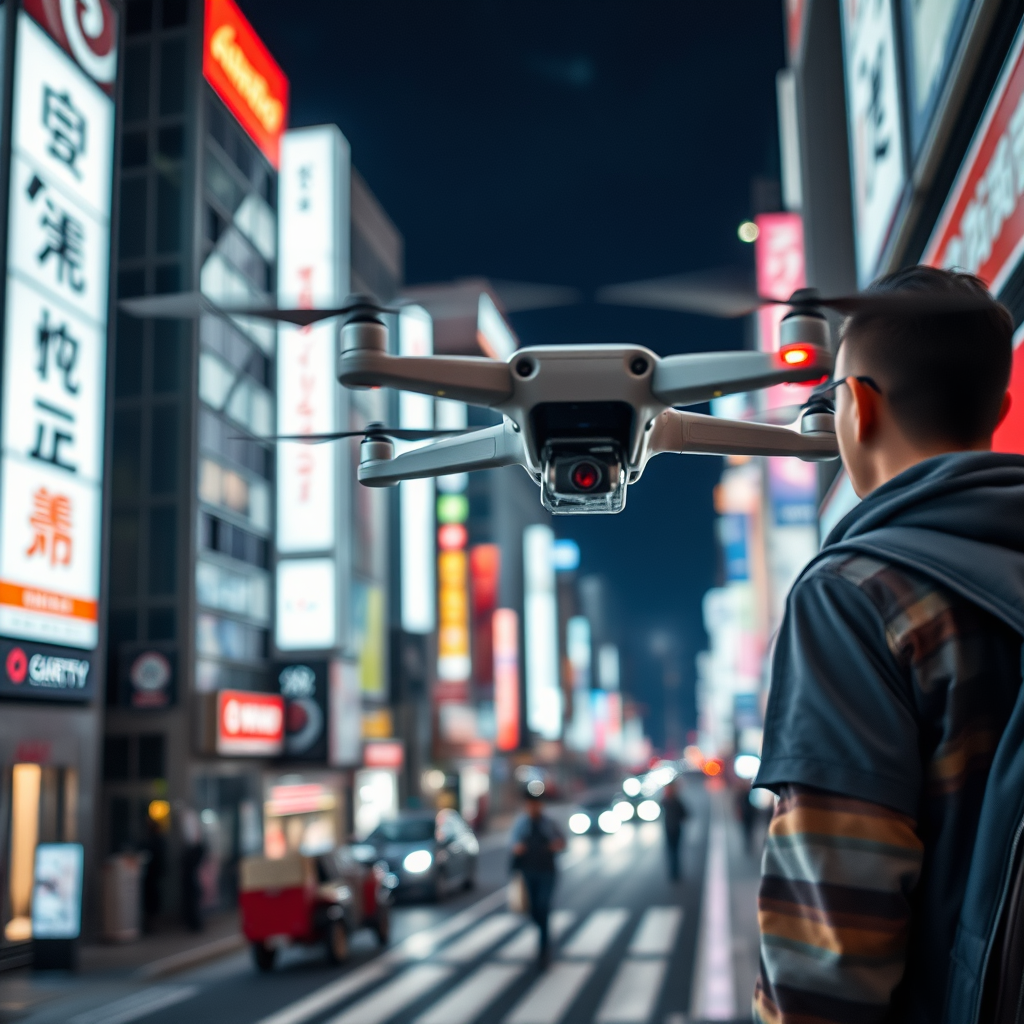
Yes, you can fly drones in Tokyo, but there are strict regulations and restrictions you must follow. Understanding these rules is crucial for ensuring safety and compliance while enjoying drone flying in the city. As the popularity of drone technology continues to rise, the Japanese government has implemented a comprehensive framework to manage drone operations, particularly in densely populated urban areas like Tokyo. This article aims to provide essential information about drone regulations, no-fly zones, necessary permissions, safety guidelines, recommended drone models, and community resources for enthusiasts.
Overview of Drone Regulations in Japan
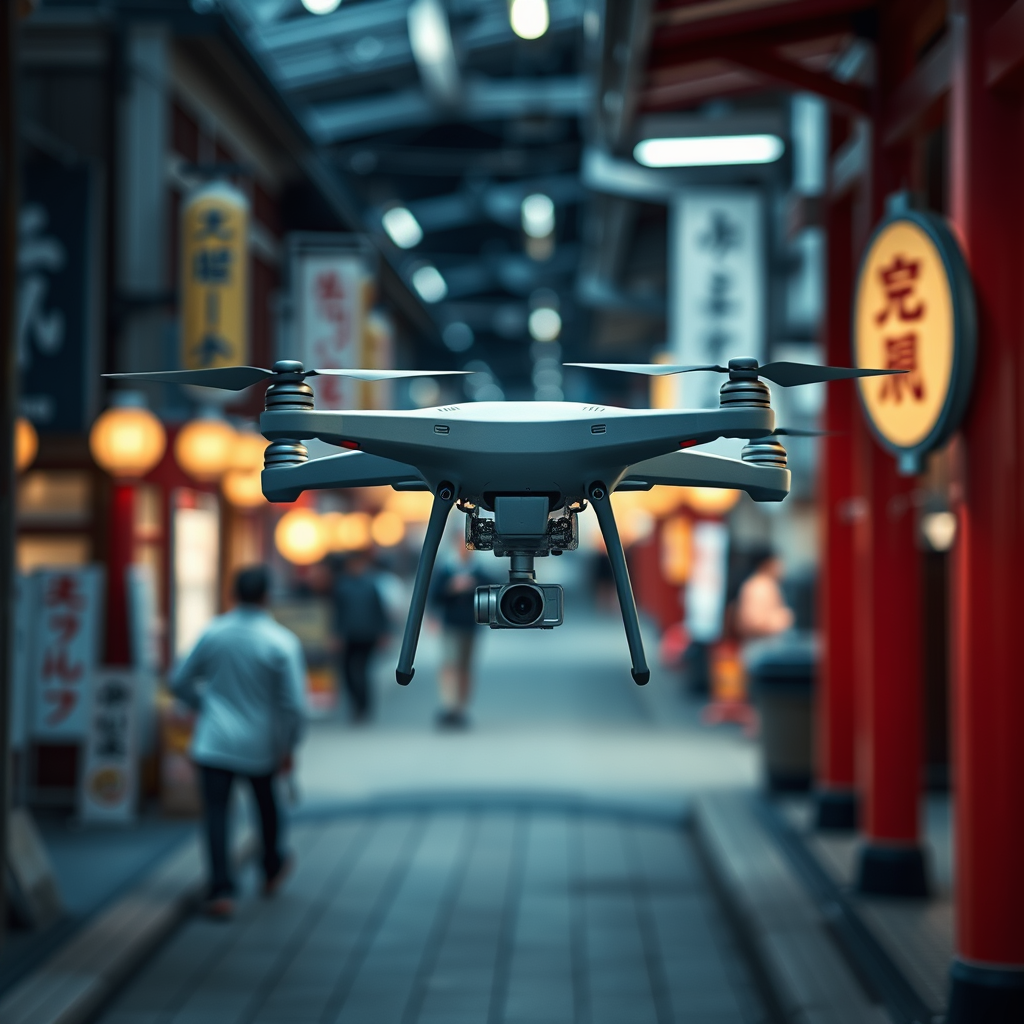
Japan has specific laws under the Civil Aeronautics Act that govern drone flight, which are vital for maintaining public safety and airspace integrity. The regulations classify drones based on their weight, with drones weighing over 200 grams requiring registration with the Japan Civil Aviation Bureau (JCAB). This registration process involves submitting detailed information about the drone and its operator, which enhances accountability and traceability in the event of an incident. Additionally, drone operators must adhere to operational limits, such as flying below a maximum altitude of 150 meters (approximately 492 feet) and avoiding flight in adverse weather conditions, which could pose risks to both the operator and the public.
Moreover, operators must also familiarize themselves with the rules surrounding the use of drones for commercial purposes, which entails additional licensing and operational requirements. The overarching goal of these regulations is to ensure the safe integration of drones into Japan’s airspace while allowing for innovation and recreational use, reflecting a balanced approach to technology and public safety.
No-Fly Zones in Tokyo
In Tokyo, certain areas are designated as no-fly zones, and awareness of these restrictions is critical for drone operators. Prohibited areas typically include locations near airports, government buildings, and parks, where drone activity could pose significant safety risks or violate privacy regulations. For instance, flying within a 9-kilometer radius of Haneda Airport or Narita International Airport is strictly forbidden, as it could interfere with manned aircraft operations. Furthermore, flying over public events, sports gatherings, or large crowds is also restricted to prevent accidents and ensure public safety.
Operators should also be aware of designated no-fly zones that are established during specific events or emergencies, such as natural disasters or public gatherings. Utilizing tools like drone mapping applications can help pilots identify restricted areas in real-time, ensuring compliance with local regulations and promoting responsible drone operation.
Necessary Permissions and Licenses
For drone pilots in Japan, obtaining the necessary permissions and licenses is a crucial step, especially for those looking to engage in commercial drone use. The Japan Civil Aviation Bureau (JCAB) requires operators to secure permission for specific flights, particularly those that exceed standard operational limits or take place in restricted airspace. This process may involve submitting a flight plan that details the intended flight path, duration, and purpose of the drone operation.
Commercial drone operators must also obtain a special license, which requires passing specific exams and demonstrating competency in drone operation and safety protocols. This licensing process not only ensures that operators are knowledgeable about the regulations but also enhances the safety and reliability of commercial drone services in Japan. For recreational pilots, while a license may not be required, adhering to the outlined regulations is essential for responsible drone use.
Safety Guidelines for Flying Drones
Safety is paramount when it comes to flying drones, especially in a bustling metropolis like Tokyo. Operators should always maintain a visual line of sight with their drone, as this is crucial for avoiding obstacles and ensuring safe navigation. Additionally, drone pilots should avoid flying at night unless they possess the appropriate permissions, as reduced visibility significantly increases the risk of accidents.
Furthermore, it is advisable to conduct a pre-flight check to ensure that the drone is in good working condition, including verifying battery levels, communication links, and GPS signals. Operators should also familiarize themselves with emergency procedures, such as how to execute a controlled landing in the event of a malfunction. By following these safety guidelines, drone pilots can minimize risks and ensure a positive flying experience.
Recommended Drone Models for Urban Flying
When selecting a drone for urban flying, it is essential to choose models that are lightweight, easy to handle, and equipped with advanced safety features. Lightweight drones, such as the DJI Mini series, offer excellent portability and often come with built-in GPS and stabilization systems, making them ideal for navigating the challenges of urban environments. These drones typically weigh under 250 grams, which means they are exempt from some registration requirements, allowing for greater flexibility in usage.
Additionally, drones with advanced obstacle avoidance systems, like the DJI Air 2S, can help prevent collisions in crowded areas, enhancing safety during operation. Features such as automated return-to-home and intelligent flight modes can also enhance user experience, allowing pilots to focus on capturing stunning aerial footage without compromising safety. By investing in reliable and well-equipped drones, operators can enjoy their flying experience while adhering to safety regulations.
Community and Resources for Drone Enthusiasts
Engaging with local drone communities can provide invaluable support and resources for both novice and experienced drone pilots. Joining local drone clubs or participating in online forums allows enthusiasts to share experiences, tips, and insights into navigating the regulatory landscape. These communities often organize meetups and events, offering opportunities for pilots to connect and learn from one another.
Additionally, resources such as the Japan Drone Association offer updates on regulations, safety guidelines, and best practices for drone operation. Staying informed about the latest developments in the drone sector is vital for compliance and enhancing one’s flying skills. By actively participating in these communities, drone enthusiasts can foster a culture of responsible flying and contribute to the growing acceptance of drones in Japan.
In conclusion, flying drones in Tokyo is possible, but it requires adherence to specific regulations and safety measures. Operators must be aware of registration requirements, no-fly zones, and necessary permissions to ensure compliance with local laws. By following safety guidelines and selecting suitable drone models, enthusiasts can enjoy a rewarding flying experience. Engaging with local communities can also provide valuable insights and support. Staying informed about the latest regulations and best practices is essential for a successful and responsible drone flying journey in the vibrant city of Tokyo.
Frequently Asked Questions
What are the regulations for flying drones in Tokyo?
In Tokyo, drone regulations are primarily governed by the Japanese Civil Aviation Bureau (JCAB). Drones weighing more than 200 grams must be registered, and operators must follow strict guidelines that include not flying above 150 meters, keeping a minimum distance from people and structures, and avoiding flying in crowded areas. It’s essential to familiarize yourself with local laws before flying to avoid hefty fines or legal issues.
How can I obtain permission to fly a drone in Tokyo?
To obtain permission to fly a drone in Tokyo, you must apply for a permit from the JCAB if your drone will be used for commercial purposes or if you plan to fly in restricted areas. The application typically requires detailed information about your flight plan, the drone’s specifications, and proof of liability insurance. For recreational flying, it’s still advisable to check local regulations, especially in busy urban areas.
Why is it important to know the no-fly zones in Tokyo?
Knowing the no-fly zones in Tokyo is crucial for drone operators to ensure safety and compliance with aviation laws. Areas like parks, near airports, and densely populated districts are designated as no-fly zones to protect public safety and privacy. Failing to adhere to these restrictions can result in fines, confiscation of your drone, and even criminal charges, making it vital to do thorough research before your flight.
What are the best places to fly drones in Tokyo?
Some of the best places to fly drones in Tokyo include large open spaces like Yoyogi Park and the outskirts of Tokyo Bay, where you can capture stunning views without violating regulations. However, always ensure that you have the necessary permissions and are within legal limits. Additionally, consider flying during off-peak times to minimize disturbance to others and enhance your experience.
Which drone models are recommended for flying in Tokyo?
When flying drones in Tokyo, consider models that are lightweight, portable, and equipped with advanced safety features like obstacle avoidance, such as the DJI Mini 2 or the DJI Air 2S. These drones are known for their ease of use, excellent camera quality, and compliance with Japanese regulations. Always check the drone’s weight and capabilities to ensure it meets the legal requirements for flying in urban areas.
References
- https://www.japan.travel/en/uk/inspiration/drone-flying-in-japan/
- https://www.mlit.go.jp/en/index.html
- https://www.tokyo.go.jp/en/tokyo/safety/drone.html
- https://www.japannews.com.au/drones-in-japan-what-you-need-to-know/
- https://www.faa.gov/uas/getting_started/where_to_fly/
- https://www.nippon.com/en/news/yjj2020072900960/
- https://www.bbc.com/news/technology-50250867
- https://www.japanpolicyforum.jp/archives/issue/2019/2019-05-18-1.html
