
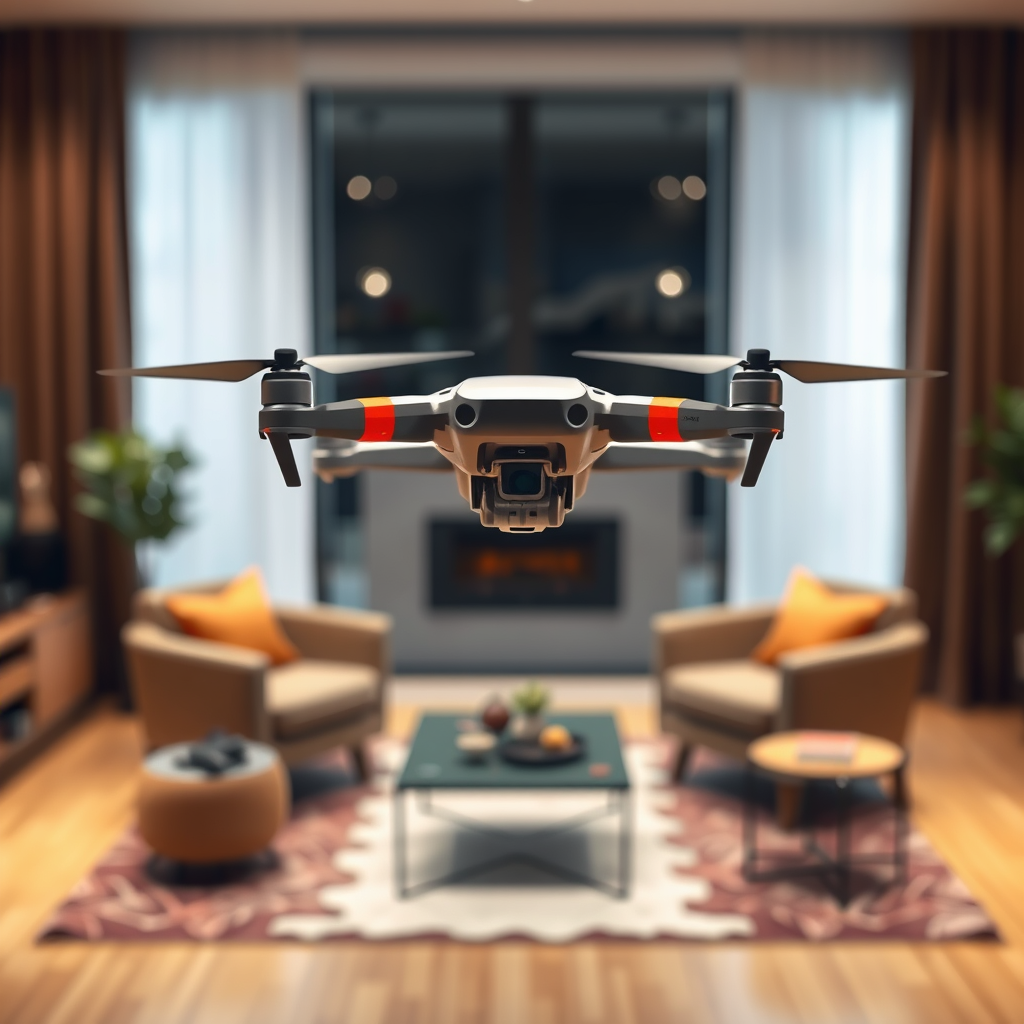
Yes, you can fly drones indoors! However, there are several important factors to consider, including safety, regulations, and the type of drone you’re using. Understanding these key aspects will help you navigate the indoor flying experience effectively while minimizing risks and maximizing enjoyment. This article will guide you through the essential considerations for flying drones indoors, ensuring a safe and successful operation.
Understanding Indoor Drone Flight
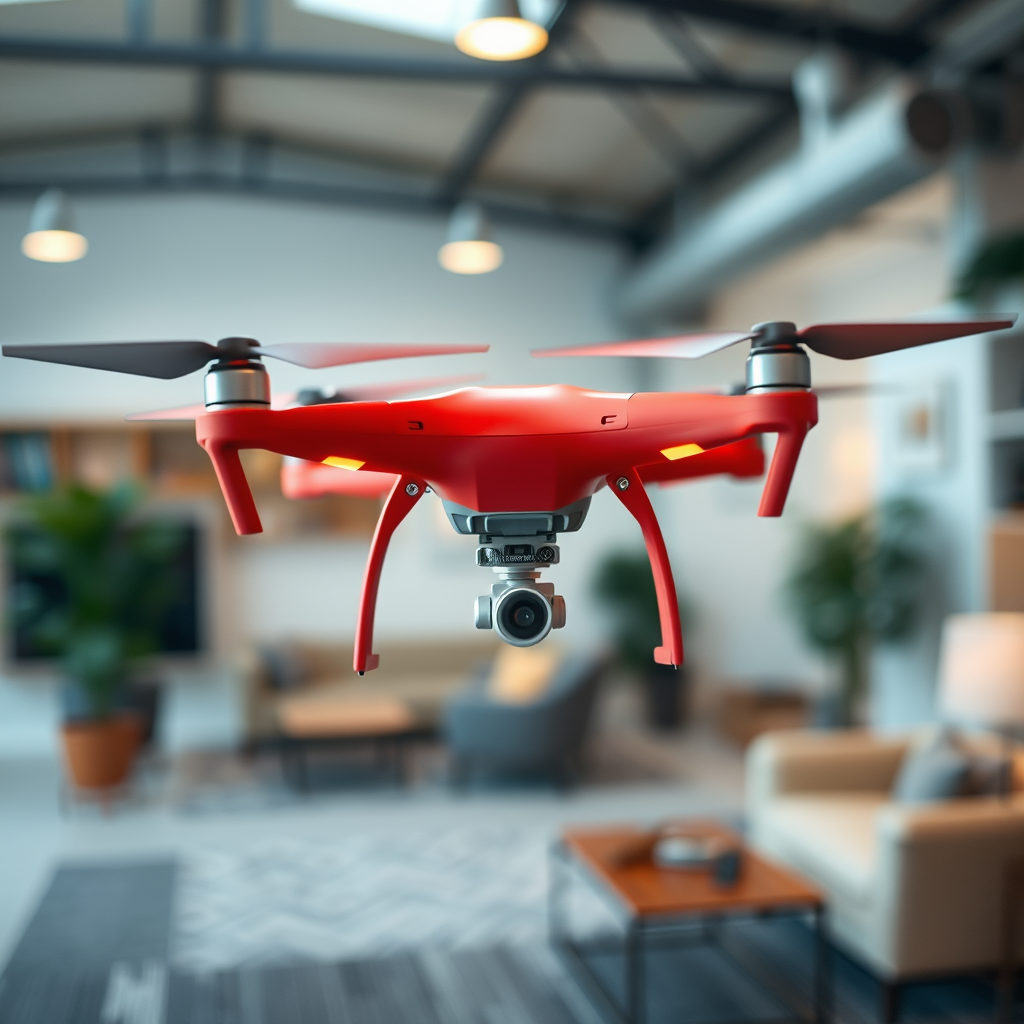
Indoor flying presents unique challenges compared to outdoor environments due to space limitations and various obstacles. Unlike outdoor settings, where drones can utilize GPS for navigation, indoor flying often lacks GPS signals, making it difficult for drones that rely on this technology. Instead, it is advisable to choose drones equipped with optical flow sensors, which help maintain stability by detecting the ground below.
Additionally, indoor spaces are often filled with furniture, walls, and other objects that can impede flight paths, increasing the risk of collisions. As such, understanding the dimensions and layout of your flying area is crucial. For instance, small rooms with low ceilings may not be suitable for larger drones, while expansive spaces like gymnasiums or warehouses can provide ample room for maneuverability.
Safety Precautions
Safety should be your top priority when flying drones indoors. Before launching, it is essential to check the environment for people, pets, and fragile objects that could be unintentionally harmed. Establishing a designated flying zone that is free of obstacles and bystanders significantly reduces the likelihood of accidents.
Moreover, using propeller guards is a wise choice for indoor flying. These protective accessories can minimize damage to both the drone and its surroundings in the event of collisions. For example, if you are flying in a crowded space, propeller guards can prevent injury to nearby individuals and protect the drone’s blades from breaking upon impact. Always consider using a drone with features that assist in safe flying, such as altitude hold and obstacle avoidance sensors, to further enhance safety during indoor operations.
Choosing the Right Drone
Selecting the appropriate drone for indoor flying is crucial for a successful experience. Lightweight drones are generally better suited for indoor use due to their agility and ability to navigate tight spaces efficiently. Drones that weigh under 250 grams are often ideal, as they are easier to control and less likely to cause damage in case of a mishap.
Additionally, look for models specifically designed for indoor flying, which typically come equipped with advanced stability features. For instance, drones like the DJI Tello and the Parrot Mambo are popular choices for beginners and experienced pilots alike due to their compact size and excellent flight stability. These models often incorporate features such as altitude stabilization and easy-to-use interfaces, making them perfect for indoor environments where precision flying is essential.
Legal Considerations
While indoor drone flying may not be subject to the same regulations as outdoor operations, it is still important to familiarize yourself with local laws and guidelines. Some jurisdictions may have specific regulations regarding drone operations in public or commercial indoor spaces, particularly concerning safety and privacy.
Furthermore, certain venues may require permission to fly drones indoors, especially if they are large public spaces like malls or exhibition centers. Always research and obtain necessary permissions before flying in such areas to avoid potential legal ramifications. It is advisable to contact venue management beforehand to ensure compliance with any specific rules they may have in place regarding drone usage.
Recommended Indoor Flying Spaces
Choosing the right location for indoor drone flying can significantly enhance your experience. Large, open spaces with high ceilings are optimal for drone operations, allowing for more room to maneuver without the risk of crashing into obstacles. Examples of such spaces include gymnasiums, empty warehouses, or community centers that can accommodate drone flight safely.
When selecting a venue, consider factors such as lighting and airflow, as these can also affect flight performance. For example, areas with high ceilings and minimal airflow turbulence are preferable, as they provide a stable environment for your drone. If you’re unable to access a large indoor space, you may consider using designated drone racing arenas or indoor drone parks, which are specifically designed for drone enthusiasts and often feature obstacle courses and racing tracks.
Tips for Successful Indoor Flying
To ensure a rewarding indoor flying experience, start with short flights to build confidence and control. Familiarize yourself with the drone’s controls and responsiveness before attempting more complex maneuvers. Practicing basic movements like takeoff, landing, and gentle turns in a controlled manner will help you develop the necessary skills to avoid accidents.
It is also advisable to utilize flight simulators or practice drones that allow you to hone your flying abilities without the risk of damaging an expensive model. Simulators can offer realistic flying experiences, enabling you to practice and refine your techniques in a safe environment. Additionally, consider joining local drone clubs or communities, where you can share experiences and tips with fellow enthusiasts, further enhancing your skills and knowledge.
In conclusion, while flying drones indoors is possible, it requires careful consideration of safety, regulations, and the right equipment. By understanding the unique challenges of indoor flying, selecting the appropriate drone, and adhering to safety guidelines, you can create a safe flying environment. Always prioritize safety and enjoy the indoor flying experience responsibly, ensuring that both you and your surroundings remain secure during your aerial adventures.
Frequently Asked Questions
Can you fly drones indoors without any special equipment?
Yes, you can fly drones indoors, but it’s important to consider the type of drone you are using. Smaller, lightweight drones designed for indoor use typically have features like altitude hold and obstacle avoidance, making them safer for flying in confined spaces. Additionally, ensure you have sufficient space to maneuver, as flying larger drones indoors can pose risks to both the drone and your surroundings.
What are the safety regulations for flying drones indoors?
While there are fewer regulations for flying drones indoors compared to outdoor flying, safety should still be a priority. It’s advisable to avoid crowded spaces, ensure that people and pets are at a safe distance, and avoid flying near fragile objects. If you are in a commercial setting, check with local regulations or facility rules, as some places may have specific guidelines regarding indoor drone operations.
How can I improve my indoor drone flying skills?
To enhance your indoor drone flying skills, start by practicing in a spacious area free of obstacles. Use simulators or training modes that many drones offer, which can help you get accustomed to the controls without risking damage. Gradually increase the complexity of your flying maneuvers as you become more confident, and consider watching tutorials or joining a local drone club for additional tips and practice opportunities.
Why do some drones perform better indoors than others?
The performance of drones indoors can vary significantly based on their design and technology. Drones equipped with advanced sensors, such as ultrasonic or optical flow sensors, can better navigate and stabilize themselves in indoor environments, where GPS signals may be weak or unavailable. Additionally, the weight and size of the drone play a crucial role; lighter drones with smaller propellers are usually more suitable for indoor flying since they are easier to control in tight spaces.
What is the best type of drone for indoor flying?
The best type of drone for indoor flying is typically a small, lightweight quadcopter with features designed for stability and safety. Look for drones with built-in safety features such as propeller guards, altitude hold, and beginner flight modes. Popular options include the DJI Tello and the Holy Stone HS210, which are both user-friendly and ideal for indoor environments while providing a fun flying experience.
References
- https://en.wikipedia.org/wiki/Drone
- https://www.faa.gov/uas/getting_started/fly_my_drone/indoor
- https://www.nasa.gov/centers/dryden/pdf/87473main_Indoor_Drone_Flight.pdf
- https://www.sciencedirect.com/science/article/pii/S2352864817300196
- https://www.dronepilotgroundschool.com/flying-drones-indoors-safety-tips/
