
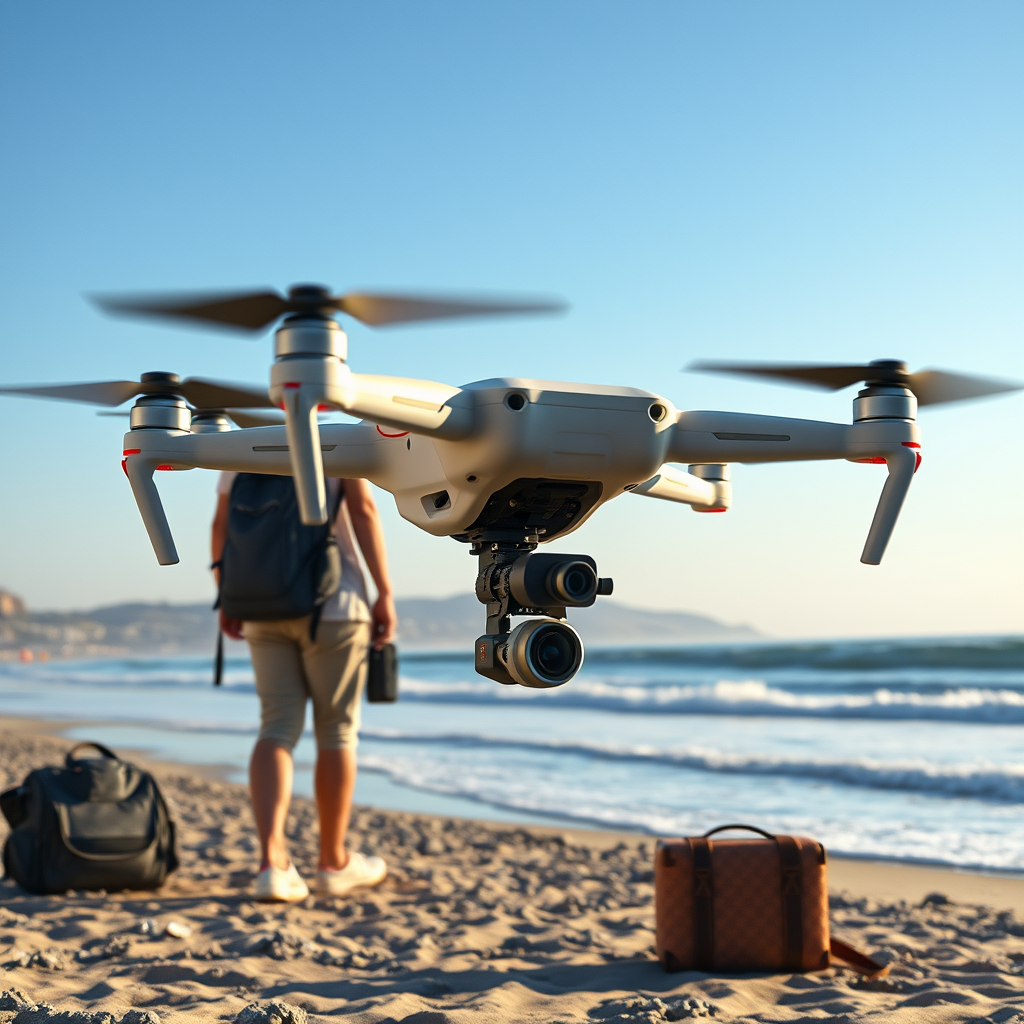
Yes, you can fly drones on many California beaches, but there are specific regulations and restrictions to consider. Understanding local laws and guidelines is crucial for safe and responsible drone flying. California, known for its stunning coastline, attracts many drone enthusiasts who wish to capture breathtaking aerial views. However, before taking to the skies, it is essential to be aware of and comply with the various laws that govern drone operation, particularly in a state that values both its natural beauty and public safety.
Understanding California Drone Laws
California has established a comprehensive framework for drone usage, primarily governed by the California Public Utilities Code. This legislation outlines the rights and responsibilities of drone operators, including the prohibition of flying drones over certain areas, such as schools, hospitals, and other sensitive locations. To add another layer of complexity, local laws may also vary from city to city or county to county. For instance, while some municipalities may have embraced drone technology and welcomed its use in designated areas, others have taken a more restrictive approach, often citing safety and privacy concerns.
Drone operators must familiarize themselves with the California state laws and any local ordinances that may apply to their intended flying location. Tools like the FAA’s B4UFLY mobile app can help users identify restricted airspace and inform them of any local regulations that may be in effect.
Beach-Specific Regulations
The unique environment of California beaches means that drone regulations can be particularly stringent. Many beaches have designated no-fly zones to ensure public safety and protect wildlife. These restrictions are often in place to minimize disturbances to nesting birds and other sensitive ecosystems that thrive along the coast. It is not uncommon to find signage indicating specific areas where drone flying is prohibited, and operators should always heed these warnings.
In addition to wildlife protection, local ordinances may restrict drone use during peak beach hours to reduce interference with beachgoers. Checking for signs, local guidelines, or even reaching out to local authorities can provide clarity on where you can and cannot fly your drone.
Federal Aviation Administration (FAA) Guidelines
In addition to state and local regulations, drone operators must adhere to federal guidelines set forth by the Federal Aviation Administration (FAA). These regulations include maintaining a maximum altitude of 400 feet and ensuring that the drone remains within the visual line-of-sight of the operator at all times. Furthermore, the FAA mandates that any drone weighing over 0.55 pounds must be registered, a process that is straightforward and can be done online.
The FAA also imposes restrictions on flying near airports, which is particularly relevant for drone users near busy beach locations. Operators must be vigilant about understanding airspace classifications and must obtain necessary authorizations if flying in controlled airspace.
Respecting Privacy and Safety
Respecting the privacy and safety of others is paramount when operating a drone, especially in densely populated areas like California beaches. Flying drones over private property without permission can lead to legal challenges, while operating in crowded areas poses risks to both the drone and the people below. Operators should always prioritize the safety of beachgoers, ensuring that their activities do not disrupt the enjoyment of others.
Moreover, maintaining awareness of the environment is crucial. Operators should consider factors such as wind conditions, potential obstacles, and the proximity of beach activities when planning their flights. Being considerate of privacy means avoiding capturing images or videos of individuals without their consent, which can lead to complaints or legal issues.
Tips for Responsible Drone Flying on Beaches
To ensure a positive experience while flying drones at California beaches, operators should consider several best practices. Planning flights during less crowded times, such as weekdays or early mornings, can help minimize disturbances to both wildlife and beachgoers. Additionally, bringing a first-aid kit and essential equipment for safe landings will prepare operators for any unexpected incidents.
Before taking off, drone users should perform a pre-flight check to ensure that their equipment is functioning correctly and that batteries are fully charged. Understanding how to navigate the drone in various weather conditions is also critical, as coastal winds can be unpredictable.
Finally, operators should keep abreast of any changes in local regulations by checking official government websites or engaging with local drone enthusiast groups. Networking with other drone operators can provide valuable insights and tips regarding the best practices for responsible flying.
Popular California Beaches for Drone Flying
While many beaches in California welcome drone enthusiasts, some locations are particularly renowned for their drone-friendly environments. Pismo Beach, for example, offers expansive views and relatively open spaces, making it a favorite among drone users. Similarly, Coronado Beach, with its picturesque coastline and stunning sunsets, provides a perfect backdrop for aerial photography. However, drone operators must always check local regulations, as certain areas may have restrictions in place.
It is essential to remain vigilant about flying in protected areas, such as state parks or wildlife reserves, where drone activity may be strictly prohibited. Operators should always conduct thorough research into specific locations, utilizing resources such as local government websites or drone community forums to gather information on any restrictions or guidelines.
Consequences of Violating Drone Regulations
Failing to adhere to drone regulations can lead to significant consequences. Operators found flying in restricted areas or ignoring local laws may face fines and penalties that vary depending on the severity of the violation. In addition, repeated offenses can result in legal action or even a loss of drone privileges, which can be detrimental for avid drone enthusiasts.
Awareness and compliance with all applicable regulations are not only essential for avoiding penalties but also for fostering a responsible drone community. By promoting safe and respectful flying practices, operators can contribute to the positive perception of drone use in public spaces.
In summary, while flying drones on California beaches is permissible in many areas, it is imperative for operators to stay informed about the various regulations and guidelines that govern such activities. By respecting local laws, prioritizing public safety, and practicing responsible flying techniques, drone enthusiasts can enjoy the breathtaking vistas California has to offer. Happy droning!
Frequently Asked Questions
Can you fly drones on California beaches legally?
Yes, you can fly drones on California beaches, but there are specific regulations and restrictions you must adhere to. Local laws may vary from one beach to another, and you should check with city or county regulations for any specific rules. Additionally, flying near restricted areas, such as military zones or wildlife preserves, is prohibited, so always ensure you’re aware of the local airspace rules.
What are the drone flying regulations at California state parks?
Most California state parks prohibit drone flying to protect wildlife and preserve the natural environment. However, some parks may allow drone use with a permit. It’s essential to check the specific park’s website or contact park officials for their policies and any necessary permits before planning to fly your drone there.
How can I find out if a specific California beach allows drone flying?
To determine if a specific California beach allows drone flying, visit the local government or beach authority’s website, where you can find regulations and guidelines. Additionally, you can contact local law enforcement or the beach management office directly for the most accurate and up-to-date information regarding drone use.
Why do some California beaches prohibit drone flying?
Many California beaches prohibit drone flying to ensure the safety and enjoyment of all beachgoers, protect wildlife, and prevent disturbances to marine life. Drones can pose risks to people, interfere with lifeguard operations, or disrupt nesting birds and other wildlife. Understanding these concerns is essential for responsible drone operation.
What are the best practices for flying drones at California beaches?
When flying drones at California beaches, always respect the privacy of others, avoid crowded areas, and maintain a safe distance from people and wildlife. Familiarize yourself with FAA regulations, and keep your drone within visual line of sight. Additionally, consider flying during less busy times to minimize disturbances and ensure a safer flying experience.
References
- https://www.faa.gov/uas/getting_started/fly_for_work/business_operators/
- https://www.nps.gov/articles/drone-use-in-national-parks.htm
- https://www.californiadrones.org/faq
- https://www.parks.ca.gov/?page_id=29794
- https://www.abc10.com/article/news/local/california-drones-what-you-need-to-know/103-5a9f94a8-252b-4d7e-89e8-014d6b4e8e3d
- https://www.sandiego.gov/sites/default/files/drones.pdf
- https://www.wildlife.ca.gov/Conservation/Marine/Beach-Drones
- https://www.laparks.org/drones
- https://www.theguardian.com/us-news/2021/jun/21/drones-california-beaches-regulations
