

Yes, you can fly drones on military bases, but only under strict regulations and with proper authorization. Understanding these rules is crucial for compliance and safety, as military installations are governed by unique airspace regulations designed to protect sensitive operations and personnel. This article delves into the key guidelines surrounding drone use on military bases, ensuring you have the necessary knowledge to operate responsibly and legally.
Overview of Military Drone Regulations

Military bases operate under specific airspace regulations that govern the use of drones to maintain safety and security. The Federal Aviation Administration (FAA) has jurisdiction over national airspace, but military installations often implement additional restrictions that can be more stringent. These regulations are in place to prevent unauthorized flights, which can pose significant risks to both military operations and national security. For instance, any drone activity that interferes with military exercises or compromises sensitive information can lead to dire consequences.
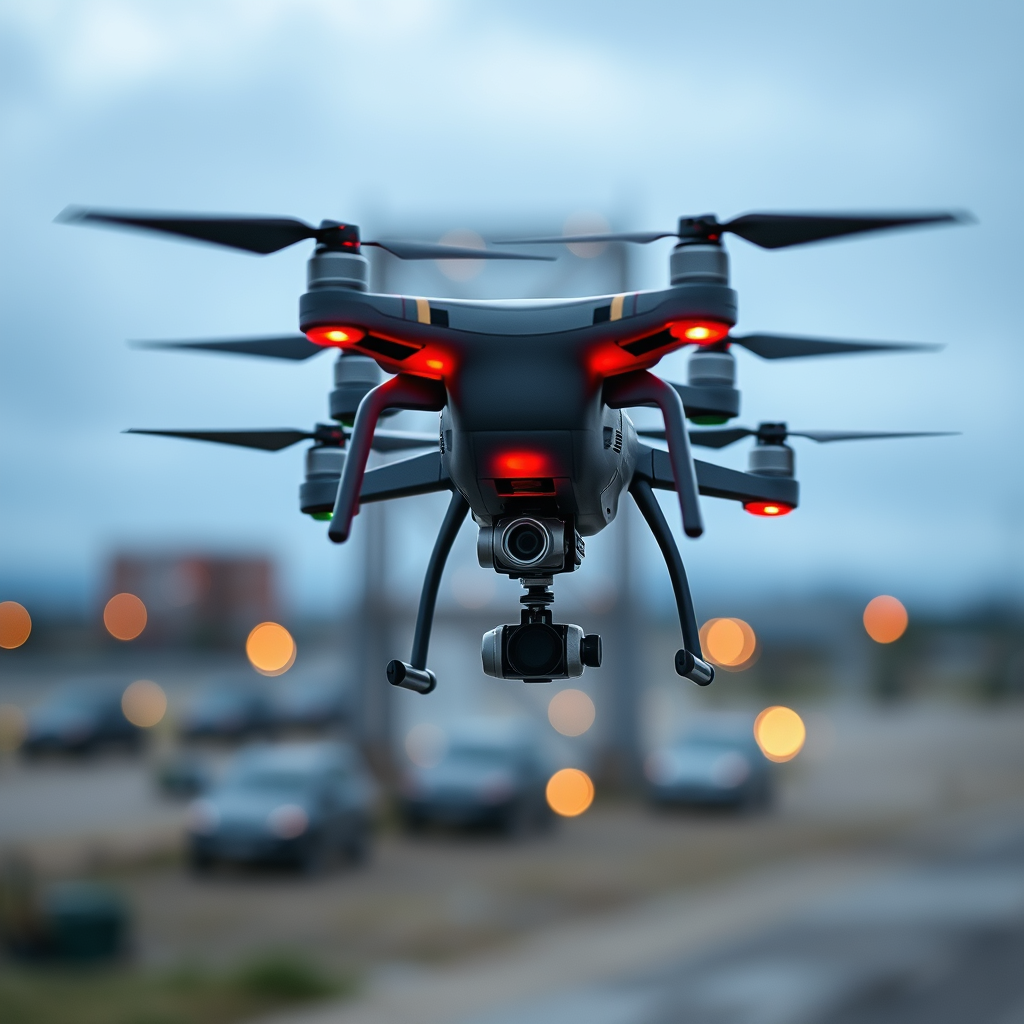
Unauthorized flights can result in severe legal repercussions, including fines, criminal charges, and potential civil liability. In some cases, individuals may face charges related to trespassing or terrorism if their drone operations are deemed threatening. Therefore, understanding and adhering to military drone regulations is not only a matter of compliance but also a critical aspect of ensuring the safety and integrity of military operations.
Required Permissions for Drone Use
Before piloting a drone on a military base, it is essential to obtain the necessary permits from military authorities. This process typically involves submitting a request that outlines the purpose of the flight, the specific area of operation, and the type of drone being used. Depending on the military installation, this may require approval from the base commander or other designated officials.
In addition to military regulations, operators must also comply with FAA requirements. This includes registering the drone, adhering to altitude restrictions, and ensuring the pilot holds a valid Remote Pilot Certificate if operating commercially. The dual layer of regulations underscores the importance of thorough preparation and communication with both military and aviation authorities to avoid any breaches of protocol.
Types of Drones Permitted
When flying drones on military bases, it is important to differentiate between recreational and commercial use. Recreational drone pilots must follow FAA guidelines, which generally allow for flying drones under certain conditions, such as maintaining visual line of sight and operating below 400 feet. However, many military installations impose additional restrictions on recreational drone use to safeguard sensitive areas and operations.
Commercial drone operators, on the other hand, may face even stricter regulations. Certain military installations may limit or prohibit specific drone models, particularly those capable of carrying advanced imaging equipment or those that exceed certain weight thresholds. It is advisable for operators to check with the base’s public affairs office or their specific regulations to ensure compliance before attempting to fly.
Safety Protocols and Guidelines
Safety protocols on military bases are paramount to minimize risks associated with drone operations. All drone pilots must follow established safety guidelines, which may include conducting pre-flight checks, ensuring that the drone is in good working condition, and maintaining visual line of sight at all times. It is also essential to have a clear understanding of the base’s layout, including any no-fly zones and restricted areas where drone operation is prohibited.
Operators should also be aware of potential hazards, including the presence of aircraft in the vicinity, personnel performing duties on the ground, and ongoing military operations. Maintaining open communication with base authorities and following all safety recommendations can significantly reduce the likelihood of accidents or incidents during drone flights.
Consequences of Unauthorized Flights
Unauthorized drone flights on military bases can result in serious consequences. The penalties for violating airspace regulations can include hefty fines, criminal charges, and potential imprisonment, particularly if the flight is deemed a threat to national security. Moreover, unauthorized flights can disrupt military operations or compromise sensitive training exercises, leading to further administrative actions against the violator.
The impact of unauthorized drone flights extends beyond individual consequences; they can also affect the broader operational environment of a military base. Security measures may be heightened in the wake of a breach, and trust between military and civilian communities can be eroded. Understanding the serious ramifications of unauthorized flights underscores the importance of adhering to established regulations and obtaining the necessary permissions.
Tips for Responsible Drone Operation
To operate drones responsibly on military bases, it is crucial to follow a few best practices. Always fly with a spotter, especially in unfamiliar or complex environments, to ensure that you maintain visual line of sight and can respond quickly to any potential hazards. Staying informed about new regulations or changes to existing ones is also vital, as military policies may evolve based on the operational needs and security assessments of the installation.
Additionally, consider attending any available training sessions or informational briefings offered by military authorities. These sessions can provide valuable insights into the specific rules and expectations for drone operations on the base, as well as updates on any changes to safety protocols.
In conclusion, while it is possible to fly drones on military bases, strict adherence to regulations and safety protocols is essential. Always seek permission from the appropriate military authorities and stay updated on any changes to the rules to ensure a safe and legal flying experience. By understanding the complexities of military drone regulations and following the outlined guidelines, you can engage in responsible drone use that respects the operational integrity and security of military installations.
Frequently Asked Questions
Can you fly drones on military bases in the United States?
No, flying drones on military bases in the United States is generally prohibited without explicit permission from the military authorities. This restriction is in place due to security concerns, as unauthorized drone flights can interfere with military operations and pose safety risks. If you have a legitimate reason, such as conducting research or filming, you must obtain the necessary permissions well in advance.
What are the legal consequences of flying a drone over a military base?
Flying a drone over a military base without permission can lead to serious legal consequences, including fines and potential criminal charges. The Federal Aviation Administration (FAA) regulates airspace and may impose penalties for unauthorized drone activity, while military law enforcement may take action against violators to ensure national security. It’s crucial to understand these risks before considering drone use near military installations.
How can you request permission to fly a drone on a military base?
To request permission to fly a drone on a military base, you typically need to submit a formal request to the base’s public affairs office or the relevant military authority. This request should include the purpose of your flight, the dates and times of operation, and any other pertinent details. It’s important to be aware that approvals are rare and often subject to strict guidelines to ensure security and safety.
Why is it important to avoid flying drones near military installations?
Avoiding drone flights near military installations is crucial due to national security concerns. Drones can capture sensitive information, disrupt military operations, and pose risks to personnel and equipment. Additionally, military bases often have restricted airspace and specific regulations in place, making unauthorized drone flights not only illegal but potentially dangerous.
What should drone operators know about flying near military bases?
Drone operators should be aware that flying near military bases involves strict regulations and potential legal ramifications. It’s essential to respect the no-fly zones established by the FAA and military authorities. Operators should also stay informed about local rules and airspace classifications, as well as always prioritize safety and respect for national security when operating drones near military facilities.
References
- https://www.faa.gov/uas/learn/reference/faq/#can-i-fly-my-drone-on-a-military-base
- https://www.dod.gov/pubs/foi/DoD%20Directives/0000/DoD%20Directive%204100.1%20-%20Operation%20of%20Unmanned%20Aircraft%20Systems%20(UAS)%20in%20the%20National%20Airspace%20System.pdf
- https://www.military.com/join-armed-forces/drone-regulations.html
- https://www.wired.com/story/faa-drone-rules-military-bases/
- https://www.theguardian.com/technology/2020/jun/12/us-military-drones-privacy-rights
- https://www.ncbi.nlm.nih.gov/pmc/articles/PMC7705432/
- https://en.wikipedia.org/wiki/Drone_regulation_in_the_United_States
