
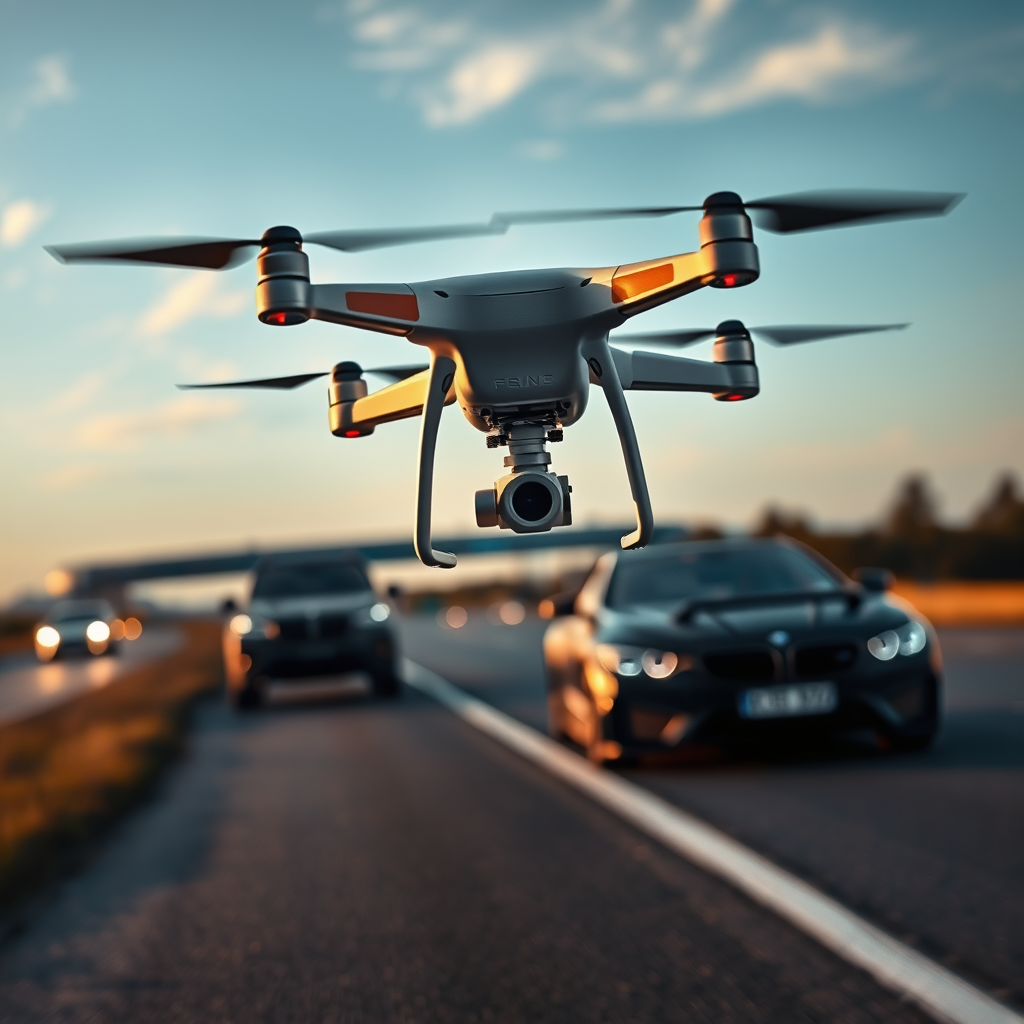
Yes, you can fly drones over highways, but there are important regulations and safety considerations to keep in mind. Operating a drone in proximity to roadways requires an understanding of Federal Aviation Administration (FAA) rules, local laws, and safety protocols to ensure that you fly legally and responsibly. With the increasing popularity of drone technology for both recreational and commercial purposes, being informed about these aspects is crucial for safe and compliant operations.
Understanding FAA Regulations
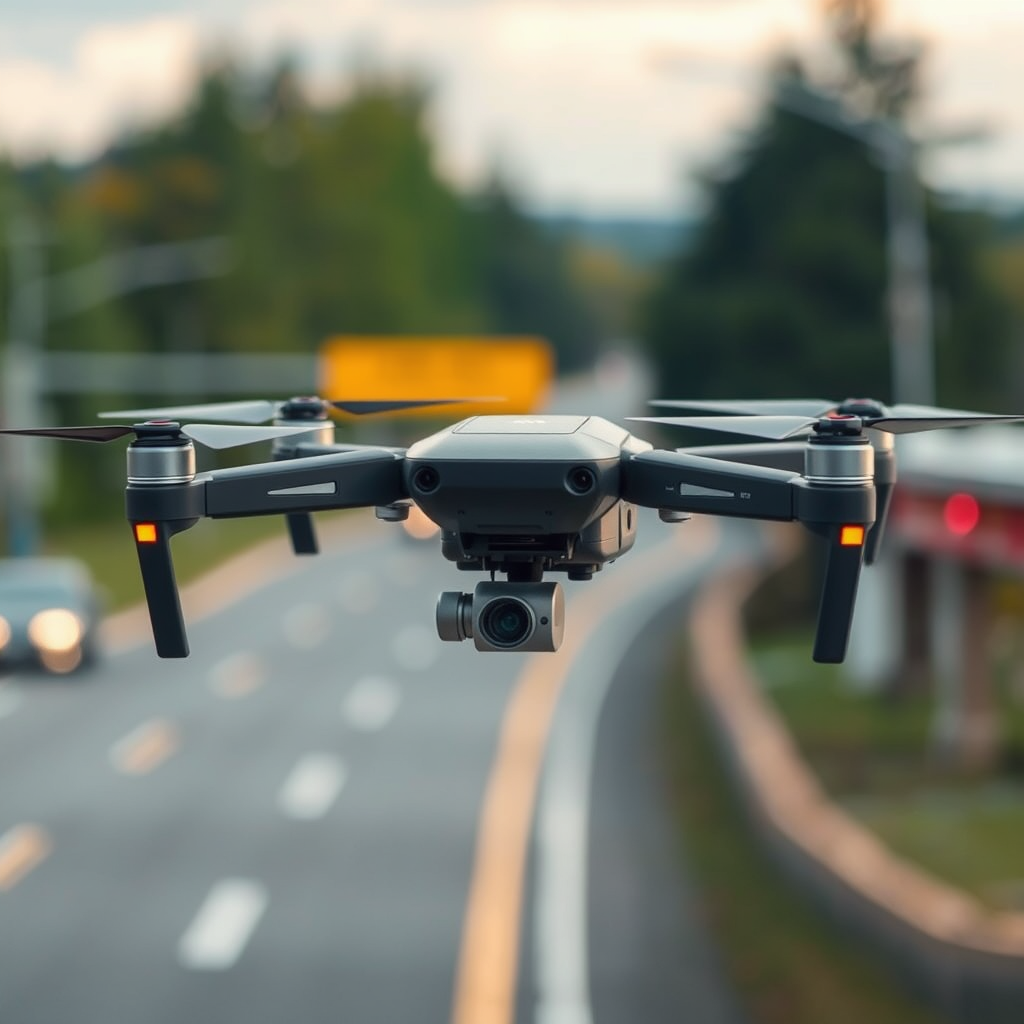
The Federal Aviation Administration (FAA) is the governing body that oversees all airspace in the United States, including the use of drones. Under FAA regulations, all drone operators must adhere to specific guidelines to ensure safe flight. One of the primary rules is that drones must be flown below an altitude of 400 feet. This height restriction is designed to minimize the risk of collisions with manned aircraft, which typically fly at higher elevations.
Furthermore, pilots are required to maintain a visual line of sight with their drone at all times during flight. This means that operators cannot rely solely on First-Person View (FPV) goggles or automated flying systems; they must be able to see the drone with their own eyes. This regulation is particularly important when flying over highways, as it enables operators to better assess the traffic conditions and avoid potential hazards. Additionally, drone operators are prohibited from flying over people or moving vehicles unless they have obtained specific waivers or permissions from the FAA.
State and Local Laws
Beyond federal regulations, drone pilots must also be aware of state and local laws that may impose further restrictions on flying near highways. Each state has the authority to enact its own drone regulations, which can vary widely. For example, some states may have laws that specifically prohibit drone flights over highways or near heavy traffic areas, while others may allow it under certain conditions.
Before embarking on a drone flight near a highway, it is essential to research and understand the specific laws in your state and locality. Failing to comply with these regulations can result in fines, legal consequences, and potentially damage to your reputation as a responsible drone operator. A useful resource for checking state-specific regulations is the National Conference of State Legislatures (NCSL), which tracks drone-related legislation across the U.S.
Safety Concerns
Safety is a paramount concern when flying drones over highways. Drones can pose significant risks to vehicles and drivers if they malfunction or crash. A falling drone can cause serious injury or damage to property, particularly if it lands on a moving vehicle. The potential for accidents increases in high-density traffic situations where quick reactions are essential.
Before launching your drone, it is crucial to assess the traffic conditions on the highway. Avoid flying during peak traffic hours or inclement weather conditions, which can increase the likelihood of accidents. Additionally, consider the drone’s weight and battery life, as these factors can affect its stability and operational range. Taking these precautions can help mitigate risks and contribute to safer flying practices.
Best Practices for Flying Near Highways
To ensure safe operations when flying near highways, drone operators should adopt best practices that prioritize both safety and compliance. One recommendation is to maintain a safe distance from moving vehicles. A general rule of thumb is to stay at least 50 to 100 feet away from the edge of the roadway, allowing ample space for both the drone and traffic.
Utilizing visual observers is another effective strategy. A visual observer is someone who can assist the pilot by monitoring the drone’s position and surrounding traffic. This extra set of eyes can help detect potential hazards and provide real-time feedback to the pilot, enhancing overall situational awareness. Additionally, using pre-flight checklists can help ensure that the drone is in good working order and that all safety protocols are followed before takeoff.
Insurance and Liability
As with any aerial operation, obtaining insurance is advisable for drone pilots, especially when flying near highways. Drone insurance can cover damages to third parties, including vehicles and property, in the event of an accident. Some insurance policies also provide coverage for loss or damage to the drone itself, which can be beneficial for both recreational and commercial operators.
Understanding liability issues is equally important. If your drone causes an accident, you may be held responsible for any resulting damages or injuries. It is essential to familiarize yourself with your state’s laws concerning liability and to ensure that you have adequate coverage to protect yourself in case of an unforeseen incident. Consulting with an insurance professional who specializes in drone coverage can help clarify your options.
Public Perception and Privacy Issues
Flying drones near highways can raise public perception and privacy concerns among motorists. Many individuals may feel uncomfortable or threatened by the presence of drones overhead, especially if they perceive that their privacy is being invaded. It is crucial to be respectful of people’s privacy rights and to avoid capturing identifiable images of individuals without their consent.
To mitigate potential backlash, drone operators should consider the purpose of their flight and whether it serves a legitimate purpose that respects public privacy. For instance, if you are conducting aerial photography or surveying work, ensure that you have permission and that your operations do not infringe on the privacy of others. Clear communication with the public and a commitment to ethical flying practices can help foster a positive relationship with the community.
In conclusion, while flying drones over highways is possible, it is crucial to adhere to regulations and prioritize safety. Understanding FAA regulations, state and local laws, and implementing best practices can significantly reduce risks associated with drone operations near roadways. Additionally, considering insurance options and being mindful of public perception will contribute to a responsible and enjoyable flying experience. Always stay informed about the laws and best practices to navigate the skies safely and legally.
Frequently Asked Questions
Can you legally fly drones over highways?
The legality of flying drones over highways varies by location and is subject to both federal and state regulations. In the United States, the Federal Aviation Administration (FAA) prohibits flying drones over people and moving vehicles without a specific waiver. Additionally, many states have their own laws restricting drone use near highways to ensure safety and privacy.
What are the risks of flying drones over highways?
Flying drones over highways poses several risks, including the potential for collisions with vehicles or other aircraft, which could lead to accidents and injuries. Additionally, drone operators face legal repercussions if they violate regulations, including fines or loss of flying privileges. It’s essential to consider these risks before attempting to fly a drone in such high-traffic areas.
How can you safely fly a drone near a highway?
To safely fly a drone near a highway, always maintain a safe distance from the road and ensure that you are not flying directly over moving vehicles. Familiarize yourself with local regulations, and consider flying during times of low traffic. Using a spotter can also help monitor the drone’s flight path and ensure safety for both the drone operator and drivers on the highway.
Why are there restrictions on flying drones over highways?
Restrictions on flying drones over highways are primarily in place to protect public safety and reduce the risk of accidents. Drones can interfere with vehicle traffic, distract drivers, or even cause collisions if they malfunction or are flown recklessly. Regulatory agencies like the FAA implement these rules to ensure that drone operations do not endanger lives or property.
What should you do if you see a drone flying over a highway?
If you see a drone flying over a highway, it’s important to remain calm and avoid distractions while driving. If you believe the drone poses a safety risk, you can report it to local authorities or the FAA. Providing details such as the drone’s location, behavior, and any identifying features can help officials address potential violations of drone regulations.
References
- https://www.faa.gov/uas/getting_started/part_107
- https://www.faa.gov/uas/law_enforcement/
- https://www.nytimes.com/2021/06/30/us/drone-laws.html
- https://www.theguardian.com/us-news/2020/aug/10/drone-regulations-us-highways
- https://www.nasagov/feature/drone-traffic-management
- https://www.aa.com.tr/en/science-technology/drone-use-in-us-highways-raised-questions/1960630
- https://www.wired.com/story/faa-drone-regulations/
