

Yes, you can fly drones over other people’s property, but there are legal and ethical considerations to keep in mind. While federal regulations like those from the Federal Aviation Administration (FAA) provide a framework for drone usage, local laws and privacy concerns can complicate matters. It is crucial for drone operators to understand these nuances to avoid potential legal repercussions and foster positive community relationships.
Understanding Drone Regulations
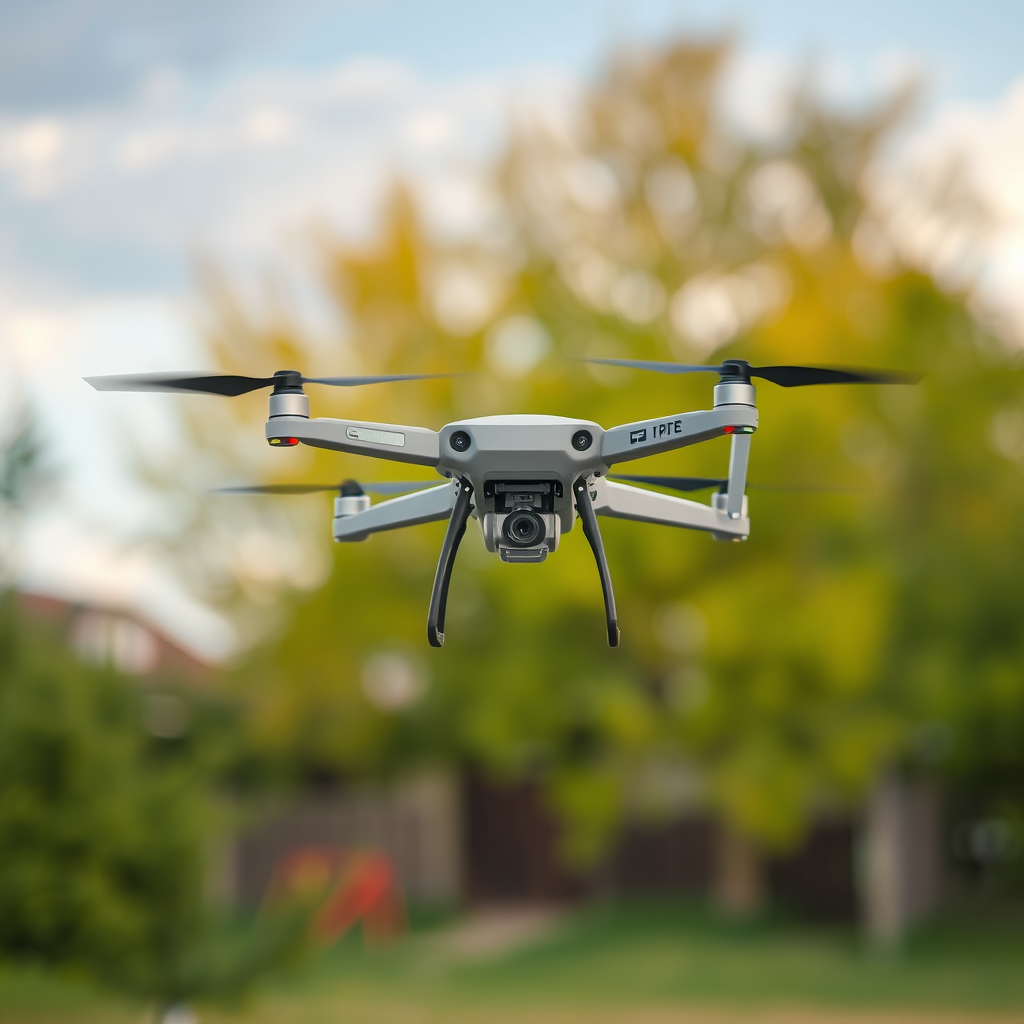
Federal Aviation Administration (FAA) guidelines dictate where and how drones can be flown. According to the FAA, recreational drone pilots must fly below 400 feet, maintain visual line-of-sight, and avoid flying near airports or other aircraft. These regulations apply to flying over private property, meaning you can legally operate your drone in many instances as long as you’re in compliance with FAA rules.
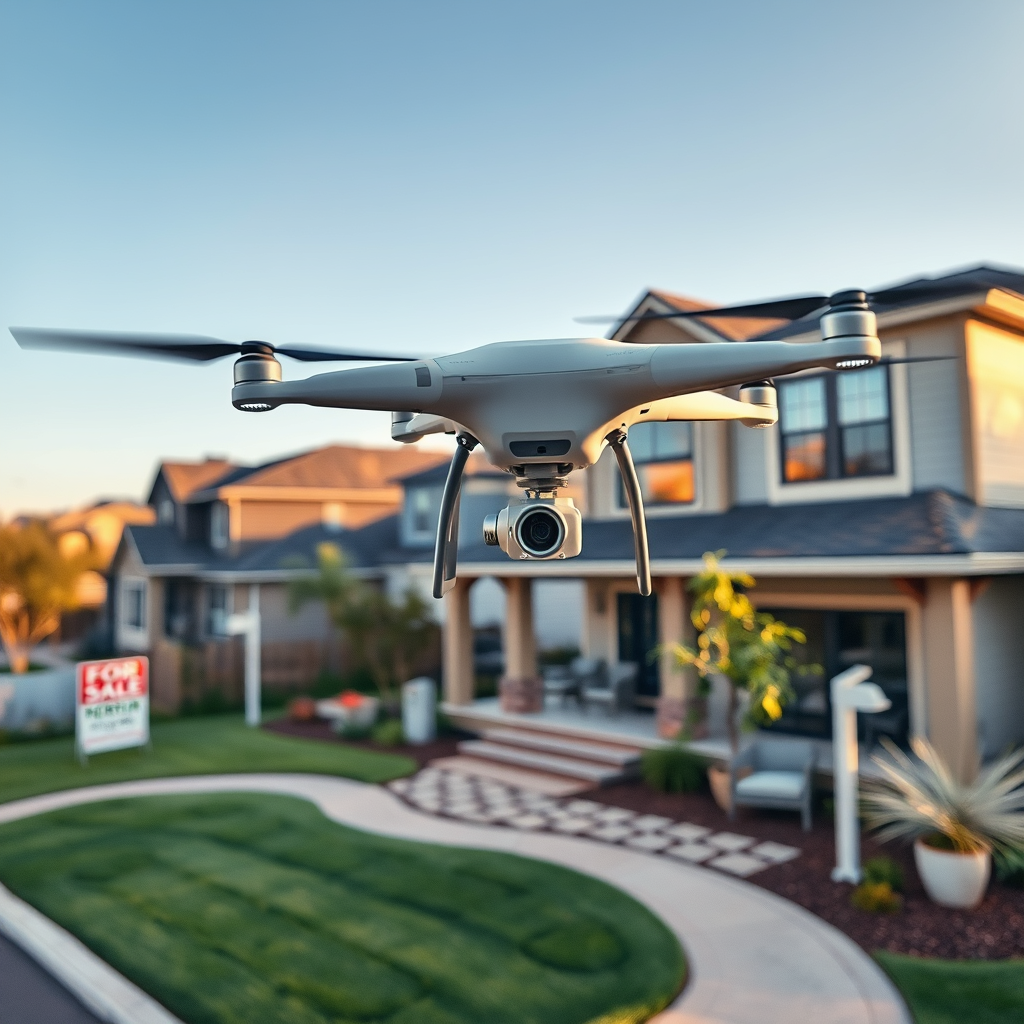
However, local laws may vary and can impose additional restrictions on drone usage over private property. Many states and municipalities have enacted their own regulations that might include no-fly zones, specific flight times, or even complete bans on drone operations in certain areas. Thus, it is essential to research local drone laws before taking to the skies. Websites of local government agencies often provide up-to-date information regarding drone regulations, which can help operators remain compliant and avoid fines or legal action.
Privacy Laws and Considerations
Flying a drone over someone’s property may raise privacy concerns, especially if you’re capturing images or videos. In many jurisdictions, privacy laws protect individuals from being filmed or photographed without their consent, particularly in situations where they have a reasonable expectation of privacy. For example, recording someone in their backyard or through a window may constitute a violation of privacy rights, leading to potential legal issues for the drone operator.
Familiarize yourself with state-specific privacy laws to avoid such pitfalls. In some states, “invasion of privacy” laws may apply, which could encompass drone flights that capture images of individuals without consent. Additionally, consider that even if you are legally permitted to fly over someone’s property, ethical considerations regarding privacy and consent are equally important. It’s advisable to err on the side of caution, especially if your drone photography or videography includes identifiable individuals or private property.
Best Practices for Flying Drones
To ensure a positive experience for all parties involved, always notify property owners if you plan to fly over their land. This approach fosters goodwill and transparency, helping to prevent misunderstandings or conflicts. Many drone enthusiasts find that simply informing neighbors or property owners about their flying plans can lead to friendly discussions and even invitations to collaborate on projects.
Moreover, avoid hovering or conducting maneuvers that may be intrusive or disruptive to residents. For instance, flying low and slow over a backyard barbecue could be perceived as an invasion of privacy or a nuisance. Instead, maintain a respectful altitude and distance from buildings or gatherings to minimize disturbances. Following these best practices not only helps you stay within legal bounds but also promotes responsible drone usage within your community.
Potential Consequences of Ignoring Property Rights
While your drone may technically be flying legally, ignoring property rights can lead to serious consequences. Trespassing laws can apply to drone use, leading to legal action if property boundaries are crossed. In many areas, flying a drone over private property without permission can be interpreted as trespassing, which could result in fines or civil lawsuits.
Moreover, civil lawsuits could arise if a property owner feels their privacy has been violated. For instance, if a drone captures video footage of a person in a private setting without their consent, it could lead to claims for damages based on emotional distress or invasion of privacy. These legal challenges underscore the importance of obtaining consent and being aware of the legal frameworks surrounding drone operation.
Ethical Considerations for Drone Operators
Respect for others’ privacy and property is crucial; consider the impact of your drone flights on the community. As a drone operator, you have a responsibility to operate your equipment in a manner that respects the rights of others. This ethical perspective not only helps avoid potential conflicts but also enhances the reputation of drone enthusiasts as a whole.
Being a responsible drone operator builds trust within the community and promotes safe usage. Engage with your neighbors, participate in local discussions about drone regulations, and contribute to a positive image of drone operators. This proactive approach can help foster an environment where drone use is seen as beneficial rather than intrusive.
Resources for Drone Operators
To stay informed about the latest regulations and best practices, consult the FAA website for detailed regulations and updates on drone laws. The FAA regularly publishes information regarding new regulations, safety tips, and operational guidelines that can be invaluable to drone operators.
Additionally, consider joining local drone enthusiast groups or online forums for advice and best practices regarding flying in your area. These communities can provide insights from experienced pilots, share local rules, and offer support for resolving any challenges you might face as a drone operator. Many groups also organize meet-ups or training sessions, which can enhance your skills and knowledge.
In conclusion, while you can fly drones over other people’s property under certain conditions, it’s essential to understand and respect the laws and privacy rights involved. Familiarizing yourself with FAA regulations, local laws, and ethical considerations can help you navigate this complex landscape. By practicing responsible flying, engaging with your community, and remaining informed about legal updates, you can maintain a positive relationship with those around you while enjoying the benefits of drone operation.
Frequently Asked Questions
Can you legally fly drones over other people’s property?
Yes, you can legally fly drones over other people’s property in many circumstances, as long as you adhere to FAA regulations and local laws. The FAA allows drone operators to fly in the National Airspace System, which includes airspace over private land. However, it’s essential to respect privacy rights and avoid flying at low altitudes that may infringe on someone’s privacy or cause disturbances.
What are the privacy concerns when flying drones over private property?
Privacy concerns arise when drones capture images or video of private property without the owner’s consent. Many states have laws that protect individuals from having their privacy violated by aerial surveillance. As a drone operator, it’s crucial to understand these laws and ensure that your activities do not invade someone’s privacy, which could lead to legal repercussions.
How can I avoid conflict when flying my drone over someone else’s land?
To avoid conflict when flying your drone over someone else’s land, communication is key. Inform nearby property owners of your drone activities, and consider seeking permission to fly over their land. Additionally, maintain a safe distance from residential areas and avoid prolonged hovering over private property to minimize disturbances and respect neighbors’ concerns.
What should I do if someone complains about my drone flying over their property?
If someone complains about your drone flying over their property, it’s essential to remain calm and listen to their concerns. Explain your purpose for flying the drone and ensure you are following all applicable regulations. If the situation escalates, consider voluntarily relocating your flight area to avoid further conflict and demonstrate respect for their property rights.
Which regulations should I be aware of when flying drones near private property?
When flying drones near private property, you should be aware of FAA regulations, including the requirement to keep your drone within visual line of sight and not exceeding 400 feet in altitude. Additionally, check for local laws that may impose restrictions on drone operations, such as no-fly zones or specific ordinances about aerial photography. Familiarizing yourself with these regulations can help you avoid legal issues and ensure safe drone operation.
References
- https://en.wikipedia.org/wiki/Drone_regulation_in_the_United_States
- https://www.faa.gov/uas/getting_started/
- https://www.nolo.com/legal-encyclopedia/drone-law-what-you-need-know-32205.html
- https://www.reuters.com/technology/us-drone-rules-2021-04-30/
- https://www.abc.net.au/news/2021-07-20/drone-laws-in-australia/100303294
- https://www.ncbi.nlm.nih.gov/pmc/articles/PMC6610601/
- https://www.theguardian.com/us-news/2020/jul/25/us-drone-regulations-property-rights
- https://www.techrepublic.com/article/the-legalities-of-flying-drones-over-private-property/
