
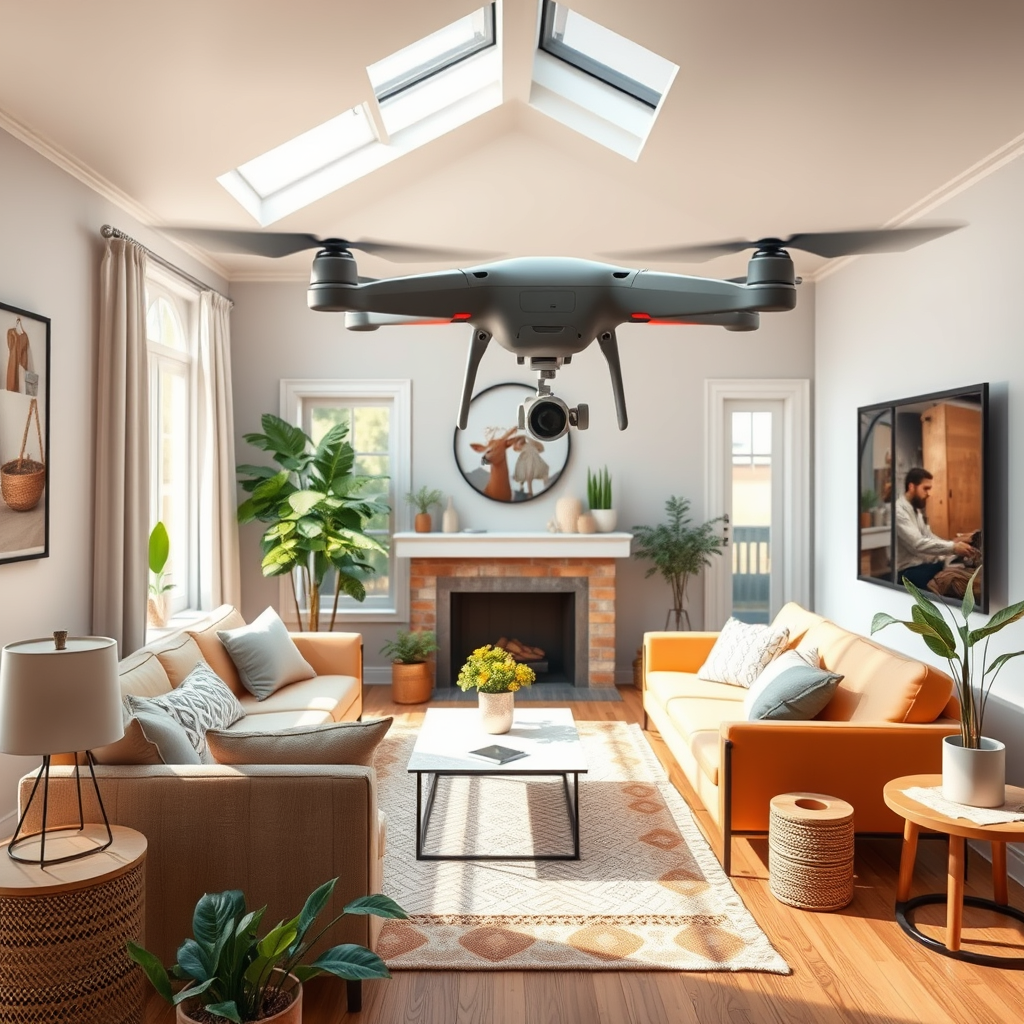
Yes, you can fly drones over people’s houses, but there are specific regulations and considerations you must follow to ensure you are compliant with local laws and respect people’s privacy. As drone technology becomes increasingly accessible, understanding the legal landscape surrounding drone operation is critical for both enthusiasts and professionals alike. This article will delve into the legal aspects, safety guidelines, and best practices for flying drones in residential areas, providing clarity on this complex issue.
Understanding Drone Regulations
The Federal Aviation Administration (FAA) governs drone operations in the United States, establishing clear regulations that drone operators must follow. Under FAA rules, drones are classified as Unmanned Aircraft Systems (UAS) and are subject to specific operational guidelines, including maintaining visual line-of-sight, flying below 400 feet, and not operating in restricted airspace. Importantly, while the FAA does not explicitly prohibit flying over private property, the agency emphasizes safe practices and respect for others’ privacy.
In addition to federal regulations, it’s vital to check local laws and ordinances that may impose additional restrictions on drone flights. Some cities and states have enacted laws that limit drone operations in certain areas or require permits for flights over residential neighborhoods. For instance, New York City has strict regulations that prohibit drone flights in residential areas, which underscores the importance of being informed about local legislation to avoid potential legal issues.
Privacy Concerns
Privacy rights are a significant consideration when flying drones over people’s houses. The expectation of privacy varies depending on the location and context, but generally, individuals have a right to privacy in their own homes and private property. Flying a drone equipped with a camera over someone’s residence can raise concerns about surveillance and invasion of privacy, potentially leading to legal issues.
Legal precedents in the United States have established that aerial surveillance can be considered a violation of privacy, especially if the drone captures images or videos of individuals in their homes without consent. For example, a court case in California ruled that using a drone to capture images of a person’s backyard without permission constituted an invasion of privacy. Therefore, drone operators should be mindful of the implications of their flights and avoid capturing footage that could infringe on someone’s privacy rights.
Safety Guidelines for Drone Operators
Safety should always be a priority for drone operators, especially when flying in residential areas. One of the key safety guidelines is to maintain a safe distance from people and structures. The FAA recommends keeping drones at least 25 feet away from individuals not involved in the operation, which helps mitigate the risk of accidents.
Situational awareness is equally important while flying drones in populated areas. Operators should be conscious of their surroundings and avoid flying in congested spaces or during adverse weather conditions. Additionally, having a clear flight plan and adhering to visual line-of-sight requirements can further enhance safety. Using drone apps that provide real-time information about airspace and potential hazards can also be beneficial, allowing operators to make informed decisions during their flights.
Best Practices for Responsible Drone Use
To foster positive community relations, drone operators should adopt best practices for responsible drone use. A key recommendation is to seek permission from property owners before flying over their homes. This simple gesture demonstrates respect for their privacy and can help avoid misunderstandings or conflicts.
Planning drone flights to avoid residential zones where possible is another prudent strategy. By choosing alternative flight paths that minimize interaction with private properties, operators can reduce potential privacy concerns and complaints. Additionally, flying during designated hours and avoiding early morning or late evening flights can help lessen disturbances to residents, contributing to a peaceful cohabitation of drone activities and community life.
Consequences of Violating Drone Laws
Failing to adhere to drone laws can lead to severe consequences for operators. The FAA has the authority to impose fines and penalties for illegal drone operations, which can range from hundreds to thousands of dollars depending on the nature of the violation. For instance, flying a drone in restricted airspace without authorization can result in hefty fines and potential legal action.
Moreover, legal repercussions can extend beyond FAA regulations. If a drone operator is found to have invaded someone’s privacy or caused disturbances, they may face civil lawsuits from affected individuals. Such cases can lead to not only financial liabilities but also damage to the operator’s reputation and credibility in the drone community.
Community Impact and Considerations
Drone activity can significantly impact neighborhood relations. While many people appreciate the innovation and technology that drones bring, others may view them as intrusive or disruptive. For instance, families with young children or pets may feel uncomfortable with drones flying overhead, leading to tension within the community.
Being a responsible and considerate drone operator is crucial for maintaining positive relationships with neighbors. Engaging with the community by informing residents of planned drone activities or offering to demonstrate the drone can foster goodwill and alleviate concerns. Additionally, participating in local drone clubs or organizations can create a network of responsible operators who advocate for safe and respectful drone usage in residential areas.
In conclusion, while you can fly drones over people’s houses, it is crucial to abide by regulations, respect privacy, and prioritize safety. Understanding FAA guidelines, local laws, and the ethical implications of drone operations can help you navigate the complexities of flying in residential areas. By practicing responsible drone usage and being considerate to your community, you can enjoy the benefits of this exciting technology while maintaining harmonious relationships with your neighbors.
Frequently Asked Questions
What are the regulations for flying drones over people’s houses?
Regulations for flying drones over people’s houses vary by country and region. In the United States, the Federal Aviation Administration (FAA) allows drone operators to fly over private property as long as they comply with basic safety guidelines, such as flying below 400 feet and maintaining a visual line of sight. However, it’s important to check local laws, as some states or municipalities may have additional restrictions in place to protect privacy.
How can I ensure I’m flying my drone legally over residential areas?
To fly your drone legally over residential areas, start by familiarizing yourself with local laws and regulations. Register your drone with the FAA if it weighs more than 0.55 pounds, and always adhere to the FAA’s Part 107 rules if you’re flying for commercial purposes. Additionally, consider obtaining permission from homeowners if you’re flying directly over their property, as this can help avoid potential legal issues or conflicts.
Why do I need to be cautious about flying drones over people’s houses?
Flying drones over people’s houses can raise privacy concerns, as many individuals feel uncomfortable with a drone hovering over their property. Additionally, there is a risk of accidents or property damage, which could lead to legal repercussions. Being cautious ensures that you respect others’ privacy and abide by local laws, ultimately promoting responsible drone use within your community.
What are the best practices for flying drones near residential neighborhoods?
The best practices for flying drones near residential neighborhoods include maintaining a safe distance from homes, avoiding flying during early morning or late evening hours when noise can be more disruptive, and being transparent with your neighbors about your drone activities. Always conduct a pre-flight check to ensure your drone is in good working condition and abide by all local regulations to ensure a safe flying experience.
Which drone models are best for flying in residential areas?
When flying in residential areas, it’s best to choose drones that are known for their stability, quiet operation, and easy maneuverability. Models like the DJI Mavic Mini or the DJI Air 2S are popular choices due to their compact size, impressive camera capabilities, and low noise levels, making them ideal for urban flying. Always ensure that the drone you select complies with local regulations and is suitable for the specific environment where you plan to fly.
References
- https://en.wikipedia.org/wiki/Drone_regulation
- https://www.faa.gov/uas/getting_started/flights_over_people
- https://www.nytimes.com/2021/04/02/us/drone-laws.html
- https://www.techrepublic.com/article/what-you-need-to-know-about-flying-drones-over-people/
- https://www.ama-assn.org/delivering-care/public-health/what-know-about-drone-use-public-health
- https://www.nrc.gov/reading-rm/doc-collections/fact-sheets/drone-safety.html
- https://www.wired.com/story/drones-flying-over-private-property/
- https://www.bbc.com/news/technology-56917034
