
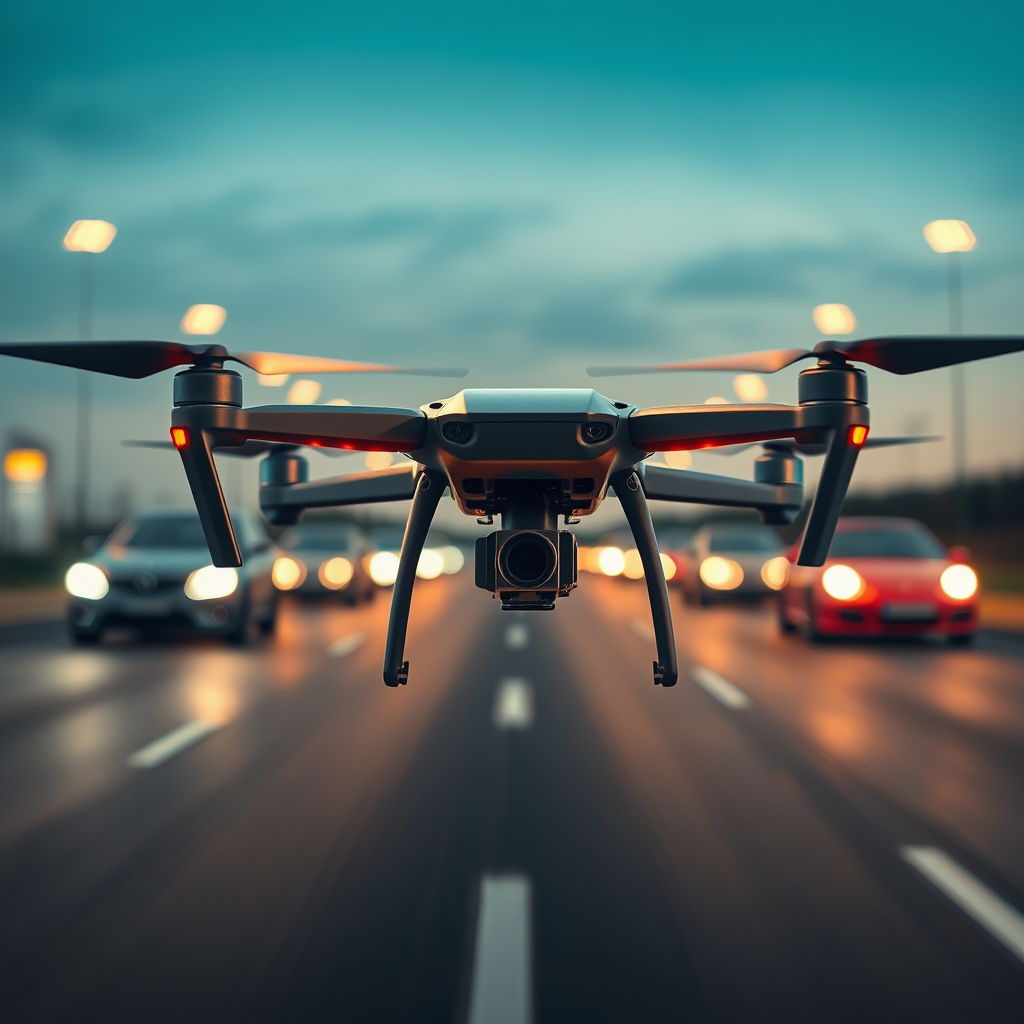
Yes, you can fly drones over roads, but there are specific regulations and safety considerations you must be aware of. Drone operators must navigate a complex landscape of federal, state, and local regulations that dictate where and how drones can be operated, especially in urban environments where roadways are prevalent. This guide will explore the legalities, safety practices, and best practices for flying drones in proximity to roadways while ensuring compliance and promoting safety.
Understanding Drone Regulations
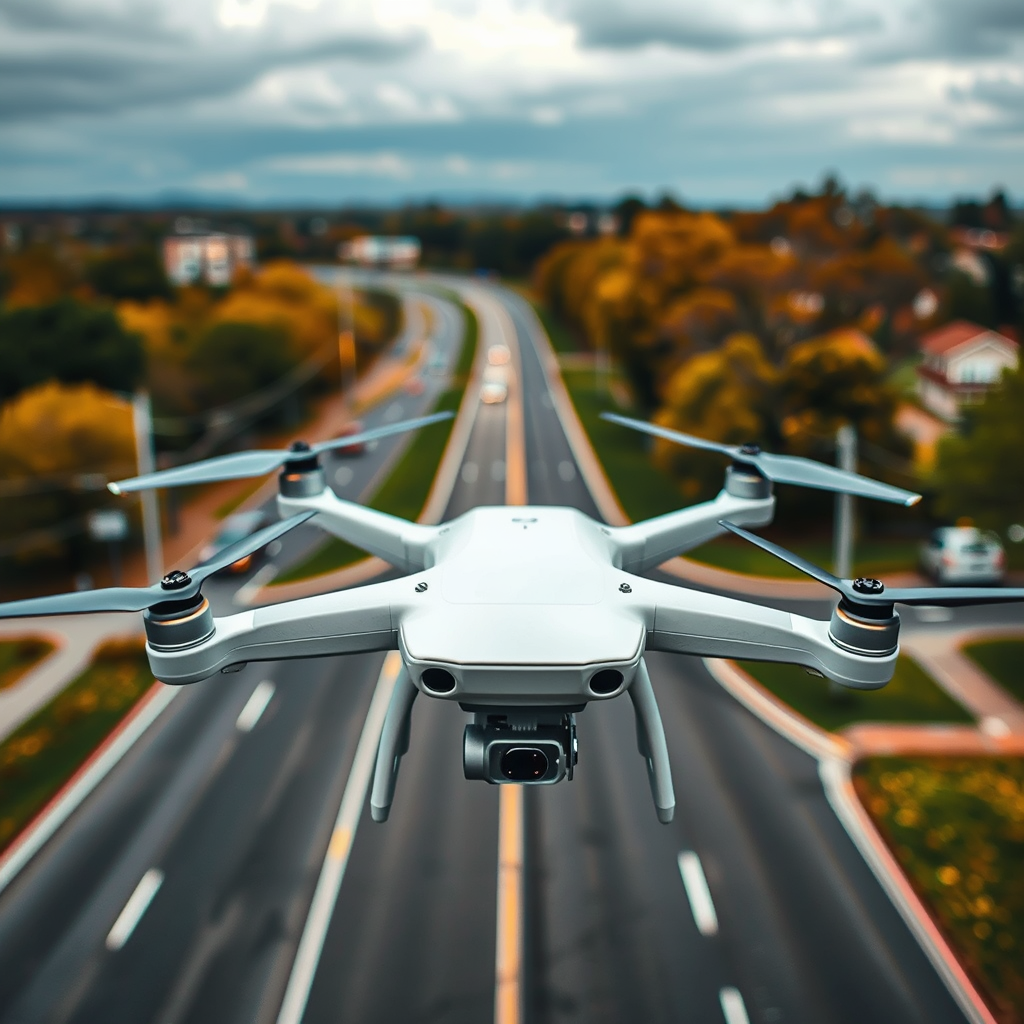
The Federal Aviation Administration (FAA) sets the groundwork for drone regulations in the United States, outlining where drones can be flown and under what conditions. According to FAA guidelines, drone operators must always maintain visual line of sight with their drones and cannot operate them over people or moving vehicles unless specific conditions are met. In most cases, drones must be flown below 400 feet and away from airports and heliports.
Additionally, state and local laws may impose further restrictions on flying over public roads. For instance, some municipalities have enacted ordinances that prohibit drone flights over densely populated areas or busy thoroughfares. Therefore, before flying your drone over roads, it is imperative to familiarize yourself with both federal regulations and local laws to ensure compliance. Ignoring these regulations can result in fines, loss of drone privileges, and even legal action.
Safety Considerations When Flying Over Roads
Safety is paramount when flying drones over roads, as the potential for accidents increases with the presence of vehicles and pedestrians. Operators should maintain a safe distance from both to avoid collisions. A recommended guideline is to keep your drone at least 50 feet away from moving vehicles and pedestrians to mitigate risks.
Moreover, ensuring that your drone is equipped with safety features such as obstacle avoidance systems can significantly enhance safety. These systems help detect potential collisions with vehicles or other obstacles, allowing for proactive maneuvers to prevent accidents. Additionally, operators should conduct pre-flight checks to confirm that all systems are functioning correctly, as mechanical failure could lead to dangerous situations, particularly over busy roads.
Best Practices for Flying Drones Near Roads
Choosing the right timing for drone flights can greatly minimize risks associated with flying near roads. Scheduling flights during times of lighter traffic, such as early mornings or late evenings, can reduce the likelihood of accidents. Operators should also be vigilant about weather conditions; windy or rainy environments can make flying more difficult and hazardous.
Employing visual observers is another best practice for flying near busy roads. A visual observer is a person who assists the drone operator by keeping an eye on the drone and the surrounding environment. This additional layer of awareness can help the operator stay informed about traffic conditions and potential hazards, allowing for safer flight operations.
Furthermore, maintaining open lines of communication with other drone operators in the area can enhance safety. Using common frequencies for communication can help prevent conflicts and ensure that all operators are aware of each other’s activities.
Airspace Awareness
Understanding the airspace classification in your flying area is crucial for safe drone operations. The FAA classifies airspace into several categories, including controlled and uncontrolled airspace, each with specific regulations. For instance, flying in controlled airspace, such as near airports, requires special permission and may involve filing a Notice to Airmen (NOTAM).
Drone operators must also be diligent about avoiding no-fly zones. These areas often include locations such as military bases, stadiums, and certain urban centers, which may intersect with roadways. Utilizing drone flight planning applications can assist in identifying airspace classifications and no-fly zones, allowing operators to plan their flights more effectively and safely.
Insurance and Liability
When flying drones near public roads, it is advisable to consider obtaining liability insurance. This type of insurance can protect operators in case of accidents involving their drones, covering damages to property or injuries to individuals. Many insurance providers offer specialized drone insurance tailored to the unique risks associated with aerial operations.
Moreover, understanding your responsibilities in the event of an accident is critical. If a drone causes damage or injury, the operator may be held liable, which underscores the importance of operating within the law and adhering to safety practices. By being proactive in securing insurance and understanding liability, drone operators can mitigate financial risks.
Community and Public Perception
The perception of drone operations within local communities can significantly impact the overall acceptance of drone technology. Flying over roads, especially in populated areas, may raise concerns among residents regarding privacy, safety, and noise pollution. It is essential for drone operators to be mindful of these concerns and to engage with the public proactively.
Hosting informational sessions or community meetings can help educate residents about the benefits of drone technology and how operators adhere to safety protocols. Demonstrating a commitment to responsible drone use can foster a positive relationship with the community and alleviate concerns. Additionally, being respectful of local customs and addressing any complaints promptly can enhance community relations.
In conclusion, while flying drones over roads is permissible under certain conditions, it is crucial to adhere to regulations and prioritize safety. By understanding the legal landscape, implementing best practices, and maintaining open communication with both the public and other drone operators, individuals can enjoy the benefits of drone technology while minimizing risks. Always be aware of your environment and consider the potential impact on the community. For safe and responsible drone flying, stay informed and prepared, ensuring that your operations are compliant and respectful of public interests.
Frequently Asked Questions
Can you legally fly drones over roads?
The legality of flying drones over roads varies by country and region. In the United States, for instance, the Federal Aviation Administration (FAA) allows drone flights over roads as long as the drone operator adheres to specific regulations, such as maintaining a visual line of sight and not flying over people. It’s crucial to check local laws and regulations, as some areas may have restrictions that prohibit drone flights over certain roads or during specific times.
What are the risks of flying drones over busy roads?
Flying drones over busy roads presents several risks, including the potential for accidents that could endanger both the drone operator and road users. Drones can malfunction or lose signal, leading to crashes that may cause injury or property damage. Moreover, if a drone falls onto a roadway, it could disrupt traffic and create hazardous situations. Operators must weigh these risks and consider alternative flight paths to ensure safety.
How can I fly a drone safely over roads?
To fly a drone safely over roads, operators should conduct careful planning and maintain a safe altitude—ideally at least 400 feet above ground level. It is advisable to fly during times of lower traffic volume, and always keep the drone within the pilot’s visual line of sight. Additionally, using a drone with advanced safety features, such as obstacle detection and emergency landing protocols, can significantly enhance safety when flying over roads.
Why do some areas restrict drone flights over roads?
Some areas restrict drone flights over roads primarily due to safety concerns and potential liability issues. Drones flying over congested streets pose risks of falling and causing injury to pedestrians or motorists. Restrictions may also be in place to prevent interference with emergency services and to uphold privacy standards for individuals in the vicinity. Understanding these regulations is essential for responsible drone operation.
What is the best drone for flying over roads?
The best drone for flying over roads should combine durability, stability, and safety features. Models like the DJI Mavic Air 2 or the Autel Robotics EVO Lite are popular choices, as they offer advanced flight controls, high-quality cameras, and obstacle avoidance technology. Additionally, it’s essential to select a drone with a robust battery life to ensure extended flight time, allowing for safe navigation over roads without the risk of losing power mid-flight.
References
- https://www.faa.gov/uas/getting_started/flight_beyond_vision/
- https://www.faa.gov/uas/getting_started/
- https://www.nytimes.com/2021/06/29/business/drone-regulations.html
- https://www.bbc.com/news/technology-52521130
- https://www.nerc.com/News/Pages/NewsReleases.aspx
- https://en.wikipedia.org/wiki/Drone_regulation
- https://www.dronelife.com/2021/07/20/faa-releases-new-drone-regulations-for-flying-over-people-and-vehicles/
- https://www.nass.org/can-you-fly-a-drone-over-a-road
