
Yes, you can generally fly drones under 250 grams in many locations, but there are specific regulations and restrictions to consider. Understanding these guidelines is essential for safe and legal drone operation. Drones in this weight class are often subject to fewer regulatory hurdles, making them an appealing choice for both hobbyists and professionals. However, it is vital to be aware of local laws, no-fly zones, and safety practices to ensure compliance and promote responsible flying.
Understanding Drone Weight Classifications
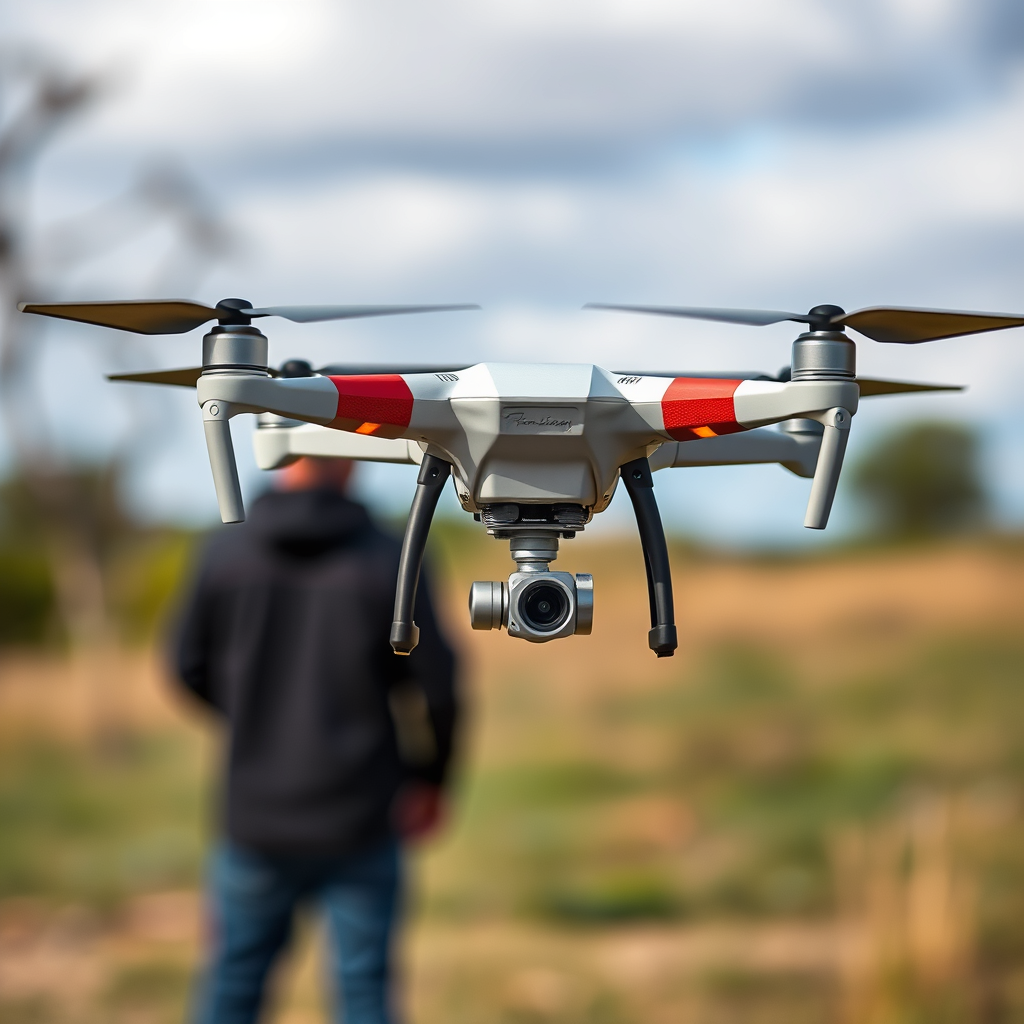
Drones under 250 grams are often classified as “micro drones” or “mini drones” and benefit from a more lenient regulatory framework. This weight threshold is significant in many countries, including the USA and within the European Union, where specific exemptions apply. For instance, in the United States, the Federal Aviation Administration (FAA) requires that any drone weighing 250 grams or more must be registered before flying. In contrast, drones below this weight are exempt from registration, making them more accessible to casual users and those new to the hobby.
This classification not only affects registration but also the operational limits imposed on drone pilots. In many jurisdictions, lighter drones can operate in more varied environments without the same level of scrutiny applied to heavier models. This distinction can encourage the use of drones for recreational purposes, such as photography, racing, or simply enjoying the technology without the heavy regulations that accompany larger drones.
General Regulations for Flying Drones
While drones under 250 grams face fewer regulations, pilots must still comply with various local laws and guidelines. Most countries require that drone pilots adhere to specific operational protocols, including maintaining a visual line of sight with the drone at all times. This rule helps to ensure that pilots can control their devices and avoid collisions with other aircraft or obstacles.
Furthermore, even lightweight drones can be restricted in certain areas, such as near airports, military bases, or crowded urban areas. Privacy regulations also play a crucial role; it is illegal to capture images or videos of individuals without their consent, regardless of the drone’s weight. Familiarizing oneself with these laws is essential to avoid fines or potential legal issues.
In addition, some countries may impose altitude limits for micro drones, often capping their flight at 120 meters (400 feet) above ground level, similar to their heavier counterparts. Adhering to these regulations not only ensures compliance but also promotes safe flying practices that benefit the wider community.
Where You Can Fly Drones Under 250 Grams
The versatility of drones under 250 grams allows for a broad range of flying locations, but it is imperative to do thorough research before launching into the air. Parks and open spaces are generally permissible for drone flying, provided that local regulations don’t impose additional restrictions. Many urban parks, beaches, and rural fields offer ideal environments for flying, enabling users to capture stunning aerial footage or enjoy leisurely flights.
However, caution should be exercised when flying in populated areas. Avoiding crowds, airports, and restricted zones is critical to ensure compliance with safety laws. For instance, flying a drone near an airport could interfere with manned aircraft operations, posing severe risks to both drone operators and the general public. Additionally, certain regions may designate specific no-fly zones for drones, which should be clearly marked in official regulations.
To facilitate responsible flying, many drone pilots utilize mobile applications that provide real-time information about airspace restrictions and local regulations. Tools like DJI’s Fly Safe or the FAA’s B4UFLY app can help inform pilots of where they can legally and safely operate their drones.
Safety Considerations When Flying
Even though drones under 250 grams are smaller and lighter, safety should always be a top priority when flying. Pilots are encouraged to keep their drones within their line of sight at all times. This practice not only helps in avoiding collisions but also allows the pilot to respond quickly to any unexpected situations, such as sudden weather changes or the presence of other aircraft.
Additionally, being vigilant about wildlife is crucial. Lightweight drones can inadvertently disturb local fauna, particularly in natural habitats. For example, flying a drone near nesting birds or wildlife reserves may lead to stress for animals, disrupting their natural behaviors.
Moreover, while lightweight drones are often easier to control, pilots should still be aware of potential hazards in the airspace, such as other drones or kites. Establishing a safety buffer by maintaining distance from other aerial activities is essential for minimizing risks.
Benefits of Flying Lightweight Drones
One of the most significant advantages of flying drones under 250 grams is their portability and ease of handling. These drones are typically smaller and lighter, making them easier to transport in a backpack without requiring significant effort. This convenience makes them particularly appealing for casual users who might want to take their drones on hikes, trips to the beach, or other outdoor activities.
Moreover, lighter drones often come equipped with user-friendly features designed for beginners. Many models include automated flight modes, such as hover or follow-me functions, that help novice pilots gain confidence without overwhelming them with complex controls. This accessibility lowers the barrier to entry for individuals interested in drone flying, allowing more people to experience the technology and its applications.
Additionally, drones under 250 grams can be an excellent tool for educational purposes. Schools and educational programs can incorporate these devices into their curricula, teaching students about aerodynamics, coding, and photography in an engaging manner.
Tips for Responsible Drone Flying
To ensure a positive experience while flying drones under 250 grams, it is crucial to adopt responsible flying practices. Familiarizing oneself with local laws and regulations is a vital first step. Before flying, take the time to research any specific rules that may apply to your chosen location. This includes understanding local no-fly zones, altitude restrictions, and privacy laws.
Respecting the privacy of others is equally important. Pilots should avoid flying over private properties without permission and should refrain from capturing images or videos of individuals without their consent. This not only fosters goodwill in the community but also aligns with ethical practices in drone operation.
Finally, consider joining a local drone club or online community. These platforms can provide valuable resources, mentorship, and support as you navigate the world of drone flying. Engaging with fellow enthusiasts can enhance your skills and knowledge, ensuring a safe and enjoyable flying experience.
Flying drones under 250 grams is generally permissible in many locations, but it is crucial to remain informed about specific regulations and safety practices. By adhering to local laws, respecting the privacy of others, and flying responsibly, drone pilots can enjoy the full benefits of this exciting technology while minimizing risks. With proper knowledge and preparation, operators can safely explore the skies with their lightweight drones.
Frequently Asked Questions
Can I fly drones under 250 grams anywhere without a license?
Yes, in many regions, drones that weigh less than 250 grams (0.55 pounds) are often classified as “toy drones” and may not require a license for recreational use. However, it’s important to check local regulations, as some countries or regions have specific laws regarding drone usage, including no-fly zones or restrictions near airports, schools, and populated areas.
What are the benefits of flying a drone under 250 grams?
Flying a drone under 250 grams has several advantages, including fewer regulatory restrictions, greater portability, and often lower costs. These lightweight drones are easier to carry, typically have longer flight times due to lower battery consumption, and are ideal for beginners who want to practice flying without the complexities of more heavily regulated aircraft.
Where are the best places to fly drones under 250 grams?
The best places to fly drones under 250 grams include open parks, fields, and rural areas where there are fewer people and structures that could pose safety risks. Always ensure that you are aware of local laws and regulations that may restrict drone flying in certain areas. Avoid busy urban environments, near airports, or spaces where you could disturb wildlife or privacy.
Why do drones under 250 grams have fewer restrictions?
Drones under 250 grams have fewer restrictions primarily because they are considered to pose a lower risk to public safety and privacy. This weight classification is often seen as less likely to cause serious injury or damage if an accident occurs. Regulatory bodies, such as the FAA in the United States, have implemented these guidelines to encourage responsible drone usage while still allowing recreational pilots to enjoy their hobby.
How can I ensure safe flying practices with my drone under 250 grams?
To ensure safe flying practices with your drone under 250 grams, always follow local laws, maintain a visual line of sight with your drone, and avoid flying over people or private property without permission. Additionally, familiarize yourself with your drone’s features, conduct pre-flight checks, and stay updated on weather conditions to ensure a safe and enjoyable flying experience.
References
- https://www.faa.gov/uas/getting_started/register_drone
- https://www.faa.gov/uas/getting_started/part_107/
- https://www.faa.gov/uas/faq/
- https://en.wikipedia.org/wiki/Drone
- https://www.npr.org/sections/thetwo-way/2019/07/24/743842134/faa-issues-new-rules-for-drones
- https://www.bbc.com/news/technology-48971030
- https://www.reuters.com/article/us-usa-drones-regulations-idUSKBN2BG1H0
- https://www.ncbi.nlm.nih.gov/pmc/articles/PMC7310323/
