
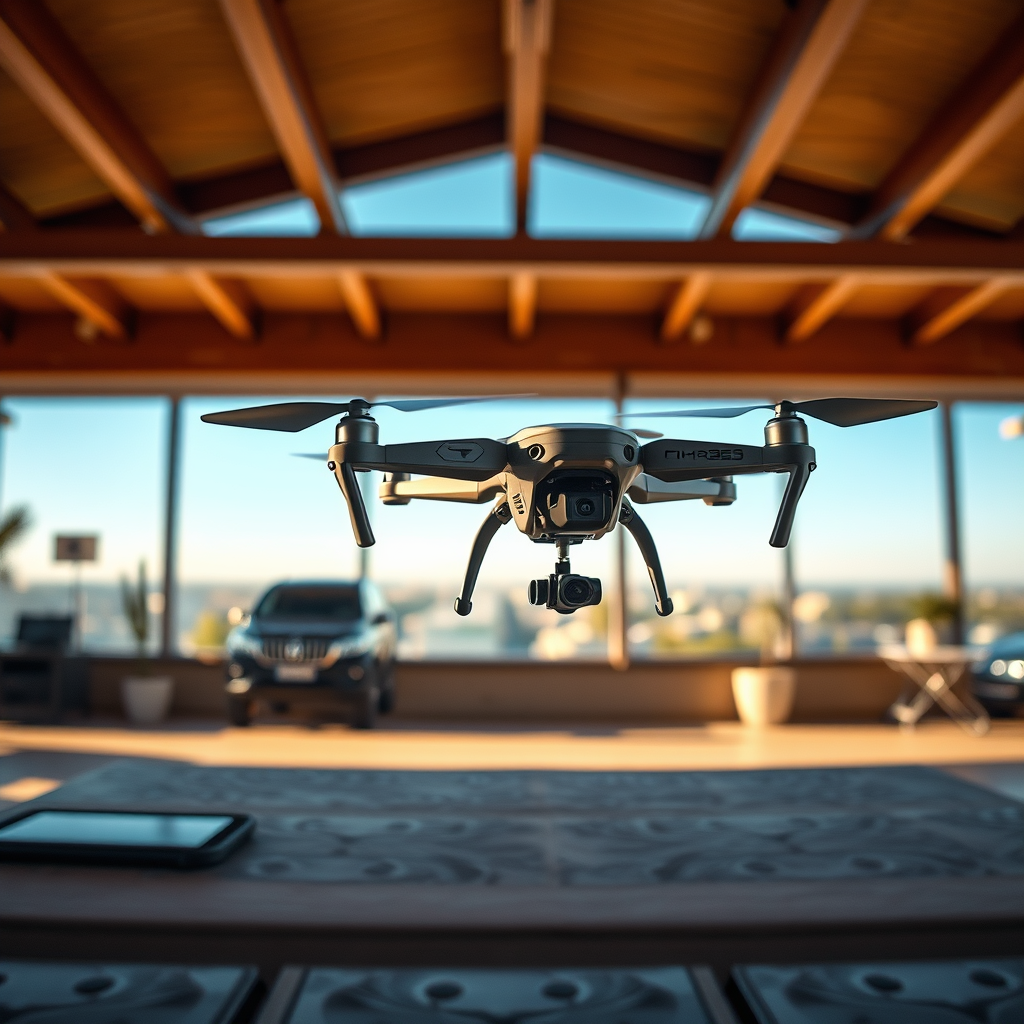
Yes, you can generally fly drones under 250g anywhere, but there are specific regulations and restrictions that may apply depending on your location. Understanding these rules is essential to ensure safe and legal flying. Drones that weigh less than 250 grams are often classified as “micro drones,” which typically allows for fewer restrictions in terms of where and how they can be operated. However, it is critical to remain informed about local laws, as they may differ significantly from one area to another.
Understanding Drone Weight Regulations

Drones under 250g are generally exempt from many stringent regulations that govern heavier drones. This exemption stems from the reduced risk they pose in terms of injury and property damage. For instance, many countries, including the United States and those in the European Union, have established specific categories for drones based on their weight. A drone weighing less than 250 grams is often categorized as a micro drone, which can simplify the process of registration and compliance with operational guidelines.
For example, in the U.S., the Federal Aviation Administration (FAA) allows drone operators to fly these lightweight devices without the need for a Remote Pilot Certificate, provided they adhere to certain operational limits. In contrast, heavier drones require more rigorous regulations, including mandatory registration and specific pilot certifications. This distinction makes micro drones a popular choice for hobbyists and casual users who seek convenience without compromising on the joy of flying.
General Flying Rules for Light Drones
Even though micro drones enjoy fewer regulations, there are still essential flying rules that operators must follow. The primary rule is to always maintain line-of-sight with the drone during flight. This means that the pilot must be able to see the drone at all times without the aid of binoculars or other visual enhancement devices. This rule ensures that pilots can react quickly to any potential hazards, such as other aircraft or obstacles in the environment.
Additionally, it is crucial to avoid flying near airports and other restricted areas, such as military installations or emergency response zones. In the U.S., the FAA has established No Fly Zones around airports, while many countries have similar restrictions. Pilots should utilize resources such as the FAA’s B4UFLY app, which provides real-time information about airspace restrictions and helps in planning safe flight paths.
Local Regulations to Consider
While general rules provide a framework for safe drone operation, local regulations can impose additional restrictions that must be considered. It is important to research and understand the specific laws in your area before flying a drone. For example, some municipalities may have enacted laws that prohibit drone flights in certain public spaces, such as parks or urban centers, due to privacy concerns or safety issues.
Additionally, some regions may require drone operators to obtain permits or notify local authorities before flying, even for lightweight drones. This is especially true in areas with heavy foot traffic or where the drone could potentially interfere with other activities. Checking local regulations not only ensures compliance but also fosters good relationships with the community and local authorities.
Safety Guidelines for Flying Drones
Safety should always be a top priority when flying drones, regardless of their weight. Following best practices can significantly minimize risks associated with drone operations. For instance, avoiding crowded areas is essential to prevent accidents or injuries to bystanders. Ideally, pilots should choose open spaces, such as fields or designated drone parks, where they can fly without posing a risk to others.
Moreover, utilizing geo-fencing features can enhance safety by preventing drones from entering restricted airspace. Many modern drones come equipped with this technology, which automatically restricts flight in areas where it is prohibited. This feature can be especially beneficial for novice pilots who may not be fully aware of local airspace regulations.
Furthermore, it is advisable to conduct pre-flight checks to ensure that the drone is in good working condition. This includes checking battery levels, ensuring that all components are functioning correctly, and verifying that firmware updates have been applied. Taking these precautions can enhance the safety and reliability of your drone flights.
Benefits of Flying Lightweight Drones
Flying lightweight drones offers numerous advantages that cater to both casual users and serious hobbyists. One of the most significant benefits is their ease of transport. Weighing under 250 grams, these drones are typically compact and lightweight, making them easy to carry around. This portability is particularly appealing for travelers and outdoor enthusiasts who want to capture aerial footage during their adventures.
In addition to their portability, lightweight drones often boast longer flight times compared to heavier models. This is primarily due to their reduced energy consumption, allowing for extended periods of flight on a single battery charge. For instance, many micro drones can achieve flight times of up to 30 minutes or more, depending on the model and conditions. This longer duration enhances the overall flying experience, allowing users to capture more footage and explore their surroundings without the constant worry of running out of battery.
Resources for Drone Pilots
Staying informed about airspace regulations and best practices is vital for all drone pilots. Fortunately, there are numerous resources available to assist operators in navigating the complexities of drone flying. Mobile apps and websites like AirMap and Skyward provide pilots with real-time information regarding airspace restrictions, local laws, and safe flying practices.
Joining local drone enthusiast groups can also be an invaluable resource for pilots of all skill levels. These communities often share insights, experiences, and tips that can enhance one’s understanding of drone operations. Participating in local meetups or online forums can foster a sense of camaraderie among drone enthusiasts and create opportunities for collaborative learning.
Conclusion
While flying drones under 250g is generally permitted in many areas, it is crucial to stay informed about local regulations and safety guidelines. Understanding the distinctions between drone weight categories, adhering to general flying rules, and checking local laws are essential steps to ensure responsible drone operation. By following safety guidelines and utilizing available resources, drone pilots can enjoy a fulfilling flying experience while minimizing risks. Always check the latest laws and practice responsible flying to fully embrace the joys of drone flight.
Frequently Asked Questions
What are the regulations for flying drones under 250g in my country?
Regulations for flying drones under 250g vary by country, but many regions have simplified the rules for lighter drones. In general, you can fly these drones without needing a special license in many jurisdictions, provided you adhere to basic safety guidelines, such as keeping the drone within your line of sight and avoiding restricted airspaces. Always check your local aviation authority’s website for specific regulations to ensure compliance.
How can I find places to fly my drone under 250g legally?
To find legal places to fly your drone under 250g, start by checking local laws and regulations through your country’s aviation authority. Many regions have designated areas for drone flight, such as parks or open fields, where you can operate without restrictions. Additionally, drone community forums and apps can provide valuable insights into popular flying spots that comply with local laws.
Why is the 250g weight limit significant for drone operators?
The 250g weight limit is significant because it often exempts drone operators from certain regulatory requirements, such as registration and licensing, in many countries. Drones weighing under this threshold are typically considered safer and pose less risk in urban environments. This allows hobbyists greater freedom to enjoy their flying experience while still adhering to essential safety guidelines.
Which drones under 250g are best for beginners?
Some of the best drones for beginners that weigh under 250g include models like the DJI Mini SE, Holy Stone HS720E, and the Potensic D80. These drones are user-friendly, offer stable flight performance, and come equipped with features like GPS and camera capabilities. When selecting a drone, consider factors such as battery life, ease of use, and available customer support to enhance your learning experience.
What should I do if I encounter restrictions while flying my drone under 250g?
If you encounter restrictions while flying your drone under 250g, the first step is to familiarize yourself with the specific regulations in that area. Avoid flying in restricted zones, such as near airports, military bases, or crowded spaces. If you’re unsure about the rules, consider contacting local authorities or using drone apps that highlight no-fly zones to help plan your flights more effectively.
References
- https://en.wikipedia.org/wiki/Drone#Regulations
- https://www.faa.gov/uas/getting_started/registration
- https://www.faa.gov/uas/getting_started/part_107/
- https://www.faa.gov/uas/guidance_submissions/
- https://www.npr.org/2021/04/07/985905867/how-the-drone-industry-is-evolving
- https://www.reuters.com/technology/drone-delivery-firm-zipline-expands-us-operations-2021-11-15/
