
Flying other drones with the DJI Controller 2 is generally not possible due to proprietary technology and communication protocols. Despite this, there are exceptions and workarounds that may permit limited functionality with compatible drones. This article delves into the workings of the DJI Controller 2, its compatibility with other drone brands, and potential alternatives for those seeking to expand their flying experience.
Understanding the DJI Controller 2
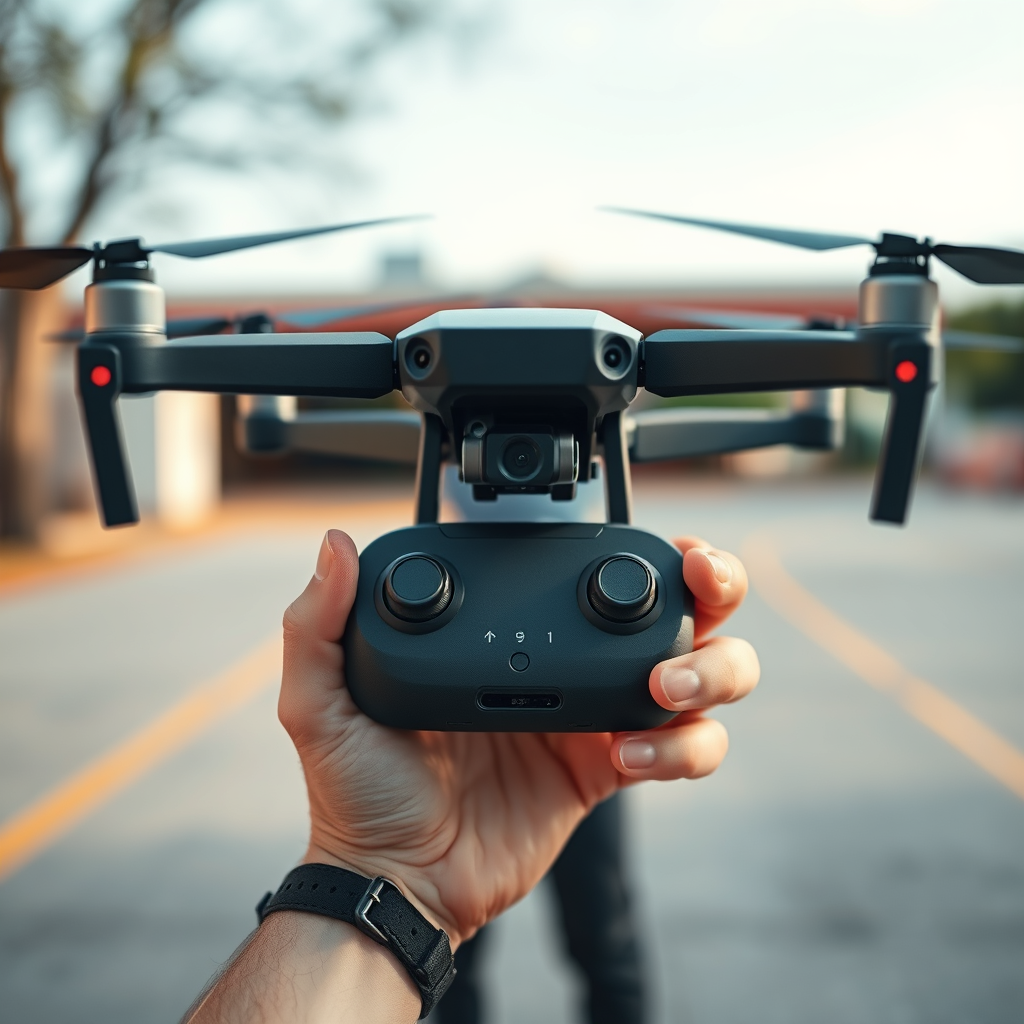
The DJI Controller 2 is engineered for optimal performance with DJI’s own range of drones, providing users with an intuitive flying experience that includes features like low-latency transmission, precise control, and real-time telemetry data. This controller employs a specialized communication protocol known as OcuSync, which is tailored for seamless interaction with DJI aircraft. This proprietary technology ensures that the controller can transmit commands and receive data efficiently, thus enhancing flight stability and control.
The design of the DJI Controller 2 also showcases its commitment to user experience, featuring ergonomic grips, customizable buttons, and an integrated display for real-time monitoring. However, this optimization for DJI products comes at the cost of compatibility with other brands. Most non-DJI drones utilize different communication protocols, making it challenging to establish a reliable connection with the DJI Controller 2. As a result, users hoping to fly other drones may find themselves facing significant limitations.
Compatibility with Other Drone Brands
While the DJI Controller 2 is primarily designed for DJI drones, there are instances where limited compatibility with third-party drones can be achieved. Some brands have developed drones that can interface with DJI hardware, typically via specific apps or firmware modifications. For example, certain models from brands like Autel Robotics and Yuneec have reported varying degrees of compatibility, though not all features may function properly.
Users must be aware that even if a third-party drone is able to connect to the DJI Controller 2, it may not support the full suite of controls and functionalities. Features such as intelligent flight modes, advanced telemetry, and real-time video transmission might be unavailable or operate erratically. Therefore, those interested in flying non-DJI drones with the controller should thoroughly research specific models and user experiences to manage expectations appropriately.
Exploring Third-Party Solutions
For adventurous drone enthusiasts, there are several third-party solutions that may facilitate the use of the DJI Controller 2 with other drone models. Applications such as “DroneLink” and “Litchi” have emerged as popular options that allow users to customize their flying experience. These apps often enable users to map the controller’s commands to other drone models, albeit with varying degrees of success.
Additionally, some drone hobbyists have turned to firmware modifications to create compatibility between the DJI Controller 2 and select non-DJI drones. However, such modifications can be complex and may void warranties or violate terms of service. It’s essential for users to conduct thorough research and ensure they are comfortable with any risks involved in these workarounds. Engaging with online forums and communities can also provide insights from other users who have successfully connected their DJI Controller 2 to non-DJI drones.
Limitations of Using DJI Controller 2 with Other Drones
Attempting to use the DJI Controller 2 with non-DJI drones comes with significant limitations that users must consider. First and foremost, the control range and responsiveness may be compromised. While DJI’s proprietary technology is designed to ensure minimal latency and optimal range, other drone brands may not support these features, leading to lag or even unresponsive controls during flight.
Furthermore, safety concerns arise when operating unsupported drones with the DJI Controller 2. If the connection between the controller and the drone is unstable, it could result in erratic flying behavior, increasing the risk of accidents. Pilots may find it difficult to maintain control, especially in challenging conditions or when performing complex maneuvers. Therefore, users should prioritize safety and consider the potential consequences of flying unsupported drones.
Recommendations for Drone Enthusiasts
For those who frequently fly various drone brands, it is advisable to invest in controllers specifically designed for those models. Many drone manufacturers offer proprietary controllers that are optimized for their aircraft, ensuring full functionality and reliability. This investment is particularly worthwhile for serious enthusiasts or professionals who rely on consistent performance during flights.
Staying updated on firmware updates and engaging with community forums can also be beneficial. Manufacturers often release updates that may improve compatibility or introduce new features, and user communities can provide valuable insights into the latest trends and solutions in the drone space. By actively participating in these discussions, drone enthusiasts can enhance their understanding and maximize their flying experiences.
In summary, while the DJI Controller 2 offers an impressive array of features for DJI drones, its compatibility with other brands is limited. Understanding the technology behind the controller and exploring third-party solutions can provide some options, but safety and performance should remain top priorities.
In conclusion, while flying other drones with the DJI Controller 2 is largely impractical, exploring third-party solutions may yield some possibilities. If you frequently operate various drone brands, investing in dedicated controllers designed for those models is advisable to ensure optimal performance and safety. Engaging with drone enthusiast communities can further enhance your knowledge and experience, helping you to navigate the diverse and ever-evolving world of drone technology.
Frequently Asked Questions
Can I fly other drone brands using a DJI Controller 2?
No, the DJI Controller 2 is specifically designed to work with DJI drones and is not compatible with other brands. DJI controllers use proprietary technology and software that communicate directly with DJI’s flight systems. If you want to control non-DJI drones, you will need to use the manufacturer-specific controller or a universal remote that supports those models.
How do I connect my DJI Controller 2 to a DJI drone?
To connect your DJI Controller 2 to a compatible DJI drone, first ensure that both the controller and the drone are fully charged. Turn on the drone and the controller, then open the DJI Fly or DJI GO app on your mobile device. Follow the on-screen prompts to link the controller to the drone, usually requiring you to tap on the aircraft icon and select “Connect” or “Link Remote Controller.”
Why is my DJI Controller 2 not connecting to my drone?
If your DJI Controller 2 is not connecting to your drone, first ensure that both devices are powered on and within range. Check that the controller is charged and that the firmware on both the drone and controller is up to date. If issues persist, try restarting both devices or resetting the controller by pressing the linking button, and reattempt the connection process.
What is the best way to update the firmware on my DJI Controller 2?
The best way to update the firmware on your DJI Controller 2 is through the DJI Fly or DJI GO app. Connect your controller to your smartphone, launch the app, and navigate to the settings. The app will automatically check for firmware updates; if one is available, follow the prompts to download and install it. Always ensure your controller has sufficient battery life during the update process to prevent interruptions.
Which DJI drones are compatible with the DJI Controller 2?
The DJI Controller 2 is compatible with several DJI drone models, including the DJI Air 2S, DJI Mini 2, and DJI Mavic Air 2. It is essential to verify compatibility with the specific drone model before attempting to connect, as using the wrong controller can lead to connectivity issues and limited functionality. Always refer to DJI’s official documentation or website for the most accurate compatibility information.
References
- Drone
- Unmanned Aircraft Systems (UAS) | Federal Aviation Administration
- https://www.techradar.com/news/best-drone-controllers
- https://www.wired.com/story/drone-controllers-guide/
- https://www.reuters.com/technology/drones/
- https://www.sciencedirect.com/topics/engineering/drone-technology
- https://www.cnet.com/tech/mobile/dji-controllers-explained/
- https://www.nytimes.com/2021/06/22/technology/drones-faa.html
- Drive through testing in Tamworth – ABC News
- FAQ | Part 107 Test Prep | Drone Pilot Ground School
