
Yes, you can fly with a DJI drone, but there are specific regulations and safety measures you must follow. Understanding these guidelines ensures a safe and enjoyable flying experience, whether you’re a hobbyist or a professional. The growing popularity of drones has led to an increase in regulations designed to maintain safety in the skies. Adhering to these regulations not only protects you but also preserves the integrity of airspace for everyone.
Understanding DJI Drone Regulations
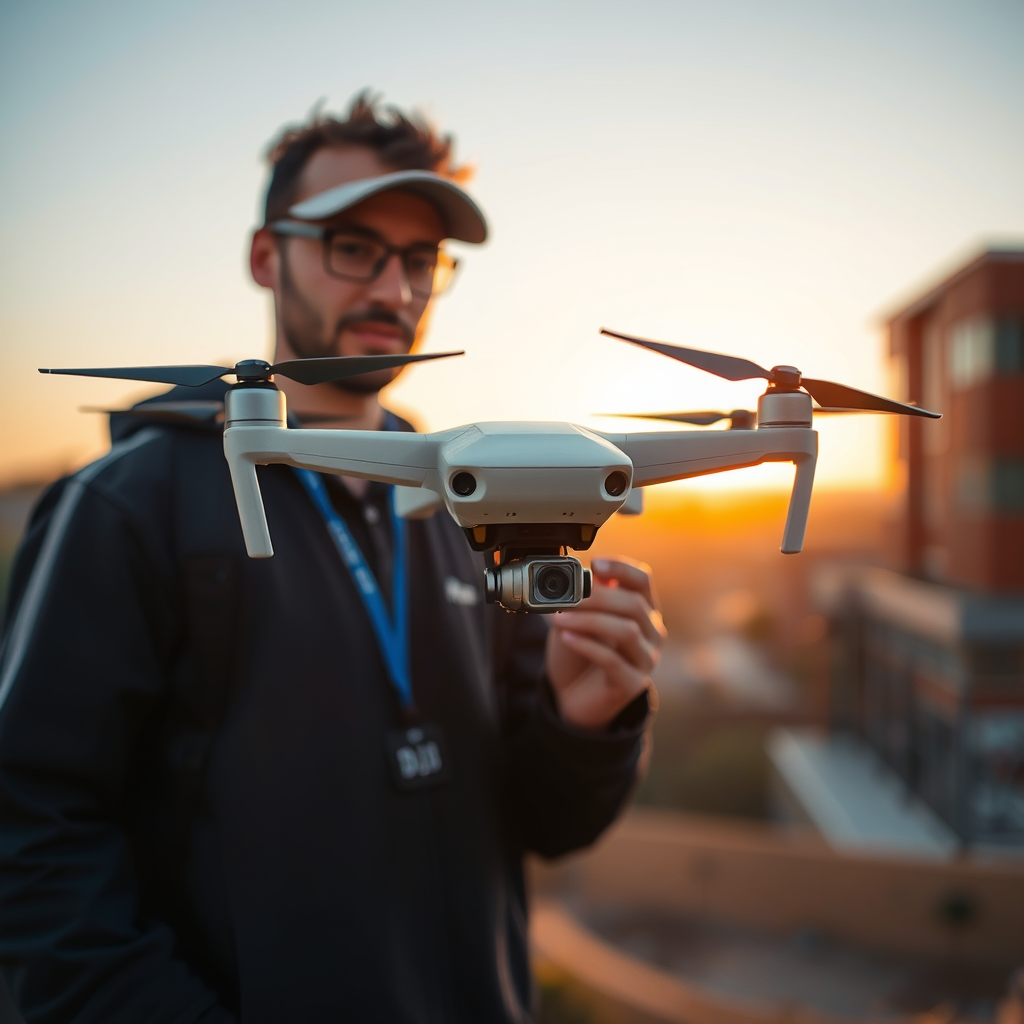
Before you take to the skies with your DJI drone, it’s crucial to familiarize yourself with local laws regarding drone flight. Regulations can vary significantly by country, state, and even municipality. For instance, in the United States, the Federal Aviation Administration (FAA) has established specific guidelines that drone pilots must follow. In many cases, flying a drone for commercial purposes requires a Part 107 license, which involves passing an exam on aviation regulations and safety.
Moreover, some regions may require you to register your drone, particularly if it weighs more than 0.55 pounds. For example, in the UK, the Civil Aviation Authority (CAA) mandates registration for drones over 250 grams. It’s also essential to stay updated on any temporary flight restrictions (TFRs) that may be in place due to events or emergencies. Utilizing official resources and local drone clubs can provide valuable insights into the specific regulations in your area.
Pre-Flight Checklist
A pre-flight checklist is essential to ensure your DJI drone is ready for operation. Start by conducting a thorough inspection of your drone for any mechanical issues or damage. Check rotor blades for nicks or cracks, and ensure that the camera and gimbal are securely attached. If you notice any wear, it might be wise to address these issues before flying to avoid accidents.
Next, ensure the battery is fully charged and all components are functioning correctly. DJI drones often come equipped with a built-in battery management system that alerts you to battery health and charge levels, but it’s prudent to double-check. Also, verify that your remote control is charged and functioning properly. Lastly, ensure that your drone’s firmware is up to date; outdated software can lead to flight issues or malfunctions.
Choosing the Right Location
Selecting an appropriate flying location is crucial for both safety and compliance with regulations. Look for open spaces away from people and buildings, such as parks or wide-open fields. These areas not only reduce the risk of accidents but also minimize interference with other air traffic.
Before heading out, verify if the area is a no-fly zone. Many DJI drones come equipped with geofencing technology that prevents them from flying in restricted areas such as near airports or military bases. However, it’s wise to do your own research as well. The FAA provides resources to check for TFRs, while local drone communities often share updates about temporary restrictions. Always prioritize locations that comply with both local regulations and safety protocols.
Safety Measures During Flight
Safety during flight is paramount, and there are several important measures to adhere to. First and foremost, maintain a visual line of sight with your drone at all times. This not only helps you control the drone better but also allows you to avoid obstacles and other aircraft. If you need to fly beyond your line of sight, consider using a visual observer to maintain situational awareness.
Additionally, be aware of weather conditions that could affect your flight. High winds, rain, or low visibility can lead to accidents or loss of control. DJI drones typically have built-in sensors that alert you to adverse conditions; however, it’s crucial to use your judgment. If the weather seems unfavorable, it’s best to postpone your flight.
Post-Flight Procedures
Once your flight concludes, it’s essential to conduct a thorough inspection of the drone for any wear and tear. Look for signs of damage to the body, props, and camera. Addressing any issues immediately can prevent future accidents and maintain the longevity of your equipment.
Furthermore, downloading and reviewing your flight data can provide insights for future improvements. Many DJI drones come equipped with an app that allows you to analyze flight paths, altitude, and battery usage. This data can help you refine your flying techniques, ensuring better performance and more impressive footage in your next outing.
Tips for Capturing Great Footage
Capturing stunning aerial footage requires a blend of planning and technical know-how. Start by experimenting with different flight modes and settings. DJI drones often feature various intelligent flight modes such as ActiveTrack, Waypoints, and QuickShots that can enhance your filming capabilities. Familiarize yourself with these modes to maximize the creative potential of your drone.
Additionally, planning your shots in advance can significantly improve the quality of your footage. Consider the composition, lighting, and angles before you begin filming. For instance, shooting during the golden hour, when the light is soft and warm, can dramatically enhance the visual appeal of your footage. Moreover, using a combination of slow-motion and time-lapse settings can add a unique touch to your videos.
In conclusion, flying with a DJI drone is not only possible but can also be rewarding when you adhere to the regulations and best practices outlined above. By understanding the legal landscape, conducting thorough pre-flight checks, choosing the right locations, prioritizing safety, and capturing high-quality footage, you can ensure a smooth and enjoyable flying experience. Always prioritize safety and legality to protect both yourself and those around you. Happy flying!
Frequently Asked Questions
What do I need to know before flying with a DJI drone?
Before flying with a DJI drone, it’s crucial to familiarize yourself with local regulations and restrictions regarding drone use. Make sure to check if you need to register your drone with aviation authorities, as many countries require registration for drones above a certain weight. Additionally, understanding the drone’s features, battery life, and no-fly zones is essential for a safe and enjoyable flying experience.
How do I pack my DJI drone for air travel?
To pack your DJI drone for air travel, start by removing the propellers and securely storing them in a protective case. Use a padded backpack or a hard case designed for drones to protect it from impact during transit. Ensure that you carry your drone and batteries in your carry-on luggage, as most airlines have restrictions on transporting lithium batteries in checked baggage.
Why do I need to check airline policies before flying with a DJI drone?
Checking airline policies is vital because each airline has its own rules regarding the transport of drones and batteries, including size restrictions and requirements for carrying lithium batteries. Some airlines may not allow drones in the cabin or may require special handling. Being aware of these policies helps avoid last-minute surprises at the airport and ensures compliance with safety regulations.
What are the best practices for flying a DJI drone in a new location?
The best practices for flying a DJI drone in a new location include conducting thorough research on local laws, airspace restrictions, and potential hazards. Always fly in open areas away from people and private property, and be mindful of wildlife and environmental concerns. Utilizing apps that provide real-time information on no-fly zones and weather conditions can enhance safety and compliance during your flight.
Which DJI drones are best suited for traveling?
The DJI Mini series, particularly the DJI Mini 2 and DJI Mini 3, are among the best options for travel due to their lightweight and compact design, making them easy to carry. Additionally, these drones offer impressive camera capabilities and long battery life, allowing you to capture high-quality footage without the bulk. If you’re looking for something with advanced features, the DJI Air 2S also balances portability and performance, making it an excellent choice for travelers.
References
- https://en.wikipedia.org/wiki/Drone_regulations
- https://www.faa.gov/uas/getting_started/
- https://www.nasa.gov/centers/langley/news/factsheets/Drone.html
- https://www.reuters.com/business/australia-bans-drones-near-its-airports-amid-safety-concerns-2022-11-01/
- https://www.theguardian.com/us-news/2021/mar/05/drone-regulations-us-faa
- https://www.ama-assn.org/delivering-care/public-health/faa-drone-regulations-and-your-patient-care
- https://www.nytimes.com/2021/04/28/us/drone-regulations.html
