
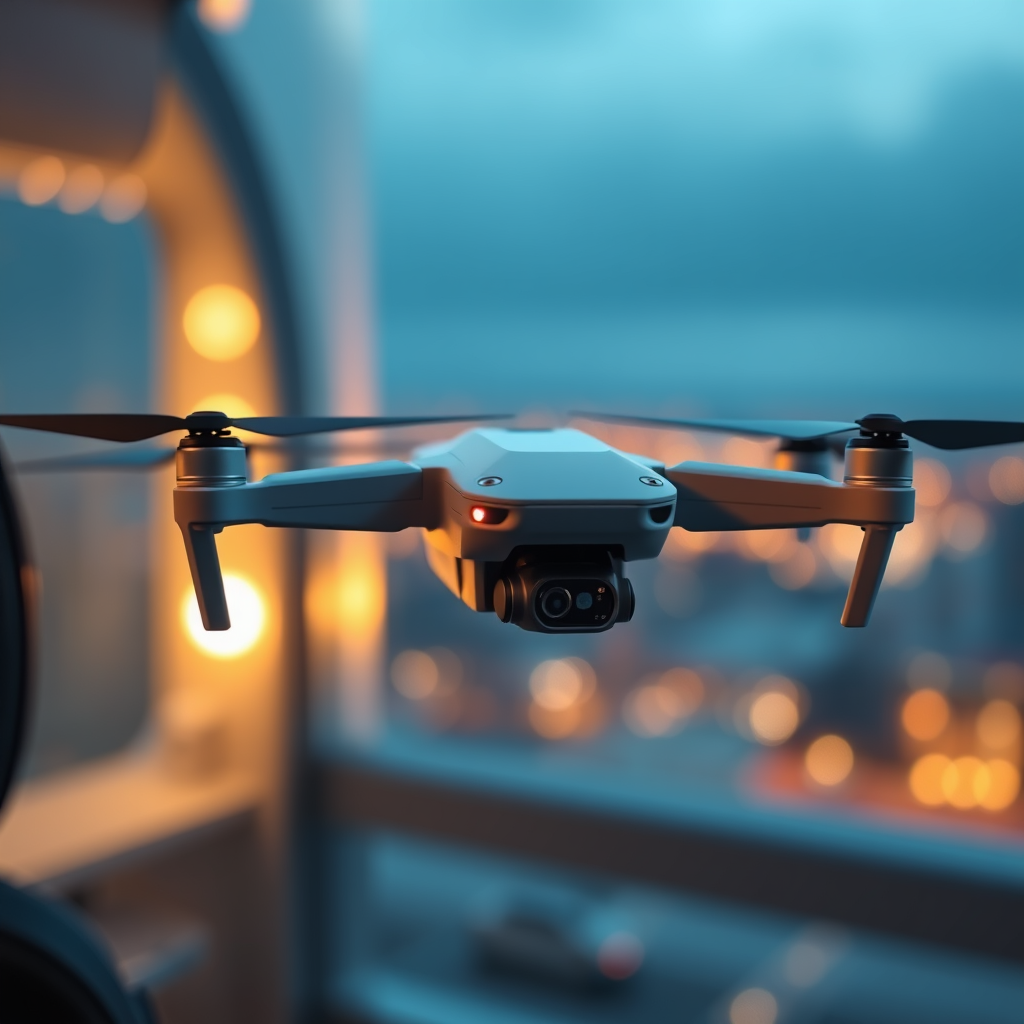
Yes, you can fly with a drone on a plane, but there are specific regulations and guidelines you must follow to ensure a safe and legal journey. Traveling with your drone involves understanding airline policies, TSA regulations, and international laws, as well as taking necessary precautions to protect your equipment. This article explores the key considerations, regulations, and tips for traveling with your drone to make your experience as seamless as possible.
Understanding Airline Policies
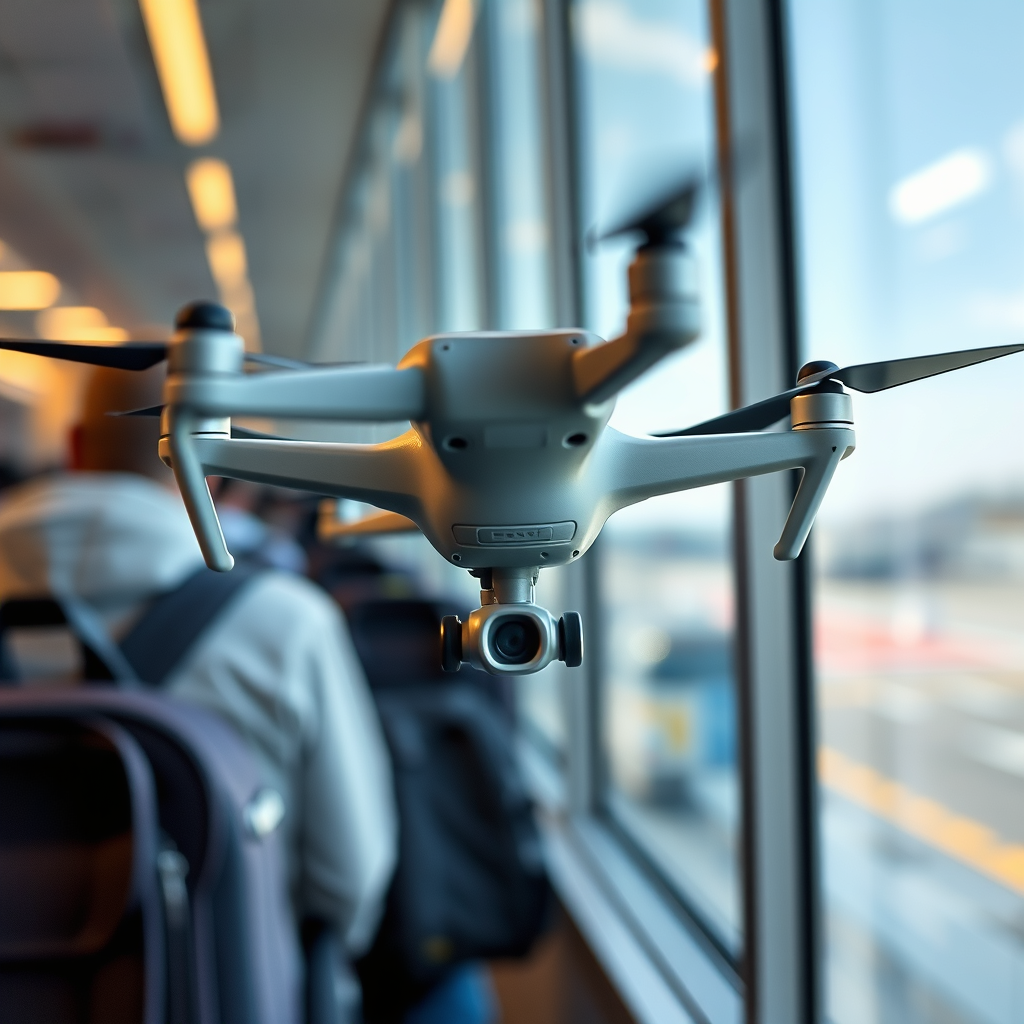
When preparing to travel with a drone, the first step is to consult the specific policies of the airline you will be flying with. Each airline has its own set of rules regarding the transport of drones, and these policies can vary significantly. For instance, some airlines may allow drones only in carry-on luggage, while others might have restrictions on the size or weight of the drone.
Before booking your flight, it’s advisable to visit the airline’s website or contact their customer service for clarification. Airlines like Delta, American Airlines, and United have specific guidelines that can include restrictions on battery size and the type of drone allowed. Most airlines prefer drones to be packed in carry-on luggage rather than checked bags to minimize the risk of damage and ensure compliance with safety regulations.
TSA Regulations for Drones
The Transportation Security Administration (TSA) has established guidelines for traveling with drones within the United States. Drones are allowed in carry-on luggage, but travelers should be prepared for potential inspections at security checkpoints. It’s essential to ensure that your drone is easily accessible for TSA agents, as they may want to examine your device more closely.
Additionally, special attention must be given to the storage of batteries. Loose lithium batteries are prohibited, and the TSA recommends that they be stored in their original packaging or in a separate, protective case. For lithium batteries with a capacity of over 100 watt-hours, travelers may be required to obtain special approval before they can be brought on board. Knowing these regulations ahead of time can streamline your security experience at the airport.
International Travel Considerations
When traveling internationally with your drone, it is crucial to familiarize yourself with the drone regulations in the country you are visiting. Different countries have varying laws regarding drone use, which can include registration requirements, permits, and specific operational restrictions. For instance, countries like Canada and Australia have stringent regulations that require drone operators to register their devices and obtain permits before flying.
Researching local drone laws well in advance of your trip can save you from potential fines and legal issues. Websites like the International Civil Aviation Organization (ICAO) or local aviation authority websites can provide comprehensive information on the regulations in the destination country. Moreover, consider reaching out to local drone communities or forums for insights regarding the current landscape of drone regulations in your intended location.
Battery Safety Tips
Battery safety is a critical aspect of traveling with a drone. Lithium batteries, which are commonly used in drones, can pose a fire hazard if not handled properly. To comply with airline regulations and ensure safety during your travels, follow these essential battery safety tips:
– Original Packaging: Carry spare batteries in their original packaging or a protective case to prevent short-circuits. Some airlines may require that terminals are taped to prevent accidental activation.
– Watt-Hour Limits: Most airlines allow batteries with a watt-hour rating of up to 100 watt-hours in your carry-on luggage without special permission. Batteries rated between 100 and 160 watt-hours typically require airline approval. Always check the watt-hour rating, which is usually indicated on the battery itself.
– Quantity Limits: Airlines often limit the number of spare batteries allowed, so be sure to verify the specifics with your airline to avoid any surprises at the airport.
Preparing Your Drone for Travel
Proper preparation of your drone before travel is essential to ensure its safety and functionality upon arrival. Here are some best practices to follow:
– Remove Propellers: Take off the drone propellers and store them separately. This not only helps to prevent damage to the drone but also makes packing more manageable.
– Protective Case: Invest in a high-quality protective case designed specifically for your drone model. A sturdy case will shield your drone from physical impacts and environmental factors during transit, ensuring it arrives at your destination in optimal condition.
– Check Functionality: Before you travel, confirm that your drone is in good working order. Perform a quick test flight if possible, and ensure all components are functioning correctly.
Drone Insurance and Liability
As a drone operator, particularly when flying internationally, considering liability insurance is a prudent choice. Drone insurance can provide coverage for accidents, damage, or theft, which can be especially important when traveling in unfamiliar territories. Some countries have strict regulations regarding drone usage, and violating these laws can result in hefty fines or legal repercussions.
Before your trip, research insurance options that specifically cover drone-related incidents. Companies like Verifly and Skywatch offer drone insurance tailored to the needs of travelers. Understanding your liabilities while operating a drone abroad will allow you to enjoy your flying experience with peace of mind.
Best Practices for Flying Drones After Arrival
Once you’ve arrived at your destination and ensured compliance with local regulations, it’s time to prepare for flying your drone. Familiarizing yourself with local drone laws and no-fly zones is critical. Many urban areas have strict regulations that prohibit drone operations in certain locations, such as near airports, government buildings, and crowded public spaces.
It’s also essential to respect the privacy of others and follow safety guidelines to avoid accidents or conflicts. Engage with local drone communities or forums to gain insights into the best flying spots and practices specific to your destination. Lastly, always have a contingency plan in case of adverse weather conditions or unexpected changes in local regulations.
In conclusion, flying with a drone on a plane is certainly feasible, but it requires careful planning and adherence to various regulations. By understanding airline policies, complying with TSA rules, and familiarizing yourself with local laws at your destination, you can ensure a smooth travel experience with your drone. Remember to prioritize battery safety, prepare your drone adequately, consider insurance, and respect local drone regulations to enhance your flying experience. Happy flying!
Frequently Asked Questions
Can you take a drone on a plane as carry-on luggage?
Yes, you can take a drone on a plane as carry-on luggage, but there are specific guidelines to follow. Most airlines allow small drones in your carry-on bag, but it’s essential to check the airline’s policy regarding size, battery capacity, and other restrictions. Make sure to remove the drone’s battery and store it in your carry-on, as lithium batteries must adhere to safety regulations.
What are the regulations for flying a drone at your destination?
Before flying your drone at your destination, it’s crucial to familiarize yourself with local drone regulations. These may vary by country or region and can include restrictions on where you can fly, altitude limits, and the need for permits or licenses. Websites like the FAA in the United States or equivalent authorities in other countries provide up-to-date information on drone laws, so it’s wise to do research before your trip.
How do you pack a drone for air travel?
To pack a drone for air travel, first, remove the battery and store it separately in your carry-on luggage, as most airlines have strict rules regarding lithium batteries. Use a padded case or a backpack designed for drones to protect the device from damage during transit. Additionally, ensure that all propellers are secured and that the drone is clean and free from dirt or debris to avoid complications during security checks.
Why do airlines have restrictions on flying with drones?
Airlines impose restrictions on flying with drones primarily for safety and security reasons. Drones can pose a risk if they malfunction during the flight or if batteries catch fire, leading to potential hazards in the cabin. Furthermore, the need to comply with local laws and regulations regarding drone use contributes to these restrictions, ensuring that passengers are aware of where and how they can operate drones safely.
Which airlines are most drone-friendly for travelers?
While many airlines accept drones as carry-on items, some are recognized for being particularly drone-friendly. Airlines such as Delta, American Airlines, and Southwest have established clear guidelines for traveling with drones, making it easier for passengers. Always check the specific airline’s website for their latest policies on drone travel to avoid any last-minute issues at the airport.
References
- https://en.wikipedia.org/wiki/Drone_flight
- https://www.faa.gov/uas/travel/
- https://www.tsa.gov/travel/security-screening/whatcanibring/items/drone
- https://www.nytimes.com/2021/07/20/travel/drone-carry-on-airplane.html
- https://www.reuters.com/business/aeroplanes-drones-can-you-take-them-on-airplanes-2021-07-20/
- https://www.govinfo.gov/content/pkg/FR-2016-10-25/pdf/2016-25436.pdf
- https://www.ama-assn.org/delivering-care/public-health/drones-and-public-health
- https://www.nasa.gov/mission_pages/UAS/airspace/information.html
