
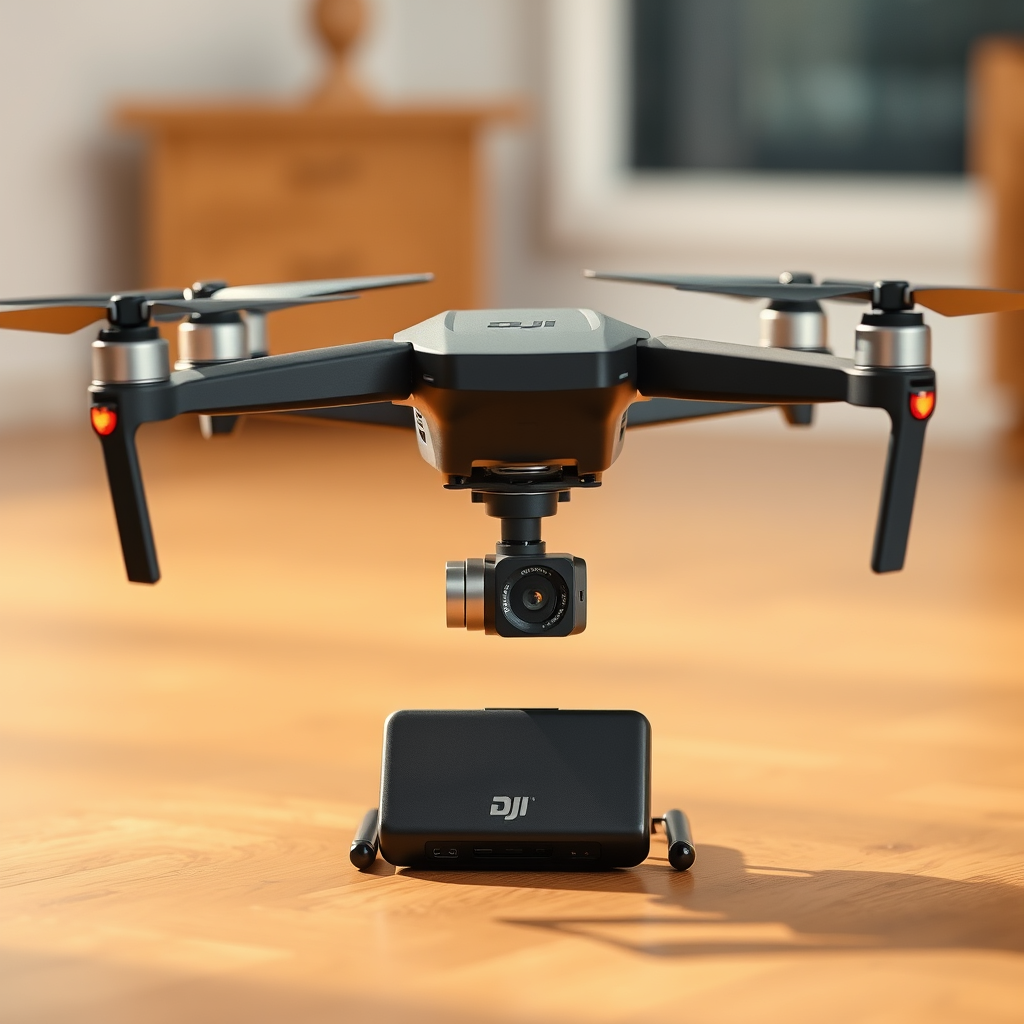
Yes, you can fly with DJI drone batteries, but there are important regulations and safety considerations to keep in mind. As a drone enthusiast or professional, it’s essential to understand the rules surrounding the transportation and usage of these lithium-ion batteries to ensure a seamless flying experience. This article will outline the key factors you need to know when flying with DJI drone batteries, from regulatory compliance to safety tips, ensuring you are well-prepared for your next flight.
Understanding Battery Regulations
When it comes to flying with DJI drone batteries, it is critical to recognize that different countries enforce varying regulations regarding the transport of lithium batteries. In many jurisdictions, including the United States, the Federal Aviation Administration (FAA) provides guidelines that are particularly stringent. Similarly, the International Air Transport Association (IATA) has established rules that airlines and freight carriers must adhere to, which can differ significantly based on the destination.
Before your travel, take the time to research and understand the regulations applicable in your departure and arrival countries. For instance, some countries may impose limitations on battery watt-hours (Wh) or may require specific declarations when passing through customs. Additionally, be aware that airlines themselves may have unique policies regarding battery capacity and quantity, which is why checking the airline’s official website or contacting their customer service is advisable.
Battery Capacity Limits
Battery capacity is a pivotal factor when flying with DJI drone batteries. Most airlines permit lithium batteries with a capacity of under 100Wh to be transported in carry-on luggage without requiring special permissions. This is a significant advantage for hobbyists and professionals alike, as it facilitates easy access to spare batteries during flights.
However, if your batteries fall within the 100Wh to 160Wh range, additional considerations come into play. These batteries generally require special permission to be transported, and some airlines may limit the number of such batteries you can carry. For example, travelers flying on international routes may be restricted to two batteries in this capacity category for safety reasons. It’s crucial to verify your specific battery ratings, as exceeding these limits can lead to confiscation or fines.
Packaging and Labeling Requirements
Proper packaging and labeling of DJI drone batteries are paramount to ensure compliance with safety regulations. Batteries should be packaged in a manner that prevents short-circuiting, which can occur if the battery terminals come into contact with conductive materials. To mitigate this risk, consider using battery cases or pouches that are specifically designed for lithium batteries.
Moreover, clear labeling is often mandated to indicate that the items are lithium batteries. Many airlines require that batteries be marked in accordance with IATA guidelines, which typically includes hazard symbols. Utilizing packaging that clearly communicates battery hazards not only adheres to regulations but also enhances safety for all passengers.
Carry-on vs. Checked Baggage
When deciding whether to place your DJI drone batteries in carry-on or checked baggage, it is generally safer to opt for carry-on luggage. Carrying batteries in the cabin allows for immediate access and monitoring, reducing the risk of damage or overheating. Airlines often prohibit lithium batteries in checked baggage due to the potential safety hazards they pose; in the event of a fire, cabin crew can respond more swiftly if the battery is within reach.
For instance, if a battery were to swell or smoke, having it in the cabin allows for quick action. Furthermore, checked baggage can be subjected to rough handling, increasing the likelihood of physical damage to the batteries. Always ensure that your carry-on bag is compliant with airline policies regarding battery transport, as restrictions can vary.
Safety Tips for Traveling with Batteries
Traveling with DJI drone batteries requires a commitment to safety. One of the most effective strategies is to keep batteries at a partial charge, ideally between 30-50%, before your journey. This lower charge level minimizes the risk of ignition and improves safety during transport while still allowing for adequate usage upon arrival.
Additionally, utilizing protective cases is highly advisable to prevent physical damage. Hard-shell cases or padded bags designed for drone batteries can absorb shocks and protect against crushing. It’s also wise to avoid placing batteries next to metal objects that could lead to short-circuiting. Lastly, always carry a fire safety bag or container specifically designed for lithium batteries, especially if you are carrying multiple cells.
What to Do in Case of Battery Damage
Knowing how to handle a damaged battery is essential for safety during travel. Signs of damage can include swelling, leakage, or a strange odor. If you identify any of these signs, it is crucial to refrain from using the battery and to isolate it immediately. Place the damaged battery in a fireproof bag or container, and inform airline staff or emergency personnel without delay.
Familiarizing yourself with emergency procedures for battery incidents is also critical. Many airlines have specific protocols for dealing with battery-related emergencies, which can include the use of fire extinguishers or evacuating passengers in extreme cases. Always have the contact information of local emergency services on hand when traveling, and ensure you understand the emergency procedures of your airline.
In the case of an incident occurring while in flight, remain calm and follow crew instructions, as they are trained to handle such situations. Knowledge of the proper response can make a significant difference in ensuring your safety and the safety of those around you.
In summary, while you can fly with DJI drone batteries, adhering to regulations and safety practices is essential. Always check local and airline-specific guidelines before your trip, and ensure your batteries are packed and labeled correctly. Stay informed and enjoy safe flying!
Frequently Asked Questions
Can I take my DJI drone batteries on a plane?
Yes, you can take your DJI drone batteries on a plane, but there are specific regulations you must follow. Most airlines and aviation authorities, such as the FAA and IATA, allow lithium batteries under 100Wh in carry-on luggage, while larger batteries may require special handling or may not be allowed at all. Always check your airline’s guidelines and ensure your batteries are properly packaged to avoid any issues during security checks.
How should I pack DJI drone batteries for air travel?
To pack DJI drone batteries for air travel, ensure they are stored in their original packaging or protective cases to prevent short-circuiting. Additionally, use battery bags or plastic containers designed for lithium batteries for extra protection. Always keep batteries in your carry-on luggage rather than checked bags, as this reduces the risk of fire hazards associated with lithium batteries.
Why are there restrictions on flying with lithium batteries?
Restrictions on flying with lithium batteries stem from safety concerns, as these batteries can pose a fire risk if damaged or short-circuited. Airlines and regulatory bodies have implemented guidelines to mitigate the risk of thermal runaway, which can lead to fires during a flight. Understanding these regulations helps ensure the safe transport of your DJI drone batteries while complying with airline policies.
What should I do if my DJI drone battery is over 100Wh?
If your DJI drone battery is over 100Wh, you will likely need to seek special permission from the airline before traveling, as most airlines only allow batteries under this threshold in carry-on luggage. Some airlines may allow batteries up to 160Wh with specific conditions, such as a maximum of two batteries per passenger. Be sure to contact your airline for their specific policies and to make any necessary arrangements.
Which DJI drone batteries are allowed on flights?
Most DJI drone batteries, such as those for the Mavic and Phantom series, are generally allowed on flights as long as they are under the 100Wh limit. For example, DJI’s Mavic Air 2 battery is rated at 43Wh, making it compliant with airline regulations. Always check the specifications of your battery before flying and be prepared to provide documentation if needed, especially for larger batteries.
References
- https://www.faa.gov/uas/getting_started/fly_with_drones
- https://www.dji.com/flying-with-drones
- https://www.cdc.gov/nceh/hsb/chemicals/drones.html
- https://www.nerc.org/education/drones/drones-and-batteries
- https://www.aa.com/i18n/travel/baggage/drones-and-batteries.jsp
- https://www.trustpilot.com/review/dji.com
