
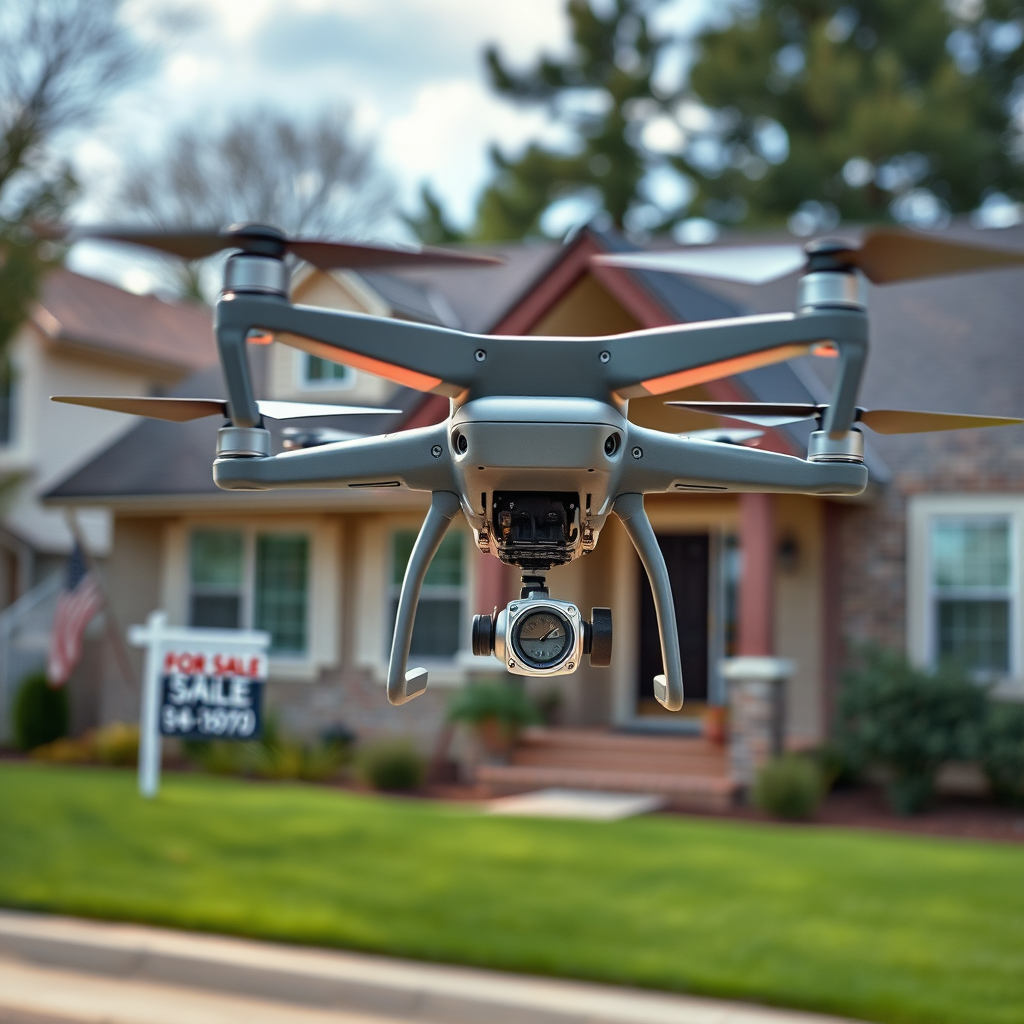
Yes, you can destroy a drone on your property under specific circumstances, but it’s crucial to understand the legal implications and potential consequences involved. As drone technology continues to proliferate, property owners are increasingly confronted with issues surrounding privacy and property rights. This article explores the legality, safety concerns, and recommended actions regarding drones that invade your airspace, providing a comprehensive understanding of your rights and responsibilities.
Understanding Property Rights and Drones
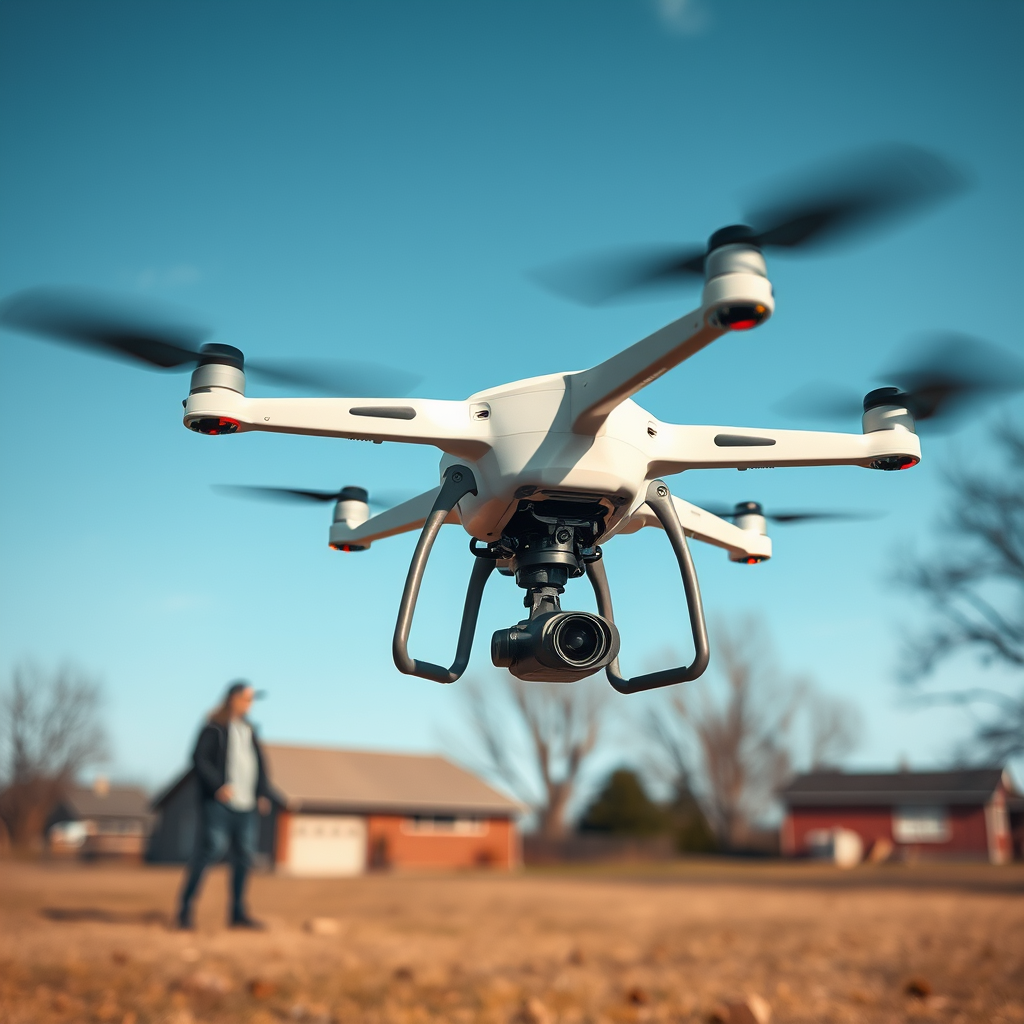
Property owners generally possess a reasonable expectation of privacy and control over their airspace. However, these rights can vary significantly depending on local and federal laws. In many jurisdictions, the airspace directly above a property is considered public, complicating ownership claims. The Federal Aviation Administration (FAA) establishes regulations that govern airspace usage, which includes the operation of drones. In essence, while you may own the land beneath the air, the airspace itself is often subject to regulations that allow for drone traffic, particularly in uncontrolled airspace.
This creates a legal gray area for property owners who may feel that their privacy is being invaded. For example, if a drone is hovering over your backyard and capturing images or videos, you might be justified in feeling aggrieved. However, legally, the drone operator may be operating within their rights if they are adhering to FAA regulations. Thus, understanding the specific laws in your jurisdiction is essential to determining your rights concerning drone activity above your property.
Legal Framework Surrounding Drone Destruction
The legal framework governing the destruction of drones is complex and multifaceted. At the federal level, the FAA has established rules that control the operation of drones, including their use in commercial and recreational activities. While the FAA does not explicitly permit individuals to destroy drones, it also does not provide a legal basis for the unauthorized use of drones in a manner that invades privacy or poses a danger to property.
State laws can complicate matters further. Some states have enacted specific legislation that protects drone operators, while others may provide property owners with the right to take action against drones that intrude upon their privacy. For example, in states like California, laws exist that make it illegal to intentionally interfere with a drone’s operation, which could include acts of destruction. Therefore, before taking any action against a drone, consulting local statutes and regulations is essential to avoid potential legal pitfalls.
Safety Concerns When Dealing with Drones
While the thought of destroying an invasive drone may seem appealing, it is critical to recognize the safety risks associated with such actions. Destroying a drone can result in falling debris, which could potentially harm individuals, pets, or property in the vicinity. Additionally, depending on how the drone is destroyed—whether through firearms, projectiles, or other means—there may be broader safety implications, such as stray bullets or shrapnel causing unintended casualties.
Moreover, one must consider the potential repercussions of causing damage to the drone itself. If the drone belongs to a commercial operator or a law enforcement agency, destroying it could lead to severe legal consequences, including criminal charges and civil liabilities. Therefore, weighing the risks to personal safety and the safety of others is paramount when contemplating the destruction of a drone.
Recommended Actions Before Resorting to Destruction
Before considering drastic measures, it is advisable to take several preliminary steps. Documenting the drone activity is crucial; keep a detailed record of the times, dates, and behaviors of the drone. This documentation can serve as evidence should you choose to pursue legal action or report the drone operator to authorities.
Additionally, attempting to contact the drone operator directly can sometimes resolve the issue amicably. Many drone operators are hobbyists who may not realize they are infringing on someone’s privacy or property rights. If direct communication is not possible or fails, reporting the drone activity to local law enforcement or aviation authorities is a prudent course of action. They can investigate the matter further and take appropriate action if necessary.
Alternatives to Destroying a Drone
Destruction is not the only option available to property owners dealing with intrusive drones. There are several alternatives that can be employed to address the situation legally and safely. One such method is using jamming devices or signal-blocking techniques to disrupt the drone’s operation. However, it is crucial to note that using jamming devices may also be illegal under federal law, as it interferes with radio communications.
Another alternative is to report the drone to authorities for harassment or invasion of privacy. In many cases, law enforcement can take action against drone operators who violate laws or regulations. Additionally, you may consider employing privacy measures, such as installing privacy screens or utilizing landscaping to block the drone’s line of sight to your property.
Consequences of Destroying a Drone
The consequences of destroying a drone can be severe and far-reaching. Legally, you could face potential repercussions, including fines or criminal charges for unlawful destruction of property. Drones are considered personal property, and intentionally damaging or destroying someone else’s property can lead to civil lawsuits. The drone owner may pursue damages for the cost of the drone, which can range from a few hundred to several thousand dollars, depending on the model and its equipment.
Furthermore, if the drone is being operated by a commercial entity or government agency, the ramifications could be even more significant. Legal action could lead to substantial financial penalties, and negative publicity could harm your personal reputation or business standing.
Seeking Legal Advice
Given the complexities surrounding drone laws and property rights, seeking legal advice is highly recommended for anyone considering action against a drone on their property. An attorney who specializes in property or aviation law can provide valuable insights into your specific situation and help you navigate the legal landscape. They can assist in interpreting local laws, advising on potential risks, and outlining your rights and responsibilities effectively.
Understanding your local regulations and the nuances of federal law can empower you to make informed decisions about how to address drone-related issues while minimizing legal risks.
In conclusion, while it may be possible to destroy a drone on your property, it is essential to weigh the legal, safety, and ethical considerations involved. Property owners should explore non-destructive alternatives and seek legal advice to ensure they are protected. By understanding the complexities of drone laws and taking appropriate actions, you can better navigate the challenges posed by intrusive drones and safeguard your rights effectively.
Frequently Asked Questions
Can you legally destroy a drone that is flying over your property?
Legally, you cannot destroy a drone that is flying over your property. In most jurisdictions, drones are considered aircraft, and damaging them can lead to serious legal consequences, including criminal charges and civil liability. Instead of resorting to destruction, it is advisable to report the drone to local authorities or law enforcement if it poses a threat or invades your privacy.
What should I do if a drone is hovering over my property without permission?
If a drone is hovering over your property without permission, the first step is to assess the situation. If the drone is invading your privacy or poses a safety risk, document the incident with photos or videos and contact local law enforcement. They can investigate whether any laws are being violated regarding privacy or airspace regulations.
Why are drones flying over my property, and what can I do about it?
Drones may fly over your property for various reasons, such as photography, surveillance, or recreational purposes. If you find their presence intrusive, you can take steps to protect your privacy by discussing the matter with your neighbors or notifying local authorities. Additionally, familiarize yourself with local drone regulations to understand your rights and any actions that can be taken against unauthorized drone use.
What are the best ways to deter drones from flying over my property?
To deter drones from flying over your property, consider installing privacy screens, using anti-drone technology, or planting tall trees or shrubs. Additionally, displaying signs that indicate private property and the prohibition of drone use can help communicate your boundaries. Engaging with local drone enthusiasts and communities can also help foster a respectful environment regarding drone operations.
Which laws govern drone usage in my area, and how can I learn about them?
Drone usage is governed by a combination of federal, state, and local laws. In the United States, the Federal Aviation Administration (FAA) regulates airspace and drone operations. To learn about specific laws in your area, visit your local government’s website or the FAA’s website for guidance. Additionally, you can check for state-specific drone laws, as some states have enacted their own regulations regarding drone usage and privacy.
References
- https://en.wikipedia.org/wiki/Drone#Legal_issues
- https://www.faa.gov/uas/getting_started/part_107
- https://www.theguardian.com/us-news/2022/jun/15/drone-privacy-rights-property
- https://www.nytimes.com/2021/02/19/us/drones-property-rights.html
- https://www.aclu.org/issues/free-speech/information-privacy/drones-and-privacy
- https://www.nolo.com/legal-encyclopedia/flying-drones-your-property-what-know-32206.html
- https://www.fcc.gov/consumers/guides/drones-and-privacy
- https://www.shrm.org/resourcesandtools/hr-topics/technology/pages/drone-privacy.aspx
