

Yes, you can fly a drone over residential houses, but there are specific regulations and guidelines you need to follow to ensure safety and compliance. Understanding the laws governing drone usage is essential for responsible flying, as it not only protects you from legal repercussions but also respects the rights and privacy of your neighbors. In this article, we will delve into various aspects of drone operation over residential areas, discussing regulations, privacy concerns, safe flying practices, and more, to help you navigate this exciting but complex landscape.
Understanding Drone Regulations
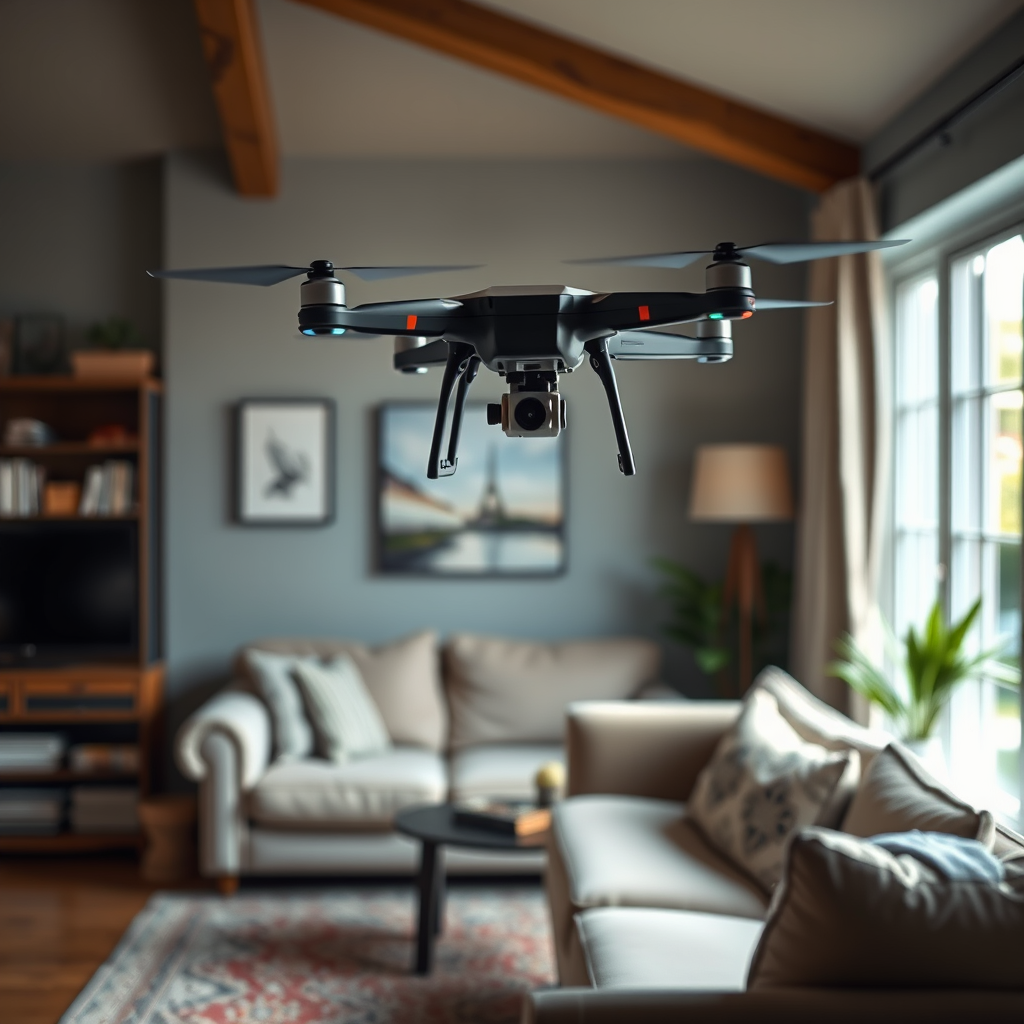
The Federal Aviation Administration (FAA) is the primary regulatory body overseeing airspace in the United States, and they have established a comprehensive framework for drone operation. According to FAA regulations, drones must be flown below 400 feet, and operators must maintain visual line of sight with their drones at all times. Additionally, drones cannot be flown over people unless the operator has obtained a waiver, which is more stringent for residential areas due to the potential for accidents.
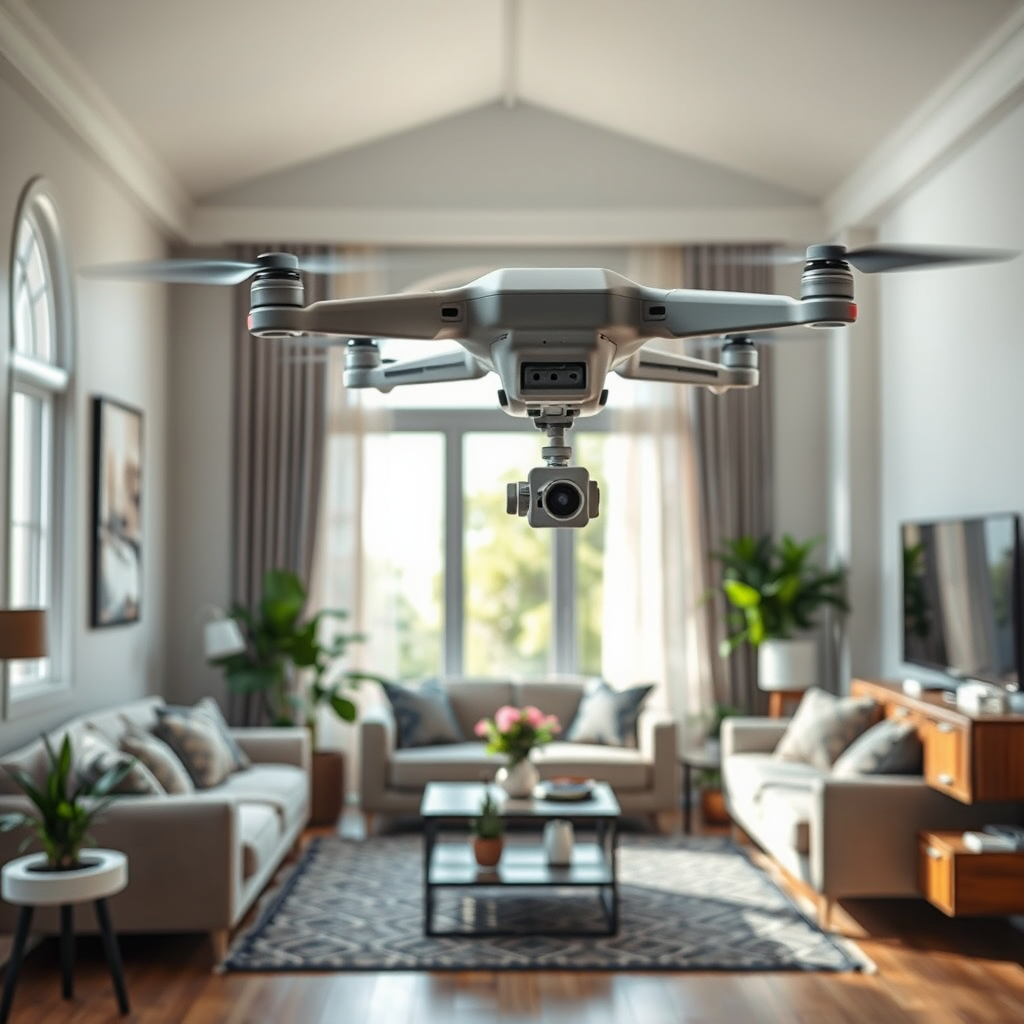
Local laws may impose additional restrictions that vary from one municipality to another. For instance, some cities may have enacted ordinances that specifically prohibit flying drones in residential neighborhoods or near schools and parks. Therefore, it is crucial for drone operators to check local regulations before taking flight. Resources such as municipal websites, community forums, and local law enforcement can provide valuable insights into area-specific rules.
Privacy Concerns
Flying a drone over residential areas can quickly lead to privacy issues for homeowners. The presence of a drone overhead may make individuals feel uncomfortable or violated, especially when the drone is equipped with cameras. This perception can lead to potential legal action based on invasion of privacy claims.
In many states, privacy laws protect individuals from being surveilled without their consent. Therefore, it is advisable to be aware of the potential for legal repercussions if your drone captures images or video of private property or individuals without permission. Being respectful and considerate of your neighbors’ privacy can prevent conflict and promote a more harmonious community atmosphere.
Safe Flying Practices
Safety should always be a top priority when flying drones, particularly in residential areas where people and property are in close proximity. Maintaining a safe distance from individuals and structures is critical to avoid accidents that could result in injury or damage. The FAA advises a minimum distance of 25 feet from people, though greater distances are preferable in populated areas.
Additionally, always keep your drone within visual line of sight during flight. This is not only a legal requirement but also a safety measure that allows you to respond quickly to any unexpected situations, such as a sudden change in weather or an unexpected obstacle. Investing in quality drones with advanced safety features, such as obstacle avoidance technology, can further enhance safety during operation.
No-Fly Zones
Familiarizing yourself with no-fly zones is essential for responsible drone operation. Certain areas, such as those near airports, military bases, and national parks, are designated as restricted airspace where drone flying is prohibited. Violating these regulations can lead to fines and legal action.
The FAA offers various tools and resources to help drone operators identify no-fly zones. Apps like B4UFLY and UAV Forecast provide real-time information about airspace restrictions and help you plan your flights accordingly. Always check these resources before taking off to ensure you are not inadvertently flying in a restricted area.
Obtaining Permission
In some cases, it may be wise or even necessary to seek permission from homeowners before flying your drone over their properties. This respectful approach can help foster goodwill and understanding within your community. Many drone operators find that simply asking for permission can lead to positive interactions and even opportunities to collaborate on projects, such as aerial photography for community events.
When approaching a homeowner, it is crucial to communicate clearly about your intentions and the nature of your flight. Providing information about the drone’s capabilities, the purpose of your flight, and the safety measures you will implement can alleviate concerns and help build trust.
Liability and Insurance
As a responsible drone operator, it is vital to consider the implications of liability and insurance. Accidents can occur, and if your drone causes damage to property or injures someone, you could be held legally responsible. Therefore, obtaining liability insurance for your drone operations is a prudent step.
Several insurance companies offer drone insurance tailored to different needs, covering damages, personal liability, and even theft. Understanding the legal implications of your drone operations and being prepared with appropriate coverage can protect you from financial loss and provide peace of mind while flying.
Best Practices for Responsible Drone Use
Staying informed about changing laws, community guidelines, and best practices surrounding drone use is essential for all operators. The drone landscape is continually evolving, with new regulations and technologies emerging regularly. By keeping abreast of these developments, you can ensure your flying practices remain compliant and safe.
Joining local drone flying groups or online forums can also be beneficial. These communities provide platforms for sharing knowledge, experiences, and tips with other enthusiasts. Networking with other drone operators can enhance your flying skills and increase your understanding of responsible drone use.
In conclusion, while it is generally permissible to fly a drone over residential houses, it’s vital to adhere to legal regulations, prioritize safety, and respect the privacy of others. Understanding the intricacies of drone operation can help you navigate the challenges and responsibilities that come with flying in residential areas. By staying informed, practicing safe flying, and fostering positive relationships with your community, you can enjoy the benefits of drone flying while ensuring a positive experience for yourself and those around you.
Frequently Asked Questions
Can you legally fly a drone over residential houses?
Yes, you can legally fly a drone over residential houses in many areas, but it is subject to specific regulations set forth by the Federal Aviation Administration (FAA) in the United States. Pilots must adhere to guidelines such as maintaining a visual line of sight, flying below 400 feet, and not flying over people without a proper waiver. Additionally, local laws and homeowners’ association rules may impose further restrictions, so it’s essential to check those before flying your drone.
What are the privacy concerns when flying a drone over homes?
Flying a drone over residential houses raises significant privacy concerns, as homeowners may feel their personal space is invaded. Many states have laws that protect individuals from intrusive surveillance, which can include drone flights. It’s essential to respect other people’s privacy and avoid capturing images or videos of private property without consent, as this could lead to legal repercussions or conflict with neighbors.
How can I ensure I’m flying my drone responsibly over residential areas?
To fly your drone responsibly over residential areas, always follow the FAA regulations and local laws, maintain a safe distance from people and property, and avoid flying over sensitive areas such as schools or hospitals. Additionally, consider notifying neighbors beforehand, especially if you’re capturing images or videos, to foster goodwill and address any concerns they might have regarding privacy or noise.
What should I do if a neighbor complains about my drone flying over their house?
If a neighbor complains about your drone flying over their house, it’s best to approach the situation calmly and respectfully. Open a dialogue to understand their concerns and explain your intentions for flying the drone. If necessary, consider adjusting your flight plans to accommodate their comfort, such as avoiding flying directly over their property in the future or flying at different times when noise may be less of an issue.
Which drones are best for flying over residential areas?
The best drones for flying over residential areas are those that are quiet, lightweight, and equipped with advanced safety features. Models like the DJI Mini 2 or the DJI Mavic Air 2 are popular choices due to their compact design, excellent camera quality, and relatively low noise levels. Additionally, ensure your drone has features such as GPS tracking and obstacle avoidance to enhance safety while flying in populated areas.
References
- https://en.wikipedia.org/wiki/Drone#Regulation
- https://www.faa.gov/uas/getting_started/registration
- https://www.faa.gov/uas/resources/policies_regulations/
- https://www.nytimes.com/2021/04/19/technology/drones-regulation.html
- https://www.reuters.com/article/us-usa-drones-regulation-idUSKBN2A12H4
- https://www.wired.com/story/drone-laws-regulations-safety/
- https://www.nolo.com/legal-encyclopedia/drone-laws-what-you-need-know-29526.html
- https://www.ku.edu/academic-affairs/office-of-the-chancellor/faq/drone-faqs.html
- https://www.nps.gov/articles/what-are-the-rules-about-flying-drones-in-national-parks.htm
