
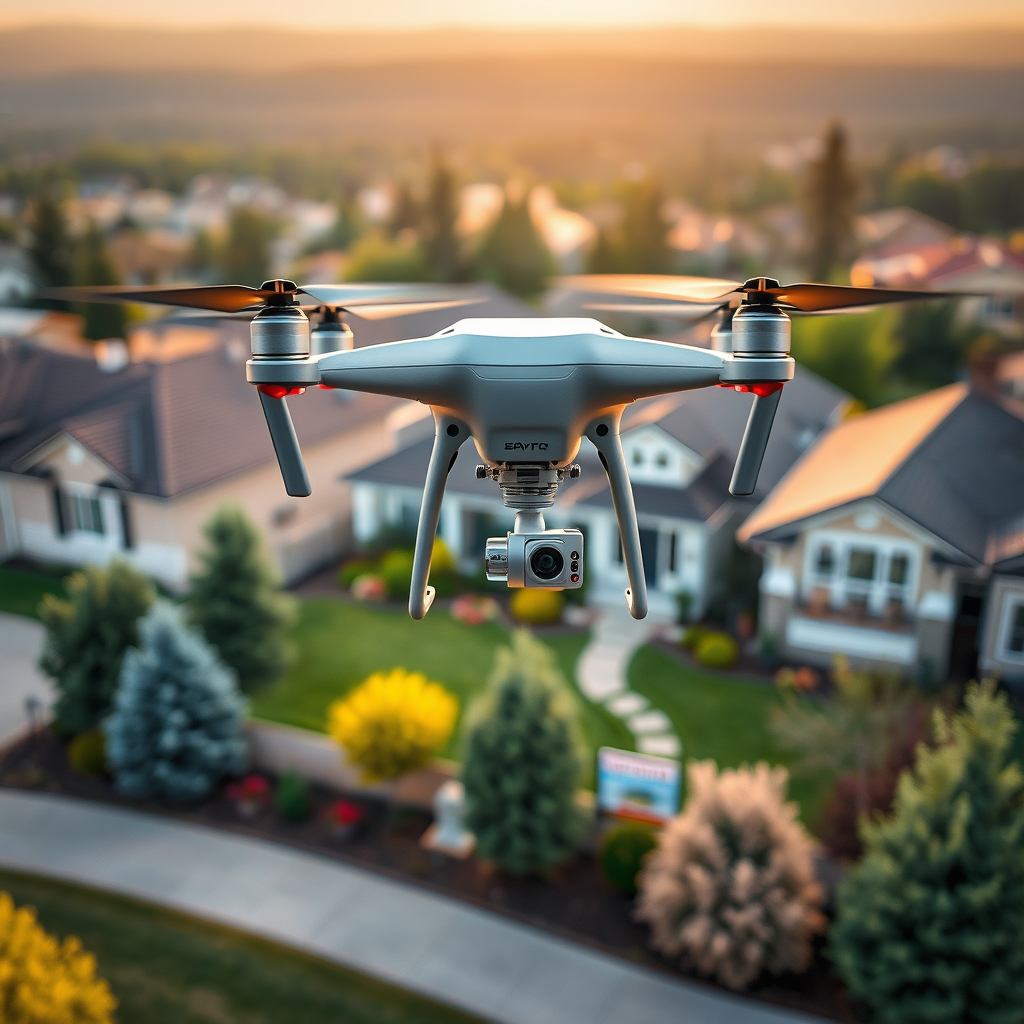
Yes, you can generally fly a drone over your property in Oregon, provided you adhere to federal and state regulations. The legal landscape surrounding drone use is multifaceted, encompassing various laws and guidelines that govern airspace, privacy, and safety. Understanding these rules is crucial for drone operators to ensure that their flying activities remain compliant while maximizing the benefits of this technology.
Understanding Federal Drone Regulations
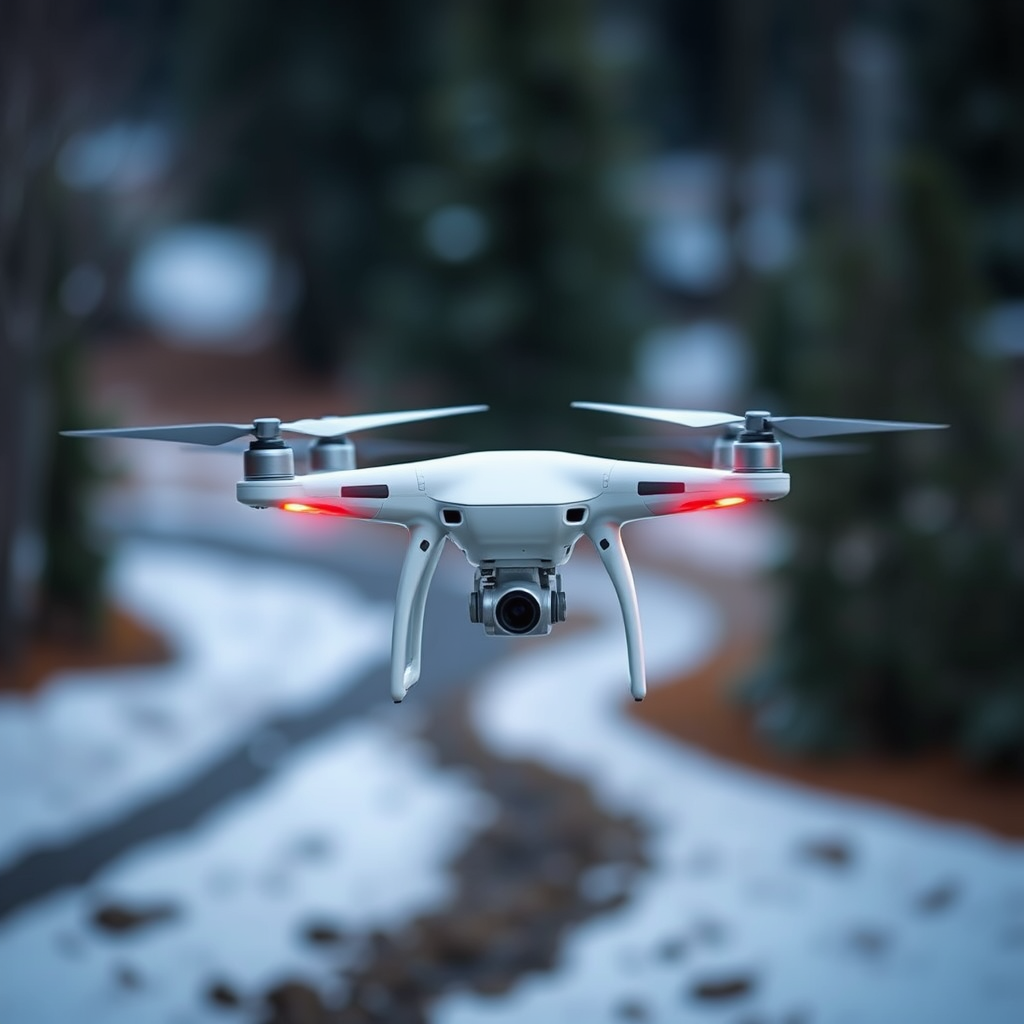
The Federal Aviation Administration (FAA) is the primary regulatory body overseeing drone operations in the United States, including Oregon. Under FAA regulations, all drone pilots must adhere to specific guidelines to operate legally. One of the most significant requirements is that pilots must register their drones if they weigh more than 0.55 pounds (approximately 250 grams). Registration can be completed online and requires the pilot to provide their contact information, which the FAA uses to maintain records of drone ownership.
In addition to registration, drone pilots must adhere to the FAA’s Part 107 regulations if they are flying for commercial purposes. These regulations stipulate requirements such as obtaining a Remote Pilot Certificate, maintaining a maximum altitude of 400 feet, and ensuring that the drone remains within the visual line of sight at all times. Recreational flyers, while not required to obtain a Remote Pilot Certificate, must still follow the safety guidelines outlined by the FAA, including flying only for recreational purposes and adhering to operational limits to ensure safety and compliance.
Oregon State Drone Laws
In addition to federal regulations, Oregon has its own set of laws governing drone operations. Oregon’s drone laws are primarily enshrined in state statutes that address issues such as airspace use, privacy, and safety. The Oregon Department of Transportation (ODOT) provides guidelines for drone operators and emphasizes the need for compliance with both state and federal laws.
Local jurisdictions in Oregon may impose additional restrictions on drone use, particularly concerning privacy and safety. For instance, cities such as Portland have implemented specific ordinances that regulate drone operations in public parks and near sensitive areas, such as schools and hospitals. It is essential for drone operators to familiarize themselves with the laws in their local area to avoid any unintentional violations that could lead to fines or legal repercussions.
Moreover, Oregon law also prohibits the use of drones for certain activities, such as hunting or fishing, and restricts the use of drones in areas where they could interfere with emergency responders or firefighting operations. Understanding these local nuances is critical for any drone pilot operating in the state.
Property Rights and Airspace
One common misconception regarding drone operations is the extent of property rights related to airspace. Landowners do have rights to the airspace above their property, but these rights are limited. The FAA retains authority over navigable airspace, which generally includes airspace above 500 feet. Therefore, while you may fly a drone over your property, you must comply with FAA regulations that govern airspace use.
Additionally, the concept of “navigable airspace” means that the FAA controls the airspace for the safety of air traffic. If a drone is flown in a manner that interferes with manned aircraft operations, the FAA has the authority to take enforcement action against the drone pilot. Therefore, it is imperative to understand the vertical limits of your property rights and the corresponding FAA regulations to avoid legal issues.
Privacy Considerations
Privacy is a significant concern for many drone operators, particularly when flying over neighboring properties. In Oregon, as in other states, there are laws regarding the invasion of privacy that drone pilots must consider. Although you are generally allowed to fly over your property, capturing images or videos of individuals on private property without their consent could lead to legal complications.
For instance, Oregon’s invasion of privacy laws prohibit the use of electronic devices to capture images of individuals in situations where they have a reasonable expectation of privacy, such as in their homes or backyards. Therefore, drone operators should exercise caution and be mindful of the images they capture during their flights. To mitigate potential privacy issues, it is advisable to avoid flying over private properties without permission or to ensure that any captured content does not infringe upon others’ privacy rights.
Recommended Safety Practices
To ensure a safe and legal flying experience, drone operators should adhere to several recommended safety practices. First and foremost, always maintain visual line-of-sight with your drone. This means that you should be able to see your drone at all times without the aid of visual enhancement devices, such as binoculars. Maintaining visual contact helps you navigate safely and avoid potential collisions.
Additionally, avoid flying near airports or restricted airspace. The FAA provides tools such as the B4UFLY app, which allows drone operators to check for airspace restrictions and advisories in real-time. Familiarizing yourself with local airspace regulations and using these tools can help minimize risks associated with flying near manned aircraft.
Moreover, consider conducting a pre-flight checklist to ensure that your drone is in optimal condition before taking off. Regularly check battery levels, inspect propellers for damage, and ensure that all systems are functioning correctly. By adopting these safety practices, you can enhance your flying experience while prioritizing safety and compliance.
Consequences of Non-Compliance
Violating drone laws can lead to serious consequences, including fines, penalties, and loss of flying privileges. The FAA has the authority to impose civil penalties for non-compliance with regulations, and these penalties can range from hundreds to thousands of dollars, depending on the severity of the violation. Additionally, local jurisdictions may impose their own fines and enforcement actions for violations of state or municipal drone laws.
Understanding local laws and regulations is crucial to avoiding legal complications. Staying informed about changes in legislation and best practices for drone operation can help mitigate risks. Engaging with local drone clubs or organizations can also provide valuable insights and support for staying compliant and informed.
In summary, while flying a drone over your property in Oregon is generally permissible, it is essential to familiarize yourself with both federal and state regulations, as well as safety and privacy considerations. Always stay informed to ensure a safe and legal flying experience. By adhering to these guidelines, drone operators can enjoy the benefits of this technology while respecting the rights of others and maintaining compliance with the law.
Frequently Asked Questions
Can I legally fly a drone over my own property in Oregon?
Yes, you can legally fly a drone over your own property in Oregon, provided you adhere to federal regulations set by the Federal Aviation Administration (FAA). These regulations include maintaining a line of sight with the drone, flying below 400 feet, and not operating in restricted airspace, such as near airports. Additionally, it’s essential to ensure that you respect privacy laws and avoid flying over neighboring properties without permission.
What are the local regulations for drone use in Oregon?
In Oregon, drone operators must comply with both federal FAA regulations and any state or local laws that may apply. While most regulations are uniform across the country, certain cities or counties may have specific ordinances regarding drone use, such as restrictions on flying in public parks or near specific landmarks. It’s always a good idea to check with local authorities or the Oregon Department of Aviation for any updates or specific regulations that could impact your drone operations.
How high can I fly my drone above my property in Oregon?
In Oregon, as per FAA regulations, you can fly your drone up to a maximum altitude of 400 feet above ground level when operating in uncontrolled airspace. If you are flying near a structure, you may fly above 400 feet, but only within a 400-foot radius of that structure. Always ensure that your drone remains within visual line of sight and follows safety guidelines while flying.
Why do I need to follow FAA rules when flying a drone over my property in Oregon?
Following FAA rules when flying a drone over your property in Oregon is essential for safety, privacy, and legal compliance. The FAA’s regulations are designed to prevent accidents with manned aircraft and ensure that drone operations do not interfere with air traffic. Additionally, adhering to these regulations helps protect the rights of others and minimizes the risk of legal issues related to privacy violations or unsafe flying practices.
What should I do if my neighbor complains about my drone flying over their property in Oregon?
If a neighbor complains about your drone flying over their property in Oregon, it is essential to address the issue calmly and respectfully. First, understand their concerns, which may relate to privacy or safety. You can consider adjusting your flight path, flying at different times, or even discussing your drone activities with them to find a mutually agreeable solution. Keeping open communication can help alleviate tensions and foster a better understanding of drone operations.
References
- https://en.wikipedia.org/wiki/Drone_regulation_in_the_United_States
- https://www.faa.gov/uas/getting_started/part_107
- https://www.oregon.gov/odot/Programs/Pages/Drone.aspx
- https://www.oregon.gov/oha/ERD/Pages/Drone-Use.aspx
- https://www.nbcnews.com/news/us-news/drone-laws-oregon-rcna136803
- https://www.cnn.com/2021/11/09/us/oregon-drone-law/index.html
