

Yes, in certain circumstances, property owners may legally shoot down drones that invade their airspace. However, the legality varies by location and context, so it’s essential to understand the laws surrounding this issue to avoid potential legal repercussions. As drone technology continues to advance and their use becomes more widespread, conflicts between drone operators and property owners are becoming increasingly common. This blog post will explore the complex legal landscape regarding shooting drones, delving into federal and state laws, property rights, privacy concerns, and the potential consequences of such actions.
Understanding Drone Laws
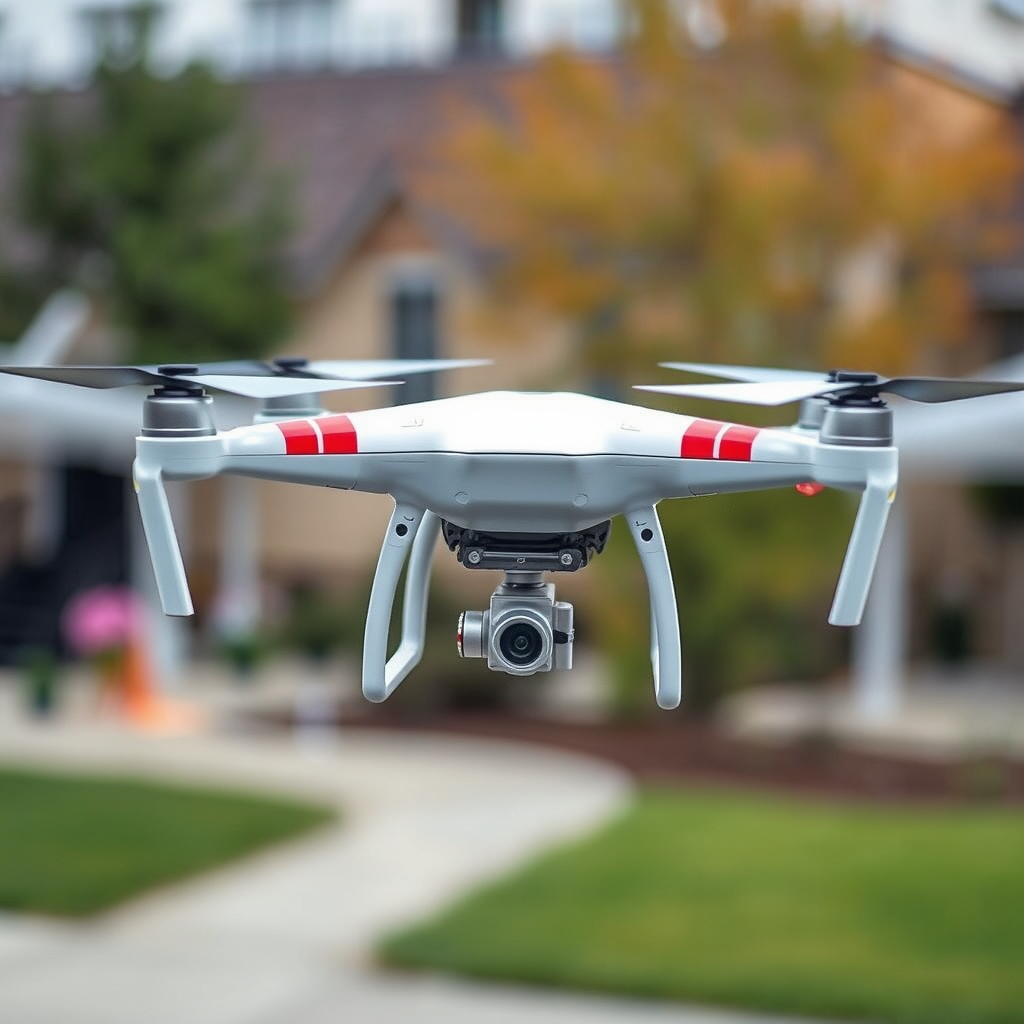
The Federal Aviation Administration (FAA) plays a crucial role in regulating airspace and the use of drones in the United States. Under FAA regulations, drones are classified as Unmanned Aircraft Systems (UAS), and as such, they are subject to strict operational guidelines. While property owners might believe they have the right to defend their airspace, shooting down a drone may violate federal laws, particularly those governing airspace management and aviation safety. The FAA’s jurisdiction extends to the airspace over private property, meaning actions taken to disable a drone could lead to significant legal consequences, including fines or criminal charges.
Moreover, the FAA has established a framework that prioritizes the safe integration of drones into the national airspace. Violating these regulations, even in the name of property rights, can lead to repercussions for property owners. For instance, the FAA has been clear in its stance that individuals should not take the law into their own hands by using weapons to down drones, as this could also pose a risk to public safety.
Property Rights and Airspace
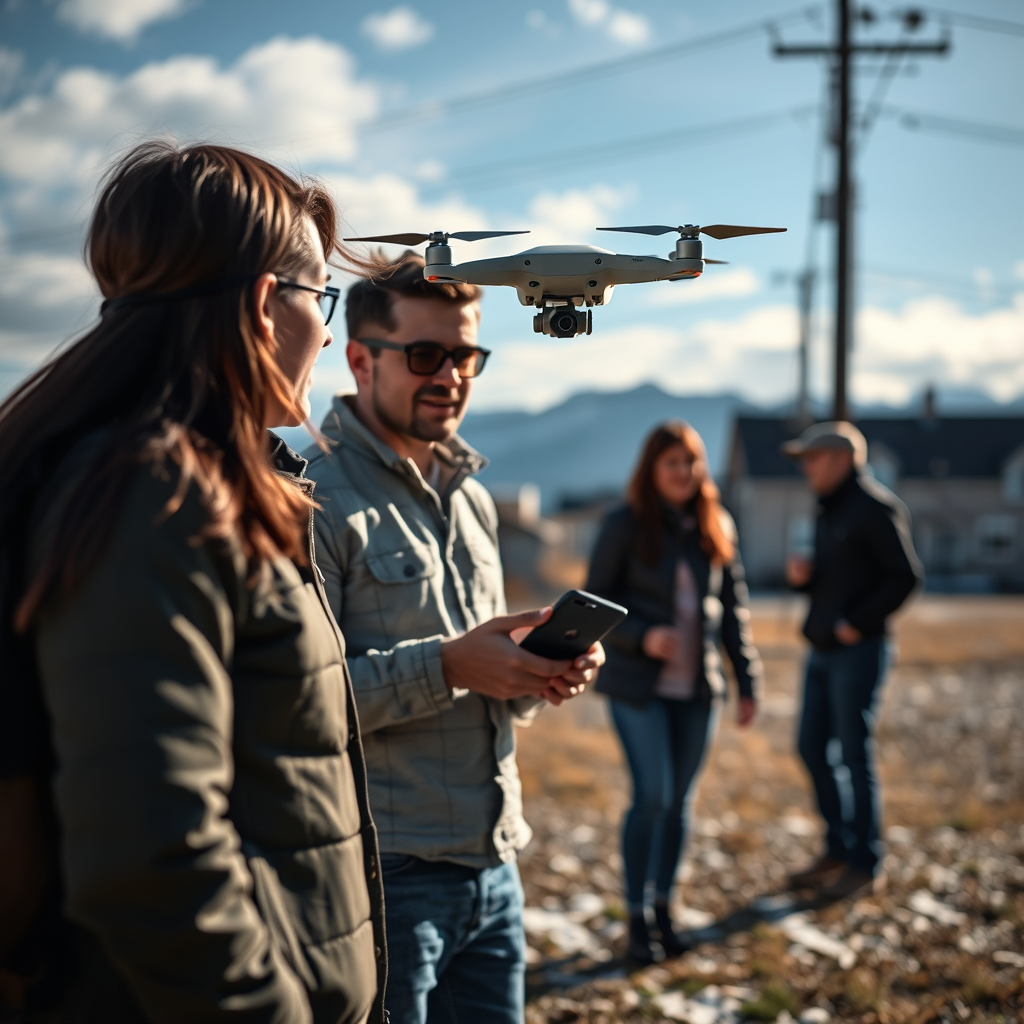
Property owners generally hold certain rights to the airspace above their land, but these rights are not absolute. The concept of “navigable airspace” comes into play, which refers to the airspace above a certain altitude that is open for public use. While property owners may assert rights to the lower airspace, the legal threshold for what constitutes an invasion can vary significantly by jurisdiction. In many cases, the law recognizes that if a drone is operating at a height that is considered navigable or reasonable for aerial vehicles, property owners may have limited recourse.
This complexity means that property owners should be well-informed about their local laws and any relevant state statutes that govern airspace rights. For instance, some states have enacted specific legislation addressing drone use and property rights, which may provide clearer guidelines on what actions can be taken by property owners. Understanding these nuances is crucial before considering any aggressive measures against a drone.
Self-Defense and Privacy Concerns
In certain situations, shooting down a drone may be viewed as an act of self-defense, particularly if the drone poses an immediate threat to personal safety or property. For example, if a drone is being used to harass or intimidate a property owner, the individual may argue that their response was justified. However, the legal definition of what constitutes a threat can be subjective and highly contextual, often requiring a thorough examination of the circumstances surrounding the incident.
Additionally, privacy concerns play a significant role in the discussion around drones. Many drones are equipped with cameras and recording devices, which can infringe upon an individual’s right to privacy. If a drone is found to be capturing images or video of individuals on their property without consent, this could potentially lead to legal action against the drone operator based on privacy laws. However, property owners must tread carefully as responding to perceived privacy violations with extreme measures, such as shooting down the drone, can lead to unintended legal consequences.
Potential Legal Consequences
The act of shooting down a drone can lead to a myriad of legal consequences, both civil and criminal. Property owners who take this action may face civil lawsuits from the drone operator for damages, especially if the drone was being operated legally and within FAA guidelines. Additionally, criminal charges could arise under federal laws pertaining to aviation safety, destruction of property, or even endangerment of public safety.
Moreover, the implications of such actions extend beyond immediate legal repercussions. Insurance companies may refuse to cover damages resulting from unlawful acts, leaving property owners financially liable for any costs incurred. It is vital that property owners fully understand their local laws and consult with legal experts if they are considering any actions against a drone.
Alternatives to Shooting Down a Drone
Before resorting to drastic measures such as shooting down a drone, property owners should consider alternative options for addressing their concerns. One effective approach is to report the drone to local authorities or the FAA. These organizations are equipped to handle complaints regarding drone operations and can investigate potential violations of airspace laws.
Additionally, engaging with the drone operator directly can often resolve issues amicably. Many drone operators are unaware that their drone is trespassing or causing concern, and a simple conversation may lead to a satisfactory resolution. Non-violent measures, such as documenting the drone’s activities or contacting a local attorney to discuss potential legal avenues, can also be effective in addressing grievances.
Case Studies and Legal Precedents
Several notable cases have emerged in recent years where property owners have shot down drones, leading to significant legal outcomes. For instance, a case in 2015 involved a property owner in Kentucky who shot down a drone that was allegedly hovering over his property and recording. The FAA responded by investigating the incident, ultimately indicating that the property owner could face legal consequences for violating federal law.
Such cases highlight the complexities surrounding drone laws and the consequences of taking matters into one’s own hands. The outcomes of these incidents have contributed to the evolving landscape of drone regulations, emphasizing the importance of understanding both property rights and aviation laws. Legal precedents continue to shape the discourse on drone use, urging property owners to consider the ramifications of their actions carefully.
Conclusion
While it may be tempting to shoot down a drone that trespasses over your property, it’s crucial to understand the legal implications and explore alternatives first. The landscape of drone laws is complex, with federal regulations, local statutes, and privacy concerns all playing a significant role in determining the legality of such actions. Property owners should be proactive in educating themselves about drone laws within their jurisdiction and consider reporting concerns to the appropriate authorities rather than resorting to potentially unlawful measures. Ultimately, navigating the intersection of property rights and drone usage requires a careful and informed approach to avoid unintended legal consequences.
Frequently Asked Questions
Can I legally shoot a drone that is flying over my property?
Legally shooting a drone over your property can lead to serious legal consequences. In the United States, shooting down a drone is generally considered illegal, as it falls under laws regarding firearms and property rights. Drones are classified as aircraft, and discharging a firearm at an aircraft is a federal offense, regardless of whether it is on your property. Instead of resorting to violence, it’s recommended to contact local law enforcement if you believe a drone is invading your privacy.
What should I do if a drone is hovering over my property?
If a drone is hovering over your property, the first step is to assess whether it poses a threat to your privacy or safety. You can try to identify the drone’s owner, as many drones have visible markings or serial numbers. If the drone is causing a disturbance or invading your privacy, consider reporting it to local authorities or the FAA. Additionally, it may be helpful to understand local laws regarding drones, as regulations vary by state and municipality.
Why are drones able to fly over my property without permission?
Drones are allowed to fly over private property because they are regulated as airspace by the Federal Aviation Administration (FAA). The FAA has established rules that grant drone operators the right to fly within certain altitudes and distances, typically up to 400 feet above ground level. While property owners have rights to their land, this does not extend to the airspace above it in most cases, making it legal for drones to fly overhead as long as they comply with FAA regulations.
What are the best ways to protect my privacy from drones?
To protect your privacy from drones, consider installing privacy screens or shrubbery to obstruct the view from above. You can also use anti-drone technology, such as signal jammers or drone detection systems, although these may have legal restrictions. Additionally, staying informed about local drone laws and advocating for regulations that protect your privacy can be beneficial. Engaging with your neighbors and community to raise awareness about drone privacy issues is also a proactive approach.
Which laws govern drone usage and property rights in my area?
Drone usage and property rights are governed by a combination of federal, state, and local laws. The FAA regulates airspace and drone operation at the federal level, while states may have specific laws addressing privacy and trespassing concerns related to drones. Local municipalities may also have their own ordinances regarding drone use, such as restrictions on flying in certain areas. It’s essential to research both federal and local regulations to fully understand your rights and the legal landscape surrounding drone usage in your area.
References
- https://en.wikipedia.org/wiki/Drone_regulation_in_the_United_States
- https://www.faa.gov/uas/getting_started/registration
- https://www.faa.gov/uas/law_enforcement/
- https://www.nolo.com/legal-encyclopedia/drone-laws-what-you-need-know-29527.html
- https://www.theguardian.com/technology/2020/feb/24/drone-laws-uk-regulations
- https://www.bbc.com/news/technology-51239907
- https://www.aclu.org/news/free-speech/what-you-need-to-know-about-drone-laws
- https://www.eff.org/deeplinks/2016/09/drone-privacy-and-faa-regulations
- https://www.nytimes.com/2021/01/21/us/drone-laws.html
