
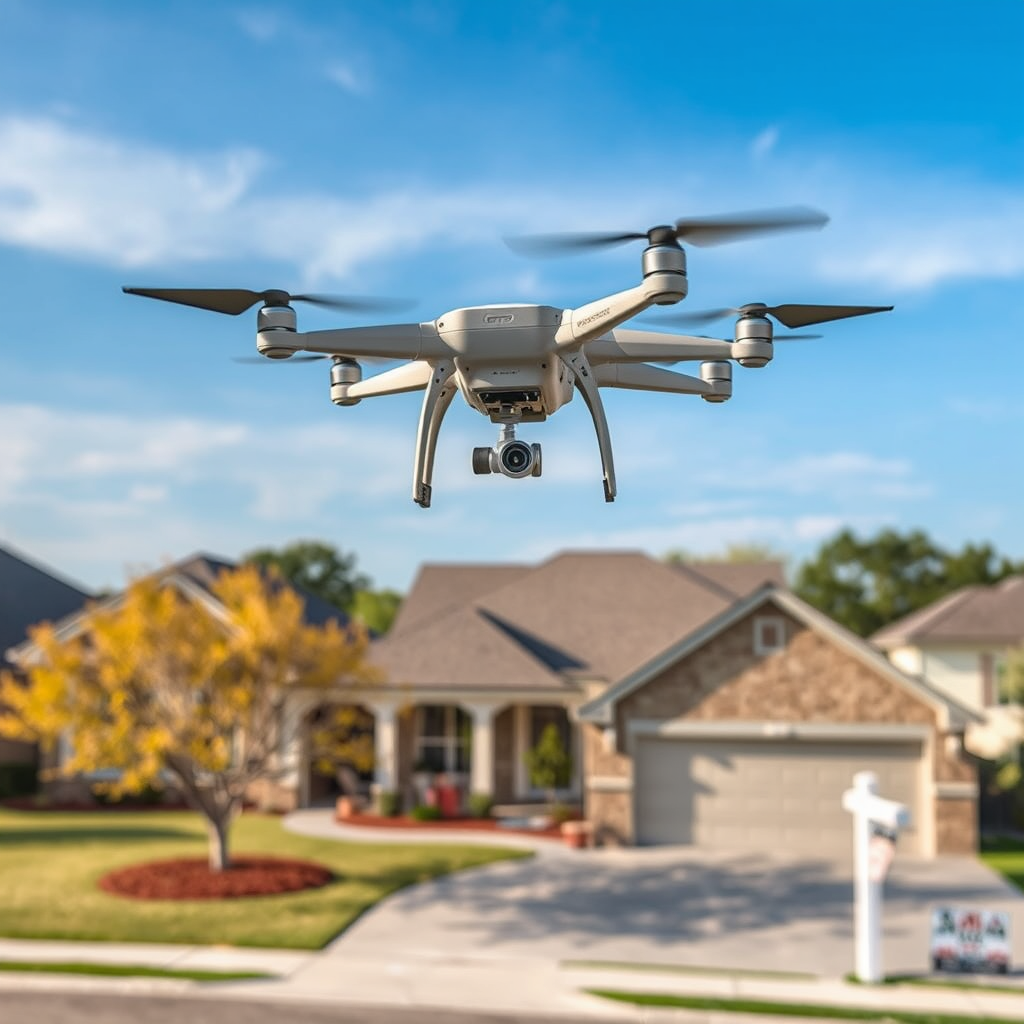
Yes, in Texas, property owners generally have the right to shoot a drone that is trespassing over their property, but there are legal limitations and considerations. While the notion of protecting one’s property is fundamental, the complexities of drone laws and property rights require a thorough understanding to avoid unintended legal consequences. This article will explore the laws surrounding drone use in Texas, property rights, and the implications of using force against drones.
Understanding Property Rights in Texas
Texas law clearly outlines the rights of property owners, including the airspace above their land. According to Texas property law, landowners have rights that extend vertically above their property, enabling them to enjoy and control the space that is directly above. This means that if a drone is operating unlawfully in this airspace, property owners may have grounds to take action against it.
However, before resorting to drastic measures such as shooting a drone, homeowners must ensure that their actions fall within legal boundaries. The principle of reasonable force is key; property owners should be prepared to demonstrate that the drone was indeed trespassing and that their response was proportionate to the perceived threat. This balance is crucial because overstepping legal limits can lead to significant ramifications, both criminally and civilly.
Texas Drone Laws and Regulations
Drone operation in Texas is primarily governed by federal laws established by the Federal Aviation Administration (FAA). The FAA maintains authority over navigable airspace, which can potentially supersede state laws. Under federal regulations, drones must be registered and operated within certain guidelines to ensure safety and compliance.
In addition to federal regulations, Texas has enacted specific laws that address the operation of drones, which include prohibitions on using drones for surveillance in a manner that invades privacy rights. For example, Texas Penal Code Section 423.003 prohibits the use of unmanned aircraft for capturing images in certain situations, such as over private property without consent. This means that while property owners may have rights to protect their airspace, they must also navigate the intricate web of regulations that govern drone usage to avoid infringing on the rights of drone operators.
When Is It Legal to Shoot a Drone?
Shooting a drone may be considered legal if it is deemed to be trespassing or posing a threat to individuals or property. In Texas, a property owner may argue that a drone is infringing upon their rights if it is flying at a low altitude over their land without permission. However, the assessment of whether a drone is trespassing can be complex. Factors such as the altitude at which the drone is flying, its purpose, and whether it poses a genuine threat must all be taken into account.
In scenarios where a drone is perceived to be a threat—for example, if it is being used for malicious surveillance or to deliver illegal items—property owners may feel justified in taking action. However, it is essential to approach such situations with caution. Engaging a drone with a firearm or other means of force could lead to severe legal repercussions and should be considered only as a last resort after all other options are exhausted.
Potential Legal Consequences
Engaging a drone with force could lead to various legal consequences, including criminal charges such as reckless endangerment or property damage. If a property owner shoots down a drone and the bullet causes injury to bystanders or damage to neighboring property, they could face serious legal liabilities. Furthermore, the drone operator may pursue a civil lawsuit for damages, claiming that their property was unlawfully harmed.
Moreover, the legal landscape surrounding drones is continually evolving. Courts have yet to establish clear precedents regarding the use of force against drones, which adds an element of unpredictability to any legal action taken. Thus, property owners must carefully consider their actions and the potential fallout before resorting to shooting a drone.
Alternatives to Shooting Drones
Given the potential legal ramifications of shooting a drone, property owners should consider safer, non-lethal alternatives. Reporting the drone to local authorities or the FAA may be a more prudent course of action. Law enforcement agencies can investigate whether the drone is operating unlawfully and take appropriate measures.
Additionally, some individuals may explore using signal jammers to disrupt the drone’s operation. However, this practice is illegal in many jurisdictions, including Texas, where the use of jamming devices can lead to federal charges. Therefore, it is crucial for property owners to familiarize themselves with local laws before considering this option.
Engaging with community resources or local drone regulations can also provide a clearer pathway for resolution. Many municipalities are implementing drone management policies that could protect property owners’ rights while mediating conflicts with drone operators.
The Importance of Staying Informed
Staying updated on changes in drone laws, both federally and at the state level, is essential for property owners. As technology and its applications evolve, so too do the regulations governing their use. Understanding your rights and responsibilities as a property owner can prevent legal issues and ensure that you are equipped to handle conflicts involving drones.
Regularly consulting legal resources, participating in local community discussions about drone usage, and following developments in aviation law will help property owners remain informed and prepared. By taking a proactive approach to understanding drone laws, individuals can better protect themselves and their property while respecting the rights of others.
In conclusion, while you may have the right to shoot a drone over your property in Texas, it is essential to proceed with caution and consider the legal implications. Engaging in forceful action can lead to severe consequences, so exploring safer alternatives and staying informed about local laws and regulations is crucial. By understanding the complexities of property rights and drone laws, property owners can navigate conflicts more effectively, ensuring their rights are upheld without unnecessary legal risks.
Frequently Asked Questions
Can I fly a drone over my property in Texas without any restrictions?
Yes, you can generally fly a drone over your own property in Texas, provided you adhere to federal regulations set by the Federal Aviation Administration (FAA). These regulations include maintaining a visual line of sight with the drone, flying below 400 feet, and not flying near airports or other restricted airspace. It’s essential to stay informed about local laws as well, as some municipalities may have specific ordinances governing drone usage.
What are the legal requirements for flying a drone in Texas?
To fly a drone legally in Texas, operators must follow FAA regulations, which include registering drones weighing more than 0.55 pounds, obtaining a Remote Pilot Certificate for commercial use, and adhering to the guidelines for recreational flying. Additionally, drone pilots should respect privacy laws and obtain permission if capturing images or videos on private property. Staying updated on state-specific laws is also crucial to avoid potential fines or legal issues.
Why do I need to register my drone in Texas?
Registering your drone in Texas is a requirement set by the FAA for all unmanned aircraft systems (UAS) that weigh over 0.55 pounds. This registration helps ensure accountability and safety within the airspace. It also allows for easier identification of the drone in case of accidents or violations, promoting responsible drone usage and fostering a safer flying environment for everyone.
What should I do if I encounter a neighbor’s drone over my property in Texas?
If you encounter a neighbor’s drone flying over your property in Texas, it’s best to first assess whether the drone is operating within legal limits. If it’s causing disturbances or violating your privacy, consider discussing your concerns directly with the neighbor. If the situation escalates or you believe the drone is being operated illegally, you can file a report with local law enforcement or the FAA for further investigation.
Are there any specific areas in Texas where drone flying is prohibited?
Yes, there are specific areas in Texas where drone flying is prohibited or restricted, such as near military bases, airports, and certain national parks. Moreover, local governments may designate no-fly zones for specific events or sensitive locations. It’s vital to consult the FAA’s B4UFLY app or local regulations to identify any restrictions in your area before flying your drone to ensure compliance with all applicable laws and regulations.
References
- https://www.faa.gov/uas/getting_started/part_107/
- https://www.tsl.texas.gov/texastopics/drones.html
- https://www.texas.gov/en/about/faq/drones.html
- https://www.ncsl.org/research/telecommunications-and-information-technology/state-drone-laws.aspx
- https://www.reuters.com/technology/what-you-need-know-about-drone-laws-texas-2020-01-10/
- https://www.texasmonthly.com/politics/drone-laws-texas/
- https://www.wired.com/story/what-you-need-to-know-about-drone-laws/
