

Yes, you can shoot a drone over your property, but it’s crucial to understand the legal implications and potential consequences. While you may have some rights over the airspace above your property, the laws governing airspace and property rights are complex and often nuanced. Engaging in drastic actions like shooting a drone can lead to serious legal ramifications and safety concerns, making it essential to explore your options carefully and consider alternative solutions.
Understanding Airspace Rights
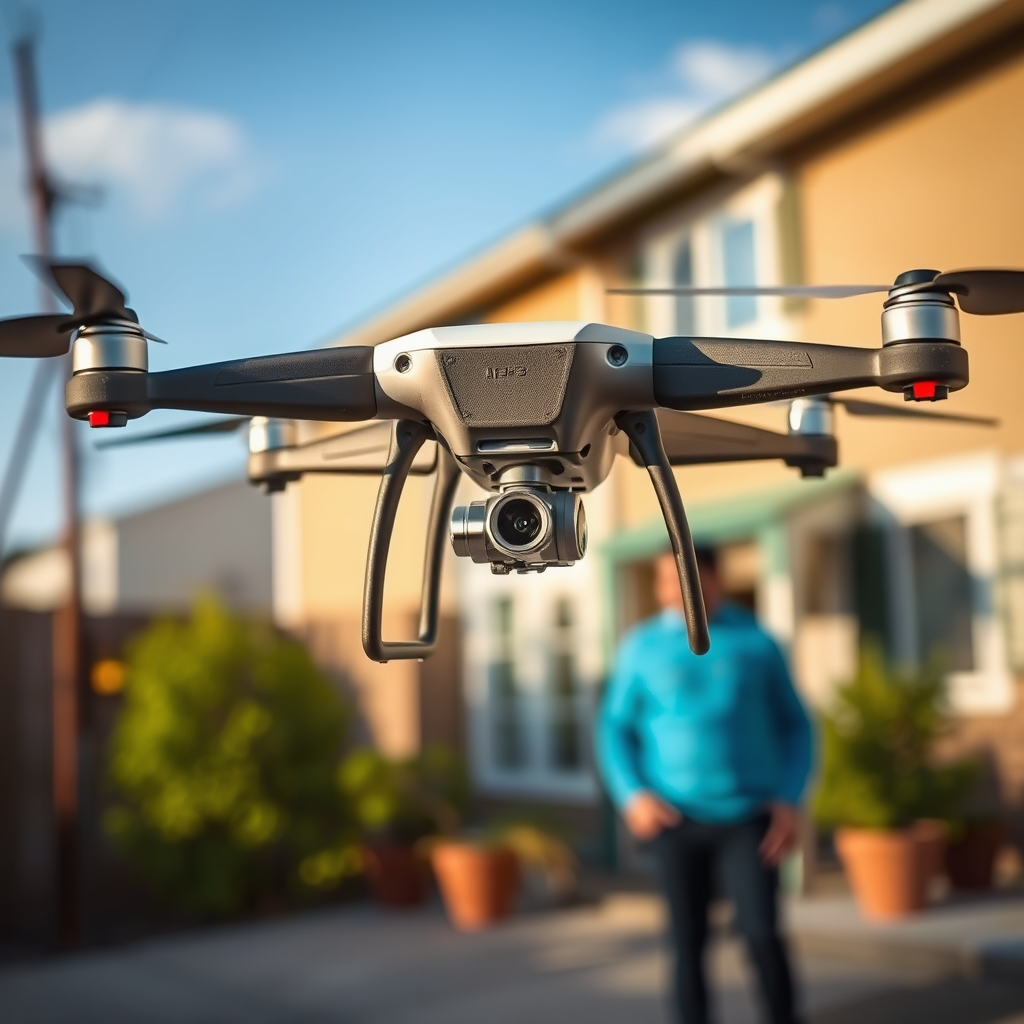
Property owners generally have rights to the airspace above their land, but this extends only to a certain height, typically interpreted as around 200 feet. The Federal Aviation Administration (FAA) regulates the use of airspace, particularly regarding aircraft and drones. Under FAA regulations, drones are considered aircraft, and their operation is subject to federal law. This means that while you have a claim to the airspace directly above your property, it does not grant you the right to interfere with a drone that is legally operating within that airspace.
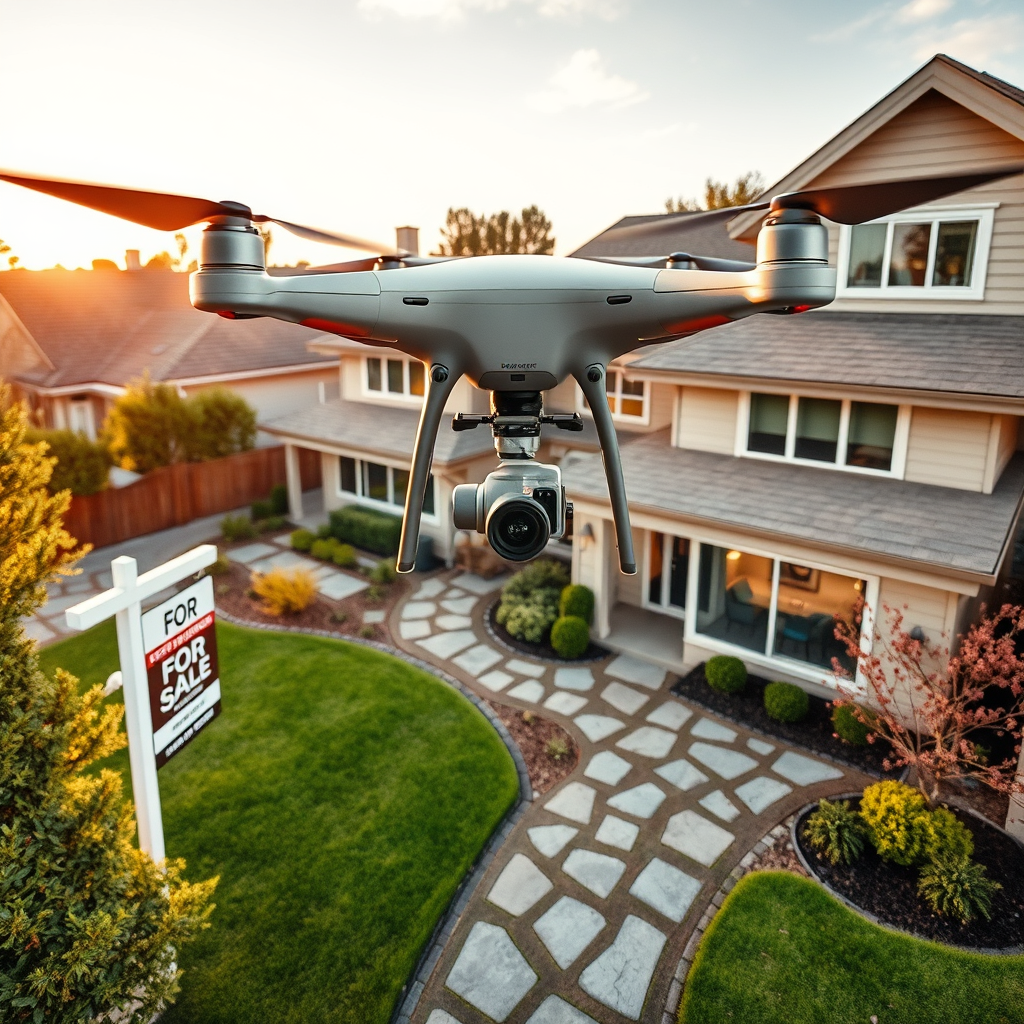
The FAA has established that drone operators must comply with certain rules, such as maintaining a maximum altitude of 400 feet and avoiding restricted airspace. Therefore, if a drone is flying at a legal altitude and is not violating any specific regulations, shooting it down could be seen as an unlawful act. Moreover, the legal concept of “nuisance” may come into play, as the drone may not be causing harm or disturbance at all, which complicates the justification for any drastic actions.
Legal Consequences of Shooting a Drone
Shooting a drone can lead to severe legal consequences, including criminal charges for destruction of property or reckless endangerment. If the drone belongs to another individual, shooting it could be classified as vandalism, leading to potential civil lawsuits for damages. The owner of the drone could seek compensation for the loss, which can become exceedingly costly.
In addition to civil liabilities, criminal charges may also arise depending on the circumstances surrounding the incident. Law enforcement may classify the act as a public safety threat, especially if the shooting created a risk for nearby people or property. Therefore, engaging in such behavior can lead not only to financial repercussions but also to a criminal record, impacting future employment and social standing.
Alternatives to Shooting a Drone
Instead of resorting to shooting a drone, there are legal and non-destructive alternatives available. One of the most straightforward options is to contact local authorities, such as law enforcement or local aviation authorities, to report the drone’s presence. Authorities may be able to investigate the situation and take appropriate actions, especially if the drone is suspected of being a nuisance or violating regulations.
Non-destructive methods can also be considered. For example, using drone detection systems allows property owners to monitor drone activity without engaging in any confrontational behavior. Signal jammers, where legal, can also prevent drones from operating in specific areas. However, it’s essential to check the legality of using such devices in your jurisdiction, as many areas have strict regulations against signal interference.
Local Laws and Regulations
Different states and municipalities may have specific laws regarding drones that can significantly affect your rights as a property owner. For instance, some states have enacted laws that specifically prohibit shooting down drones or have established rules regarding privacy and drone surveillance. It’s crucial to research local ordinances to understand the actions you can legally take regarding drones in your area.
Additionally, some regions may have designated no-fly zones where drone operation is entirely prohibited. Familiarizing yourself with these local regulations can help you navigate the complexities of drone ownership and operation. Consulting with a legal expert knowledgeable about aviation law can also provide clarity on your rights and responsibilities as a property owner.
Safety Considerations
Shooting a drone can pose significant safety risks to people, property, and aircraft in the vicinity. The potential for stray bullets to hit unintended targets, such as nearby homes or individuals, raises serious concerns about public safety. Furthermore, if the drone is operating in a densely populated area, the consequences of a shooting incident could result in injury or worse, leading to severe legal repercussions.
In addition to physical harm, there may be reputational risks involved. Engaging in such aggressive actions can lead to community backlash or legal action from the drone’s owner or others who witness the event. Therefore, it is essential to weigh these safety considerations carefully before taking any drastic measures against a drone.
The Role of the FAA
The Federal Aviation Administration (FAA) plays a critical role in regulating drone flight, including where and how drones can operate. The FAA has set forth guidelines that all drone operators must follow, which include registering their drones, adhering to altitude restrictions, and avoiding restricted airspace. Familiarizing yourself with these FAA guidelines is essential for property owners who wish to address drone-related issues legally and effectively.
Moreover, understanding the FAA’s stance on personal airspace rights can help property owners avoid conflicts with drone operators. Engaging proactively with the FAA and local authorities can also provide avenues for addressing concerns about drones without resorting to extreme measures.
In conclusion, while you technically have the right to shoot a drone over your property, doing so may lead to serious legal repercussions and safety issues. It is advisable to explore legal alternatives such as reporting the drone to authorities and understanding local laws regarding drone operation. By prioritizing safety and legality, you can effectively manage any drone-related concerns without jeopardizing your rights or well-being.
Frequently Asked Questions
Can I legally shoot a drone that is flying over my property?
Legally, you cannot shoot a drone that is flying over your property. Most jurisdictions view drones as part of the airspace and shooting one down can lead to serious legal consequences, including criminal charges and civil liability. Instead, if a drone is causing a disturbance, it’s advisable to report it to local authorities or the Federal Aviation Administration (FAA) rather than take matters into your own hands.
What should I do if a drone is hovering over my backyard?
If a drone is hovering over your backyard, first assess whether it is a threat to your privacy or safety. You can try to identify the owner of the drone, as they may not be aware of your discomfort. If the drone continues to be a nuisance, documenting the incident and contacting local law enforcement or the FAA can be a practical step to address the situation.
Why are drones allowed to fly over private property?
Drones are allowed to fly over private property because the airspace above your land is generally considered public, regulated by the FAA. This means that while you own the land, the airspace is not under your jurisdiction. However, privacy laws may protect you from invasion, and if a drone is capturing images or videos without consent, you may have legal recourse.
How can I protect my privacy from drones flying over my property?
To protect your privacy from drones, you can take several proactive measures. Installing privacy screens, planting trees, or using fencing can help obstruct the view from above. Additionally, staying informed about local drone regulations can empower you to advocate for stronger privacy protections in your area, ensuring that your rights are respected.
Which local laws should I check before operating a drone over my property?
Before operating a drone over your property, check local ordinances regarding drone use, as regulations can vary widely by state and municipality. Additionally, familiarize yourself with FAA regulations that govern drone operation, including altitude limits, no-fly zones, and requirements for commercial use. Understanding these laws will ensure you can fly your drone safely and legally without infringing on others’ rights.
References
- https://www.faa.gov/uas/getting_started/part_107/
- https://www.nolo.com/legal-encyclopedia/drone-laws-your-property-29739.html
- https://www.aclu.org/news/privacy-technology/what-know-about-drones-and-privacy
- https://www.nytimes.com/2021/04/06/technology/drone-laws.html
- https://www.wired.com/story/law-enforcement-drones-privacy-issues/
- https://www.reuters.com/technology/drone-laws-protecting-privacy-2021-07-01/
