

In general, it is illegal for individuals to shoot down drones, as they are considered aircraft under federal law. However, specific circumstances and regulations may apply, which vary by jurisdiction and context. Understanding the legal landscape surrounding drone use is crucial for anyone concerned about privacy, safety, or property rights, as taking action against a drone could lead to significant legal consequences.
Understanding Drone Regulations
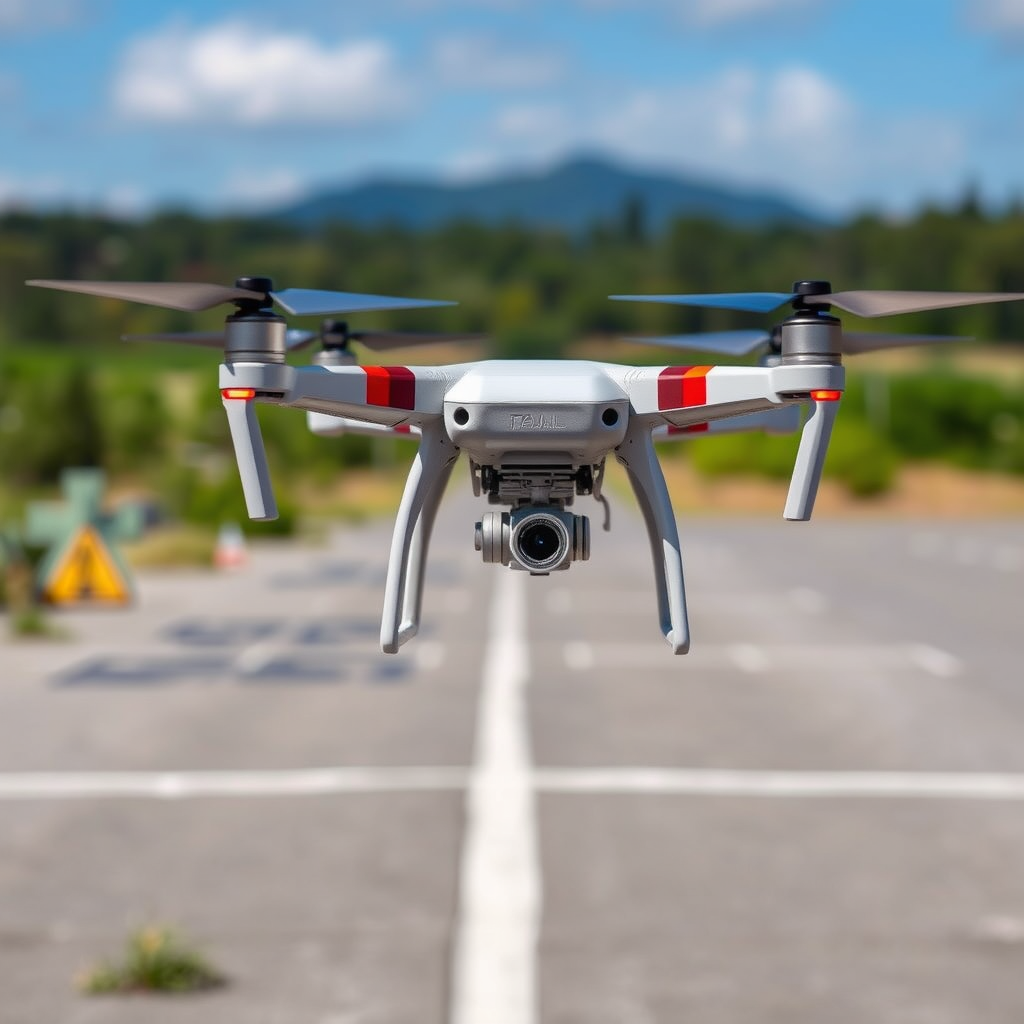
Drones, also known as unmanned aerial vehicles (UAVs), are classified as aircraft under Federal Aviation Administration (FAA) regulations. This classification means that they are subject to the same laws and regulations that govern manned aircraft. The FAA has established a framework for drone operation, which includes licensing requirements for commercial drone pilots and guidelines for recreational use. Shooting down a drone could lead to severe repercussions, including federal criminal charges and civil penalties. For instance, the FAA can impose fines of up to $20,000 for reckless operation of a drone, and the destruction of a drone may lead to criminal charges related to interference with the operation of an aircraft.
Moreover, the legal implications of shooting down a drone extend beyond the FAA. The Federal Aviation Act prohibits any unauthorized destruction of an aircraft, which is defined broadly to encompass drones. Individuals attempting to take matters into their own hands by shooting down a drone must be aware that such actions can not only lead to legal trouble but also escalate conflicts with drone operators, potentially resulting in civil lawsuits for damages.
Federal Laws on Airspace
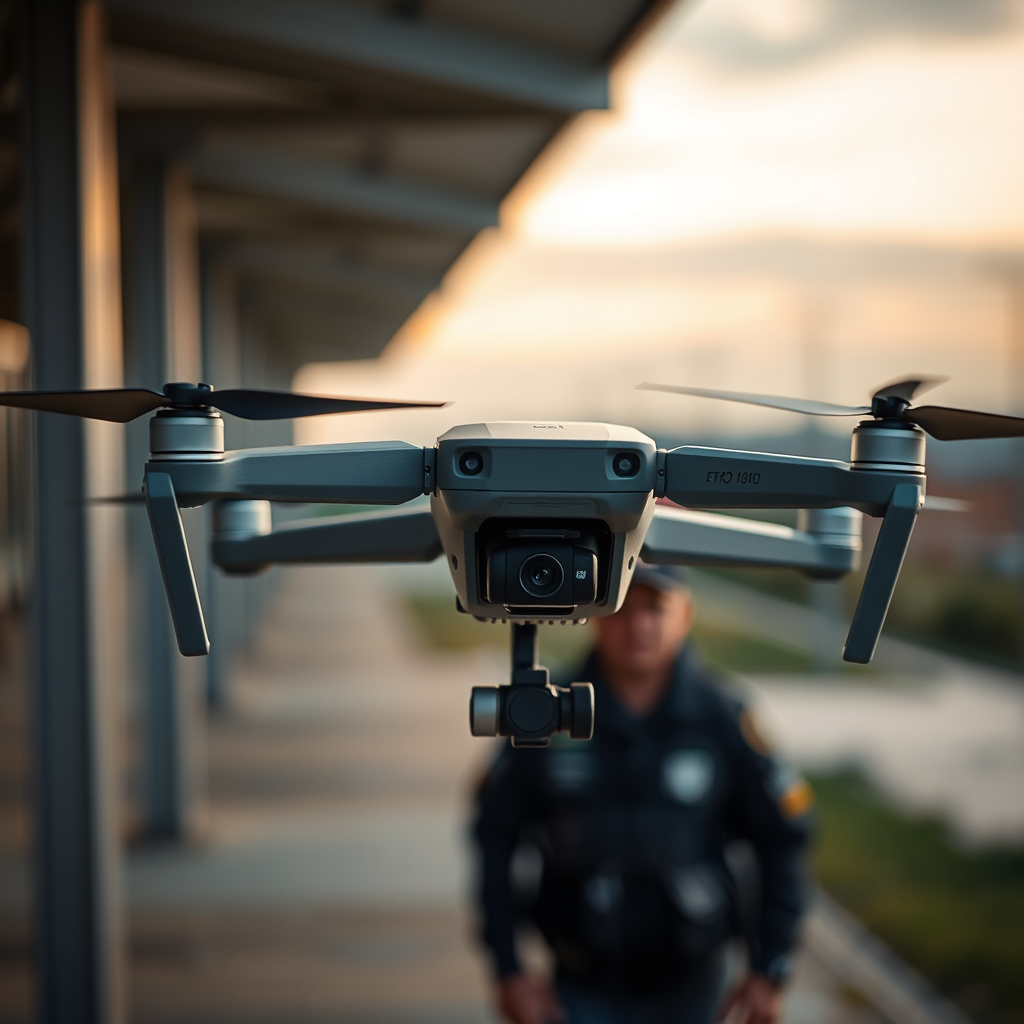
The FAA controls the national airspace, defining specific regulations that govern how airspace is used and who has the right to operate aircraft within it. While property owners may feel a sense of ownership over the airspace directly above their property, the law is nuanced. Generally, the FAA maintains that the airspace above a property is part of the national airspace, giving it jurisdiction over any aircraft, including drones.
The concept of “airspace” can be complex; for instance, the FAA does not recognize absolute ownership of the airspace directly above private property. Thus, while you may have some rights regarding the use of that airspace, shooting down a drone that is flying at a legal altitude could be considered an act of aggression against an aircraft. This could result in federal charges, including but not limited to destruction of property, unlawful use of a firearm, and other criminal liabilities.
State Laws and Self-Defense
State laws regarding the use of force against drones can vary significantly, with some states explicitly addressing the issue while others leave it ambiguous. In some jurisdictions, laws have been enacted that allow property owners to use reasonable force to protect their property from drone intrusion; however, these laws typically do not extend to lethal measures such as shooting down a drone.
Self-defense claims could apply in specific situations, particularly if a drone poses an imminent threat to personal safety or security. For example, if a drone is being used to harass or intimidate an individual, the situation may warrant a defensive response. However, it is crucial to remember that the threshold for self-defense is high, and the use of force must be proportionate and necessary. Engaging in such actions without a clear and present danger could expose individuals to legal liabilities and complicate their defense.
Privacy and Property Rights
Privacy concerns are at the forefront of many individuals’ objections to drones, particularly when they are perceived to invade personal space or surveil private property. Shooting down a drone may lead to legal issues related to privacy violations, especially if the drone is equipped with cameras or other recording devices. If a drone is filming or surveying your property without consent, there may be legal avenues to explore, including contacting law enforcement or filing a complaint.
Property owners do have certain rights, including the right to protect their property from unwanted intrusion. However, the use of lethal force is generally not justified in these scenarios. Non-lethal measures, such as reporting the drone activity to local law enforcement or taking steps to deter the drone’s presence, are advisable. Engaging in destructive actions could lead to significant legal repercussions, including civil lawsuits for damages or criminal charges.
Consequences of Shooting Down a Drone
The potential legal repercussions of shooting down a drone are severe and multifaceted. Individuals who engage in this behavior may face fines, lawsuits, and criminal charges. For instance, a homeowner who shoots down a drone could be liable for the cost of the drone, which can range from hundreds to thousands of dollars, depending on its specifications and capabilities.
Furthermore, the destruction of a drone could trigger criminal charges, such as reckless endangerment or unlawful discharge of a firearm. Even if the drone is perceived as a nuisance, the consequences of shooting it down can be disproportionately severe. Legal battles may ensue, and individuals may find themselves facing not only financial liabilities but also damage to their reputation and standing in the community.
Alternative Solutions for Drone Concerns
For those concerned about unwanted drone activity, there are several alternative solutions that can be pursued without resorting to violence. Reporting drone activity to local law enforcement or regulatory agencies is a responsible first step. Law enforcement can often address complaints about drones that are flying recklessly or invading privacy.
Additionally, employing non-destructive methods to deter unwanted drone surveillance is an option. For example, drone jammers, where legal, can disrupt the communication between the drone and its operator, effectively grounding the drone without causing physical harm. Other non-invasive deterrents may include visual or auditory signals that can discourage drone operators from flying over private property.
In conclusion, while the thought of shooting down a drone may seem justifiable under certain circumstances, it is essential to understand the legal implications and potential consequences associated with such actions. The laws governing drone use are complex and vary by federal and state regulations. Individuals are encouraged to consider alternative actions, such as reporting concerns to authorities or using non-destructive deterrents. Always consult local laws and regulations before taking any measures against drones to ensure compliance and avoid unintended legal consequences.
Frequently Asked Questions
Can I legally shoot down a drone that is flying over my property?
Generally, you cannot legally shoot down a drone, even if it’s over your property. Most jurisdictions classify drones as aircraft, and shooting one down could be considered a federal offense under aviation laws. Instead, if you feel threatened or invaded by a drone, it’s recommended to report it to local law enforcement or the FAA, who can address the situation appropriately.
What are the legal consequences of shooting down a drone?
Shooting down a drone can lead to serious legal repercussions, including criminal charges, fines, or even imprisonment. Violating federal aviation laws can result in penalties from the Federal Aviation Administration (FAA) and potential civil liability for damages caused to the drone or its operator. It’s crucial to understand that the consequences extend beyond just the act itself; they can have long-lasting implications for your legal standing.
How can I protect my privacy from drones without shooting them down?
To protect your privacy from drones, consider using physical barriers like privacy screens or landscaping to obstruct views from above. Additionally, you can install drone detection systems that alert you when a drone is nearby. Engaging with local authorities about drone regulations or advocating for stricter privacy laws can also be an effective way to address concerns about surveillance without resorting to drastic measures.
Why are drones considered an important part of modern airspace?
Drones are integral to modern airspace due to their diverse applications, including delivery services, agriculture, surveillance, and search and rescue operations. They provide unique advantages such as cost-efficiency, time savings, and the ability to access hard-to-reach areas. As drone technology continues to evolve, they are increasingly recognized for their potential to enhance various sectors, making them a valuable asset in today’s aerial landscape.
Which laws apply to drone usage in the United States?
In the United States, drone usage is primarily regulated by the Federal Aviation Administration (FAA), which outlines guidelines for both recreational and commercial drone operators. Key laws include registration requirements, operating altitude restrictions, and no-fly zones, especially near airports. Local and state laws may also impose additional regulations, so it’s essential for drone operators to familiarize themselves with both federal and local laws to ensure compliance and avoid legal issues.
References
- https://en.wikipedia.org/wiki/Drone#Legality
- https://www.faa.gov/uas/
- https://www.theguardian.com/us-news/2020/jun/25/drone-laws-legal-rights-privacy
- https://www.nytimes.com/2021/04/27/us/drones-privacy-law.html
- https://www.aclu.org/news/privacy-technology/what-you-need-to-know-about-drones-and-the-law
- https://www.reuters.com/legal/what-you-need-know-about-drone-laws-2021-04-29/
