

Yes, you can recover deer with a drone. Drones equipped with advanced thermal imaging and GPS technology provide significant advantages in tracking and retrieving deer, particularly in challenging environments such as dense forests or rugged landscapes. These tools not only enhance efficiency but also minimize the stress placed on wildlife. In this article, we will delve into the technology behind drones, legal considerations, advantages, best practices for operation, challenges, success stories, and the future of drone technology in hunting.
Understanding Drone Technology for Deer Recovery
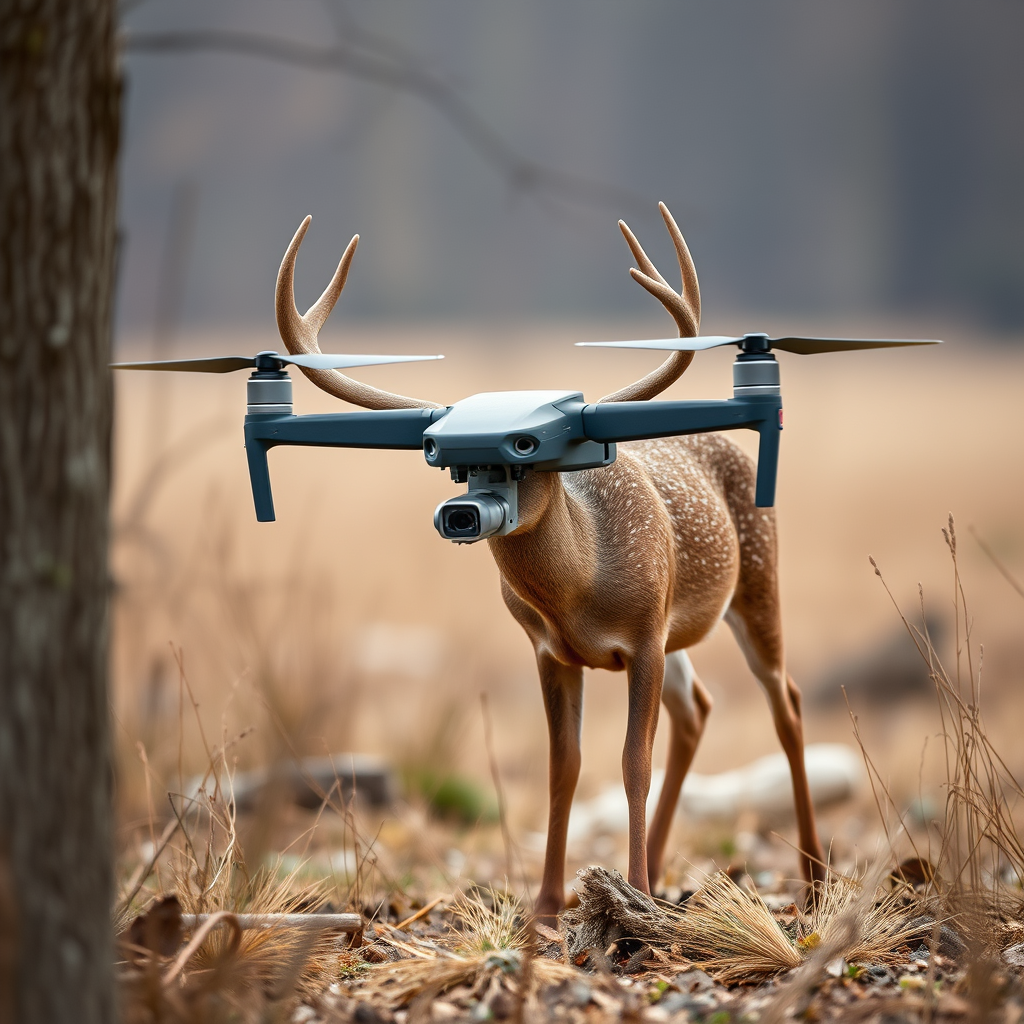
Drones have revolutionized various industries, and their application in wildlife tracking, particularly deer recovery, is gaining traction. One of the primary advantages of using drones is their ability to cover large areas quickly, making them ideal for searching expansive hunting grounds. Traditional tracking methods can be painstaking and time-consuming; however, drones can scout vast terrains in a fraction of the time.
Thermal imaging technology further amplifies the effectiveness of drones in deer recovery. These cameras detect heat signatures emitted by living beings, allowing users to locate deer even when they are hidden from view. This technology is particularly beneficial in early morning or late evening hunts when deer are more active and ambient light is low. The combination of speed and thermal imaging allows hunters to pinpoint downed deer efficiently, reducing the time spent searching.
Legal Considerations for Using Drones
Before incorporating drones into your deer recovery strategy, it is crucial to understand the legal landscape surrounding their use. Regulations regarding drone operation can vary significantly by location, and hunters must check local laws and regulations to ensure compliance. Some states may have specific restrictions on the use of drones for hunting purposes, while others may prohibit them entirely.
Additionally, compliance with wildlife management guidelines is essential to avoid potential legal issues. Many wildlife agencies are concerned about the ethical implications of using drones in hunting. As such, it is advisable to consult with local wildlife authorities to understand any restrictions or best practices that must be followed when using drones in your hunting endeavors.
Advantages of Using Drones in Deer Recovery
The incorporation of drones into deer recovery efforts offers numerous advantages. Primarily, drones significantly reduce the time and effort required to locate downed deer. This efficiency can be a game-changer, especially for hunters who may find themselves in remote locations where tracking on foot could take hours or even days.
Furthermore, drones can minimize disturbance to the surrounding wildlife and habitat. Traditional tracking methods often involve traversing through vegetation and underbrush, which can disrupt local fauna and flora. Drones, on the other hand, can operate from a distance, allowing hunters to maintain a lower impact on the environment. This is particularly important in regions where conservation efforts are in place to protect wildlife habitats.
Best Practices for Operating Drones During Recovery
To maximize the efficiency and effectiveness of drone usage during deer recovery, operators should adhere to several best practices. First, flying at appropriate altitudes is crucial. Keeping the drone at a height that allows for clear visibility of the ground while minimizing the risk of spooking animals is essential. Generally, a height of 100 to 200 feet is recommended, depending on terrain and vegetation density.
Additionally, effective communication and coordination with hunting partners can greatly enhance the success of drone operations. Establishing a clear plan before the drone flight can streamline the recovery process. For instance, assigning specific areas for each team member to cover can prevent overlap and ensure a thorough search.
Moreover, operators should familiarize themselves with the drone’s controls and capabilities before heading into the field. This preparation can prevent accidents and ensure that the drone is operated safely and effectively during recovery efforts.
Challenges and Limitations of Drone Use
While drones offer many benefits for deer recovery, there are challenges and limitations to consider. Weather conditions can significantly impact drone performance and visibility. Rain, strong winds, and low visibility due to fog can hinder the drone’s ability to fly effectively and capture clear images. As such, hunters should always check the weather forecast before planning a drone-assisted recovery mission.
Another limitation is the drone’s battery life. Most consumer drones have a flight time ranging from 20 to 30 minutes, which necessitates careful planning for extended searches. Hunters should ensure that they have a backup power source or additional batteries available to avoid being stranded without the ability to continue the search.
Success Stories: Drones in Action
Numerous hunters have successfully utilized drones for deer recovery, showcasing the technology’s effectiveness. For instance, a recent case in Michigan involved a hunter who lost a deer after a long shot. Using a drone equipped with thermal imaging, the hunter was able to locate the deer within minutes, despite it being hidden in dense underbrush. Testimonials from hunters reveal a common theme: drones have transformed their recovery efforts, often leading to quicker and more successful outcomes.
Another notable example took place in Pennsylvania, where a group of hunters collaborated to recover a deer that had traveled a considerable distance after being shot. By deploying a drone, they could track the heat signature of the deer from above, ultimately leading to its recovery. These stories highlight the potential of drone technology to enhance hunting practices and improve recovery rates.
Future of Drone Technology in Hunting
Looking ahead, the future of drone technology in hunting appears promising. Advancements in drone technology are likely to yield more sophisticated thermal imaging systems, longer battery life, and improved navigational capabilities. As manufacturers continue to innovate, we may see drones equipped with artificial intelligence that can autonomously track wildlife based on pre-set parameters.
Furthermore, as the acceptance of drones in hunting grows, we can expect more comprehensive regulations and guidelines to emerge, ensuring ethical use while maximizing the benefits of this technology. This evolution could lead to a fundamental change in hunting practices, positioning drones as essential tools for ethical and efficient wildlife management.
In conclusion, using a drone to recover deer can greatly enhance your hunting experience by increasing efficiency and reducing stress on the environment. The technology provides hunters with the ability to locate downed deer swiftly and with minimal disturbance to the ecosystem. As drone technology continues to evolve, integrating these tools into your hunting strategy may soon become an indispensable part of ethical wildlife management and recovery practices.
Frequently Asked Questions
Can drones be used effectively to locate injured deer after a hunting accident?
Yes, drones can be highly effective in locating injured deer after a hunting accident. Equipped with thermal imaging cameras, drones can detect heat signatures in the environment, making it easier to find deer that are hiding or unable to move due to injury. This technology allows hunters to cover large areas quickly, increasing the chances of recovering the deer and ensuring that it does not suffer unnecessarily.
What are the legal considerations for using drones to recover deer?
Before using drones for deer recovery, it’s essential to understand the regulations in your area. Many states have specific laws regarding the use of drones for hunting or recovery purposes, including restrictions on drone flight during hunting seasons or in certain wildlife management areas. Always check with your local wildlife authority to ensure compliance with all regulations to avoid potential fines or legal issues.
How can I choose the best drone for deer recovery?
When selecting a drone for deer recovery, consider key features such as flight time, range, and camera quality. Drones with thermal imaging capabilities are particularly beneficial, as they can help locate deer in dense cover or at night. Additionally, look for models with GPS tracking and user-friendly controls to make the recovery process smoother and more efficient.
Why should I consider using a drone over traditional tracking methods for deer recovery?
Using a drone for deer recovery offers several advantages over traditional tracking methods. Drones can cover more ground in a shorter amount of time, reducing the stress on both the animal and the hunter. Additionally, drones can access difficult terrain that may be challenging for hunters, increasing the likelihood of finding the deer quickly and humanely.
Which drone features are most important for successfully recovering deer?
The most important drone features for deer recovery include high-resolution cameras, thermal imaging capabilities, a robust flight battery for extended use, and strong GPS functionality for precise navigation. These features enhance visibility and tracking accuracy, allowing you to locate deer more efficiently, especially in challenging environments or low-light conditions.
References
- https://www.nfws.gov/wildlife/using-drones-for-wildlife-management
- https://www.sciencedirect.com/science/article/pii/S2352938517300869
- https://www.mdpi.com/2072-4292/10/11/1847
- https://www.usgs.gov/centers/nwhc/science/drone-technology-wildlife-research
- https://www.wildlife.org/using-drones-for-wildlife-management
- https://www.nature.com/articles/s41598-020-74352-3
- https://www.theguardian.com/environment/2021/aug/31/drones-wildlife-conservation-technology
- https://www.nationalgeographic.com/science/article/drones-wildlife-conservation-technology
