

Yes, you can report drones flying over your house, especially if they are violating privacy laws or local regulations. As drone technology advances and their use becomes more prevalent, many individuals find themselves concerned about unauthorized surveillance or intrusive behavior from these flying devices. Knowing the proper steps to take when feeling threatened or uncomfortable with drone activity in your vicinity is crucial for ensuring your peace of mind and safety.
Understanding Drone Regulations
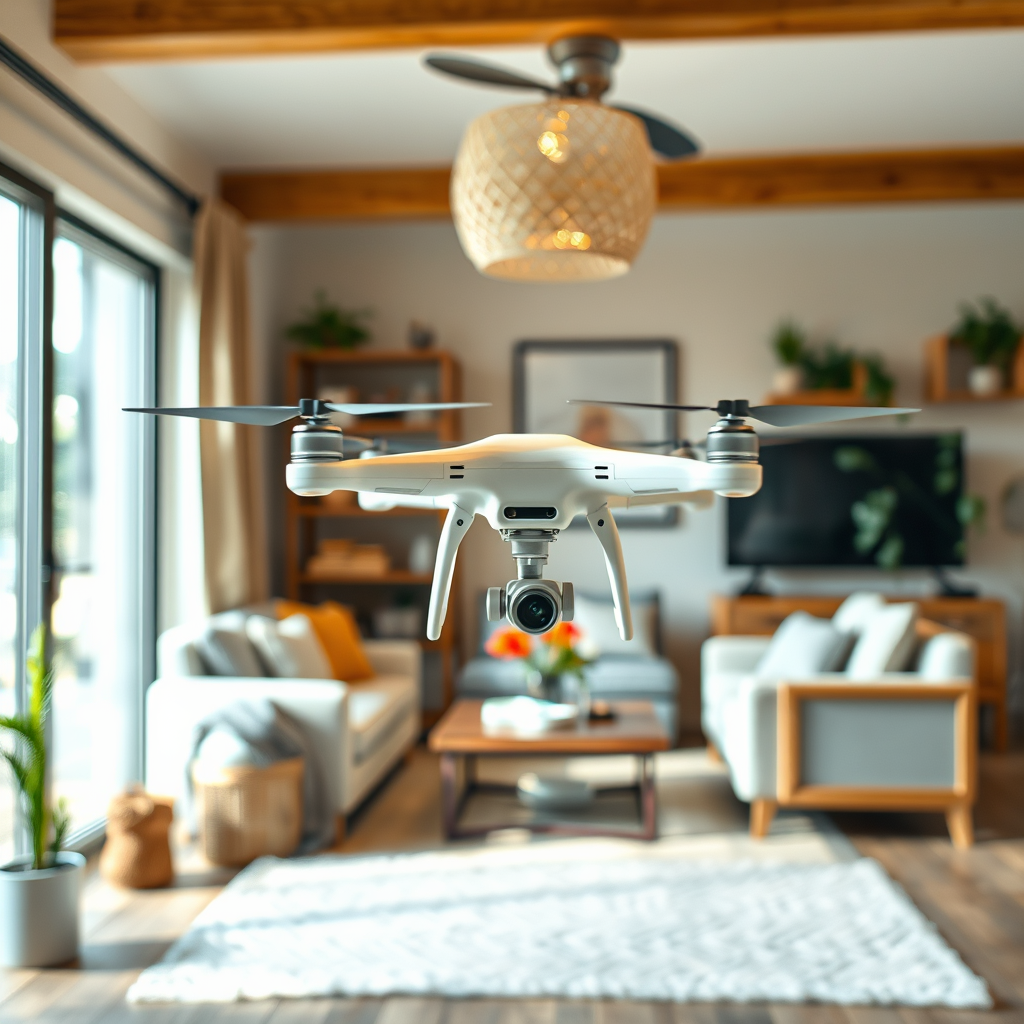
Drones, also known as unmanned aerial vehicles (UAVs), are subject to both federal and local regulations that govern their operation. In the United States, the Federal Aviation Administration (FAA) outlines strict rules regarding airspace usage, including altitude limits and no-fly zones. For example, drones must typically operate below 400 feet and cannot fly over people without permission. Additionally, many states and municipalities have enacted specific laws aimed at regulating drone use near residential areas, particularly concerning privacy issues and noise disturbances.
Understanding the legal framework surrounding drone operation is essential. For instance, some jurisdictions have privacy laws that prohibit the use of drones for surveillance purposes without consent from the individuals being recorded. This means that if a drone is flying over your property and capturing images or videos without your permission, it may be in direct violation of these laws. Familiarizing yourself with both federal and local regulations can empower you to take appropriate action if necessary.
When to Report a Drone
Determining when to report a drone requires careful consideration of the circumstances surrounding its operation. You should consider reporting a drone if it is flying at an altitude low enough to invade your privacy or if it poses safety concerns, such as flying near a school or crowded event. Additionally, if the drone’s operation is disruptive—characterized by loud noises, persistent hovering, or erratic movements—it may warrant a report.
For instance, if a drone is frequently hovering over your backyard while you are trying to enjoy your private space, this could constitute an invasion of privacy. Similarly, if a drone is flying dangerously close to manned aircraft or in restricted airspace, it becomes a safety issue that should be addressed immediately. Understanding these triggers can help you discern when to take action.
How to Gather Evidence
Before reporting a drone, it is essential to gather sufficient evidence to support your claim. Documenting the drone activity can significantly bolster your case. Start by taking clear photos or videos of the drone in action, ensuring that you capture its flight path, altitude, and any identifiable features, such as its make or model.
In addition to visual evidence, keep a detailed log of the drone’s behavior. Note the time and date of each incident, as well as the duration of the drone’s presence and any specific actions that raised your concerns. For example, if the drone was circling your home or lingering near your windows, document that behavior meticulously. This information can be invaluable when you present your case to authorities.
Who to Contact
Once you have gathered evidence, the next step is to know whom to contact about the drone activity. If you feel threatened or believe that the drone is operating in violation of the law, your first point of contact should be local law enforcement. They have the authority to address potential criminal activity and can investigate the situation further.
In addition to local police, consider contacting the FAA if you believe the drone is operating unsafely. The FAA has a dedicated hotline for reporting unsafe drone operations and can take action if necessary. It’s also worth checking with local zoning boards or community agencies, as they may have specific regulations regarding drone use in your area.
Filing a Formal Complaint
Filing a formal complaint requires you to follow a specific process to ensure that your report is taken seriously. Start by visiting the relevant agency’s website—whether local law enforcement or the FAA—and review their complaint procedures. Many agencies allow you to submit reports online, which can be convenient.
When filing your complaint, be sure to include all the evidence you have gathered, such as photos, videos, and your detailed log of incidents. Clearly outline your concerns and specify any laws or regulations you believe the drone operator has violated. Providing comprehensive information can expedite the investigation process and increase the likelihood of action being taken.
Potential Outcomes of Reporting
Understanding the potential outcomes of reporting a drone is crucial for managing your expectations. Authorities may investigate your complaint and gather additional evidence, which could lead to the identification of the drone operator. Depending on the findings, the operator may face various consequences, from warnings to fines or even criminal charges if laws were violated.
In some cases, the authorities may determine that no action is necessary, particularly if the drone’s operation falls within legal parameters. In such situations, it is essential to remain informed and vigilant, as the drone may continue to operate in your area. Staying updated about local regulations and community discussions can help you navigate any ongoing concerns regarding drone activity.
Staying Informed About Drone Laws
Given the rapid evolution of drone technology and the accompanying laws, it is vital to stay informed about changes in both local and federal regulations that may affect your rights. Regularly check for updates from the FAA and local government websites, as well as news sources covering drone legislation.
Joining community forums or local advocacy groups can also provide valuable insights into drone activity in your area. These groups often share experiences, tips, and resources for individuals concerned about drone operations. Engaging with your community can foster a more informed and proactive approach to addressing drone-related issues.
In conclusion, while you can report drones flying over your house, it’s important to understand the regulations and procedures involved. By gathering evidence, knowing who to contact, and staying informed about your rights regarding drone activity in your neighborhood, you can take action if you feel uncomfortable or threatened. Empower yourself with knowledge and resources to effectively address any drone-related concerns you may encounter.
Frequently Asked Questions
Can I report a drone flying over my house to the authorities?
Yes, you can report a drone flying over your house to local authorities, especially if you feel that it poses a privacy or safety concern. It’s important to document any relevant details like the drone’s appearance, flight pattern, and the time of the incident. Depending on your location, you may contact your local police department or the Federal Aviation Administration (FAA) for further assistance.
What are the legal regulations regarding drones flying over private property?
In the United States, drones are generally allowed to fly over private property as long as they do not violate privacy laws or local regulations. The FAA oversees drone operations, but individual states may have specific laws that could restrict drone flights, especially in residential areas. Familiarizing yourself with both federal and state regulations can help you understand your rights and when to take action against unauthorized drone flights.
How can I protect my privacy from drones flying over my house?
To protect your privacy from drones flying over your house, consider installing privacy screens or planting tall trees that can obstruct aerial views. Additionally, you can also engage in discussions with your neighbors about drone safety and privacy concerns. If you suspect that a drone is being used for malicious purposes, documenting incidents and reporting them to authorities can help address the issue effectively.
Why are drones flying over my house, and what should I do about it?
Drones may fly over residential areas for various reasons, such as aerial photography, surveying, or recreational use. If the drone’s presence is intrusive or bothersome, first try to identify the operator, if possible, and discuss your concerns directly. If the issue persists or if you feel threatened, report the situation to local law enforcement or the FAA to ensure your safety and privacy.
What steps should I take if I feel threatened by a drone flying over my property?
If you feel threatened by a drone flying over your property, first ensure your safety by avoiding any confrontation with the drone operator. Document the drone’s activities, including its flight path and any interactions you may have with the operator. Then, report your concerns to local law enforcement or the FAA, providing them with all the evidence you have gathered to support your case.
References
- https://www.faa.gov/uas/getting_started/registration
- https://www.faa.gov/uas/resources/publications/
- https://www.nolo.com/legal-encyclopedia/drones-flying-over-your-property-32276.html
- https://www.nytimes.com/2021/04/29/technology/drone-privacy-laws.html
- https://www.reuters.com/technology/us-drones-safety-rules-2021-07-22/
- https://www.privacyrights.org/resources/drone-privacy
- https://www.drones.faa.gov/
- https://www.ama-assn.org/delivering-care/public-health/drone-delivery-what-you-need-know
- https://www.wired.com/story/what-to-know-about-drones-in-your-neighborhood/
