

Yes, you can ride a drone, but it’s not as simple as hopping on for a joyride. While there are experimental drones designed for human transportation, they are not yet widely available or practical for everyday use. As technology evolves, the dream of personal aerial transport is becoming more tangible, yet several challenges must be addressed before this becomes a mainstream reality. This article delves into the current state of drone technology, the challenges of human flight, and what the future may hold for passenger drones.
The Concept of Riding Drones
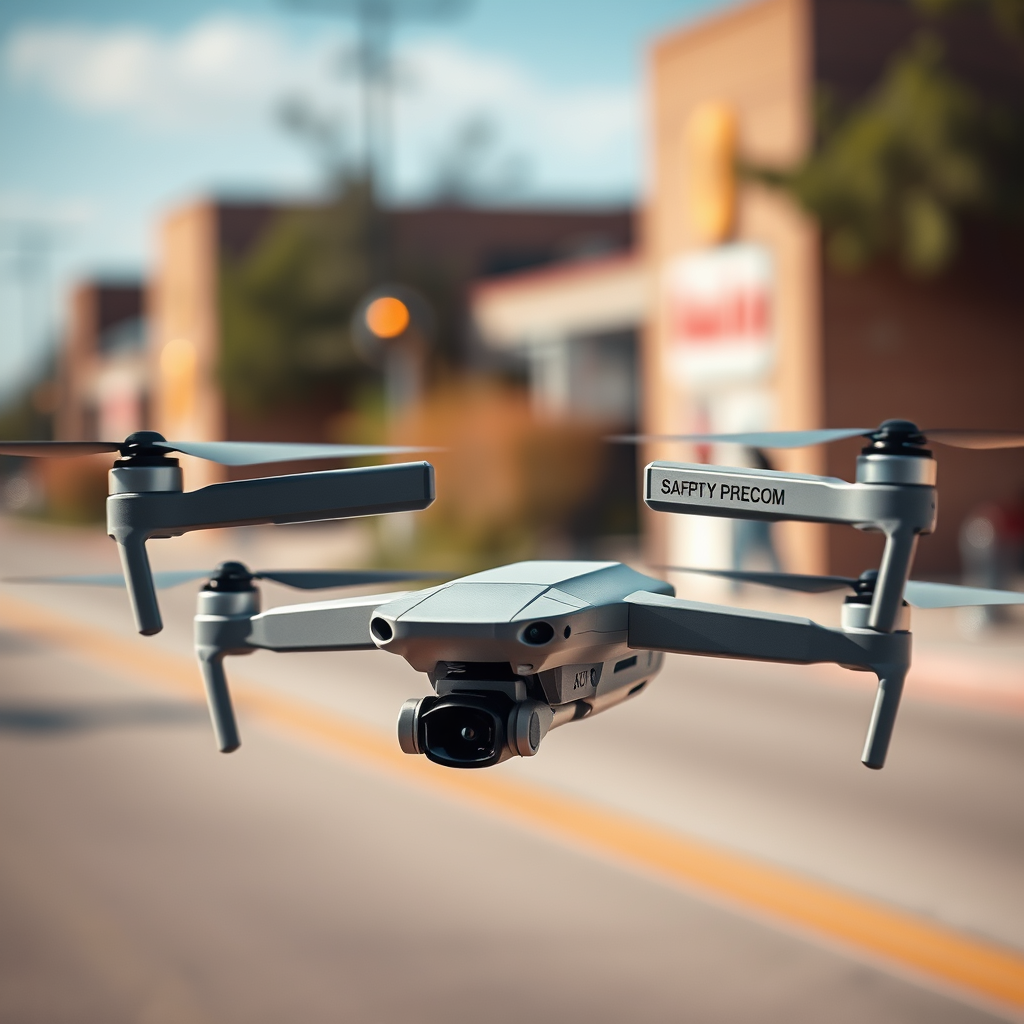
The potential for drones to carry passengers has captivated the imagination of innovators and consumers alike. In essence, drones designed for human transportation can be categorized into two primary types: multicopters and eVTOLs (electric Vertical Take-Off and Landing vehicles). Multicopters typically feature multiple rotors, allowing for stable flight and ease of control, making them suitable for short-distance travel. On the other hand, eVTOLs are designed to operate more like traditional aircraft, with wings that help sustain flight over longer distances.
Several notable companies are at the forefront of developing human-carrying drones. Companies like Volocopter, Joby Aviation, and EHang have made significant strides in this field. Volocopter’s VoloCity, for instance, is designed for urban air mobility and has undergone extensive testing in various cities across Europe. Joby Aviation’s eVTOL prototype has been touted for its range and speed, promising to revolutionize urban transportation. Meanwhile, EHang has been conducting demonstrations of its autonomous aerial vehicles, showcasing the feasibility of using drones for passenger transport.
Current Technologies and Innovations
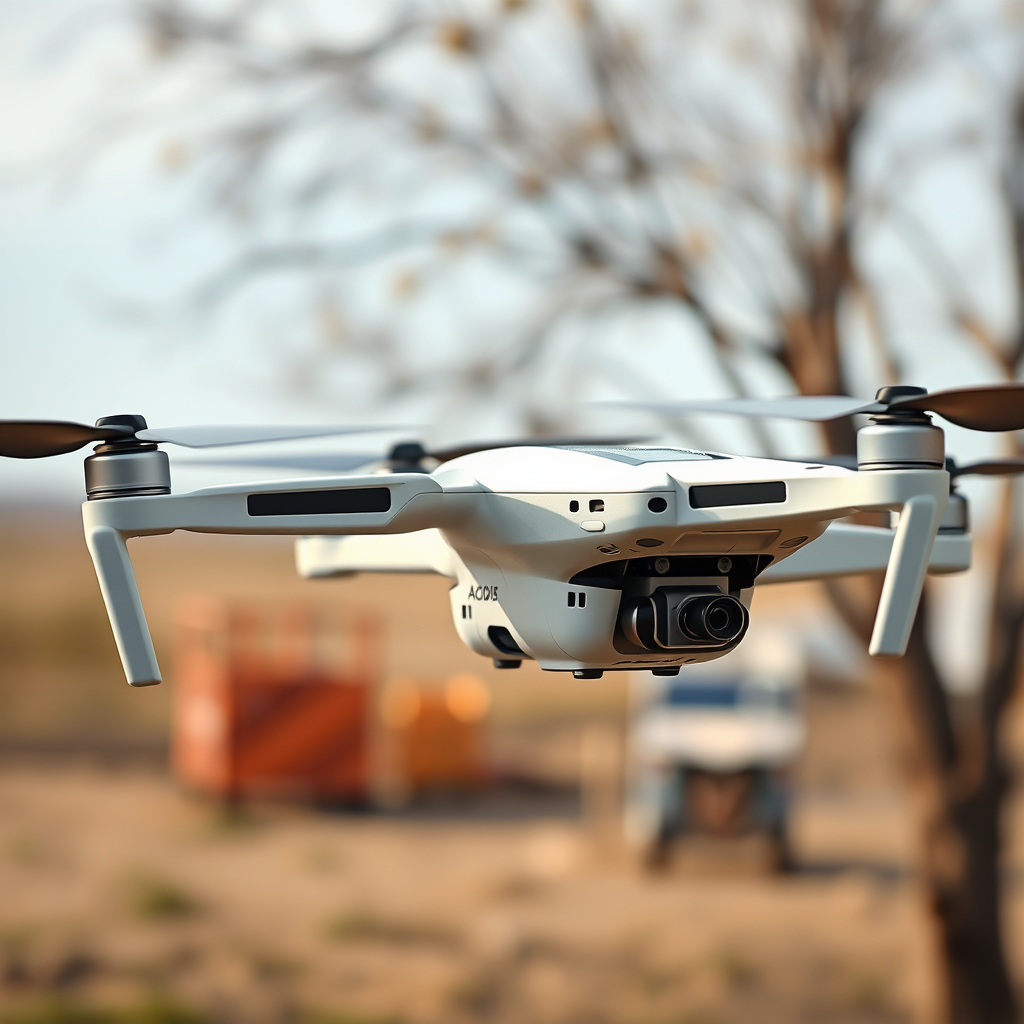
Recent advancements in drone technology have propelled the concept of riding drones closer to reality. The integration of advanced robotics, artificial intelligence, and electric propulsion systems has made it possible to create drones capable of safely carrying passengers. For instance, many modern drones are equipped with sophisticated navigation systems that utilize GPS and obstacle detection technologies to ensure a safe flight experience.
Prototypes such as the Bell Nexus and the Lilium Jet exemplify the latest innovations in the industry. The Bell Nexus features a hybrid-electric propulsion system that allows for vertical take-off and landing, while the Lilium Jet boasts a sleek design with multiple jet engines that enable high-speed travel. These models are designed to accommodate multiple passengers, emphasizing comfort and safety. As these technologies continue to evolve, the dream of personal aerial transport becomes increasingly feasible.
Safety Regulations and Legal Considerations
As with any new mode of transportation, safety regulations and legal considerations are paramount in the development of human-carrying drones. In the United States, the Federal Aviation Administration (FAA) has established guidelines for the operation of drones, including those intended for passenger transport. Currently, these regulations require that any drone carrying a passenger must be certified as safe and reliable, which involves rigorous testing and compliance with safety standards.
Moreover, pilots of these drones will need to adhere to specific training and certification requirements, similar to traditional aircraft pilots. As the industry matures, it is expected that more comprehensive regulations will emerge, addressing issues such as air traffic management, noise pollution, and privacy concerns. The successful integration of human-carrying drones into the existing airspace is contingent upon the establishment of a robust regulatory framework.
Challenges of Human Flight with Drones
Despite the exciting prospects of riding drones, several challenges remain to be addressed. One of the primary technical challenges is weight limits. Drones must be designed to carry the weight of passengers while also ensuring sufficient battery life for safe travel. This necessitates advancements in battery technology, as current electric batteries may not provide the necessary range for longer flights without frequent recharging.
Flight stability is another critical concern. Drones must be equipped to handle various environmental factors, including wind, rain, and turbulence, to ensure passenger safety. Additionally, issues related to noise pollution and the impact of drone operations on wildlife must be considered as urban areas begin to explore the possibility of drone taxis.
Future of Human-Carrying Drones
Looking ahead, the future of human-carrying drones appears promising, albeit with a timeline that remains uncertain. Experts predict that we may see operational passenger drones within the next decade, particularly in urban settings where traditional transportation methods are becoming increasingly congested. Companies like Uber Elevate have ambitious plans to launch aerial taxis, suggesting that the dream of flying cars may soon transition from science fiction to reality.
The potential impact of passenger drones on transportation and urban mobility is profound. These vehicles could significantly reduce travel times, alleviate road congestion, and provide new avenues for rapid response in emergency situations. Furthermore, as cities grapple with pollution and urban sprawl, drones may emerge as a cleaner and more efficient alternative to traditional vehicles.
Real-World Applications and Testing
Several cities around the world have begun testing drone taxis and personal drones, providing valuable insights into their practicality and acceptance. For example, in Dubai, the Roads and Transport Authority has conducted tests with autonomous passenger drones, aiming to implement aerial taxis as part of the city’s transportation network. Similarly, Singapore has initiated pilot programs to explore the use of drones for passenger transport.
Insights from these pilot programs indicate a growing public interest in aerial mobility, paired with a cautious approach to safety and regulatory compliance. User experiences have highlighted the importance of comfort and reliability in ensuring widespread acceptance of this new form of transportation. As these real-world applications continue to evolve, they will further inform the development of human-carrying drones.
While the idea of riding a drone is exciting and technically feasible, significant advancements are still needed before it becomes commonplace. The convergence of technology, safety regulations, and public acceptance will play a crucial role in determining the trajectory of this industry. As we continue to witness developments in drone technology, the future of personal aerial transportation may be closer than we think!
Frequently Asked Questions
Can you ride a drone like a vehicle?
No, you cannot ride a drone as you would a vehicle. Drones, or unmanned aerial vehicles (UAVs), are designed for flying and typically do not have the capacity to carry a human passenger. They are equipped with cameras or sensors for various applications, such as aerial photography or surveying, rather than for transportation of people.
How do you control a drone while flying it?
Controlling a drone typically involves using a remote control or a mobile app connected to the drone. Most drones have a joystick interface that allows you to maneuver the drone in various directions, adjust altitude, and perform specific flight patterns. Familiarizing yourself with the drone’s controls and practicing in open areas helps ensure safe and effective piloting.
Why can’t you ride a drone, and what are the safety concerns?
The primary reason you cannot ride a drone is due to safety and design limitations. Drones are not built to support human weight; they lack the structural integrity and propulsion power required for passenger transport. Additionally, flying a drone with a person aboard poses significant risks, including potential loss of control, severe injury, and violation of aviation regulations.
What is the best drone for beginners looking to fly?
The best drones for beginners typically include models like the DJI Mini SE or the Holy Stone HS720. These drones are user-friendly, have stable flight capabilities, and come with features like GPS stabilization and intelligent flight modes, making them ideal for novice pilots. Additionally, they are lightweight and portable, which enhances the flying experience for new users.
Which regulations should I be aware of when flying a drone?
When flying a drone, it’s essential to be aware of the regulations set by the Federal Aviation Administration (FAA) in the United States, or your local aviation authority if you’re outside the U.S. This includes registering your drone if it weighs over 0.55 pounds, following altitude and distance restrictions, and avoiding flying near airports or populated areas. Understanding these regulations helps ensure safe and lawful drone operation.
References
- https://en.wikipedia.org/wiki/Drone
- https://www.faa.gov/uas/
- https://www.nytimes.com/2021/04/27/technology/drones-rideable.html
- https://www.reuters.com/technology/ride-drone-new-transportation-2022-05-15/
- https://www.sciencedirect.com/science/article/pii/S187705092100207X
- https://www.abc.net.au/news/2022-08-03/drones-transportation-future/101283910
- https://www.nasa.gov/mission_pages/urban_air_mobility/overview/index.html
- https://www.wired.com/story/flying-taxis-drones-urban-air-mobility/
