
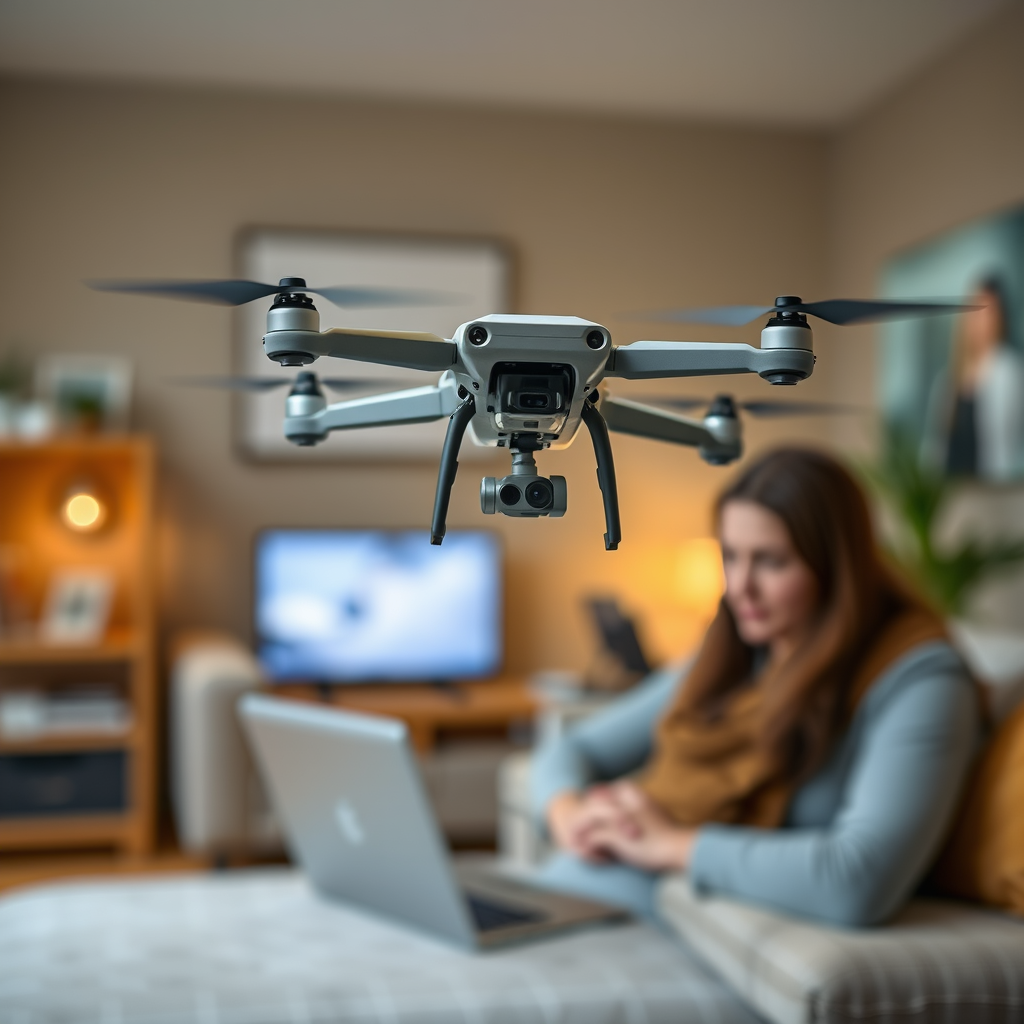
Yes, drones can be detected on radar, but the effectiveness of this detection is influenced by various factors, including the size of the drone, its operating altitude, and the specific radar system in use. Understanding how drones interact with radar technology is crucial for enhancing safety and security, particularly as drone usage continues to proliferate in both commercial and recreational contexts. This article delves into the mechanics of radar technology, the factors affecting drone detection, the types of radar systems available, the limitations of radar, alternatives for detection, and the practical applications of drone detection technologies.
Understanding Radar Technology
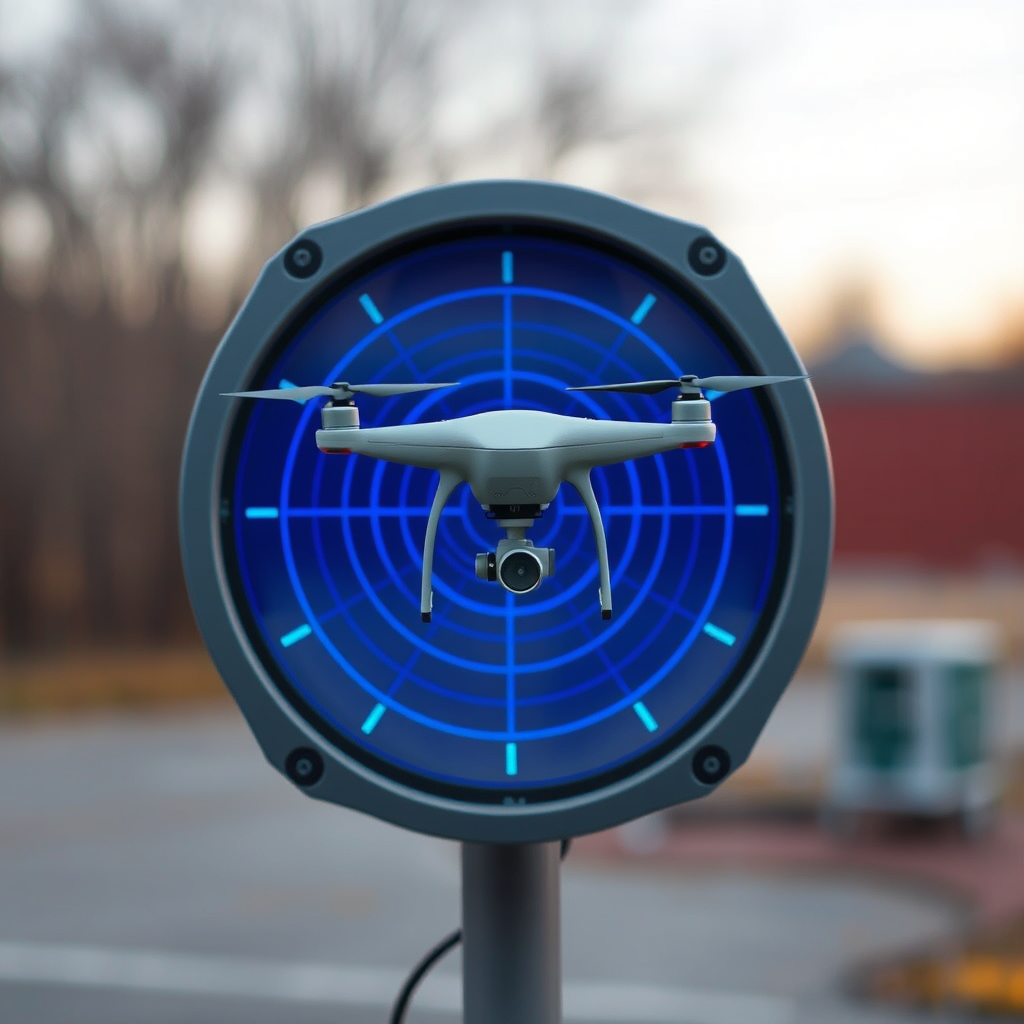
Radar technology operates on the principle of emitting radio waves that bounce off objects and return to the radar system, which then interprets the data to identify the object’s location, speed, and trajectory. Various types of radar systems exist, each tailored for specific applications. Military radar systems, for example, are often designed to detect and track smaller objects such as drones, while civilian radar systems may focus on larger aircraft. The effectiveness of radar detection is inherently tied to its design; high-frequency radar systems can detect smaller objects with greater precision, while lower-frequency systems might struggle with the detection of small flying objects, such as drones.
Moreover, advancements in radar technology, such as phased-array radar systems, have improved the ability of operators to track multiple objects simultaneously, providing a more comprehensive picture of the airspace. These systems can detect and classify drones by analyzing their radar cross-sections, which is critical for air traffic management and security applications. Understanding these nuances helps stakeholders better assess the capabilities and limitations of radar technology in detecting drones.
Factors Affecting Drone Detection
Several key factors influence a drone’s visibility on radar systems. One of the most significant is size. Smaller drones, particularly those weighing less than 2 kilograms, may present considerable challenges for radar detection due to their limited radar cross-section. For example, a small quadcopter might be nearly invisible to conventional radar systems that are designed to track larger aircraft. In contrast, larger drones, such as those used for cargo delivery, are more easily detected due to their increased size and reflective surfaces.
Altitude also plays a crucial role in drone detection. Drones flying at lower altitudes, such as below 100 meters, can sometimes evade radar detection, especially if the radar system is optimized for tracking higher-flying aircraft. This is particularly relevant in urban environments where buildings and other structures can obstruct radar signals. Consequently, operators must consider these factors when implementing drone detection strategies, especially in applications related to airspace management and security.
Types of Radar Systems
Radar systems can be categorized into primarily two types: primary radar and secondary radar.
Primary radar systems operate by sending out radio waves that reflect off objects and return to the radar’s receiver. This type of radar does not require any prior information about the object being detected, making it useful for general surveillance. However, it may struggle to detect smaller objects like consumer drones effectively.
On the other hand, secondary radar systems enhance detection capabilities by requiring a transponder on the drone. This transponder responds to the radar signals with its own signals, providing more accurate data about its altitude, speed, and identity. Secondary radar is commonly used in air traffic control for larger aircraft but is increasingly being adapted for drone applications as well. For instance, the integration of Automatic Dependent Surveillance–Broadcast (ADS-B) technology is allowing drones to transmit their location and other critical data, significantly improving their detectability in controlled airspace.
Limitations of Radar in Drone Detection
Despite advancements in radar technology, there are notable limitations in drone detection. One significant limitation is the use of stealth technology in some drone designs. Drones engineered to minimize radar signatures, often referred to as “stealth drones,” can evade detection by traditional radar systems. These drones employ design techniques, such as shaping and material selection, to reduce their radar cross-section, making them difficult targets for radar operators.
Environmental factors also significantly impact radar performance. Weather conditions like rain, fog, and snow can scatter radar signals and reduce detection accuracy. Additionally, geographic terrain such as mountains or urban landscapes can obstruct radar waves, further complicating the detection of drones flying in those areas. Operators must account for these limitations when developing comprehensive drone detection systems to ensure reliability in varied conditions.
Alternatives to Radar for Drone Detection
Given the limitations of radar technology, alternative detection methods are gaining traction. Acoustic sensors, for instance, can detect the sound produced by drone propellers, offering a viable complement to radar systems. These sensors can be particularly effective in environments where radar may struggle, such as urban settings with many structures that might obstruct radar signals.
Visual surveillance is another alternative, utilizing cameras and human observers to monitor drone activity. This approach can include advanced video analytics systems that use artificial intelligence to identify and track drones in real time. For example, some airports have begun employing visual detection systems that combine high-resolution video cameras with machine learning algorithms to enhance situational awareness regarding potential drone threats.
Applications of Drone Detection
The applications of drone detection technologies are broad and critical, particularly in the realms of air traffic management and security. In air traffic management, effective drone detection is essential for the safe integration of drones into controlled airspace alongside manned aircraft. Authorities are working on frameworks that facilitate this integration, ensuring that drones do not pose a collision risk to traditional aircraft.
In terms of security, drone detection is vital for protecting sensitive areas from unauthorized drone incursions. High-profile events, government buildings, and critical infrastructure are increasingly utilizing drone detection systems to prevent potential threats. For instance, during major public events, law enforcement agencies can deploy drone detection technologies to monitor airspace and mitigate risks posed by rogue operators.
In conclusion, while drones can indeed be seen on radar, their detectability varies based on several factors including size, altitude, and the type of radar system employed. Understanding these dynamics is essential for enhancing safety and security regarding drone usage. As drone technology continues to evolve, the development of effective detection systems will be crucial in addressing the challenges these devices present in both civilian and military applications. If you’re interested in further exploring drone detection technologies, stay tuned for more insights!
Frequently Asked Questions
Can small drones be detected on radar?
Yes, small drones can be detected on radar, but their detectability largely depends on the radar technology used. Traditional radar systems may struggle to detect small, lightweight drones due to their size and low radar cross-section. However, advanced radar systems, such as those utilizing frequency-modulated continuous wave (FMCW) technology, are more effective at detecting small UAVs (unmanned aerial vehicles) and can provide real-time tracking information.
How do radar systems identify drones flying in restricted airspace?
Radar systems identify drones flying in restricted airspace by continuously monitoring and analyzing the airspace for any unauthorized aircraft. When a drone enters a restricted area, the radar detects its movement, and the system can alert air traffic controllers or security personnel. Additionally, some modern radar systems can differentiate between types of aircraft, helping to identify drones specifically and assess their potential threat level.
Why are some drones invisible to radar?
Some drones are designed to be invisible to radar due to their small size, materials, and shapes that minimize radar cross-section. These stealth features, often found in military drones, reduce the chances of detection by conventional radar systems. Additionally, certain drone models may operate at altitudes and speeds that make them harder to track with standard radar technology.
What are the best technologies for detecting drones on radar?
The best technologies for detecting drones on radar include advanced radar systems that utilize multi-static radar, which combines signals from multiple sources to improve detection accuracy. Other effective technologies include acoustic sensors that pick up the noise generated by drone motors and visual detection systems using cameras and AI algorithms. Combining these technologies enhances the overall effectiveness of drone detection and tracking.
Which types of radar are most effective for drone detection in urban areas?
In urban areas, phased array radar systems and low-band radar systems are among the most effective for drone detection. Phased array radars can quickly scan multiple directions and provide high-resolution tracking, while low-band radars are less susceptible to interference from buildings and other structures. These systems, along with complementary technologies such as infrared cameras, can enhance detection capabilities in complex urban environments.
References
- https://en.wikipedia.org/wiki/Radar
- https://www.bbc.com/news/technology-45147741
- https://www.nist.gov/news-events/news/2018/06/what-airborne-drones-mean-radar
- https://www.sciencedirect.com/science/article/pii/S0968090X03000409
- https://www.faa.gov/uas/resources/publications/
- https://www.acl.gov.au/sites/default/files/PDFs/Drone%20Radar%20Detection%20Capability%20-%20Final%20Report%20-%20May%202019.pdf
- https://www.nasa.gov/centers/armstrong/news/TechBriefs/2014/TB_20140401.html
