

Yes, you can shoot a drone down over your property, but doing so may have legal consequences. It’s essential to understand the complex interplay of laws governing drone usage, property rights, and the potential ramifications of such actions. As drones become increasingly prevalent in civilian airspace, property owners must navigate these regulations carefully to protect their rights without incurring legal liabilities.
Understanding Drone Laws
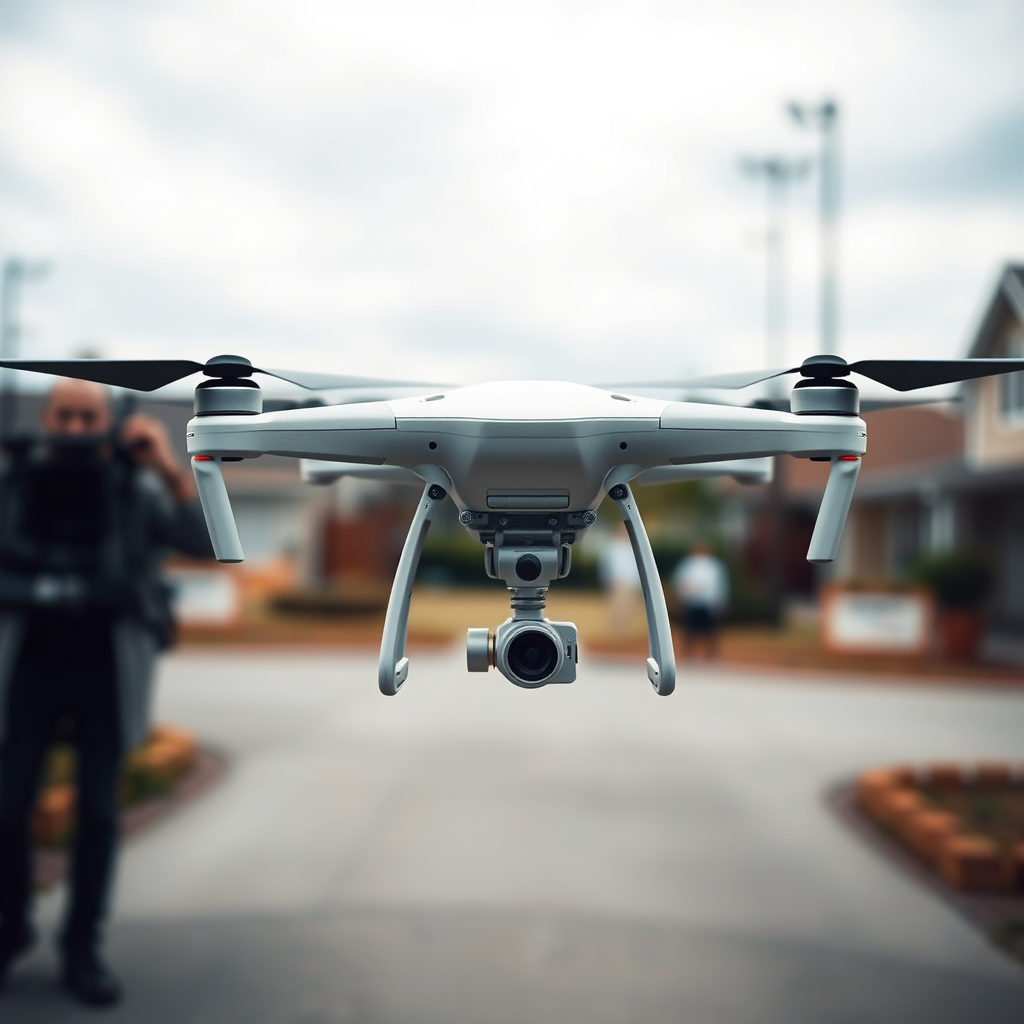
Drones in the United States are primarily regulated by the Federal Aviation Administration (FAA). The FAA has established a framework that governs where and how drones can operate, with specific guidelines to ensure safety in the national airspace. Under FAA regulations, commercial drone operators must adhere to strict licensing requirements, while recreational users are bound by limitations, such as flying below 400 feet and maintaining visual line-of-sight.
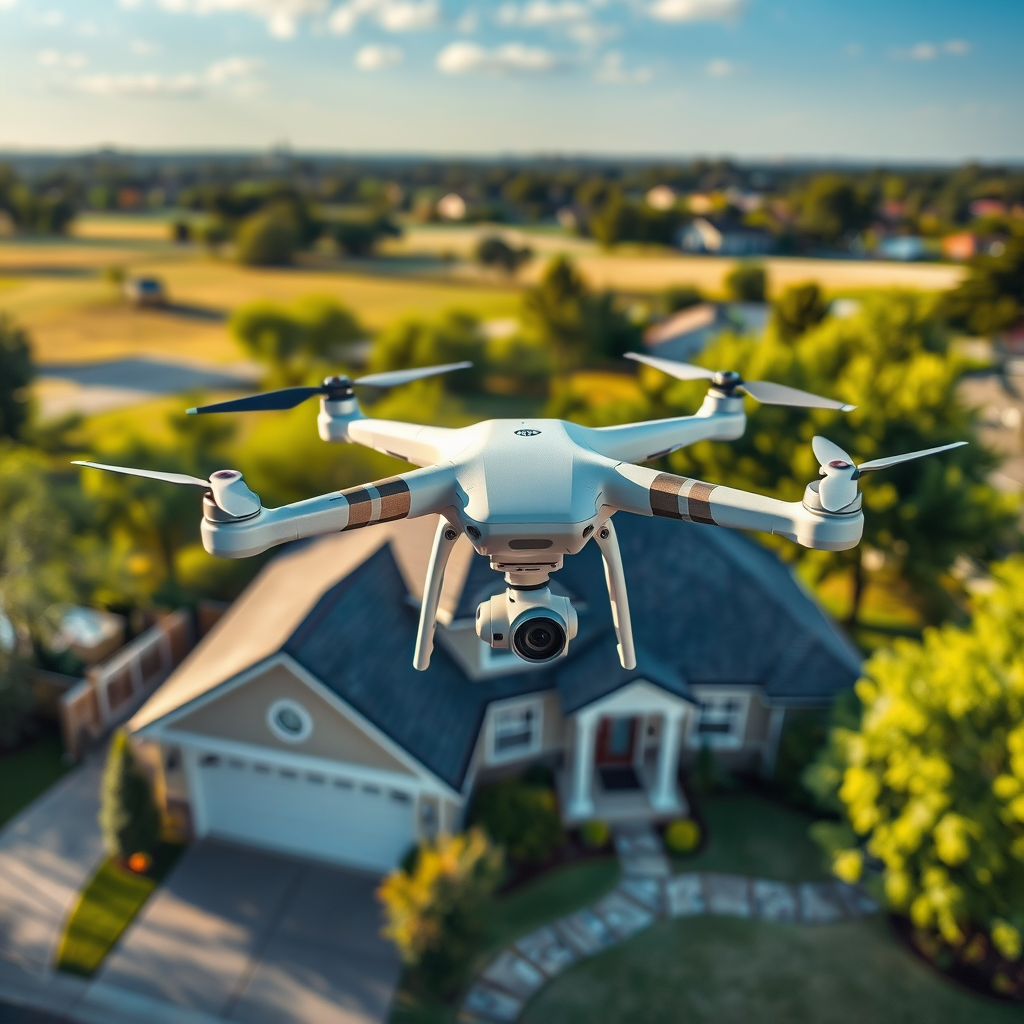
Shooting down a drone may lead to significant legal repercussions. The act could be classified as destruction of property, which is a criminal offense. If a drone is deemed to belong to a commercial entity or is being used for legal purposes, the owner may pursue civil action for damages. Furthermore, engaging in such behavior could escalate tensions and lead to confrontations with the drone operator, potentially resulting in additional legal issues.
Property Rights and Airspace
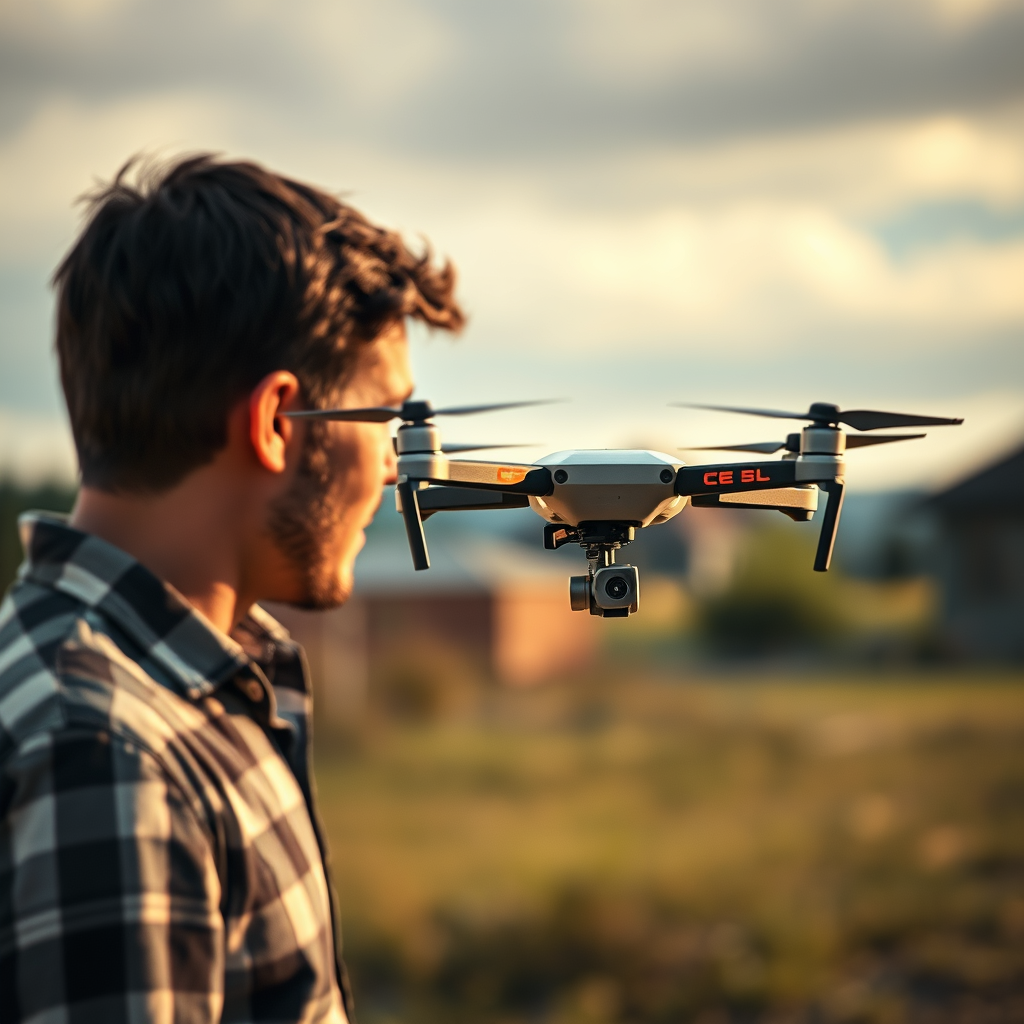
Property ownership extends vertically into the airspace above the land, but this right is not absolute. The concept of “navigable airspace,” as defined by the FAA, typically includes the airspace above 400 feet, which is where most drones operate. This means that while you may have rights to the airspace directly above your property, these rights are limited to lower altitudes, and the FAA retains authority over higher altitudes.
In practice, this means that while you can assert your property rights, the FAA’s regulations will likely take precedence in disputes involving drone operation. Understanding this legal framework is crucial for property owners who may be considering taking action against a drone hovering above their land. It is advisable to familiarize oneself with both local and federal aviation laws to better comprehend the boundaries of property rights concerning aerial vehicles.
Legal Consequences of Shooting a Drone
The legal implications of shooting down a drone are significant and can vary by jurisdiction. Potential charges for discharging a firearm at a drone include criminal mischief, which can carry penalties ranging from fines to jail time, depending on the severity of the offense and local laws. Additionally, the drone’s owner may pursue civil liability claims for damages incurred during the incident.
Some states have enacted specific laws that address drone usage and property protection, including statutes that may provide limited exemptions for property owners in certain circumstances. For example, a few states allow individuals to take reasonable measures to protect their privacy from unauthorized drone surveillance. However, these laws often do not provide blanket permission to shoot down drones, emphasizing the need for individuals to be well-informed about their local legal landscape.
Alternative Actions to Take
If you see a drone operating over your property and feel uncomfortable or threatened, there are several alternative actions you can take that do not involve shooting it down. The first step should be to contact local law enforcement, as they can investigate the drone’s operation and determine if it is violating any laws or regulations.
Non-destructive methods can also be effective. Reporting the drone to the FAA is an option, as the agency maintains oversight over drone operations and can take action against violators. Furthermore, using drone jamming devices—while their legality may vary by state—can disrupt the drone’s signal and potentially compel it to leave the area. However, it is essential to proceed cautiously with jamming devices, as misuse can result in federal penalties.
The Role of Privacy Laws
Drones equipped with cameras raise significant privacy concerns, especially when they are used to capture footage of individuals on their property without consent. In many jurisdictions, this can constitute a violation of privacy laws, particularly if the drone’s operation intrudes on a person’s reasonable expectation of privacy.
Documenting the drone’s activity can be beneficial for property owners seeking to address privacy violations. Taking notes, recording video, or capturing photographs of the drone and its operation can serve as evidence if legal action is pursued. Additionally, many states have enacted laws that specifically address drone surveillance, which may provide further grounds for action against intrusive operators.
Seeking Legal Advice
If you are considering taking action against a drone operator—whether it be through self-defense measures or legal recourse—consulting with a lawyer who specializes in aviation and property law is highly recommended. A legal expert can help you navigate the complexities of drone regulations and property rights, ensuring that you are fully informed of your options and the potential consequences of your actions.
Understanding your rights and responsibilities in these situations is crucial for avoiding unnecessary legal conflicts. A legal professional can provide guidance on how best to handle the situation, helping you make informed decisions that protect your property and peace of mind.
In conclusion, while the impulse to shoot down a drone hovering over your property may seem justified, it is critical to consider the legal implications and explore alternative responses. Understanding drone laws, property rights, privacy concerns, and seeking legal advice can empower property owners to address these situations effectively. Always stay informed about the local regulations, as they can vary significantly and impact your rights and options in confronting unwanted drone activity.
Frequently Asked Questions
Can I legally shoot down a drone that is flying over my property?
Legally shooting down a drone that is flying over your property is generally not permitted. Most jurisdictions classify drones as aircraft, and damaging or destroying them can lead to criminal charges, such as destruction of property or endangerment. Instead of resorting to drastic measures, it’s advisable to report the drone to local authorities or the Federal Aviation Administration (FAA) if you believe it is violating privacy laws or regulations.
What should I do if a drone is invading my privacy on my property?
If a drone is invading your privacy, the first step is to document the incident by taking photos or videos of the drone and its flight path. You can then contact local law enforcement or your local FAA office to report the drone. Many states have specific laws against drone surveillance, and authorities can help address the situation accordingly.
How can I protect my property from unwanted drones?
To protect your property from unwanted drones, consider using physical barriers, such as trees or fences, to obstruct flight paths. Additionally, you can install drone detection systems that alert you when a drone is nearby. Engaging with local laws regarding privacy and drone usage is also important; you might find community support or regulations that can aid in protecting your space.
Why are drones able to fly over my property without permission?
Drones can legally fly over private property due to federal aviation regulations, which grant pilots the right to fly at certain altitudes, usually below 400 feet, as long as they remain in the pilot’s line of sight. This creates a challenging scenario for property owners who may feel their privacy is being violated. Understanding these regulations can help you navigate your rights and responsibilities concerning drone usage.
What are the best ways to report a drone that is flying over my property?
The best way to report a drone flying over your property is to contact local law enforcement or the FAA, depending on the situation. Gather detailed information such as the drone’s appearance, flight path, and any potential privacy violations. Additionally, you can check if your state has specific laws regarding drone operations, which may provide further avenues for reporting and addressing your concerns.
References
- https://www.faa.gov/uas/getting_started/remote_id
- https://www.nolo.com/legal-encyclopedia/can-you-shoot-a-drone-down-29754.html
- https://www.abc.net.au/news/2020-01-02/can-you-shoot-a-drone-down-over-your-property/11809338
- https://www.lawfareblog.com/can-you-shoot-drone-your-property
- https://www.theverge.com/2019/10/15/20916062/drone-shoot-down-legal-issues-privacy-property-rights
- https://www.cnbc.com/2021/06/16/can-you-shoot-a-drone-down-over-your-property.html
- https://www.usatoday.com/story/news/nation/2019/07/09/can-you-shoot-drone-down-your-property/1683453001/
- https://www.cnet.com/news/can-you-shoot-a-drone-down-over-your-property-here-are-the-rules/
