

Yes, you can technically shoot a drone down, but doing so is illegal in many places and could lead to severe legal consequences. Drones are classified as aircraft under federal law, meaning that any attempt to shoot one down can be treated as an act of aggression against aviation. Moreover, the legal landscape surrounding drone usage is complex, with varying laws at state and local levels. This article will delve into the legal implications, safety concerns, and alternative actions available when dealing with a problematic drone.
Legal Considerations
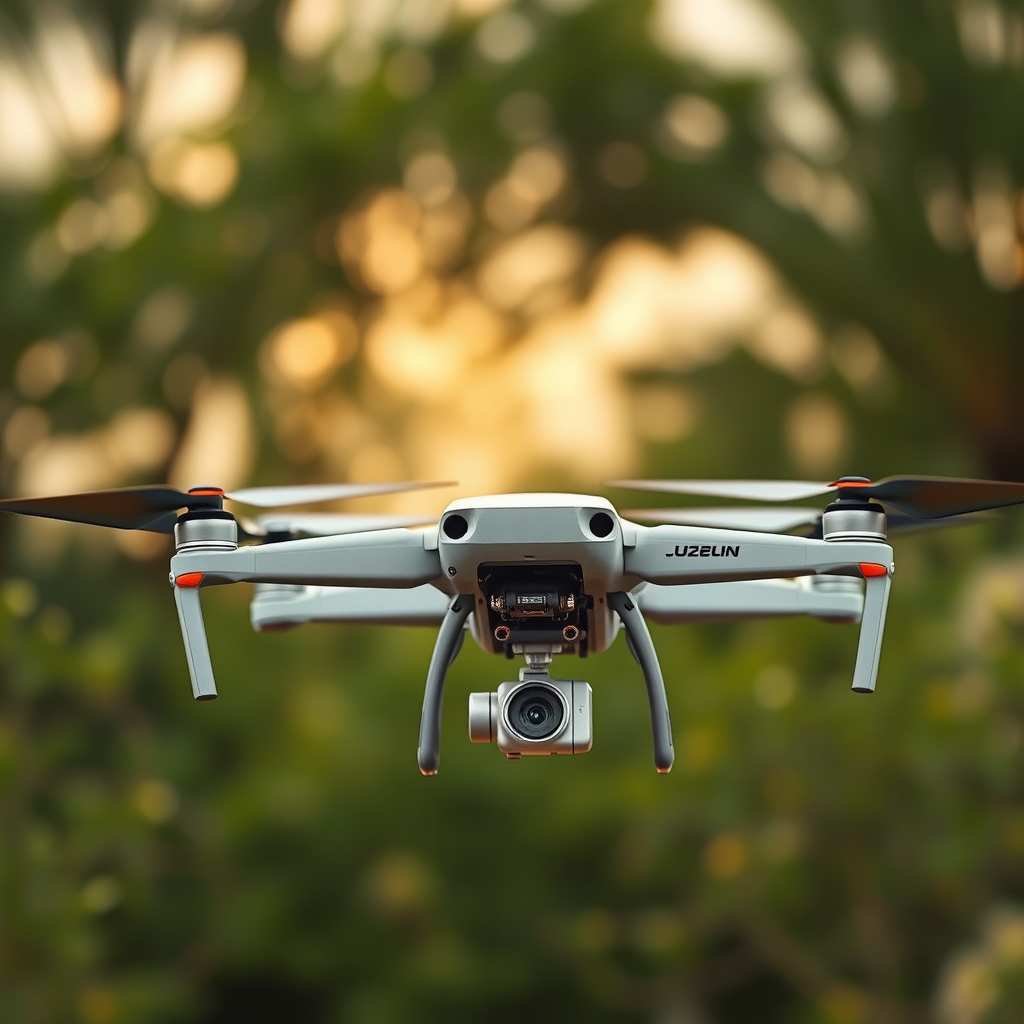
Federal laws in the United States classify drones as aircraft, which means that actions such as shooting them down can violate the Federal Aviation Administration (FAA) regulations. The FAA strictly prohibits any interference with the operation of an aircraft, which includes drones, whether they are commercial or recreational. Shooting down a drone could result in criminal charges, such as destruction of property or endangerment, and potentially significant fines.
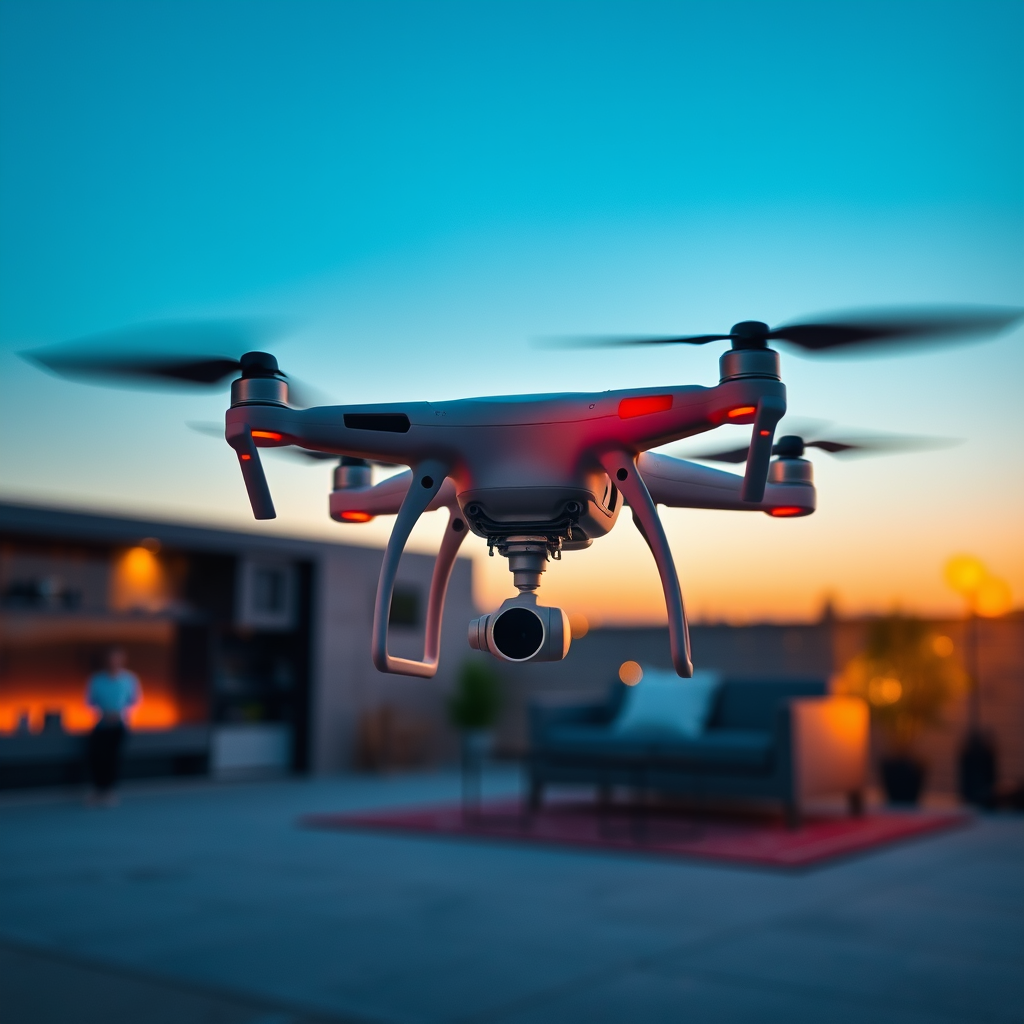
State laws also play a crucial role in determining the legality of shooting down a drone. While some states have enacted laws that specifically address drone usage and privacy issues, many states follow federal guidelines that prohibit the destruction of aircraft. For instance, in states like California, individuals are not permitted to take down drones unless they pose an immediate threat to personal safety or property. Violating these laws can lead to civil penalties, including lawsuits for damages or harassment claims from drone operators.
The legal ramifications extend beyond direct consequences; they can also affect insurance coverage and liability. If a drone is shot down and causes damage to property or injury to individuals, the shooter could face lawsuits that may not be covered by their insurance policies. Therefore, understanding the legal framework surrounding drone operations is essential for anyone considering drastic measures.
Safety Risks
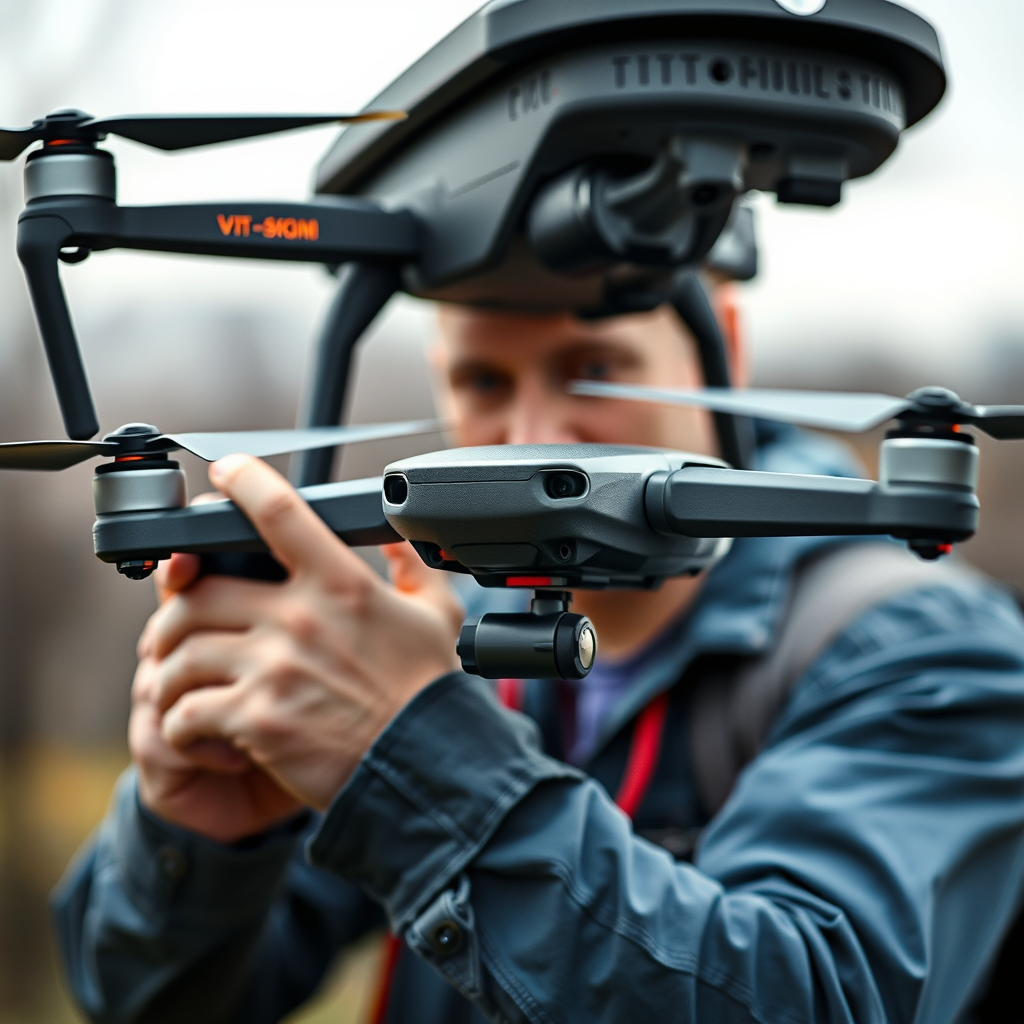
Shooting a drone down presents significant safety risks that cannot be overlooked. The act of firing a weapon at an aerial target poses the danger of bullets ricocheting or missing their intended target altogether, potentially harming innocent bystanders or damaging property. For instance, a bullet fired at a drone could stray into a nearby home, vehicle, or even a gathering of people, leading to severe injuries or fatalities.
Moreover, drones are often equipped with advanced technology, including cameras and sensors that could capture the shooting event. This could result in legal repercussions for the shooter, as the incident could be recorded and used as evidence against them in court. Notably, drones can be deployed for legitimate purposes, such as aerial photography, monitoring wildlife, or delivering goods. Misjudging a drone’s intentions may lead to unnecessary confrontations and further complicate the situation.
Additionally, the potential for public outcry should not be underestimated. Incidents involving firearms and drones may attract media attention and lead to broader discussions about firearm safety, drone regulations, and community standards. The public perception of shooting a drone down can have long-lasting repercussions for the individual involved, impacting their reputation and standing in the community.
Alternatives to Shooting Down a Drone
Given the legal and safety risks associated with shooting down a drone, individuals should consider alternative actions when confronted with unwanted drone activity. One of the most effective steps is to contact local authorities. If a drone is flying over private property or appears to be invading your privacy, reporting the incident to law enforcement can help ensure that appropriate action is taken. Authorities are trained to handle such situations and can intervene without escalating the issue.
Another practical approach is to utilize software or apps designed to detect and track drone activity. These tools can help you ascertain the drone’s operator and purpose, potentially revealing that the drone is being used for benign reasons, such as surveying land or conducting research. Understanding the context can help diffuse tension and avoid unnecessary confrontations.
In some instances, drone jamming devices may be considered, though their legality varies by jurisdiction. These devices disrupt the radio signals that control drones, forcing them to land or return to their point of origin. However, using jamming devices can lead to significant legal consequences, as they may interfere with other legitimate communications and violate federal law. Therefore, it’s vital to research local regulations and consult with legal experts before considering this option.
Understanding Drone Regulations
To effectively address concerns related to drones, it is essential to familiarize yourself with FAA regulations and local laws governing drone operation. The FAA outlines rules for drone operators, including height restrictions, no-fly zones, and guidelines for commercial use. Understanding these regulations helps property owners recognize their rights concerning airspace and privacy.
Additionally, property owners should be aware of their rights regarding privacy violations. Many states have enacted privacy laws that limit how drones can be used, especially when it comes to capturing images or videos without consent. For example, in states like Florida, there are stringent laws that prohibit drone operators from invading someone’s privacy by recording them without permission. Knowing these laws can empower individuals to take action if they believe their privacy is being compromised.
Staying updated on local laws that may affect drone usage is crucial as legislation continues to evolve. Many municipalities are enacting drone-specific regulations to address community concerns, so being informed can help residents navigate their rights and responsibilities effectively.
Dealing with Privacy Concerns
If you find yourself in a situation where a drone is invading your privacy, it is essential to document the incident thoroughly. Taking photographs, noting the time and location, and collecting any evidence of the drone’s behavior can be invaluable if the matter escalates. This documentation may serve as proof in legal proceedings or when reporting the incident to local authorities.
Understanding your state’s specific privacy laws related to drone usage can provide clarity on your rights. Some states have laws that specifically address drone surveillance, which can be leveraged if a drone is capturing images or video of your private property without consent. Engaging in dialogue with the drone operator can also be effective; they may be unaware that their drone is causing distress or invading your personal space. A calm conversation could potentially resolve the issue amicably.
In more severe cases, where drones are repeatedly invading privacy or causing distress, seeking legal counsel may be necessary. Legal professionals can provide guidance on your rights and the potential for filing a complaint against the operator. It is essential to approach these situations with care, ensuring that your actions remain within the bounds of the law.
Seeking Professional Help
In instances of harassment or severe drone-related issues, consulting legal professionals can offer peace of mind and clarity on how to proceed. Attorneys specializing in drone law or privacy issues can provide tailored advice based on your unique situation. They can help you understand the potential for civil action and what steps you can take to protect your rights.
Additionally, consider hiring drone experts who can help mediate the situation. These professionals understand drone technology and regulations and can assist in addressing concerns with the operator directly. They may also provide insights into the legality of the drone’s operations.
Exploring local advocacy groups focused on drone regulations and privacy rights can also be beneficial. These organizations often have resources and networks that can provide support and amplify your concerns. Engaging with community groups can raise awareness about drone usage issues in your area and lead to more comprehensive discussions about regulations and best practices.
In conclusion, while it may be possible to shoot down a drone, the legal and safety implications make it an inadvisable course of action. Understanding the legal framework, recognizing the potential safety risks, and exploring alternative actions can help individuals address their concerns regarding problematic drones effectively. Always stay informed about the regulations in your area regarding drone usage and prioritize legal avenues to protect your rights and privacy.
Frequently Asked Questions
Can I legally shoot down a drone that is flying over my property?
No, you cannot legally shoot down a drone flying over your property. Most jurisdictions classify this act as unlawful use of force and could result in criminal charges, including destruction of property or endangerment. Instead, you should report the drone to local authorities or law enforcement if it poses a privacy concern or violates local laws.
What should I do if a drone is invading my privacy?
If a drone is invading your privacy, the first step is to document the situation, noting the time, location, and any identifiable features of the drone. Then, you should contact local law enforcement or your local government to report the incident, as many areas have laws regulating drone flights and privacy violations. It’s essential to understand your rights regarding privacy and the use of drones in your area.
How can I protect my property from drones?
To protect your property from drones, consider using physical barriers like trees or privacy fences, which can obstruct a drone’s line of sight. Additionally, you can invest in drone detection technology that alerts you to unauthorized drone activity around your property. Educating yourself on local laws regarding drones also helps you understand your rights and options for addressing unwanted drone presence.
Why are drones flying over residential areas?
Drones may fly over residential areas for various reasons, including real estate photography, surveying land, or recreational use. Some companies also use drones for deliveries or to monitor infrastructure. While many drone operators follow local regulations, it’s important to be aware of your rights and report any suspicious or intrusive drone activity.
What are the best ways to report a drone that is causing a disturbance?
The best ways to report a drone causing a disturbance include contacting your local law enforcement or non-emergency police line, especially if the drone poses a safety risk. You can also file a complaint with the Federal Aviation Administration (FAA) if the drone is flying at unsafe altitudes or violating airspace regulations. Documenting the drone’s behavior and any potential violations can help authorities address the issue more effectively.
References
- https://en.wikipedia.org/wiki/Drone_shooting
- https://www.faa.gov/uas/
- https://www.bbc.com/news/technology-45231247
- https://www.theguardian.com/technology/2020/jun/11/can-you-shoot-a-drone-down-what-you-need-to-know
- https://www.nytimes.com/2018/09/18/us/drones-shooting-down.html
- https://www.nolo.com/legal-encyclopedia/can-i-shoot-drone-my-property-297019.html
- https://www.wired.com/story/can-you-shoot-down-a-drone/
- https://www.techrepublic.com/article/the-legalities-of-shooting-down-drones/
- https://www.dhs.gov/publication/drones-and-airspace-security
