

Yes, you can shoot a drone in your yard, but it’s important to understand the legal implications and potential consequences of doing so. The legality of shooting a drone varies by location and circumstance, with specific regulations governing the use of firearms and airspace that you must consider. Engaging in such an action without a thorough understanding of local laws can lead to serious legal repercussions, including criminal charges and civil liability.
Understanding Drone Regulations
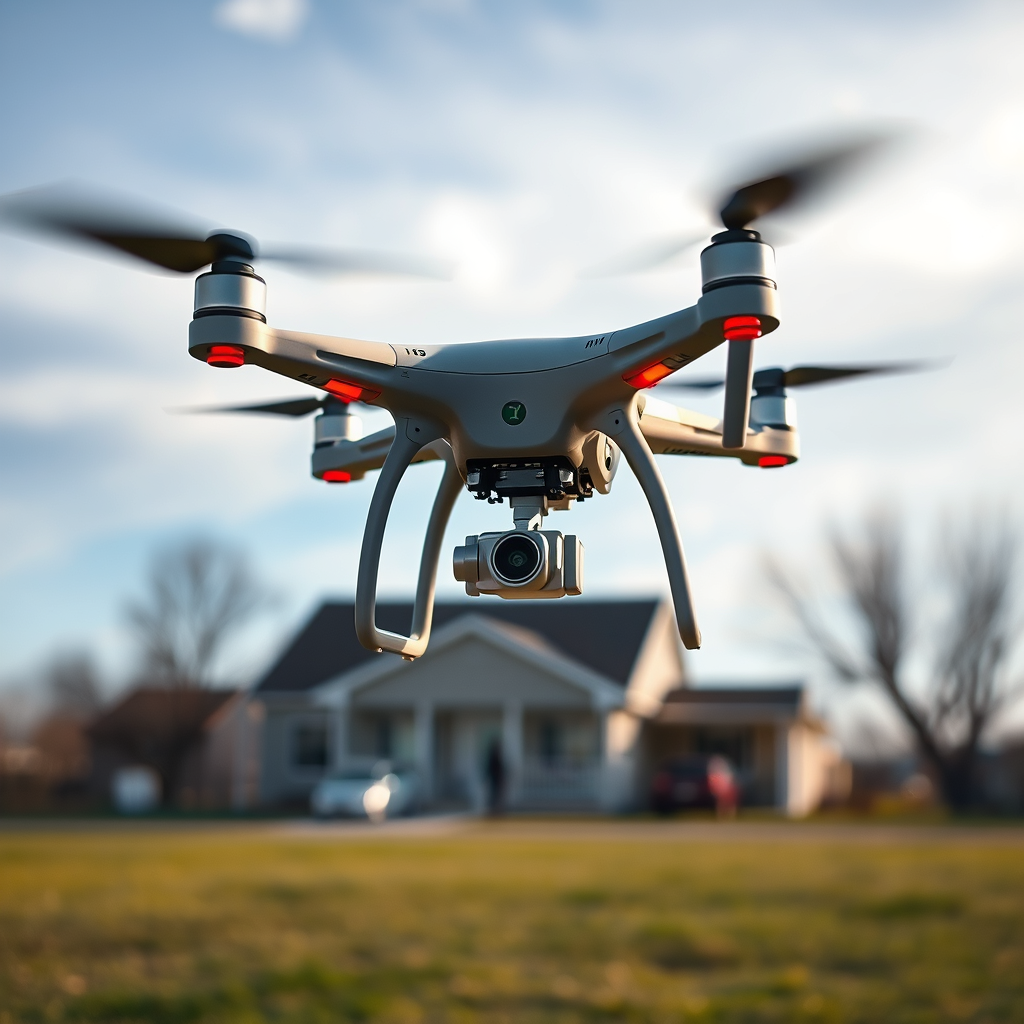
Drones are subject to Federal Aviation Administration (FAA) regulations, which govern their use in national airspace. The FAA classifies drones as aircraft, and as such, they must adhere to strict guidelines regarding where and how they can be flown. For instance, drones cannot be flown over people, near airports, or above a certain altitude without special permits. These regulations are designed to ensure safety and minimize the risk of accidents in the airspace.
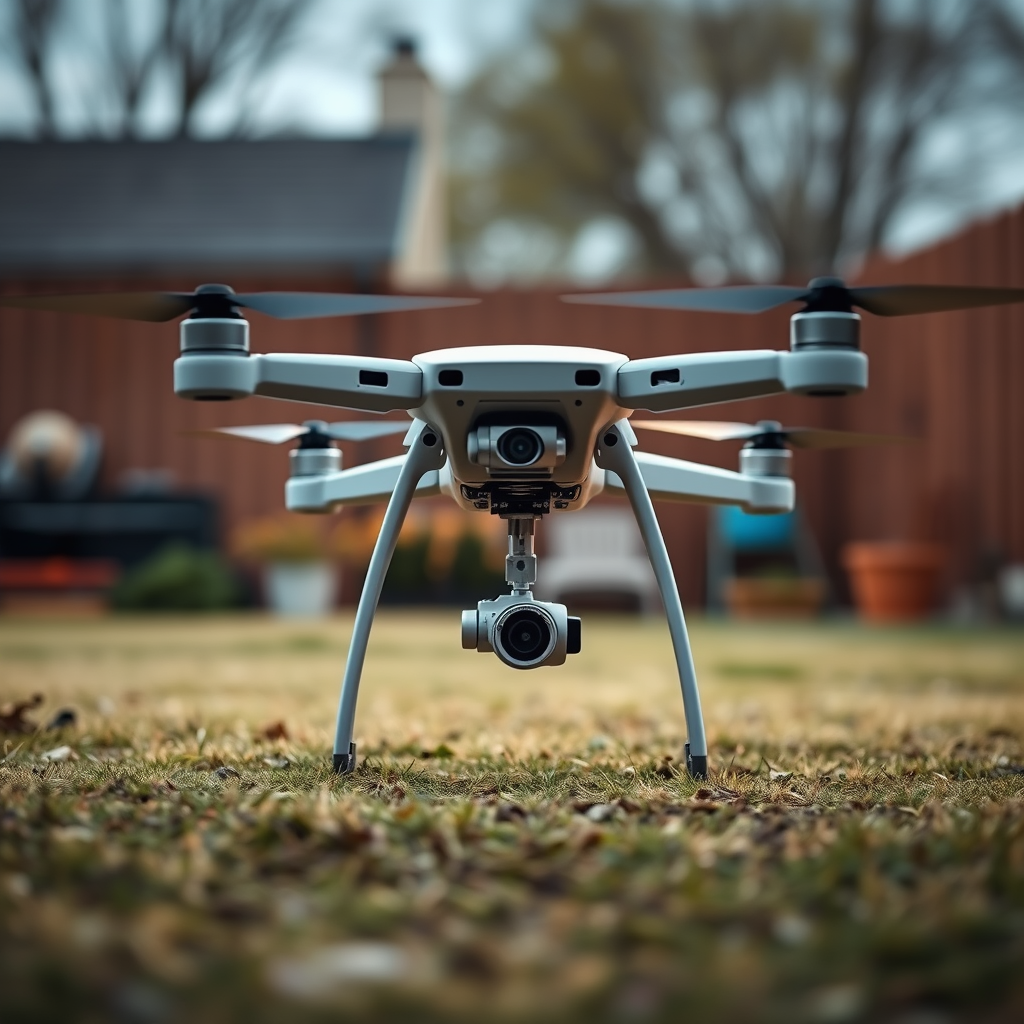
However, local laws may differ significantly from federal regulations. Many states, counties, and municipalities have enacted their own rules regarding drone operation, including restrictions on where drones can be flown and under what circumstances. Some areas may have specific laws prohibiting the shooting of drones, regardless of the circumstances. Therefore, it is crucial to check both state and municipal regulations regarding the use of firearms and the shooting of drones before considering any action.
Self-Defense or Property Protection?
Shooting a drone may be considered self-defense if it poses a direct threat to your safety or property. For example, if a drone is hovering over your yard and you believe it is invading your privacy or is being used for malicious purposes, you might feel justified in taking action. However, the key factor is whether the drone presents a legitimate threat.
It’s vital to assess the situation critically. If the drone is simply passing through and poses no harm, shooting it may not only be unnecessary but could also be legally questionable. Moreover, if the drone is operated by a neighbor or a hobbyist, it may be more prudent to address your concerns directly with them rather than resorting to drastic measures.
Understanding the context of your situation is essential. For example, if the drone is equipped with a camera and is potentially spying on you, this may heighten your sense of violation and prompt a more aggressive response. However, shooting a drone should always be considered a last resort after evaluating the actual threat it poses.
Legal Consequences of Shooting a Drone
Discharging a firearm in a residential area can lead to serious legal repercussions, including fines or even criminal charges. Most jurisdictions have laws that prohibit the reckless use of firearms, which could encompass shooting at a drone. For instance, if you miss your intended target and hit a person or property, you may face charges ranging from negligence to assault.
Furthermore, damaging a drone could result in civil liability for the destruction of property. The owner of the drone may seek compensation for the damage, especially if it can be demonstrated that the drone was being operated legally. Courts have increasingly upheld the property rights of drone owners, making it vital to consider the potential financial implications of shooting a drone.
In recent years, there have been several high-profile cases where individuals faced legal action for shooting drones. In one notable instance, a farmer shot down a drone that was allegedly invading his privacy, only to find himself facing criminal charges for discharging a firearm. This example illustrates the complexities involved in trying to protect one’s property while navigating the legal landscape surrounding drone use.
Alternatives to Shooting a Drone
Before resorting to shooting a drone, consider non-lethal alternatives to deter unwanted aerial surveillance. One option is to use signal jammers; however, it is crucial to note that using such devices is illegal in many jurisdictions, including the United States, as they can interfere with legitimate communications and navigation systems. Always check local laws before considering this route.
Another alternative is to report the drone to local authorities. Many law enforcement agencies have protocols in place for responding to drone-related complaints. If a drone is invading your privacy or creating disturbances, documenting the incidents and contacting local law enforcement can be a more prudent and legal approach.
If possible, engaging with the drone operator may also be beneficial. They might not be aware that their actions are upsetting you, and a simple conversation could resolve the issue amicably. Open communication can often lead to a better understanding between neighbors and might prevent further conflicts.
When to Call Authorities
If you find that a drone is consistently invading your privacy or creating disturbances, it is advisable to document these incidents thoroughly. Take notes regarding the dates, times, and specific behaviors of the drone, as well as any interactions with the operator. This documentation can be invaluable if you need to escalate the situation to local law enforcement or aviation authorities.
In situations where a drone poses an immediate threat, such as flying dangerously close to people or vehicles, contacting local law enforcement is essential. Authorities can intervene to ensure public safety and can take appropriate action against unlawful drone operation. It is critical to provide as much detail as possible to assist them in addressing the situation effectively.
Legal Precedents and Cases
Researching notable cases where individuals have faced legal action for shooting drones can inform your understanding of the potential consequences. For example, in a case in Virginia, a man shot down a drone that was allegedly spying on him, resulting in a lawsuit from the drone’s owner for damages. The court ruled in favor of the drone owner, establishing a precedent that shooting a drone without justification can lead to legal liability.
Understanding how courts have ruled on drone-related disputes can provide valuable insights into the risks associated with shooting a drone. Familiarizing yourself with these legal precedents can help inform your actions and ensure that you remain compliant with the law.
In conclusion, while it’s technically possible to shoot a drone in your yard, the legal ramifications can be significant. Engaging in such actions without fully understanding the laws and potential consequences can lead to criminal charges and civil liability. It is advisable to explore alternative options, such as reporting to authorities or communicating directly with the drone operator, before taking any drastic measures. Always prioritize safety and adherence to local laws to protect yourself and your property.
Frequently Asked Questions
Can I legally fly a drone in my backyard?
Yes, you can legally fly a drone in your backyard, but there are specific regulations you need to follow. The Federal Aviation Administration (FAA) requires drone pilots to adhere to guidelines, such as maintaining a visual line of sight and not exceeding 400 feet in altitude. Additionally, check your local laws and HOA regulations, as some areas may have restrictions on drone use.
What are the safety precautions I should take when flying a drone in my yard?
When flying a drone in your yard, prioritize safety by conducting a pre-flight check to ensure your drone is in good working condition. Maintain a safe distance from people, pets, and structures, and avoid flying near airports or restricted airspace. Additionally, keeping your drone within your line of sight and being aware of changing weather conditions are crucial for safe operation.
How can I avoid disturbing my neighbors when flying a drone at home?
To minimize disturbances to your neighbors while flying a drone in your yard, choose appropriate times for flying, preferably when it is less likely to disrupt others, such as during the day. Communicate with your neighbors about your drone activities and consider flying at lower altitudes to reduce noise. Using a quieter drone model can also help in maintaining good neighborly relations.
Why is it important to register my drone before flying it in my yard?
Registering your drone is essential due to FAA regulations that apply to drones weighing over 0.55 pounds. Registration not only helps ensure accountability but also provides you access to important information on safety and operating guidelines. Additionally, if your drone is lost or causes damage, having it registered can help in resolving issues more effectively.
Which drones are best for flying in small backyards?
When flying in small backyards, it’s best to choose compact and agile drones designed for indoor or limited outdoor use. Models like the DJI Mini series or the Holy Stone HS210 are excellent options due to their lightweight design, ease of control, and safety features. Consider drones with obstacle avoidance technology to navigate tighter spaces effectively while minimizing the risk of collisions.
References
- https://www.faa.gov/uas/getting_started/registration
- https://www.nolo.com/legal-encyclopedia/can-you-shoot-drone-your-property.html
- https://www.theguardian.com/technology/2020/aug/25/us-drone-laws-private-property
- https://www.wired.com/story/drones-property-rights-privacy/
- https://www.nytimes.com/2021/05/27/us/drone-laws.html
- https://www.reuters.com/article/us-usa-drone-laws-idUSKCN1VZ1Y5
- https://www.ncsl.org/research/telecommunications-and-technology/drone-laws.aspx
