

Yes, you can shoot a drone out of the sky, but it is illegal in most places and comes with significant legal repercussions. While the idea of defending one’s privacy or property from intrusive aerial surveillance might seem justifiable, the legal landscape surrounding drone usage is complex and strict. Understanding the laws governing drones, the potential consequences of taking drastic actions, alternative methods of addressing drone-related concerns, and the safety risks involved is crucial before considering any form of retaliation against drones.
Understanding Drone Regulations
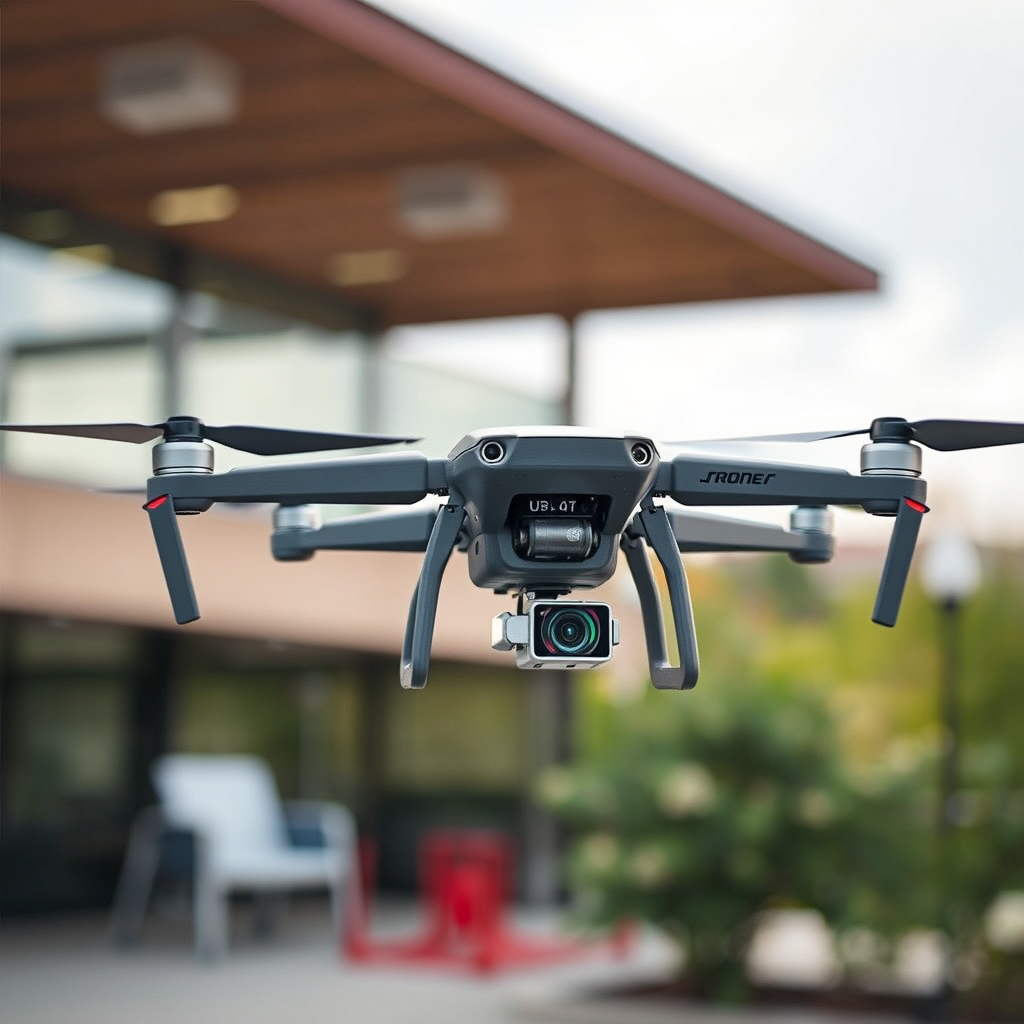
Drones, or unmanned aerial vehicles (UAVs), are subject to an array of regulations designed to ensure safety and privacy. Most countries have established strict laws regarding drone usage, which include registration requirements, flight altitude limitations, and restrictions on flying in certain airspace, such as near airports or crowded areas. For instance, in the United States, the Federal Aviation Administration (FAA) regulates drone operations and mandates that operators follow specific guidelines to avoid endangering public safety.
Shooting down a drone can violate not only federal laws but also state and local statutes. In the U.S., for example, federal law prohibits the destruction of aircraft, and drones are classified as such. This means that taking aim at a drone can lead to serious criminal charges, including felonies. Furthermore, many countries have specific laws that address the use of force against UAVs, often categorizing such actions as illegal, which can result in fines or imprisonment. Thus, understanding these regulations is paramount for anyone contemplating shooting a drone.
Legal Consequences of Shooting a Drone
The legal ramifications of shooting a drone extend beyond federal violations. If a drone is flying over your property without permission, you might think you have a right to defend your space. However, laws concerning trespassing can be ambiguous when it comes to airborne devices. Depending on the jurisdiction, a drone operator may have the right to fly over private property as long as it is within legal airspace. Therefore, shooting down a drone could lead to charges of criminal mischief, damage to property, or even assault if injury occurs.
Additionally, there are potential civil liabilities for damages incurred by shooting down a drone. If a bullet or projectile misses its target and damages someone else’s property or injures a person, the shooter could face substantial financial repercussions. Courts have increasingly been ruling in favor of drone operators in cases where their drones were shot down, emphasizing the need for legal recourse rather than self-help measures. This landscape underscores the importance of exploring legal avenues rather than resorting to violence.
Alternative Methods to Deal with Drones
Instead of engaging in illegal or dangerous activities, there are several legal alternatives to address concerns posed by drones. One of the most effective approaches is to report any suspicious drone activity to the appropriate authorities. In the U.S., this could involve contacting local law enforcement or the FAA, who can investigate potential violations of regulations or privacy rights.
In addition, employing technology such as drone jammers may be a viable option in some jurisdictions, although many areas have laws regulating their use. These devices can disrupt the communication between a drone and its operator, causing the drone to land safely or return to its takeoff point. However, it is crucial to research and understand the legal implications of using such technology, as misuse can lead to federal charges.
Another approach is to use physical barriers or netting systems designed to keep drones away from private property. This proactive measure can provide peace of mind without resorting to aggressive tactics.
Safety Risks of Shooting a Drone
Shooting a drone poses significant safety risks not only to the shooter but also to bystanders and surrounding property. Bullets can ricochet or miss their intended target, potentially injuring innocent people or causing damage to nearby vehicles or structures. The unpredictability of firearms in a populated area can lead to catastrophic outcomes, making the act of shooting a drone incredibly reckless.
Moreover, the act of shooting could escalate tensions between the shooter and the drone operator, potentially leading to confrontations or retaliatory actions. In some cases, drone operators may be recording the incident, leaving the shooter vulnerable to legal action. Therefore, the safety risks associated with shooting a drone far outweigh any perceived benefits.
Public Perception and Ethical Considerations
The act of shooting a drone can create negative public sentiment against the individual who engages in such behavior. In an age where privacy concerns are increasingly recognized, many people advocate for peaceful resolutions rather than violent confrontations. Resorting to force against a drone can lead to a public backlash, damaging one’s reputation and potentially leading to community ostracism.
From an ethical standpoint, using force against an unmanned vehicle raises questions about the justification of such actions. Drones are often used for legitimate purposes, such as photography, surveying, or search and rescue missions. Understanding the motivations behind a drone’s presence can foster empathy rather than aggression. Engaging in dialogue or reporting to authorities can be more constructive ways to address concerns regarding privacy or safety.
When Shooting a Drone Might Be Justifiable
While the general consensus is that shooting a drone is inadvisable, there may be extreme situations where it could be considered justifiable. For example, if a drone poses an immediate threat to personal safety—such as being used for harassment, stalking, or invasion of privacy—taking action may seem more warranted. In these scenarios, individuals should still prioritize contacting law enforcement or legal authorities to handle the situation appropriately.
Additionally, understanding the context and motives behind the drone’s presence is crucial. If a drone is being used in a manner that directly endangers lives or violates personal rights, it may warrant a more urgent response. However, even in these cases, it is advisable to seek legal recourse rather than take matters into one’s own hands.
In conclusion, while it is technically possible to shoot a drone out of the sky, it is fraught with legal and safety risks. The complex regulations surrounding drone operation, the potential for severe legal consequences, the risks to personal safety, and the ethical implications all point to the necessity of exploring legal alternatives. Engaging with authorities to report suspicious drone activity or utilizing non-destructive methods to manage the situation is advisable. Understanding and respecting the laws governing drones can help maintain a safer environment while addressing privacy and safety concerns effectively.
Frequently Asked Questions
Can I legally shoot a drone out of the sky?
Legally shooting a drone out of the sky is generally prohibited in many jurisdictions. In the United States, for example, the Federal Aviation Administration (FAA) strictly regulates airspace and considers drones as aircraft. Shooting down a drone can result in severe legal consequences, including criminal charges and fines. It’s essential to check local laws and regulations regarding drones before taking any action.
What should I do if a drone is flying over my property?
If a drone is flying over your property, the first step is to assess whether it poses a privacy or safety threat. If you feel uncomfortable, you can try to identify the drone’s operator and communicate your concerns. If the drone is invasive or violating privacy laws, you may report it to local law enforcement or the FAA, who can address the issue appropriately. Avoid taking matters into your own hands, as this can lead to legal repercussions.
How can I protect my privacy from drones?
Protecting your privacy from drones can be challenging but not impossible. Consider installing privacy screens or using natural barriers, such as trees or shrubs, to obstruct the view from above. Additionally, you can look into anti-drone technology, such as signal jammers or drone detection systems. Remember to familiarize yourself with local regulations regarding drone usage and privacy to understand your rights better.
Why are drones such a concern for homeowners?
Drones can be a concern for homeowners due to privacy invasion, potential safety hazards, and property damage. Many individuals worry about being surveilled or recorded without their consent. Moreover, drones can inadvertently cause accidents, especially if they malfunction or collide with other objects. Understanding both the benefits and risks of drone technology can help homeowners navigate their concerns effectively.
What are the best ways to report a rogue drone?
The best ways to report a rogue drone include contacting local law enforcement or the FAA. If you believe the drone is being operated recklessly or illegally, providing details such as the drone’s location, appearance, and the operator’s actions can be helpful. Additionally, some local governments have specific reporting systems for drone-related issues. Being proactive and informed about local laws will aid in effectively addressing rogue drone situations.
References
- https://en.wikipedia.org/wiki/Drone#Legal_and_regulatory_issues
- https://www.faa.gov/uas/getting_started/registration
- https://www.nytimes.com/2020/06/01/us/drones-police.html
- https://www.theguardian.com/us-news/2020/jun/01/us-drones-police-civil-liberties
- https://www.bbc.com/news/technology-45023645
- https://www.nap.edu/catalog/24970/aircraft-drones-and-the-future-of-personal-mobility
- https://www.faa.gov/uas/resources/policy_making/
- https://www.aclu.org/news/privacy-technologyn/drone-surveillance-and-the-aclu-what-you-need-to-know
- https://www.ncbi.nlm.nih.gov/pmc/articles/PMC6779679/
