
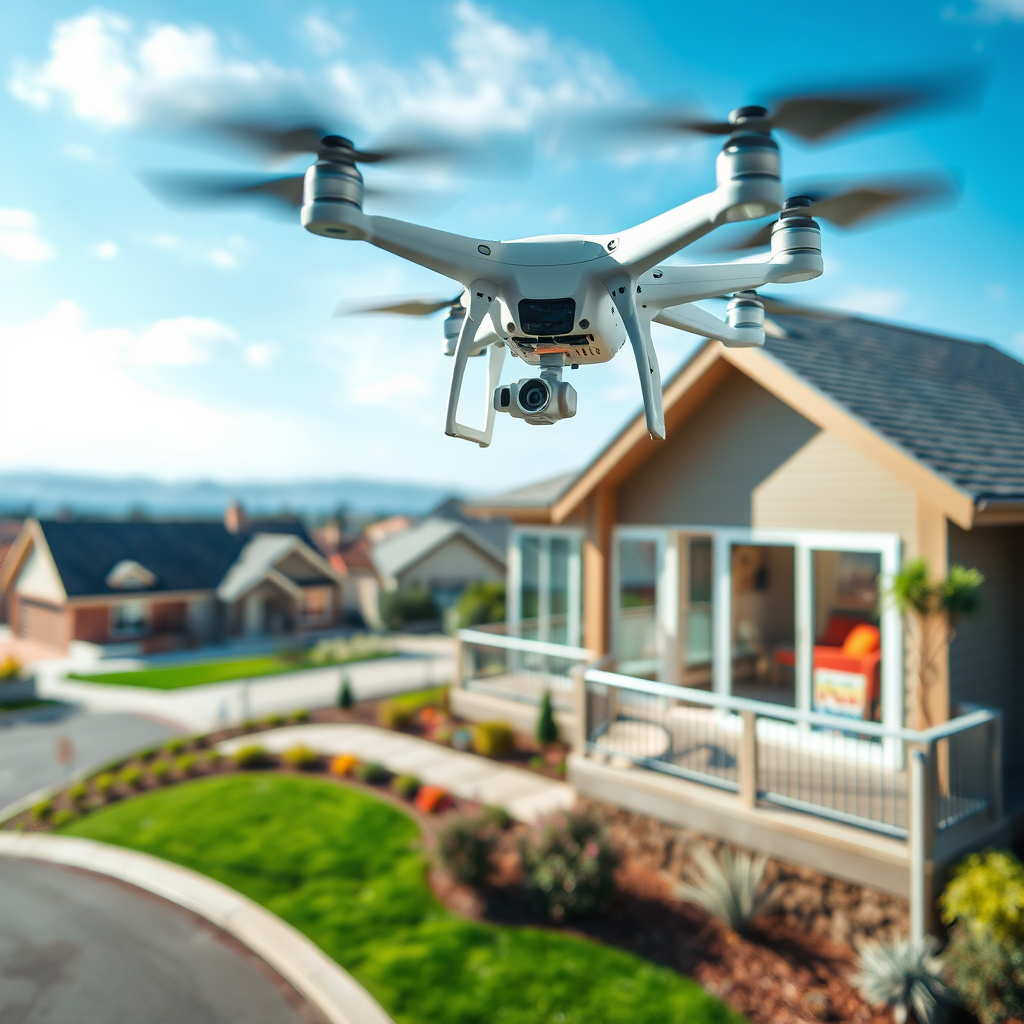
You may not legally shoot down a drone flying over your property, even if it is invading your privacy or causing annoyance. The laws surrounding drones are complex and vary by location, so it’s essential to understand your rights and the legal implications before considering any action. Engaging in such behavior could lead to severe legal consequences, including criminal charges and civil lawsuits, making it crucial to explore alternative methods of addressing the issue.
Understanding Drone Laws
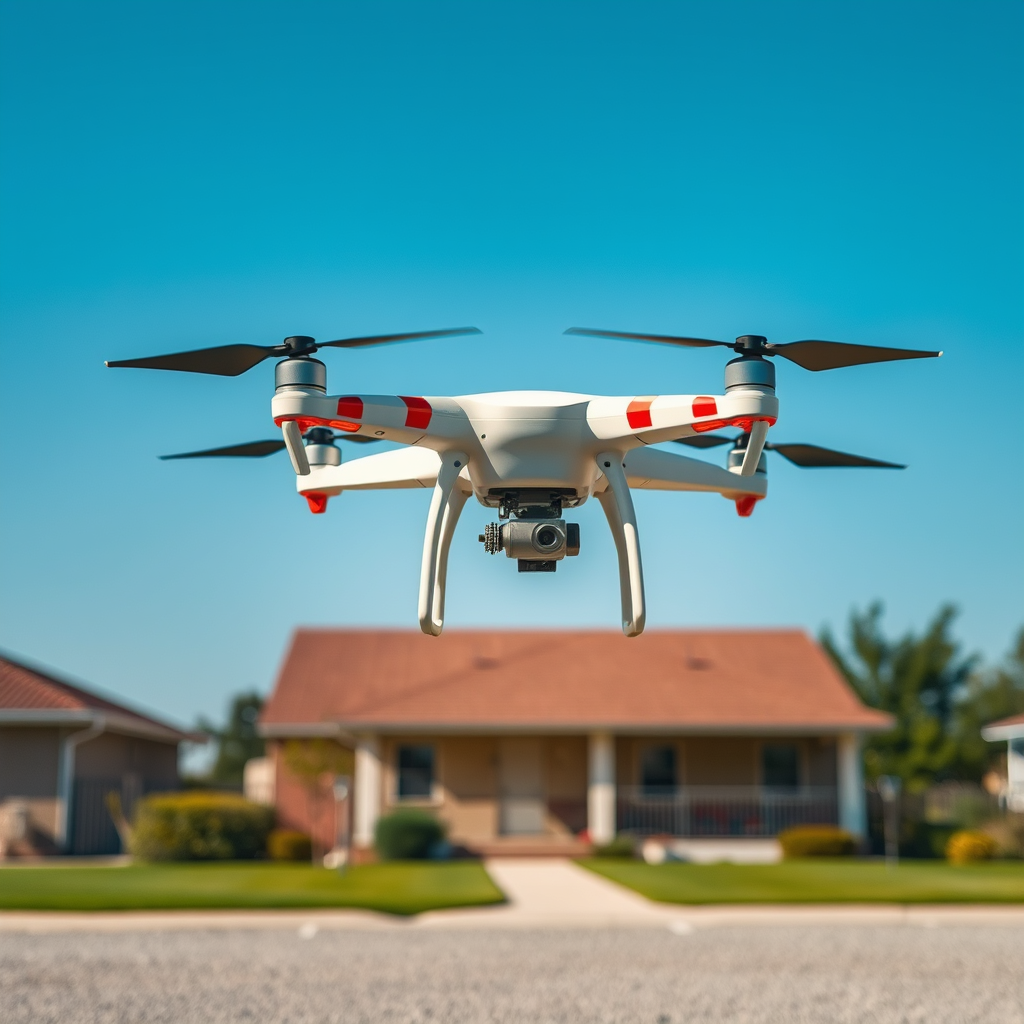
The regulation of drone operations in the United States primarily falls under the jurisdiction of the Federal Aviation Administration (FAA). The FAA has established specific guidelines that govern where and how drones can operate within the national airspace. Generally, these regulations are designed to ensure safety and minimize potential hazards to people and property on the ground. For instance, drones must be flown below 400 feet, away from populated areas, and cannot be flown in restricted airspace without proper authorization.
In addition to federal regulations, many states and municipalities have enacted their own laws concerning drone usage, often addressing privacy rights and the operation of drones near private properties. For example, some states have laws that prohibit the use of drones to capture images or videos of individuals without their consent. Understanding both federal and state-specific laws is critical for property owners who feel their privacy is being violated by a drone.
Property Rights and Airspace
Property rights traditionally extend to the airspace directly above one’s land; however, this ownership is not absolute and typically only extends to a reasonable height. The FAA regulates navigable airspace, which is generally considered to begin at 500 feet above ground level. Thus, property owners may not have the legal right to shoot at a drone flying at an altitude that is within FAA guidelines.
Attempting to shoot down a drone could be construed as destruction of property, particularly if the drone belongs to another individual. This act could result in criminal charges, such as vandalism or criminal mischief, and the drone operator could file a civil lawsuit seeking damages for the loss of their equipment. Legal interpretations can vary by state, making it vital for property owners to be well-informed about both their rights and the limitations of those rights.
Self-Defense and Drones
When considering the use of force against a drone, it’s important to understand the legal framework surrounding self-defense. Self-defense laws typically apply to immediate threats to personal safety, and drones, in most cases, do not meet this criterion. Even if a drone is invading your airspace, it is not deemed a direct physical threat, making self-defense claims unlikely to hold up in court.
Instead of resorting to drastic measures, property owners facing issues with drones should carefully assess the situation and consider reporting the drone to local law enforcement or the FAA. Authorities are better equipped to handle such matters, ensuring that any potential violations of laws or regulations are addressed without escalating the situation.
Privacy Concerns with Drones
Drones equipped with cameras and other monitoring equipment can present significant privacy concerns. The ability to capture images or video footage from the air has led many individuals to feel uneasy, particularly if they suspect that they are being surveilled without their consent. Complaints about drones often arise from fears of invasion of privacy, especially in residential neighborhoods where proximity to neighbors is close.
For those who feel their privacy is being compromised, exploring legal avenues can be more beneficial than attempting to take matters into their own hands. Seeking a restraining order or utilizing privacy laws applicable in one’s state can provide a legal framework to address the issue. Documenting incidents involving drone activity, including dates, times, and any evidence of recordings or images captured, can bolster a case if legal action is warranted.
Alternatives to Shooting Down a Drone
Rather than resorting to shooting down a drone, property owners have several peaceful alternatives to consider. One effective approach is to attempt to contact the drone operator directly. If the operator is in the vicinity, a respectful conversation may resolve the issue amicably. Many drone operators are hobbyists who may not be aware of the legal implications of their actions or the discomfort they may be causing.
Additionally, local authorities can provide assistance in managing drone-related complaints. Most municipalities have established procedures for reporting drone activity, and law enforcement can intervene if necessary. Employing drone detection technology is another option; these devices can help monitor and document unwanted drone activity, offering evidence that may be useful if further action is needed.
Legal Consequences of Shooting a Drone
Shooting down a drone can lead to serious legal repercussions. Potential criminal charges can include disorderly conduct, reckless endangerment, or destruction of property, all of which carry significant penalties. Moreover, the drone operator could pursue civil litigation, seeking damages for the loss of their drone, which can be costly and time-consuming for the property owner.
Beyond the immediate legal ramifications, shooting down a drone can escalate tensions between neighbors and lead to ongoing disputes. Maintaining a good relationship with those in your community is often more beneficial than engaging in confrontational behavior that could lead to a protracted legal battle.
Reporting a Drone Incident
If you find that a drone is invading your space or causing problems, it is essential to document the incident thoroughly. Record details such as the date, time, location, and any actions taken to address the situation. This documentation can be invaluable if you decide to report the incident to local law enforcement or the FAA.
Local law enforcement agencies may have specific procedures for handling drone-related complaints, including investigating unauthorized drone flights or breaches of privacy. Understanding and following these procedures can help ensure that your concerns are taken seriously and addressed appropriately.
In conclusion, while it may be tempting to take drastic action against a drone hovering over your property, the legal ramifications are significant. It’s advisable to explore legal channels and peaceful resolutions instead. Always stay informed about local laws regarding drone usage to protect your rights effectively. Engaging in peaceful dialogue, utilizing available technology, and seeking assistance from authorities can often lead to a more favorable outcome than taking matters into your own hands.
Frequently Asked Questions
Can I shoot down a drone that is flying over my property?
No, shooting down a drone that is flying over your property is generally illegal and can lead to serious legal consequences. Most jurisdictions classify drones as aircraft, and damaging or destroying them can result in criminal charges, liability for damages, and potential fines. Instead, consider contacting local law enforcement or a drone regulation authority to address any privacy or safety concerns you may have.
What should I do if a drone is hovering over my yard?
If a drone is hovering over your yard, your first step should be to assess the situation calmly. You can try to identify the operator and express your concerns respectfully. If you believe the drone poses a threat to your privacy or safety, document the incident and contact local authorities for guidance on what actions you can take, as laws about drone usage vary by location.
Why are drones legally allowed to fly over private property?
Drones are often legally permitted to fly over private property due to the airspace regulations governed by federal aviation authorities, such as the Federal Aviation Administration (FAA) in the United States. The law typically sees the airspace above private property as public airspace, meaning that drones can operate there as long as they comply with safety regulations. This can lead to frustrations for property owners who feel their privacy is being invaded.
Which laws govern drone usage over private property?
The laws governing drone usage over private property can vary widely depending on your country and local jurisdiction. In the U.S., the FAA regulates drone operations in the national airspace, while state and local laws can address privacy issues related to drone surveillance. It’s important to familiarize yourself with both federal and local regulations, as well as any specific ordinances that may apply in your area concerning drone flights.
How can I protect my privacy from drones flying over my property?
To protect your privacy from drones flying over your property, you can take several proactive measures. First, educate yourself about local drone laws and your rights as a property owner. Consider using physical barriers, such as privacy fences or dense landscaping, to limit visibility from above. Additionally, you can file a complaint with local authorities if you believe a drone is being operated in violation of privacy laws, or consider discussing your concerns with neighbors who may be operating drones.
References
- https://www.wired.com/story/can-you-shoot-a-drone-over-your-property/
- https://www.theguardian.com/technology/2021/oct/22/can-you-shoot-down-a-drone-over-your-property
- https://www.faa.gov/uas/resources/policy_library/
- https://www.nolo.com/legal-encyclopedia/can-i-shoot-down-drone-my-property-29758.html
- https://www.lawfareblog.com/what-happens-if-you-shoot-drone-your-property
- https://www.bbc.com/news/technology-56365764
- https://www.usatoday.com/story/tech/2022/09/27/drone-laws-what-you-need-to-know/10436097002/
