
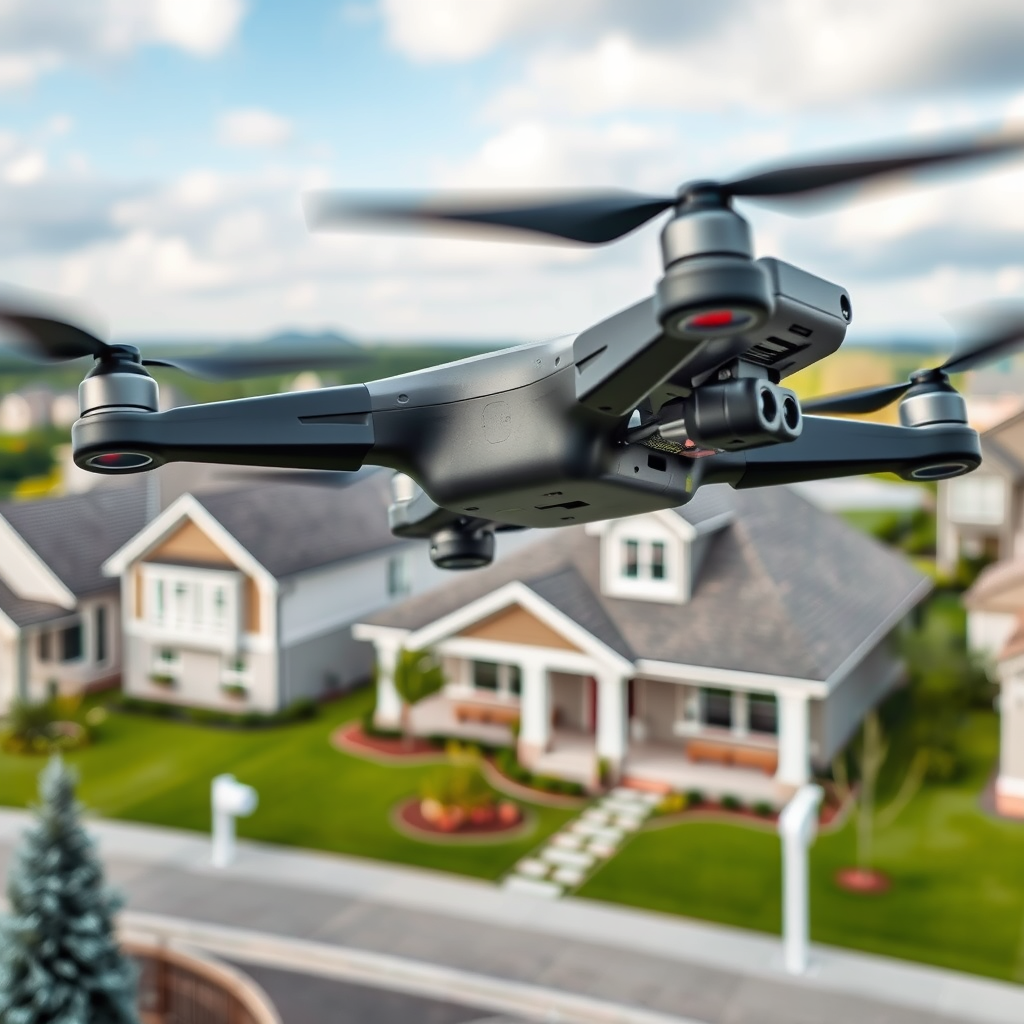
Shooting at a drone over your property is generally illegal and can lead to serious legal repercussions. Even if you feel justified due to privacy concerns or perceived threats to your property, understanding the laws surrounding drone usage and your rights is essential. This blog post will explore the complex interplay between property rights, drone regulations, and potential legal consequences, as well as provide alternatives to shooting down a drone.
Understanding Drone Laws
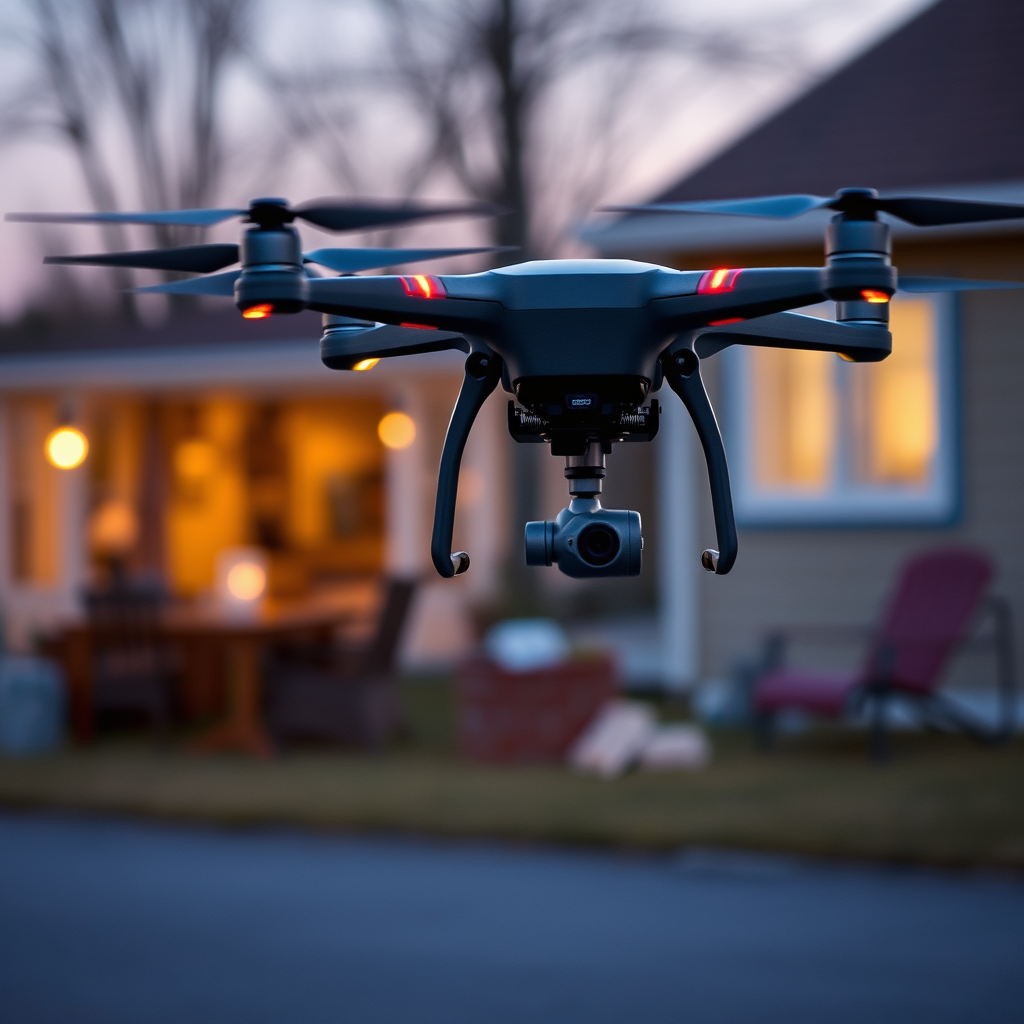
Drones, or unmanned aerial vehicles (UAVs), are increasingly common in various sectors, from photography to delivery services. In the United States, the Federal Aviation Administration (FAA) regulates drone flight to ensure safety and compliance with air traffic laws. Under FAA regulations, drones are classified as aircraft, and their operation is subject to strict guidelines.
Shooting a drone can be viewed as a violation of federal law, as it potentially endangers aircraft in the national airspace. The FAA has established a clear stance: any action that could interfere with the safe operation of an aircraft is considered illegal. This includes firearms, slingshots, and other methods of shooting down drones. Violators may face criminal charges, including fines and imprisonment, depending on the severity of the infraction.
Moreover, the National Transportation Safety Board (NTSB) actively investigates incidents where drones are shot down or otherwise interfered with, further underscoring the legal risks involved in taking such an action against a drone over your property.
Property Rights and Drones
Property rights are often perceived as extending vertically, meaning that property owners may believe they have complete control over the airspace directly above their land. However, legal interpretations complicate this notion. Courts have generally ruled that while property owners have rights to the land and structures on it, the airspace above their property is considered public domain, especially at altitudes where drones typically operate.
For instance, the landmark case of United States v. Causby established that property owners do not own the airspace above their property to the same extent as they own the land itself. The court ruled that while landowners have rights to their property, the airspace is subject to federal regulation. Therefore, the intrusion of a drone does not constitute a violation of property rights in the same way that a trespasser on the ground would.
This legal framework complicates claims against drones and may leave property owners feeling powerless in the face of unwanted aerial surveillance or intrusion. Understanding these nuances is crucial for anyone considering taking drastic actions against a drone.
Potential Legal Consequences
The ramifications of shooting down a drone extend beyond personal property disputes. Engaging in such an act can lead to significant legal consequences, both civil and criminal.
Firstly, the drone operator has the right to pursue civil action against anyone who damages their equipment. This could result in a lawsuit for the cost of the drone, which can easily run into thousands of dollars depending on the model and technology involved. In addition to financial restitution, the drone operator may also seek damages for any lost business opportunities if the drone was being used for commercial purposes.
On the criminal side, individuals who shoot down drones may face charges such as reckless endangerment, especially if the shooting occurs in a populated area where bystanders could be harmed. Furthermore, charges related to the destruction of property can also apply, particularly if the drone belongs to a business or organization. The legal system takes these matters seriously, and a conviction could lead to hefty fines, community service, or even jail time.
Alternatives to Shooting
Rather than resorting to shooting down a drone, there are several alternative approaches that individuals can take to address their concerns. One of the most effective methods is to contact local law enforcement or regulatory authorities to report the drone’s activity. Many jurisdictions have specific ordinances regarding drone operations, particularly in residential areas, and authorities can take appropriate action.
Another potential solution is the use of non-lethal technologies designed to disrupt drone operations. Drone jammers and signal disruptors are devices that can interfere with the communication signals between a drone and its operator. However, it is critical to note that the legality of using such devices varies by location, and individuals should thoroughly research local laws before considering this option.
Additionally, fostering open communication with the drone operator can sometimes resolve issues amicably. If you know who is operating the drone, approaching them politely and expressing your concerns might lead to a mutual understanding without legal repercussions.
Reporting Drone Activity
If a drone is infringing upon your privacy or engaging in suspicious activity, documenting the incident is vital. Take photographs or videos of the drone and its flight pattern, noting the time and date of the occurrence. This information can be crucial when reporting the incident to local authorities.
Understanding local ordinances regarding drone usage is also essential. Many cities and counties have established specific regulations governing drone flight, including restrictions on flying over private property without permission. Familiarizing yourself with these rules can empower you to take appropriate action against unwanted drone activity.
Once you have gathered sufficient information, report the drone to local law enforcement. They can investigate the incident and take appropriate measures if necessary. In some cases, local authorities might have resources or protocols in place to handle drone-related complaints effectively.
The Importance of Safety
Attempting to shoot down a drone poses significant risks to public safety. Not only does it endanger the individuals in the vicinity, but it also has the potential to cause property damage. A bullet or projectile could ricochet or miss its target, leading to unintended consequences that could harm innocent bystanders or damage nearby homes and vehicles.
Furthermore, the act of shooting at a drone can escalate tensions and provoke confrontations between individuals and drone operators. It is vital to evaluate the situation calmly and prioritize safety over immediate reactions. Engaging in reckless behavior can have dire consequences and exacerbate the very issues one seeks to resolve.
In situations where a drone’s presence is genuinely threatening or invasive, consider seeking legal advice from an attorney specializing in drone law or property rights. Professional guidance can provide clarity on how best to address your concerns without resorting to illegal actions.
In conclusion, while the frustration of drones invading your airspace is understandable, shooting at one is not a legal or safe solution. Familiarizing yourself with relevant laws and considering alternative actions can help you address your concerns effectively. Understanding the complexities of drone regulations, property rights, and safety considerations empowers you to navigate these issues with confidence and legality.
Frequently Asked Questions
Can I legally shoot at a drone flying over my property?
Legally, shooting at a drone is highly discouraged and often illegal in many jurisdictions. Most states have laws that prohibit discharging firearms within city limits or in a reckless manner. Additionally, shooting down a drone can lead to criminal charges, civil liability, and potential fines, as drones are usually considered personal property. It’s essential to check local laws and regulations before taking any action against drones.
What should I do if a drone is invading my privacy?
If you believe a drone is invading your privacy, the first step is to document the incident, including the drone’s appearance, flight path, and any potential evidence of privacy violation. You can then contact local law enforcement or a privacy advocacy group to discuss your concerns. Many states have laws concerning drone privacy that may protect you, so it’s crucial to be informed about your rights in such situations.
How can I protect my property from unwanted drones?
To deter unwanted drones from approaching your property, you can utilize physical barriers such as trees and fences or install privacy screens. Additionally, some devices can disrupt drone signals, but be aware that using jamming devices can be illegal in many areas. It’s also beneficial to communicate with your neighbors about any concerns, as they may also be affected by drone activity.
Why are drones often flown over private properties?
Drones may be flown over private properties for various reasons, including recreational use, aerial photography, surveying land, or even commercial purposes. In many cases, drone operators may not be aware of the potential for privacy invasion or trespassing. Understanding the motivations behind drone flights can help property owners communicate effectively with drone operators and address any concerns that arise.
Which laws govern drone usage in my area?
Drone usage is primarily regulated by the Federal Aviation Administration (FAA) in the United States, which has set forth rules regarding airspace, drone registration, and pilot licensing. Additionally, state and local laws may impose further restrictions on drone operations, particularly concerning privacy and trespassing. It’s advisable to consult the FAA’s official website and your local government resources to stay informed about the specific regulations applicable to your area.
References
- https://www.faa.gov/uas/getting_started/part_107/
- https://www.nolo.com/legal-encyclopedia/can-you-shoot-drone-what-the-law-says-29736.html
- https://www.theguardian.com/us-news/2020/jul/13/drone-laws-property-owners-rights
- https://www.americanbar.org/groups/science_technology/publications/scitech_lawyer/2020/summer/drone-law/
- https://www.nbcnews.com/news/us-news/what-should-you-do-drone-over-your-property-n1279423
- https://www.vice.com/en/article/qj8b3x/can-you-shoot-down-a-drone-over-your-property
- https://www.jstor.org/stable/10.5325/jlaweducrev.5.1.0143
