
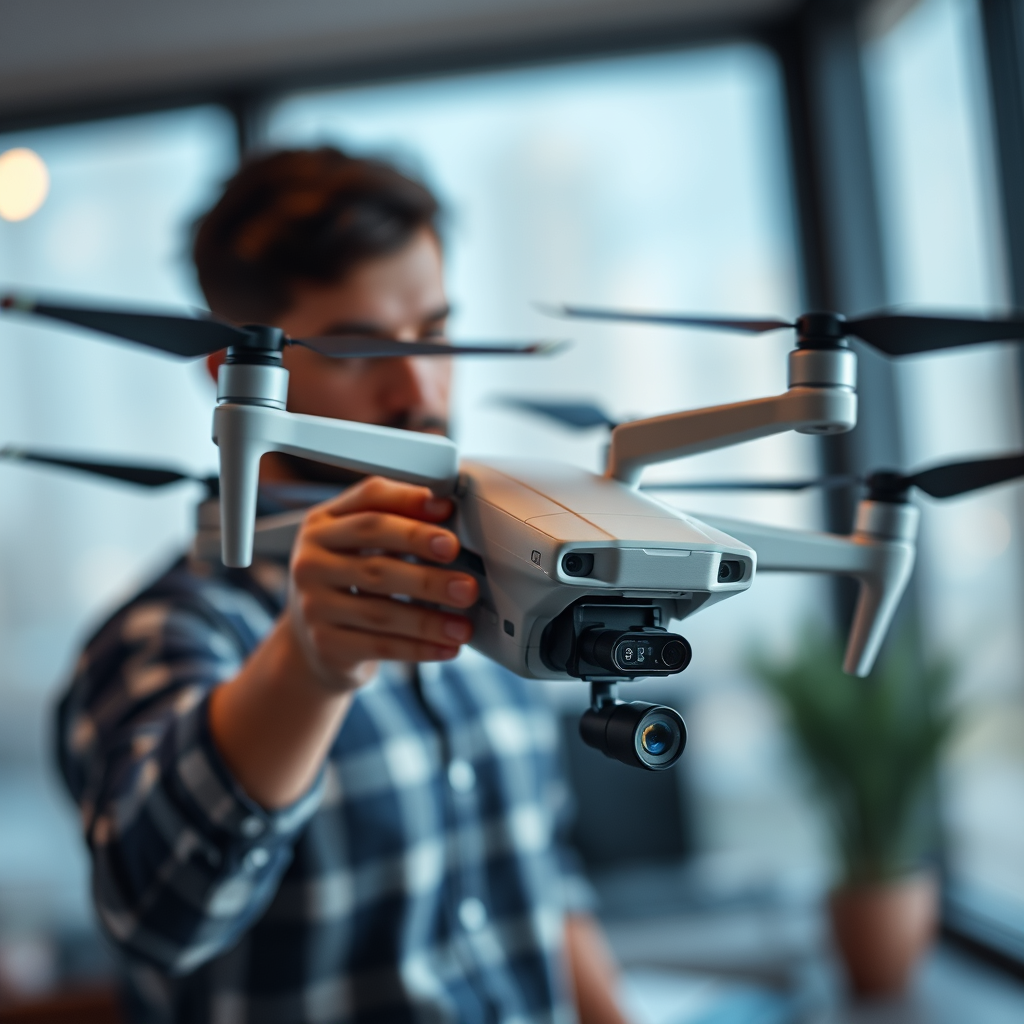
Yes, you can technically shoot at a drone, but it is highly illegal and dangerous. Engaging with drones in this manner can lead to serious legal repercussions and safety risks. The act of shooting at a drone not only violates laws that govern air traffic and property rights but also poses a threat to public safety. This article explores the implications and regulations surrounding shooting at drones, along with alternative approaches to handling unwanted drone activity.
Understanding the Legal Landscape
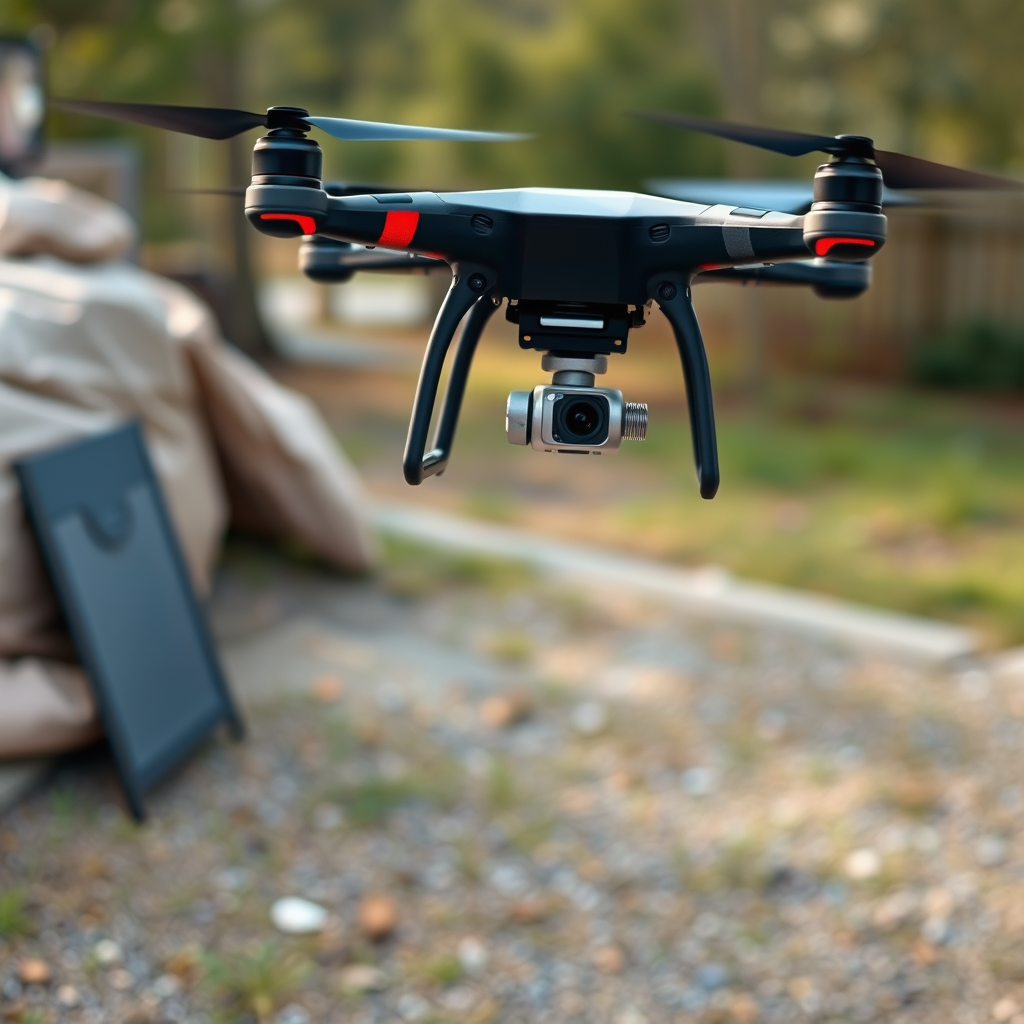
Shooting at drones is illegal in most jurisdictions, as it is considered a form of destruction of property. The Federal Aviation Administration (FAA) has established stringent regulations to govern the operation of drones, categorizing them as aircraft. Thus, shooting at a drone can be interpreted as an act of discharging a firearm in the vicinity of an aircraft, which carries severe penalties. In the United States, federal law prohibits any form of interference with the operation of an aircraft, including drones, and offenders can face hefty fines or jail time.
Moreover, state and local laws may impose additional restrictions or penalties. For example, in many states, discharging a firearm in residential areas is illegal, regardless of the target. Engaging in such reckless behavior not only jeopardizes legal standing but also puts lives at risk, as stray bullets can hit unintended targets, leading to catastrophic outcomes. Therefore, understanding the legal landscape is crucial for anyone considering such actions against drones.
Potential Consequences of Shooting at a Drone
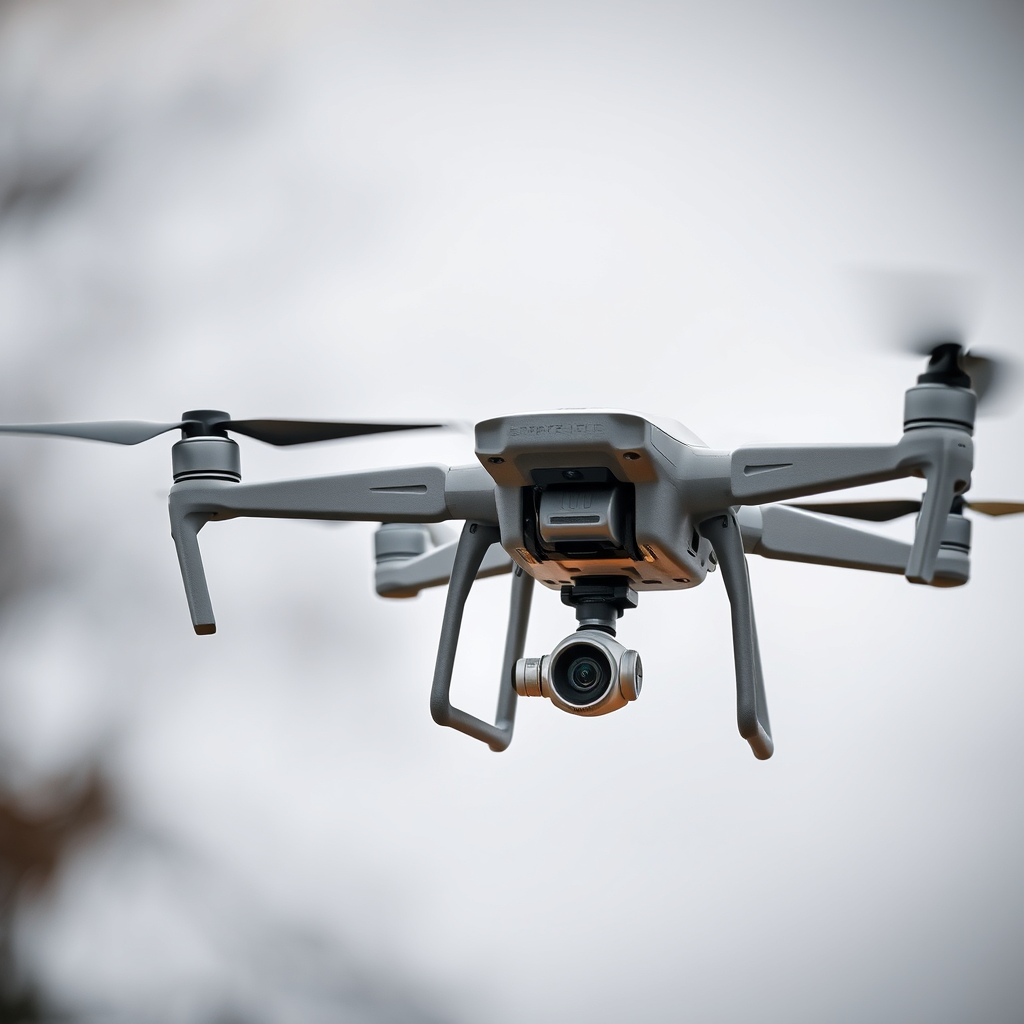
Legal repercussions for shooting at a drone can be severe and multifaceted. Individuals who resort to this extreme measure may face fines ranging from a few hundred to several thousand dollars, depending on local statutes and the circumstances surrounding the incident. In addition to fines, offenders can be arrested and charged with crimes such as reckless endangerment or destruction of property, which can result in civil lawsuits from the drone owner. A clear example of this occurred in 2018 when a man in New Jersey was arrested for shooting down a drone that was allegedly hovering over his property. He faced multiple charges, highlighting the serious consequences of such actions.
Beyond the legal implications, there are significant safety risks associated with shooting at drones. The potential for injury to bystanders is substantial, particularly in populated areas. A bullet fired into the air can travel a considerable distance before landing, posing a danger to people and property alike. There have been instances where stray bullets have caused injuries, highlighting the unpredictability and hazards of using firearms in this manner. Additionally, shooting at a drone could lead to damage to surrounding property, resulting in further financial liabilities for the shooter.
Alternatives to Shooting at Drones
Rather than resorting to violence, there are several effective alternatives to address unwanted drone activity. One of the most prudent actions is to contact local law enforcement. Many police departments are becoming increasingly knowledgeable about drone regulations and can intervene if a drone is operating illegally or inappropriately. Law enforcement agencies are equipped to handle such situations professionally and safely, alleviating the burden from private individuals.
Another alternative is to use non-lethal measures to deter unwanted drones. For instance, some individuals have successfully employed anti-drone technologies that disrupt a drone’s operation without causing harm. These technologies, which can include signal jammers or drone nets, are designed to safely disable drones and can be effective in managing unwanted aerial surveillance. However, it is vital to note that the legality of using such technologies varies by jurisdiction, and users should ensure compliance with local laws before implementation.
Understanding Drone Regulations
To effectively address unwanted drone activity, it is essential to familiarize oneself with local laws and regulations regarding drone usage and privacy rights. The FAA provides guidelines that dictate where drones can operate, including restrictions around airports, crowded areas, and private property. Understanding these regulations can empower individuals to take appropriate action when faced with unauthorized drone activity.
In many areas, laws also protect privacy rights, allowing individuals to take action if they feel their privacy is being violated. For example, if a drone is flying over private property, the owner may have legal grounds to request its removal. Legal counsel can provide clarity on specific rights and recourse available under local laws, ensuring that individuals take informed and lawful actions against unwanted drone intrusion.
Reporting Unauthorized Drone Activity
If you encounter unauthorized drone activity, it is crucial to document the drone’s behavior and location before reporting it to authorities. Gathering evidence, such as photographs, videos, or detailed notes about the drone’s activity and trajectory, can significantly enhance the credibility of your report. Providing local law enforcement or relevant authorities with comprehensive information can facilitate effective intervention.
When reporting, be prepared to share specific details, such as the time and location of the incident, descriptions of the drone, and any associated behaviors that raise concern. This information not only assists in the investigation but also underscores the seriousness of the issue at hand. Effective communication with authorities can lead to improved responses to drone-related concerns in the community.
Engaging with Local Drone Community
Engaging with the local drone community can also provide valuable insights and support for addressing drone concerns. Many areas have local drone clubs or associations that foster education and responsible drone usage. By connecting with drone enthusiasts, individuals can gain a better understanding of drone technologies and the motivations behind their use. This dialogue can help demystify drone activities and promote greater communication and cooperation between drone operators and the general public.
Additionally, many drone operators are committed to flying responsibly and adhering to regulations. Establishing a rapport with these individuals can facilitate a more neighborly relationship, reducing the likelihood of conflicts arising from misunderstandings or miscommunication. Community engagement can foster a culture of respect and awareness that benefits both drone users and those affected by their presence.
In conclusion, while the impulse to shoot at a drone may arise in frustrating situations, it is crucial to recognize the legal and safety ramifications of such actions. Instead, consider alternative methods for dealing with drones, such as engaging law enforcement, utilizing non-lethal deterrents, and understanding your rights under local regulations. If you encounter issues with drones, seek legal advice or report them to the appropriate authorities to ensure that your concerns are addressed safely and lawfully. By taking informed and responsible actions, individuals can contribute to a safer environment while respecting the rights of drone operators.
Frequently Asked Questions
Can you legally shoot at a drone?
Legally shooting at a drone is generally prohibited in many jurisdictions due to laws concerning public safety and airspace regulations. In the United States, the Federal Aviation Administration (FAA) has stringent rules against weaponizing drones or shooting them down, which can result in severe penalties including fines or imprisonment. It’s important to check local laws and regulations, as they can vary significantly from one area to another.
What should I do if a drone is invading my privacy?
If a drone is invading your privacy, the first step is to document the incident by taking pictures or videos of the drone and its flight path. You should then contact local law enforcement or a privacy rights organization to report the issue, as they can provide guidance on legal actions you can take. Additionally, you may want to consider discussing the situation with the drone operator if known, as they may be unaware of the disturbance their drone is causing.
How can I disable a drone that is hovering over my property?
While it’s understandable to want to disable a drone hovering over your property, it’s crucial to remember that attempting to shoot it down or use any physical means to disable it can lead to legal consequences. Instead, consider using non-destructive methods such as using a drone jammer, which is illegal in many places but could be reported to authorities. The best course of action is often to report the drone to local law enforcement or the FAA, who can handle the situation appropriately.
Why are drones so hard to shoot down?
Drones are often difficult to shoot down due to their lightweight construction and the high speeds at which they can fly. Additionally, many consumer drones are equipped with features such as GPS stabilization and return-to-home functions, which allow them to avoid obstacles and return to their launch point if they sense danger. Furthermore, shooting a drone poses significant risks to public safety and could lead to unintended damage or injury, making it an impractical solution.
What are the consequences of shooting at a drone?
Shooting at a drone can lead to serious legal consequences, including federal charges for violating aviation laws, potential criminal charges, and civil liability for damages caused to the drone or surrounding property. Violating FAA regulations can result in hefty fines, and if the drone is owned by someone else, you may also face lawsuits for damages or trespassing. It’s advisable to seek alternative methods to address concerns about drones rather than resorting to shooting.
References
- https://en.wikipedia.org/wiki/Drone#Legal_and_regulatory_issues
- https://www.faa.gov/uas/getting_started/part_107/
- https://www.theguardian.com/us-news/2022/jun/08/uk-drone-laws-civilian-safety
- https://www.nytimes.com/2021/09/12/us/drone-laws.html
- https://www.bbc.com/news/technology-58945025
- https://www.nolo.com/legal-encyclopedia/can-you-shoot-drone-your-property-29751.html
- https://www.ama-assn.org/delivering-care/public-health/drone-regulations-and-legal-issues
- https://www.faa.gov/uas/resources/policy_library/
- https://www.cnet.com/news/how-to-respond-to-drones-flying-over-your-property/
