

Yes, you can shoot down a drone above your property, but doing so can lead to serious legal consequences. The laws governing airspace and property rights are complex, and taking drastic action against a drone can result in criminal charges or civil liabilities. Before considering any action, it is crucial to understand the regulatory framework, your rights as a property owner, and the potential ramifications of your choices.
Understanding Drone Regulations
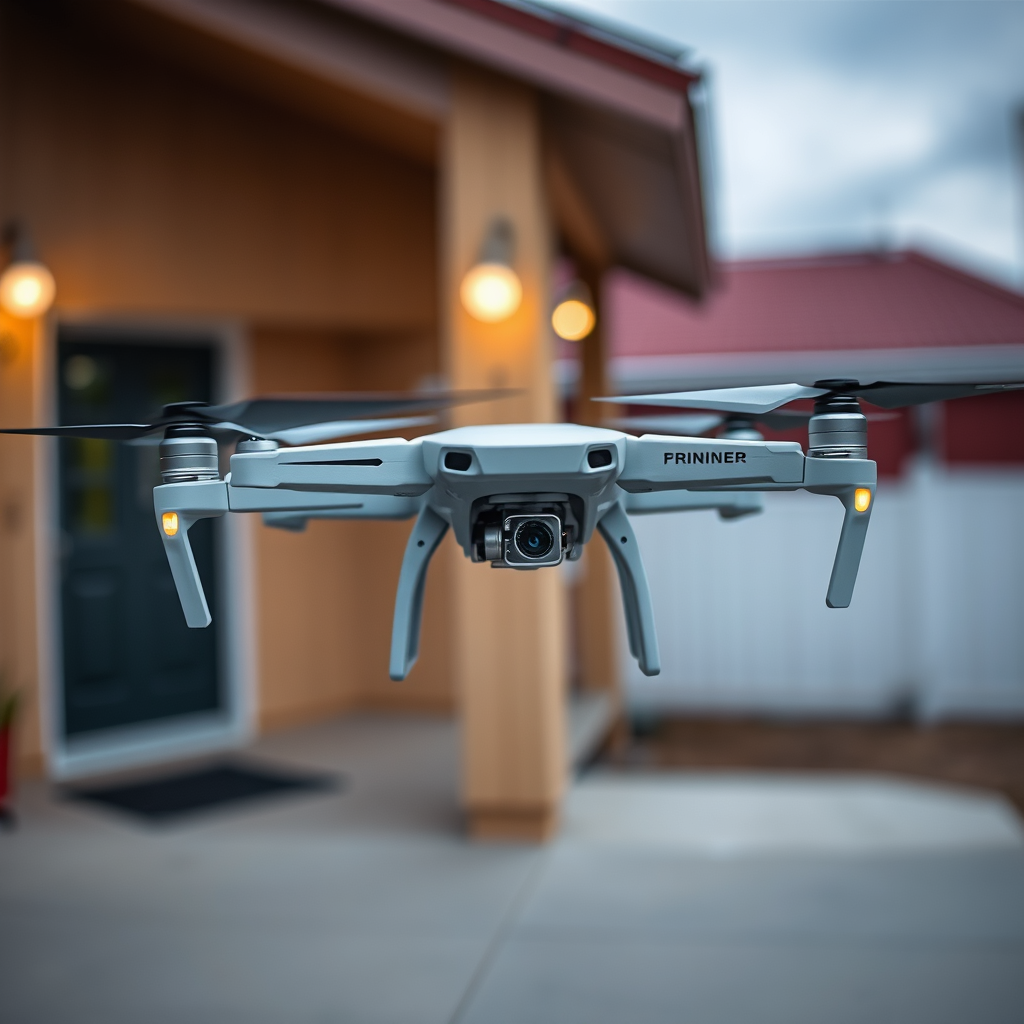
Drones, or unmanned aerial vehicles (UAVs), have become increasingly prevalent in recreational and commercial settings, leading to a growing body of regulations that govern their use. In the United States, the Federal Aviation Administration (FAA) oversees the airspace and has established strict guidelines for drone operation. Under FAA regulations, drones are classified as aircraft, and it is illegal to shoot them down. The FAA’s regulations aim to ensure safety in the national airspace, preventing any actions that could endanger both people on the ground and other aircraft.
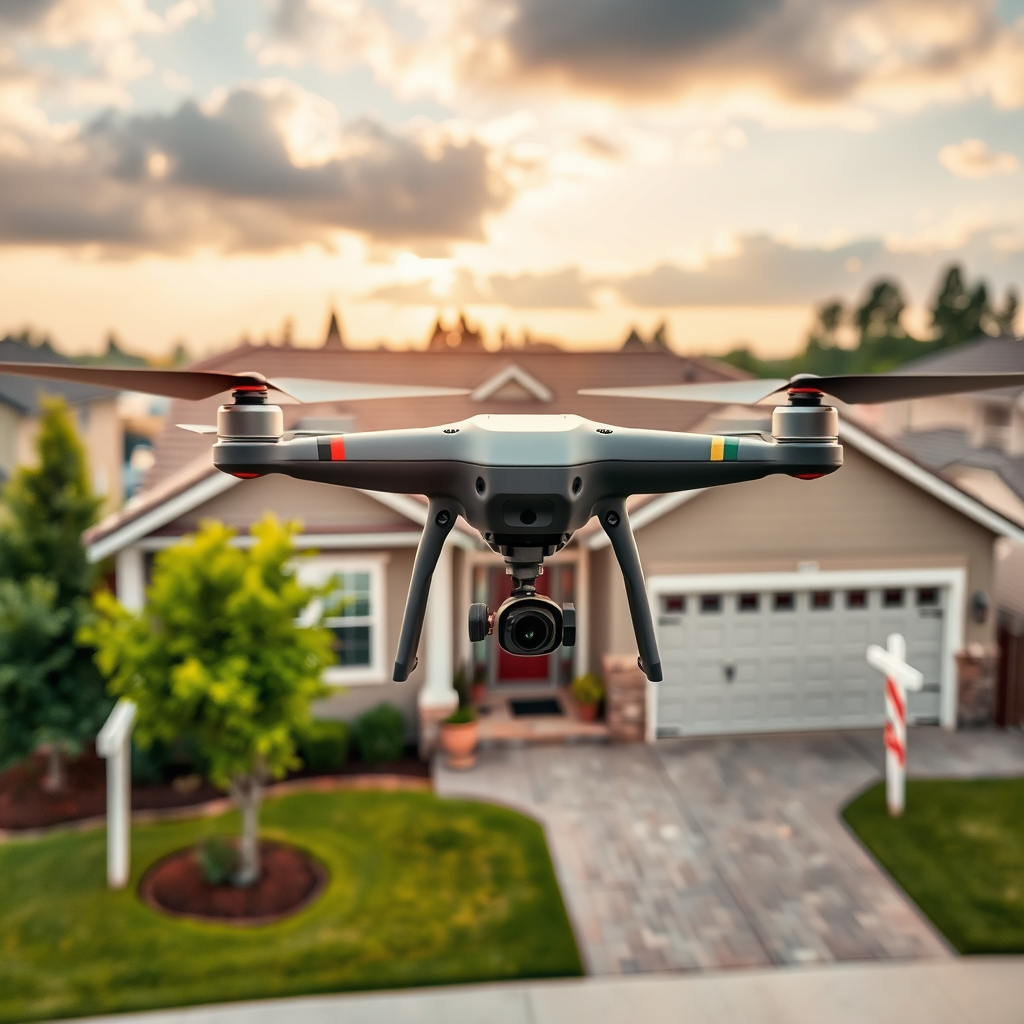
In addition to federal regulations, individual states may impose their own laws regarding drone usage. These laws can vary significantly, with some states enacting specific statutes that address privacy concerns or define drone-related trespass. Property owners must be aware of both federal and state regulations to avoid missteps that could lead to legal issues.
Property Rights and Airspace
Property rights extend to the airspace above one’s land, but these rights are not absolute. Traditionally, the law has recognized that landowners have control over the immediate airspace above their property, but this control diminishes with altitude. The legal precedent established in cases like United States v. Causby (1946) holds that property owners can claim rights to the airspace above their land only to a certain extent. This means that while you may have the right to enjoy your property free from intrusive devices, drones operating at federally regulated altitudes are generally not considered a violation of your airspace rights.
Furthermore, the distinction between trespass and legitimate use of airspace can complicate matters. For instance, if a drone is flying within the permissible altitude and is not interfering with your enjoyment of your property, it may be challenging to claim that it is trespassing. Understanding these nuances is critical for property owners who feel their rights are being infringed upon.
Legal Consequences of Shooting a Drone
Taking the drastic measure of shooting down a drone can lead to severe legal consequences. Depending on the jurisdiction and circumstances, individuals may face criminal charges for destruction of property, unlawful use of a firearm, or even recklessness if someone is injured as a result of the action. For example, a homeowner who discharges a firearm to shoot down a drone could be charged with a felony if the bullet injures a person or damages property nearby.
Additionally, the drone owner may pursue civil litigation against you for damages. This could involve the cost of the drone, any associated equipment, and potential punitive damages if the action is deemed willful or malicious. Engaging in such an act without fully understanding the legal ramifications can result in significant financial and legal liabilities.
Alternatives to Shooting Down Drones
Rather than resorting to shooting down a drone, property owners have several non-destructive options to address unwanted drone activity. First, consider reporting the drone’s activities to local authorities. Many law enforcement agencies have protocols for handling complaints related to drone intrusions, especially if the drone is suspected of violating privacy laws or local regulations.
Engaging with local law enforcement can also provide clarity on the legality of the drone’s presence. They may investigate the situation and determine whether any laws are being violated. Additionally, seeking legal advice from an attorney specializing in property and drone law can help you understand your rights and options without risking legal repercussions.
Other alternatives include utilizing technology designed to disrupt or deter drones, such as drone jammers or signal blockers. However, these devices are also subject to regulation and may not be legal to use in all jurisdictions, so it is essential to verify their legality before considering this route.
The Role of Local Laws
Local laws play a significant role in the governance of drone activity and property rights. Some states have enacted specific laws that address drone use, particularly concerning privacy, trespass, and harassment. For example, states like California and Florida have established statutes that protect individuals from invasive drone surveillance.
As a property owner, it is crucial to familiarize yourself with the laws in your state and municipality. Local regulations may provide additional recourse against unwanted drone activity, including penalties for individuals who violate privacy laws by flying drones over private property without consent. Checking local regulations can empower you to take informed actions and avoid potential legal pitfalls.
Seeking Legal Recourse
If a drone is invading your privacy or you believe its operation poses a threat to your safety, seeking legal recourse may be necessary. Consulting with a legal expert can provide you with insights into your rights and the appropriate steps to take. An attorney can help you understand whether the drone’s presence constitutes a trespass or invasion of privacy under state law.
Documenting any incidents involving intrusive drones can also support your case. Keeping a detailed record of dates, times, and the nature of the drone’s activities will be essential if you decide to pursue legal action. This evidence can substantiate your claims and demonstrate a pattern of harassment or invasion, which may strengthen your position in a legal dispute.
In conclusion, while the impulse to shoot down a drone above your property may arise from privacy concerns or feelings of intrusion, it is essential to recognize the potential legal ramifications of such actions. Understanding drone regulations, property rights, and the legal consequences of shooting down a drone can help you navigate these complex issues more effectively. Exploring alternative solutions, such as reporting incidents to authorities or seeking legal advice, can lead to a more constructive resolution while protecting your rights as a property owner. Always consider the legal landscape and consult professionals if you are unsure about your rights concerning drone activities.
Frequently Asked Questions
Can I legally shoot down a drone flying over my property?
Legally shooting down a drone above your property is generally not permissible. Most jurisdictions classify drones as aircraft, and shooting down an aircraft can lead to serious legal consequences, including criminal charges. Instead, consider reporting the drone to local law enforcement or the Federal Aviation Administration (FAA), which can address any privacy or safety concerns.
What should I do if a drone is hovering over my backyard?
If a drone is hovering over your backyard, start by assessing if it poses a threat or is invading your privacy. You can try to identify the drone operator and communicate your concerns directly. If that does not work or if the drone persists, report the situation to local authorities or the FAA, who can investigate potential violations of privacy or airspace regulations.
Why are drones allowed to fly over private property?
Drones are permitted to fly over private property due to federal regulations that govern airspace. The FAA considers airspace above private land to be public airspace, meaning that drone operators can legally fly their devices as long as they adhere to safety guidelines. This can create frustration for property owners concerned about privacy or safety, but these regulations are designed to facilitate safe and responsible drone use.
What are the best ways to protect my privacy from drones?
To protect your privacy from drones, consider installing privacy fences or using outdoor screens to block aerial views. Additionally, you can use technology, such as drone detection systems, to monitor if drones are operating nearby. Educating yourself about local drone laws can also empower you to take appropriate action if you believe your privacy is being violated.
How can I report a drone that is disturbing my property?
If a drone is disturbing your property, you can report it to your local law enforcement agency or the FAA. Be prepared to provide details such as the drone’s description, behavior, and the time it was observed. The FAA has a specific process for filing complaints regarding drone operations, ensuring that your concerns are documented and addressed appropriately.
References
- https://en.wikipedia.org/wiki/Drone#Legal_issues
- https://www.faa.gov/uas/getting_started/
- https://www.theguardian.com/us-news/2021/jun/14/drone-regulations-us-property-rights
- https://www.nolo.com/legal-encyclopedia/can-you-shoot-down-drone-your-property-29796.html
- https://www.bbc.com/news/technology-48261430
- https://www.ncsl.org/research/transportation/drone-laws.aspx
