

You generally cannot shoot down a drone flying over your house, as doing so can lead to serious legal consequences. While the frustration of privacy invasion is understandable, laws surrounding airspace and property rights must be considered. Understanding the intricacies of drone regulations and your rights as a property owner is crucial to navigating this modern dilemma. In this article, we will explore the legal landscape, the implications of taking drastic actions, and viable alternatives to address your concerns regarding drones.
Understanding Drone Regulations
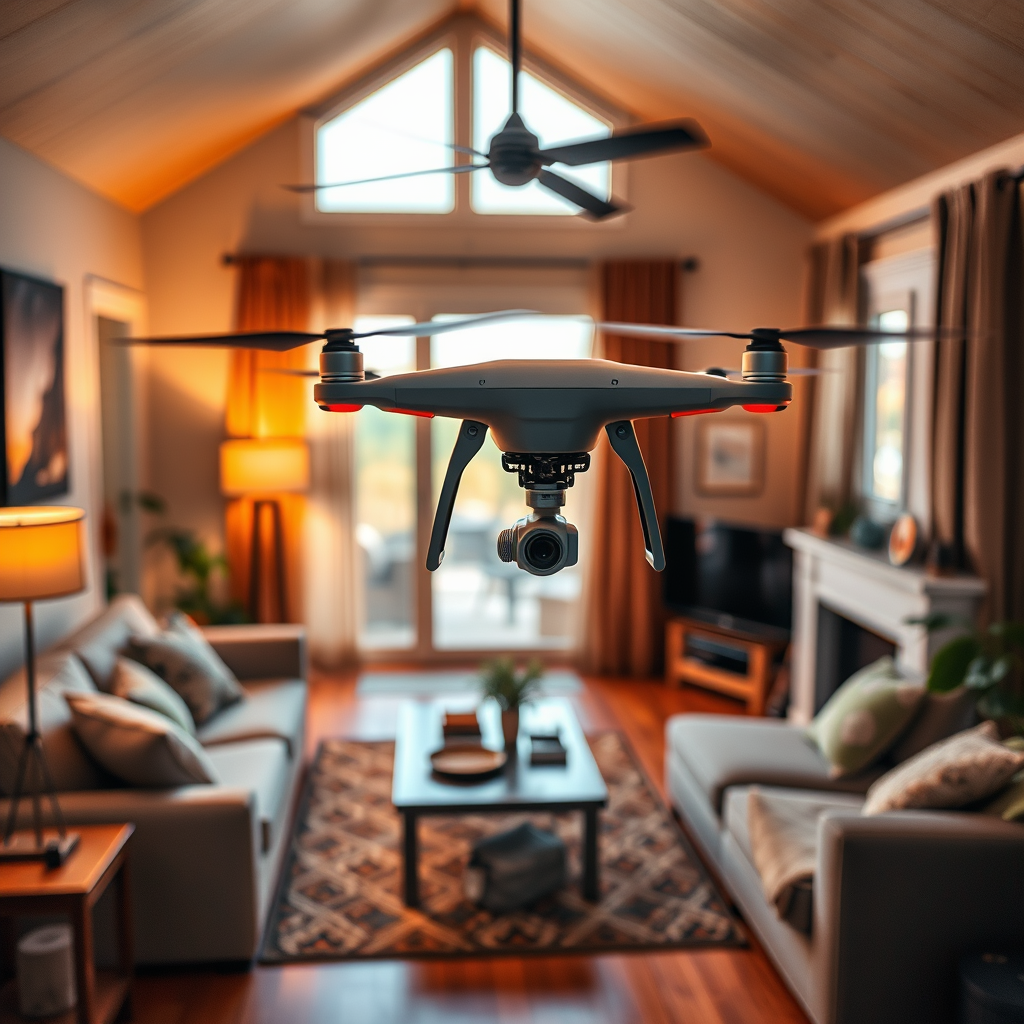
Drones are classified as aircraft, which are subject to federal regulations. The Federal Aviation Administration (FAA) oversees airspace usage, including drones, and has established guidelines that govern where and how drones can operate. According to FAA regulations, drones must fly below 400 feet and cannot be flown over people or moving vehicles without specific permissions. This regulatory framework is put in place to ensure safety in the skies, manage air traffic, and protect the interests of all airspace users.
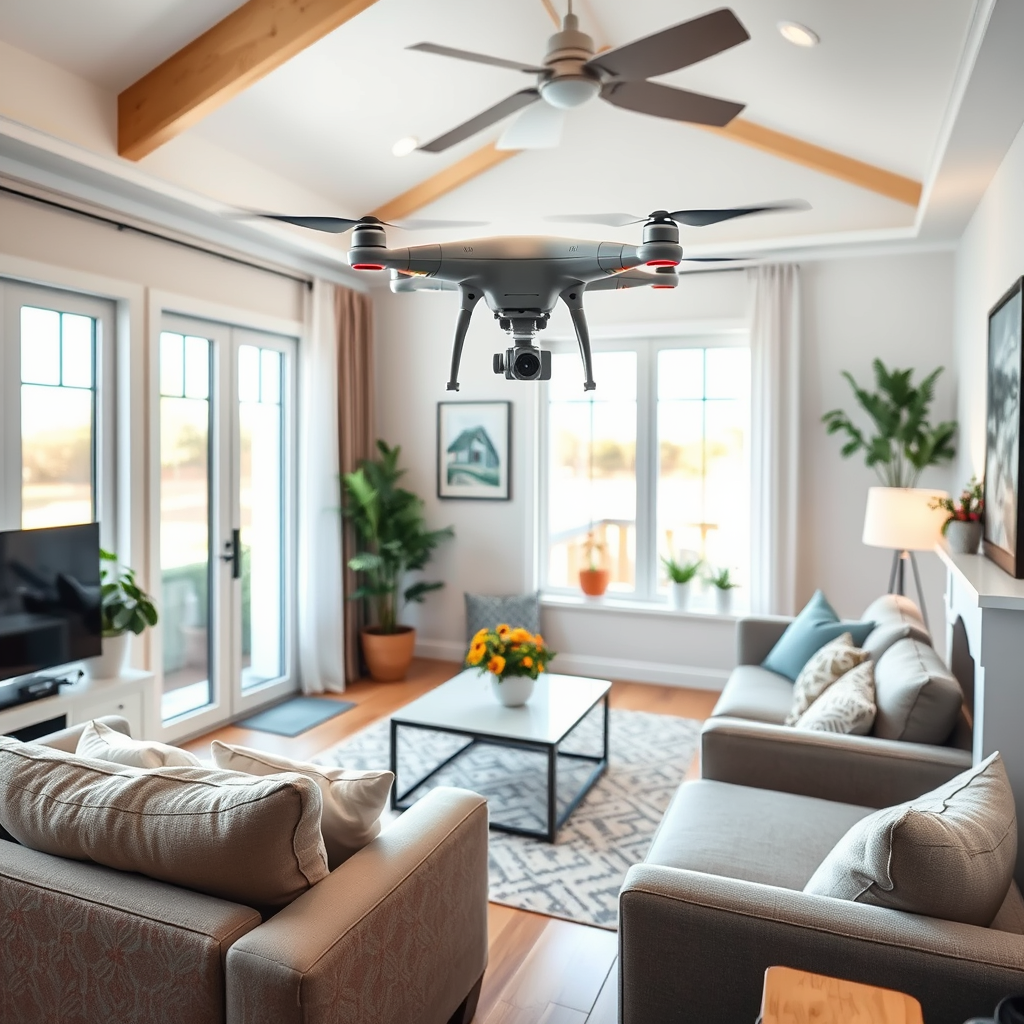
The FAA’s Part 107 rules apply to commercial drone operations, while hobbyists must adhere to the safety guidelines outlined by the FAA. Importantly, these regulations supersede state and local laws, creating a complex legal environment for individuals who might feel inclined to take matters into their own hands. Violating these regulations can lead to significant penalties, including fines and potential criminal charges.
Property Rights and Airspace
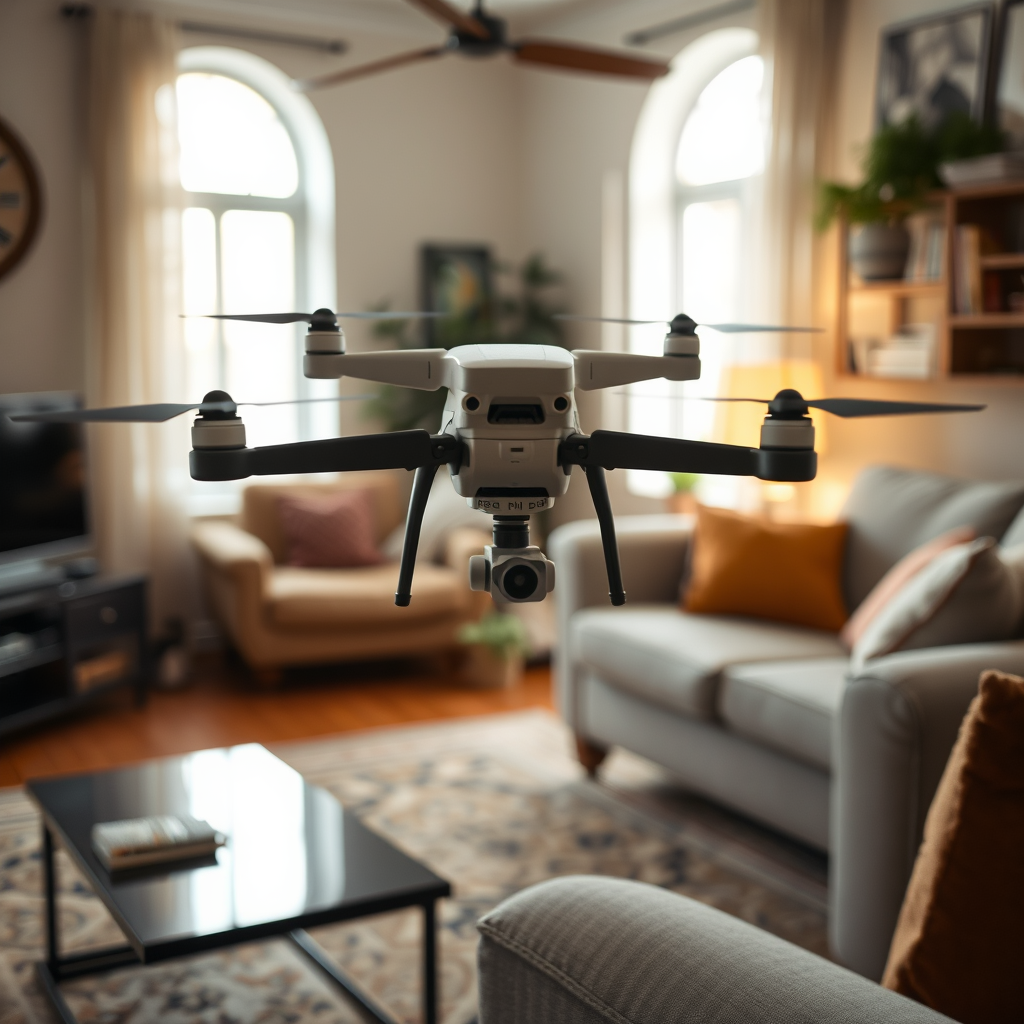
Homeowners have rights to their property, but this does not extend to airspace above it. The legal definition of airspace varies, and generally, private property owners only have rights to the surface of their land and a limited portion of the airspace directly above it. According to legal precedents, such as the landmark case of United States v. Causby, property owners have rights to the airspace that is essential for the use and enjoyment of their property. However, this does not provide a blanket right to intercept aircraft, including drones, that are operating lawfully in the airspace.
Shooting down a drone could violate federal regulations, as it is considered an unlawful act against an aircraft. The FAA maintains that any drone operating within the prescribed regulations is entitled to their position in the airspace. As a result, homeowners looking to protect their privacy must understand that their rights are limited when it comes to airspace above their property.
Legal Consequences of Shooting Down a Drone
The legal ramifications of shooting down a drone can be severe. Potential charges may include destruction of property or illegal discharge of a firearm, which can lead to criminal prosecution. This is particularly pertinent if the drone is owned by a neighbor or a commercial entity, as they may pursue civil action for damages incurred. The cost of replacing or repairing a drone can be substantial, and depending on the circumstances, the drone operator may seek compensation for lost data or business opportunities resulting from the damage.
Moreover, the FAA can impose fines for unlawful interference with aircraft, which can range from hundreds to thousands of dollars. Legal battles can become protracted and costly, making the act of shooting down a drone not only risky but also financially burdensome. Therefore, it is essential to weigh these potential consequences before considering any drastic action.
Alternatives to Shooting Down a Drone
Consider reporting the drone to local authorities or the FAA. If you believe a drone is being operated illegally or poses a safety risk, documenting the incident and contacting law enforcement or the FAA is a proactive approach. Local law enforcement agencies are often equipped to handle complaints regarding drone usage, particularly in cases of harassment or invasion of privacy. They can investigate the situation and take the necessary actions according to local laws and regulations.
Additionally, using non-destructive methods to address your concerns, such as notifying the drone operator directly, can be an effective way to resolve the issue. Many drone operators are unaware of the discomfort their activities may cause to nearby residents. A polite conversation can sometimes lead to a mutual understanding and an agreement to avoid flying over your property in the future.
Privacy Concerns and Drone Use
Understanding your rights regarding privacy and surveillance from drones is crucial. While the FAA regulates airspace, privacy laws can vary significantly by state. Some states have enacted specific drone laws that address privacy concerns, prohibiting the use of drones for surveillance without consent. Familiarizing yourself with local laws may provide additional protections against unwanted drone activity.
Moreover, if you feel that a drone is infringing on your privacy, consider documenting your experiences and gathering evidence. This information can be useful if you decide to pursue legal action or file a formal complaint. Engaging with community resources or advocacy groups focused on privacy rights can also provide additional avenues for addressing drone-related concerns.
How to Protect Your Property from Drones
To protect your property from drones, consider installing privacy screens or noise deterrents to reduce drone intrusion. Privacy screens, such as tall hedges or fencing, can obstruct a drone’s line of sight, thereby enhancing your privacy. Additionally, noise deterrents like wind chimes or ultrasonic devices can create an unwelcoming environment for drones flying nearby.
Educating yourself and your community about drone laws and safe practices is essential. Hosting community meetings or workshops can foster a better understanding of drone regulations and build awareness regarding privacy concerns. By collaborating with neighbors, you can create a more informed community that values privacy and safety.
In conclusion, while the desire to shoot down a drone may arise from concerns about privacy and safety, the legal ramifications make it a poor choice. Understanding drone regulations and property rights is crucial in navigating this issue. Instead, consider alternative methods to address your concerns, such as reporting the drone to authorities or engaging with the drone operator directly. By educating yourself and your community about your rights and available protections, you can effectively manage the presence of drones while safeguarding your privacy and property.
Frequently Asked Questions
Can you legally shoot down a drone flying over your house?
No, you cannot legally shoot down a drone flying over your house, as this action can result in severe legal consequences. In the United States, federal laws established by the Federal Aviation Administration (FAA) prohibit individuals from taking down aircraft, including drones, that are flying in the national airspace. Engaging in such an act could lead to criminal charges and civil liabilities, along with potential fines.
What should I do if a drone is flying over my property?
If a drone is flying over your property and you feel uncomfortable or believe it is invading your privacy, the first step is to document the incident. Take pictures or videos of the drone and note the time and date. You can then contact local law enforcement or aviation authorities to report the drone if you suspect illegal activity, such as invasion of privacy or trespassing. Additionally, familiarize yourself with local laws regarding drone use in your area.
Why are drones allowed to fly over private property?
Drones are allowed to fly over private property because they operate in the national airspace, which is regulated by the FAA. The airspace above property is typically considered public, allowing drone operators to fly as long as they comply with regulations, such as maintaining a certain altitude and not flying over people without permission. However, this does raise concerns about privacy, prompting ongoing discussions about drone legislation.
How can I protect my privacy from drones flying over my house?
To protect your privacy from drones flying over your house, consider installing physical barriers such as privacy fences or tall shrubs that can obstruct the view from above. Additionally, you can invest in anti-drone technology, like drone detection systems that alert you when a drone is nearby. Lastly, staying informed about local drone laws can help you take appropriate action if privacy violations occur.
Which laws govern drone usage in residential areas?
Drone usage in residential areas is primarily governed by federal laws set forth by the FAA, which include regulations on altitude limits, no-fly zones, and operational guidelines for commercial and recreational drone pilots. Additionally, many states and municipalities have enacted their own laws that may impose further restrictions, such as regulations on flying over private property without consent. It’s important to research both federal and local regulations to fully understand your rights and the limitations regarding drones in your area.
References
- https://www.nolo.com/legal-encyclopedia/can-you-shoot-drone-flying-over-your-property-29751.html
- https://www.faa.gov/uas/resources/policy_library/
- https://www.wired.com/story/shooting-down-drones-legal-issues/
- https://www.theguardian.com/us-news/2019/may/07/us-drone-law-shooting-down
- https://www.aclu.org/news/privacy-technology/what-you-need-to-know-about-drone-privacy
- https://www.lawfareblog.com/faq-drones-and-law
- https://www.nytimes.com/2020/01/28/us/drone-law-shooting.html
