

Yes, you can shoot down a drone hovering over your house, but it is illegal in most jurisdictions and could lead to serious legal consequences. Understanding the laws surrounding drone operation and personal property rights is crucial before considering any extreme actions. The increasing prevalence of drones in residential areas raises significant concerns regarding privacy, safety, and property rights. This article explores the complex legal landscape surrounding drone usage and the implications of taking drastic measures against them.
Understanding Drone Laws
Federal Regulations
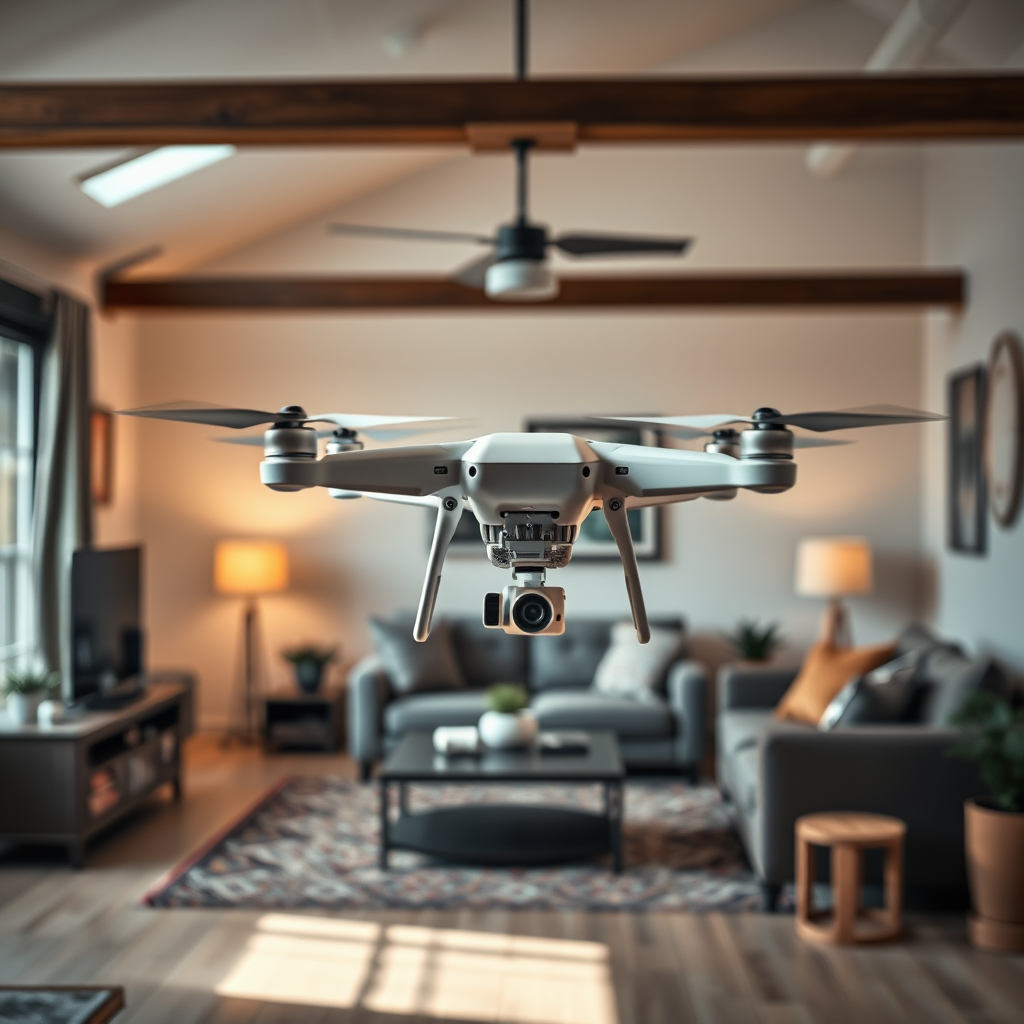
The Federal Aviation Administration (FAA) is the primary authority governing airspace in the United States, and it has established specific regulations regarding drone operation. According to FAA guidelines, drones are considered aircraft, and therefore, individuals are prohibited from shooting them down. The FAA’s regulations ensure that airspace is safely and effectively managed, which includes protecting all air traffic—manned and unmanned. Violating these regulations not only jeopardizes safety but can also result in severe penalties, including fines up to $25,000.
State Laws
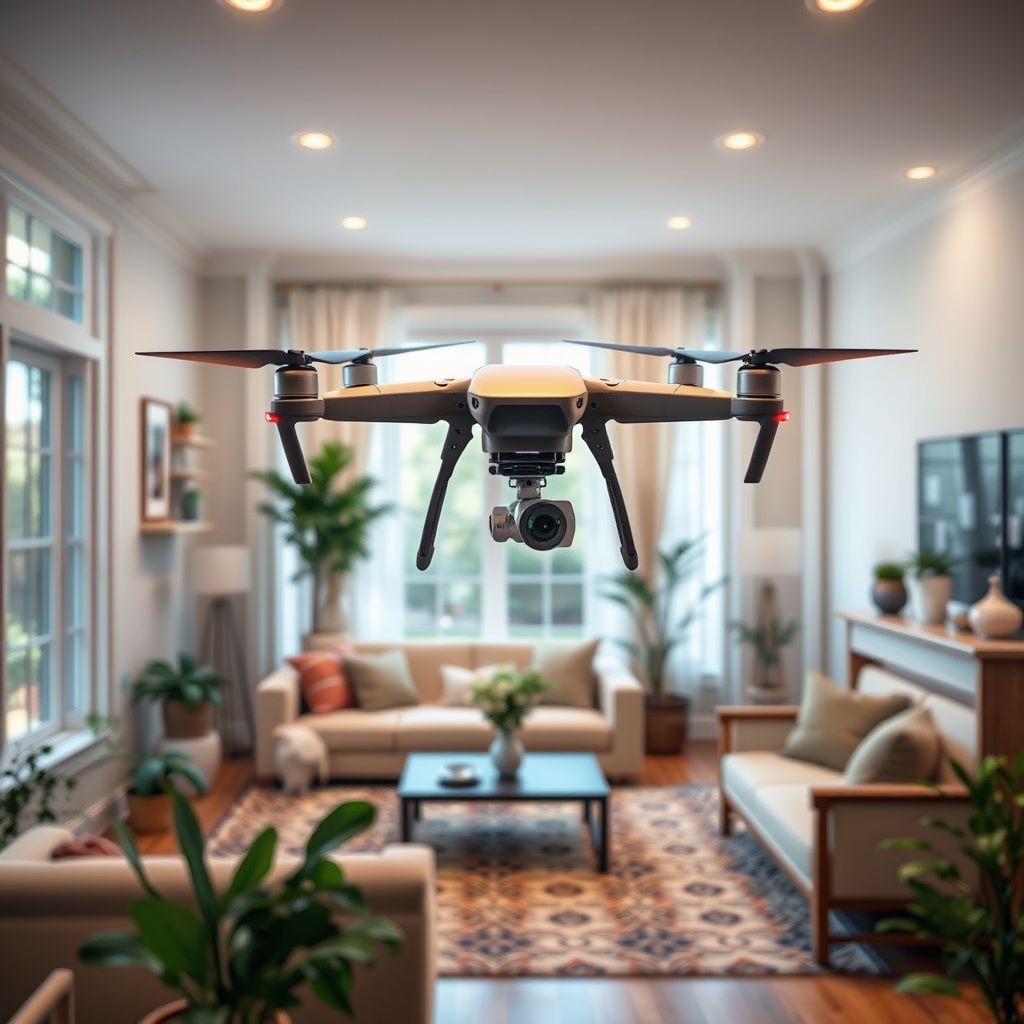
In addition to federal regulations, many states have enacted their own laws concerning drone usage and firearm discharge. For instance, some states may have statutes that specifically address the shooting down of drones, categorizing such actions as destruction of property or endangerment. In California, for example, it is illegal to shoot a drone without express permission from the owner. Therefore, it is essential for property owners to familiarize themselves with local laws and regulations before contemplating any actions against a drone.
Your Rights as a Property Owner
Airspace Rights
As a property owner, you possess certain rights to the airspace above your property, typically extending to a reasonable height. However, the concept of airspace rights can be complex and varies by jurisdiction. Generally, individuals cannot exercise control over the airspace to the extent that it interferes with the legal operation of drones. The courts have held that while property owners have rights to their airspace, these rights do not extend to the prohibition of drones flying at legal altitudes.
Privacy Concerns
Drones equipped with cameras can raise significant privacy concerns, especially when they invade personal space or capture images without consent. Although the presence of a drone may feel intrusive, it is crucial to approach this issue through legal channels rather than resorting to physical confrontation. Many states have enacted laws to protect individuals from invasive drone surveillance, and pursuing legal recourse can be a more effective way to address privacy violations than taking matters into your own hands.
Potential Consequences of Shooting Down a Drone
Criminal Charges
Engaging in the act of shooting down a drone can lead to serious criminal repercussions. Firearms laws vary by state, but discharging a firearm can result in felony charges, particularly if the action endangers others or is conducted in a populated area. Furthermore, depending on the circumstances, such an act could be classified as reckless endangerment, which carries significant consequences, including imprisonment.
Liability Issues
Shooting down a drone can also result in civil liability. If the drone belongs to someone else, damaging it can lead to a lawsuit for property damage, with potential costs running into thousands of dollars. Additionally, if the drone crashes and injures someone or damages property, the shooter could be held liable for those damages as well. Thus, the risks associated with shooting down a drone extend beyond criminal charges to include serious financial repercussions.
Alternatives to Shooting Down a Drone
Contact Authorities
Instead of taking drastic measures, a more prudent approach is to report the drone to local law enforcement or the FAA. Law enforcement agencies are equipped to handle issues related to drone operations, especially if the drone is violating privacy laws or flying in restricted airspace. By documenting your concerns and providing evidence, authorities may take appropriate action against the drone operator.
Use Technology
In an era of advancing technology, there are tools available to help mitigate drone-related issues without resorting to violence. Drone detection systems can alert homeowners when a drone is nearby, allowing them to take preemptive measures. Some systems can provide information about the drone’s location, which can be invaluable if legal action is required. Additionally, there are apps designed to identify drones operating in your area, helping you better understand the situation.
Drone Detection and Prevention
Understand Drone Technology
Familiarizing yourself with common drone models and their operations can empower property owners to respond appropriately when faced with unwanted drone activity. Understanding the capabilities and limitations of drones can help distinguish between harmless recreational use and potential invasions of privacy. Knowledge can also inform decisions about whether to contact authorities or pursue other actions.
Take Preventive Measures
If drone activity is a persistent concern, property owners may consider installing physical barriers, such as privacy screens or fences. These measures can deter unwanted drone surveillance and enhance the overall privacy of your property. Additionally, some homeowners have found success in using noise deterrents or other technologies designed to disrupt drone operations without resorting to violence.
Seeking Legal Guidance
Consult an Attorney
When faced with persistent drone issues, consulting an attorney can provide clarity on your rights and options. A legal expert can help you navigate the complex landscape of drone laws, offering advice tailored to your specific situation. This step can be crucial in understanding the potential legal ramifications of any actions you might consider.
Know When to Act
Understanding the legal thresholds that justify taking action against a drone is vital. If a drone poses a genuine threat to your safety or privacy, knowing the legal parameters can help you act within the law while protecting your rights. An attorney can also advise whether pursuing a complaint against the operator or seeking an injunction may be appropriate.
In conclusion, while the temptation to shoot down a drone hovering over your property may arise, it is essential to prioritize legal options and peaceful resolutions. The legal landscape surrounding drones is complex, with federal and state laws offering protections to both property owners and drone operators. Engaging with authorities, utilizing technology, and seeking legal guidance are all viable alternatives that can address concerns without the extreme consequences associated with shooting down a drone. Always consider the implications of your actions and strive for solutions that respect the rights of all involved.
Frequently Asked Questions
Can I legally shoot down a drone hovering over my house?
Legally shooting down a drone hovering over your property can lead to serious legal consequences, as it is typically considered a criminal act. In most jurisdictions, drones are classified as aircraft, and shooting one down could result in federal charges. Instead, it’s advisable to report the drone to local law enforcement or the FAA, who can handle the situation appropriately.
What should I do if a drone is invading my privacy?
If a drone is invading your privacy, the first step is to document the incident by taking photos or videos, noting the time and location. You can then contact local law enforcement or file a complaint with the Federal Aviation Administration (FAA). Many areas have laws against invasive drone surveillance, so understanding your local regulations can help you take appropriate action.
How can I prevent drones from hovering over my property?
To prevent drones from hovering over your property, you can install physical barriers like privacy fences or use natural barriers such as trees and shrubs. Additionally, you may want to consider using drone detection technology that alerts you when a drone is nearby. It’s also helpful to communicate with your neighbors about drone use, as they may be able to help minimize disturbances.
Why are drones allowed to fly over residential areas?
Drones are allowed to fly over residential areas under certain regulations set by the FAA, primarily for purposes such as photography, delivery services, or recreational use. The FAA regulates drone flights to ensure safety and privacy, but they do allow drone operators to fly in uncontrolled airspace, which includes many residential neighborhoods. However, operators must respect privacy laws and avoid flying too close to people or structures.
What are the best ways to report a nuisance drone?
The best ways to report a nuisance drone include contacting your local law enforcement agency and filing a complaint with the FAA. When reporting, provide as much detail as possible, including the drone’s appearance, flight pattern, and any potential violations of privacy or safety regulations. Many communities also have specific noise ordinances or trespassing laws that may apply, so be sure to check local laws when making a report.
References
- https://en.wikipedia.org/wiki/Drone#Legal_considerations
- https://www.theguardian.com/technology/2020/jun/01/can-you-shoot-down-a-drone-over-your-house
- https://www.nytimes.com/2019/05/30/us/drones-private-property.html
- https://www.faa.gov/uas/
- https://www.aclu.org/news/free-speech/what-you-need-to-know-about-drones-and-your-privacy
- https://www.nolo.com/legal-encyclopedia/can-you-shoot-drone-hovering-your-property-32234.html
- https://www.technologyreview.com/2020/06/02/1002785/can-you-shoot-down-a-drone/
- https://www.wired.com/story/you-cant-shoot-down-a-drone/
