

In Canada, shooting down a drone is illegal under federal law, as it poses significant risks to public safety and privacy. The operation of drones is regulated to ensure that they are used safely and responsibly. Understanding the laws surrounding drone usage is essential for anyone who may encounter an unauthorized drone, whether for recreational or commercial purposes. In this article, we will delve into the legal framework, safety risks, and alternatives to consider when faced with an unwanted drone.
Understanding Canadian Drone Regulations
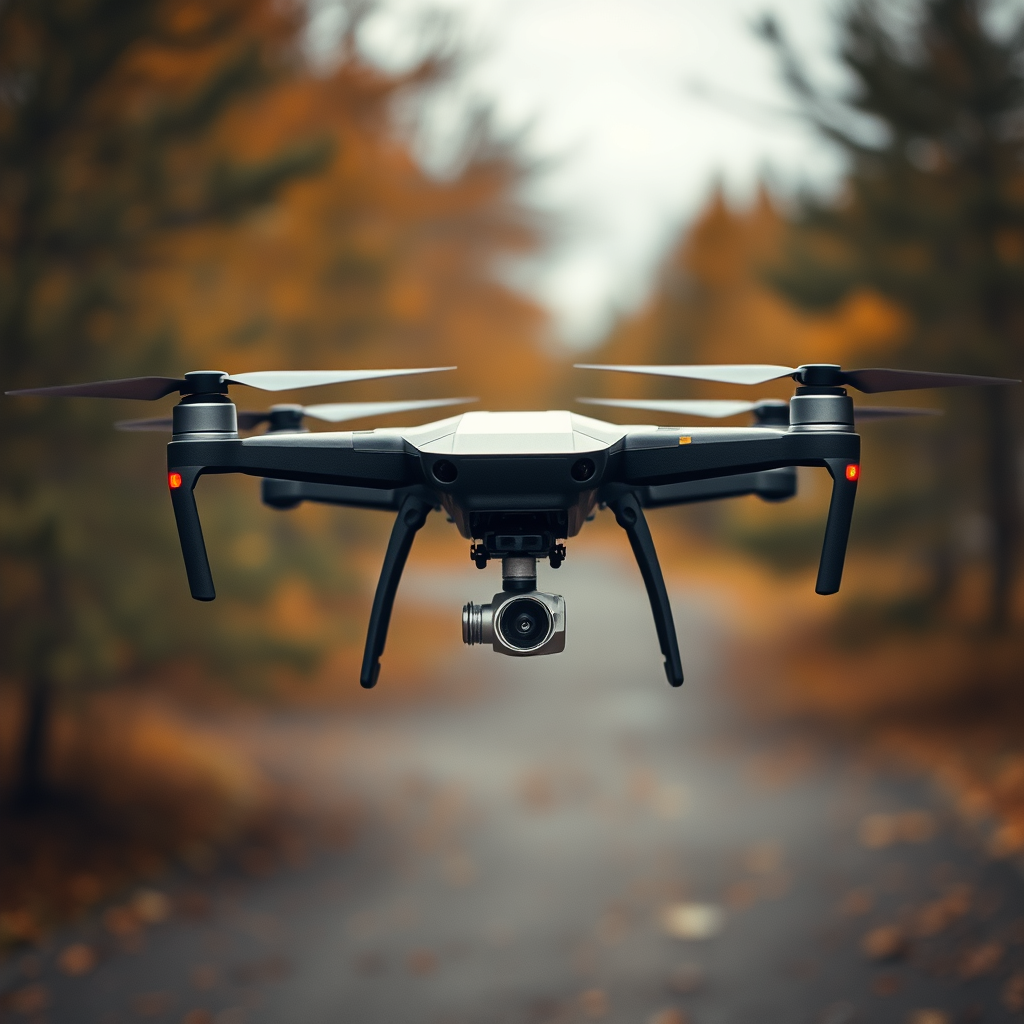
Drones in Canada are primarily regulated by Transport Canada under the Canadian Aviation Regulations (CARs). These regulations categorize drones based on their weight and operational use, creating a framework that governs the operation of both recreational and commercial drones. For instance, recreational drones weighing 250 grams or more must be registered, and operators must obtain a Basic Pilot Certificate.
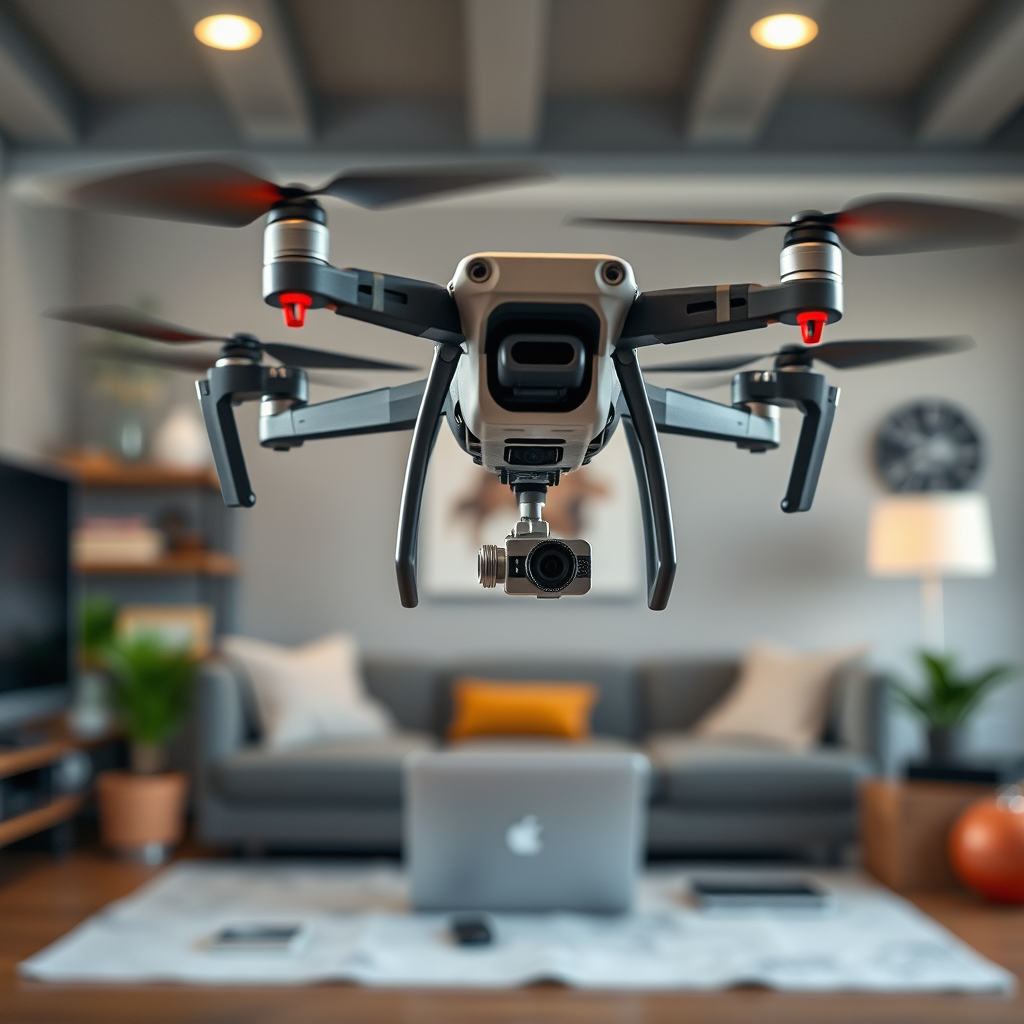
The legislation is designed to mitigate risks associated with drone operation, such as collisions with manned aircraft, privacy infringement, and other public safety concerns. Unauthorized use of a firearm against a drone is not only prohibited but can lead to severe legal repercussions. Canadian laws are clear: individuals do not have the right to take matters into their own hands when it comes to drones.
Furthermore, the Criminal Code of Canada classifies the misuse of firearms, including shooting at drones, as a criminal offense. Engaging in such behavior can result in charges that may include mischief or endangerment, emphasizing the importance of adhering to established regulations.
Legal Consequences of Shooting Down a Drone
The legal ramifications of shooting down a drone in Canada can be severe. Individuals found responsible for discharging a firearm at a drone may face criminal charges that include mischief, which involves causing damage to property, or endangerment, which refers to actions that could potentially harm others. Such charges can lead to significant fines, probation, or even imprisonment, depending on the severity of the incident and the consequences that ensue.
In addition to criminal charges, individuals may also face civil lawsuits for damages caused by their actions. For example, should the drone be shot down and subsequently crash into a home or injure a bystander, the individual responsible for the shooting could be liable for any resulting damages. This could involve compensation for medical expenses, property damage, and other related costs, further underscoring the financial risks associated with such actions.
Legal precedents in Canada illustrate the seriousness of these consequences. There have been cases where individuals have been prosecuted for reckless behavior involving firearms, reinforcing the necessity of understanding drone laws and exercising restraint.
Safety Risks Involved
Shooting down a drone is fraught with safety risks that can have far-reaching implications. Firstly, the act of firing a weapon, regardless of the target, poses a significant threat to public safety. Bullets can stray from their intended path, leading to unintended injuries to people or damage to property in the vicinity. In urban areas, where drones are most commonly encountered, the potential for collateral damage increases exponentially.
Moreover, many drones are equipped with cameras, sensors, and other surveillance technology. Shooting down a drone can raise serious privacy concerns, particularly if the drone was collecting data or images of individuals without their consent. This situation can lead to legal complications regarding privacy rights and may result in additional investigations by law enforcement.
Additionally, the materials from a fallen drone, particularly if it is equipped with batteries or hazardous materials, can pose environmental risks. The potential for fire or chemical exposure adds another layer of danger to the act of shooting down a drone, making it a reckless and harmful choice.
Alternatives to Shooting Down a Drone
When faced with an unwanted drone, there are several alternatives to consider rather than resorting to shooting it down. The first and most responsible course of action is to report the drone to local authorities or Transport Canada. Reporting can ensure that the drone’s operation is properly investigated, potentially leading to action against the operator if they are in violation of regulations.
If the drone’s operator is known and accessible, direct communication may also be an effective approach. Politely addressing your concerns with the operator can lead to a peaceful resolution, whether it’s requesting the drone be moved away from your property or addressing privacy concerns. Many drone operators are conscientious and may not realize the impact their activities are having on those nearby.
Moreover, there are non-lethal measures that can deter unwanted drones. For instance, utilizing signal jammers or other technologies designed to interfere with drone operation can be explored, though these methods also come with their own legal complexities. Always consult legal guidelines before considering such alternatives to ensure compliance with regulations.
The Role of Law Enforcement
Law enforcement agencies play a crucial role in managing incidents involving drones. They have established protocols for dealing with unwanted drone activity, particularly when safety concerns arise. Should a drone pose a threat, law enforcement can assess the situation and take appropriate action, which may include contacting the drone operator or escalating the matter to regulatory authorities.
Law enforcement is also equipped to handle potential privacy violations and can investigate claims of harassment or data collection without consent. Their involvement ensures that conflicts surrounding drones are resolved professionally and legally, reducing the likelihood of escalation or unlawful actions by individuals.
Furthermore, law enforcement agencies are increasingly educating their personnel on drone regulations and the technology involved, ensuring that they are prepared to address drone-related incidents effectively. This collaboration between the public and law enforcement enhances community safety and compliance with drone laws.
Public Awareness and Education
Increasing public awareness of drone regulations is vital in preventing conflicts and misunderstandings. Educational initiatives can inform individuals about their rights regarding drone operations and the legal channels available for addressing unwanted drone activity. Workshops, community events, and online resources can provide valuable insights into responsible drone use and the implications of misuse.
Schools and community organizations can also incorporate drone education into their curricula, fostering a culture of respect and understanding regarding this emerging technology. By educating the public, we can promote safer interactions between drone operators and the community, reducing the likelihood of confrontations that may lead to unlawful actions.
Additionally, drone manufacturers and operators have a responsibility to educate their users about regulations and best practices. By providing comprehensive training and resources, they can help ensure that drone pilots operate within the law and respect the rights of others.
In conclusion, while the temptation to shoot down a drone may arise in certain situations, it is crucial to understand the legal and safety implications of such actions in Canada. Engaging in unlawful behavior can lead to serious consequences, including criminal charges and civil liabilities. Instead, consider reporting the drone or seeking assistance from authorities to resolve the issue effectively. Promoting public awareness and understanding of drone regulations will contribute to a safer environment for everyone involved.
Frequently Asked Questions
Can you legally shoot down a drone in Canada?
No, it is illegal to shoot down a drone in Canada. Under the Canadian Criminal Code, destroying or damaging property, which includes drones, can lead to serious legal consequences. Additionally, drones are often classified as aircraft, and shooting one down could also violate aviation laws under the Aeronautics Act, leading to further penalties.
What should I do if a drone is flying over my property in Canada?
If a drone is flying over your property and you feel uncomfortable, the first step is to document the incident by taking notes or video evidence of the drone’s activity. You can contact local law enforcement if you believe the drone is being operated illegally or poses a threat to your privacy or safety. It’s also useful to familiarize yourself with Canada’s drone regulations to understand your rights regarding airspace and privacy.
Why are drones flying over my house in Canada?
Drones may fly over residential areas for various reasons, including recreational use, commercial photography, surveying land, or even delivery services. While drone operators are required to follow strict regulations, including maintaining a safe distance from people and private property, some may inadvertently breach these rules. Understanding the purpose of the drone can help determine whether it is being operated legally.
How can I report a drone that is flying dangerously in Canada?
To report a dangerously flying drone in Canada, contact your local law enforcement or the Royal Canadian Mounted Police (RCMP). You can also report the incident to Transport Canada if the drone appears to be operating in violation of federal aviation regulations. Providing specific details such as the drone’s location, behavior, and any identifying features can help authorities respond effectively.
What are the best practices for operating a drone legally in Canada?
The best practices for operating a drone legally in Canada include registering your drone with Transport Canada if it weighs over 250 grams, obtaining a drone pilot certificate for advanced operations, and adhering to the regulations regarding flying near airports, populated areas, and restricted airspace. Additionally, always maintain visual line of sight with your drone and respect the privacy of others to ensure safe and responsible flying.
References
- https://www.canada.ca/en/transport-canada/services/drone-safety.html
- https://www.rcmp-grc.gc.ca/en/news/2019/drone-safety-and-privacy
- https://www.cbc.ca/news/canada/drone-laws-canada-1.4572026
- https://www.theglobeandmail.com/politics/article-drones-canada-law/
- https://www.ontario.ca/page/drones-and-the-law
- https://www.surrey.ca/news-events/news/drone-regulations-and-safety
- https://www.wired.com/story/can-you-shoot-down-drone-legal-issues/
- https://www.vice.com/en/article/3kj4x8/can-you-shoot-down-a-drone-in-canada
