

Yes, you can potentially shoot down a drone in Tennessee, but there are strict legal implications and regulations that must be followed. Engaging in such actions can lead to serious legal consequences, including criminal charges. Drones are increasingly prevalent in our skies, and while they can be used for various purposes, concerns about privacy and safety have prompted individuals to contemplate extreme measures. Understanding the legal framework surrounding drone usage in Tennessee is essential for anyone considering such actions, as well as exploring alternative methods to address privacy concerns without resorting to violence.
Understanding Drone Laws in Tennessee
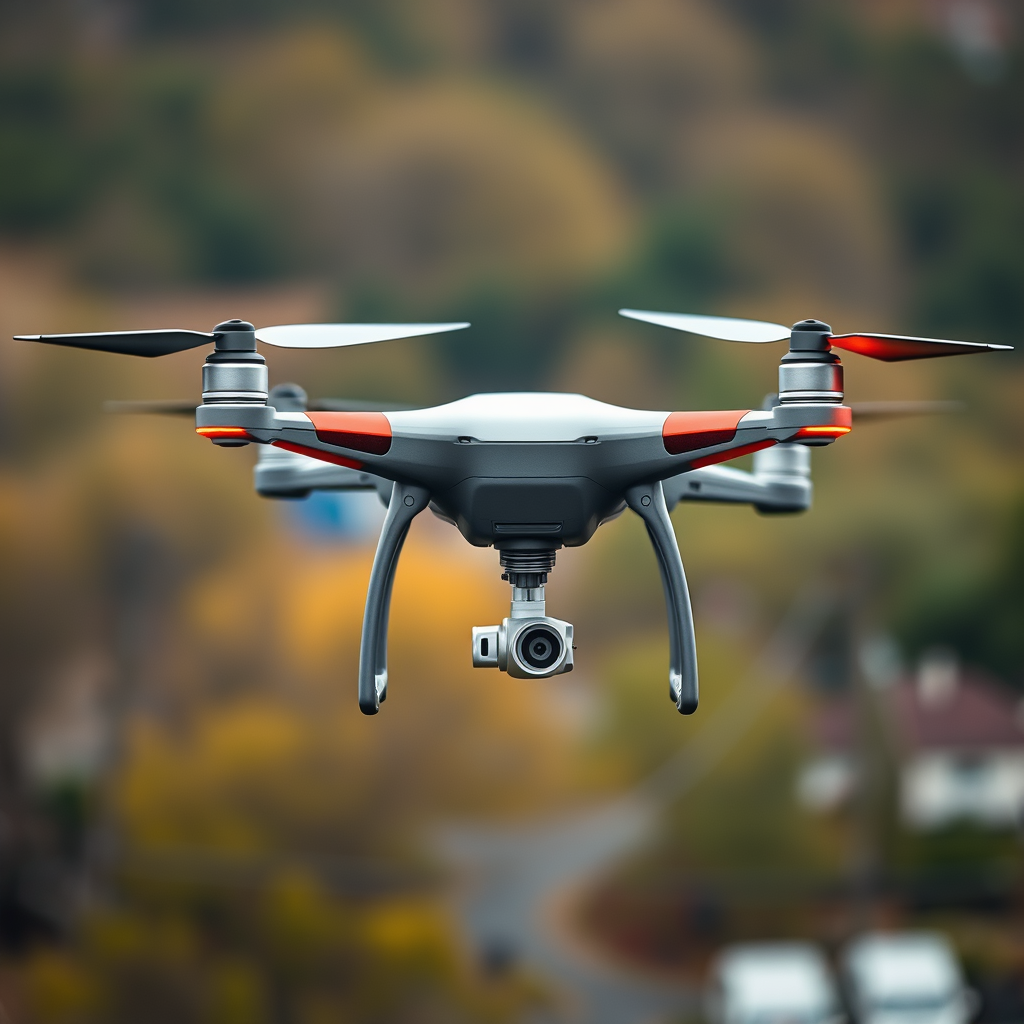
Tennessee has established specific laws regulating the use of drones, which are designed to protect citizens’ privacy and ensure safe operation in the airspace. One of the primary pieces of legislation is the Tennessee Freedom from Unwarranted Surveillance Act, enacted to safeguard individuals from intrusive surveillance activities conducted by drones. Under this act, it is illegal to use drones to capture images or video footage of individuals in private settings without their consent.
Furthermore, the law clearly delineates the boundaries of drone operation, stating that drones cannot be flown over private property to record or surveil without permission. This legal framework provides a basis for individuals to assert their rights against unwanted drone surveillance, but it also emphasizes the importance of adhering to the law when addressing grievances.
It is crucial for drone operators to understand these regulations to avoid infringing on the rights of others, as violations can lead to civil lawsuits or criminal charges. Residents concerned about drone activity should familiarize themselves with local and state laws to better understand their rights and the limits of drone usage.
Self-Defense and Property Rights
In Tennessee, the law does recognize the right to self-defense and protection of property under certain circumstances. However, this does not typically extend to shooting down a drone. Self-defense laws are designed to protect individuals from imminent threats of bodily harm, and the mere presence of a drone does not constitute such a threat.
Property owners do have the right to protect their property from trespassers, but lethal force is generally not justified solely for the purpose of protecting property. For example, if a drone is hovering over your land and capturing images without permission, while you may feel violated, the appropriate response is to report the activity rather than resort to destructive measures. Engaging in lethal force against a drone may lead to severe repercussions, including criminal charges, and is unlikely to be viewed favorably by law enforcement.
It is essential to recognize that drones are often operated by individuals who may not be aware they are infringing on someone’s privacy. Engaging with the operator directly, if safe to do so, may provide a more amicable resolution to the situation.
Potential Legal Consequences
Shooting down a drone in Tennessee can lead to significant legal consequences, including criminal charges such as reckless endangerment, destruction of property, and even assault in certain cases. Not only could you face state-level charges, but federal laws may also apply. The Federal Aviation Administration (FAA) regulates airspace and has strict rules regarding the operation and destruction of unmanned aircraft systems (UAS).
If a drone is shot down and falls on private property or causes injury to individuals or bystanders, the shooter could be held liable for damages. Additionally, the FAA has the authority to impose civil penalties on individuals who interfere with the operation of a drone, which could result in substantial fines.
It is also worth noting that the legal landscape surrounding drones is evolving. Courts are increasingly addressing drone-related cases, leading to potentially more stringent regulations in the future. Therefore, individuals should think carefully about the implications of taking drastic actions against drones.
Alternatives to Shooting Down a Drone
If you believe a drone is invading your privacy or posing a potential threat, there are several alternatives to consider before resorting to shooting it down. One effective approach is to contact local law enforcement or authorities. Law enforcement agencies are equipped to handle complaints involving drones and can investigate whether any laws are being violated.
In addition, utilizing drone detection technology can be a proactive solution for monitoring drone activity in your vicinity. There are various apps and devices available that can help identify drones and their operators. By documenting instances of drone surveillance, you can provide a clear account to law enforcement, which may facilitate a more effective response.
Moreover, some communities are exploring the establishment of drone-free zones or regulations that require drone operators to register their flights. Engaging in community discussions and advocating for policy changes can help create a safer environment for residents concerned about drone activity.
Public Perception and Ethical Considerations
Public perception regarding shooting drones varies significantly. Many individuals advocate for personal privacy and support actions against invasive drone surveillance. However, there is also a strong caution against aggressive responses that could escalate situations unnecessarily.
Ethical considerations should be taken into account when dealing with drone operators. Understanding that many drone users may not have malicious intent can influence how individuals choose to respond. Before taking any action, consider reaching out to the operator, if feasible, to express your concerns and seek a resolution. Open communication can often defuse tense situations and lead to a better understanding of drone usage in your area.
Additionally, discussions surrounding drone regulations are ongoing in many communities. Engaging in these conversations can help shape the future of drone operations and establish guidelines that respect both privacy and the rights of drone operators.
Future of Drone Regulations
As drone technology continues to evolve, so do the laws that govern their use. Staying informed about changes in drone regulations is crucial for both operators and those concerned about privacy. Advocacy groups are actively working to shape these regulations, striving to strike a balance between safety, privacy, and the benefits that drone technology can provide.
Emerging technologies, such as improved surveillance capabilities and automated systems, may lead to enhanced regulatory frameworks that address various concerns related to drone usage. Individuals should remain engaged in discussions around drone legislation and consider participating in public forums to voice their opinions and concerns.
In conclusion, while the idea of shooting down a drone in Tennessee may seem appealing in certain situations, it is fraught with legal risks and repercussions. Understanding the laws surrounding drone use is crucial to navigate the complexities of privacy and property rights. It is advisable to explore safer, legal alternatives before taking any drastic actions. If you’re facing drone-related issues, consulting with legal experts or local authorities can provide clarity and help you find the best course of action.
Frequently Asked Questions
Is it legal to shoot down a drone in Tennessee?
No, it is not legal to shoot down a drone in Tennessee. Under both state and federal laws, destroying or damaging a drone can lead to criminal charges, including felony charges for destruction of property. Instead of taking drastic action, it’s advisable to report any concerns about drones to local law enforcement or the Federal Aviation Administration (FAA).
What should I do if a drone is flying over my property in Tennessee?
If a drone is flying over your property and you feel uncomfortable, the first step is to document the situation, noting the time, location, and any identifiable features of the drone. You can then contact local law enforcement if you feel your privacy is being violated. Familiarize yourself with Tennessee’s drone laws, as they provide guidelines on privacy and airspace rights.
How can I legally address privacy concerns regarding drones in Tennessee?
To address privacy concerns about drones in Tennessee, you can reference state laws that protect individuals from invasive surveillance. If a drone is capturing images or videos without consent, you may have grounds to file a complaint. Additionally, you could consult with a legal professional to explore your options for seeking an injunction or other legal remedies based on invasion of privacy.
Why are drones becoming a concern for residents in Tennessee?
Drones have become a concern for many residents in Tennessee due to issues surrounding privacy invasion, noise, and potential safety hazards. As drone technology becomes more accessible, instances of drones flying too close to homes, schools, and sensitive areas have increased, prompting residents to worry about their personal space and security. Understanding the laws and regulations surrounding drone use can help alleviate some of these concerns.
What are the best practices for drone owners in Tennessee to avoid legal issues?
To avoid legal issues, drone owners in Tennessee should adhere to the FAA guidelines, which include flying below 400 feet, staying clear of restricted airspace, and respecting the privacy of others. Additionally, obtaining proper registration for the drone and being aware of local ordinances regarding drone usage can help ensure compliance with the law. Engaging with the community and being respectful of neighbors’ privacy can also foster goodwill and reduce conflicts.
References
- https://www.tn.gov/safety/section-1-legal-issues.html
- https://www.wbir.com/article/news/local/tennessee-drone-laws/51-5b87b8d8-ae8b-49f8-9f6f-3573e37d2b7e
- https://www.tn.gov/attorneygeneral/opinions/2017/opinion-17-06.html
- https://www.nolo.com/legal-encyclopedia/drone-laws-tennessee-36716.html
- https://www.fox17.com/news/local-news/tennessee-drone-laws-what-you-need-to-know
- https://www.usatoday.com/story/news/nation/2021/08/11/drone-laws-tennessee-what-you-need-know/8109078002/
- https://www.washingtonpost.com/technology/2021/04/22/drone-laws/
