

Yes, you can technically shoot down a drone, but it raises significant legal, ethical, and safety concerns. Understanding these implications is crucial before taking any action against a drone that may be invading your privacy or posing a threat. As drones become increasingly prevalent in both commercial and recreational settings, the question of how to deal with them—especially when they infringe on personal privacy or security—has gained attention. This blog post will explore the multifaceted aspects of intercepting a drone, focusing on the legal framework, safety risks, alternatives, ethical considerations, specific scenarios for action, and public opinion.
Legal Framework Surrounding Drone Interception
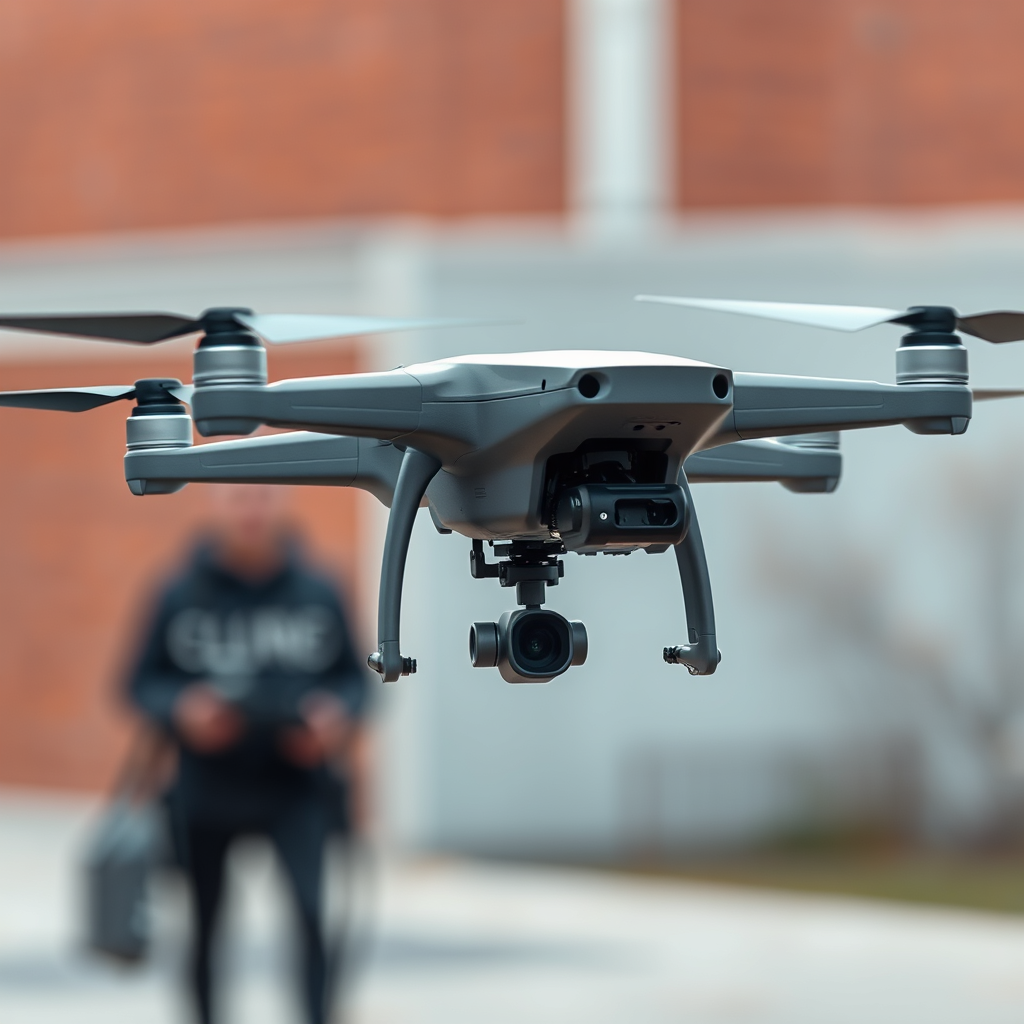
Federal laws in the United States, primarily governed by the Federal Aviation Administration (FAA), prohibit the shooting down of drones in most circumstances. The FAA classifies drones as aircraft, which means they are protected by federal aviation regulations. Shooting down a drone could lead to severe legal repercussions, including criminal charges for destruction of property and potential civil liabilities. Additionally, the National Defense Authorization Act does allow for some exceptions, primarily concerning military operations or specific security threats, but these scenarios are tightly regulated.
Local regulations may vary significantly, and it is essential to be aware of your area’s specific laws concerning drone operation and interception. Some states have enacted laws that explicitly outline the rights of drone operators and the conditions under which a drone may be grounded. For instance, some jurisdictions may allow for the use of non-lethal methods to disable a drone but may still prohibit more aggressive approaches, such as firearms. Therefore, always consult local statutes and ordinances before considering any action against a drone.
Safety Risks of Shooting Down Drones
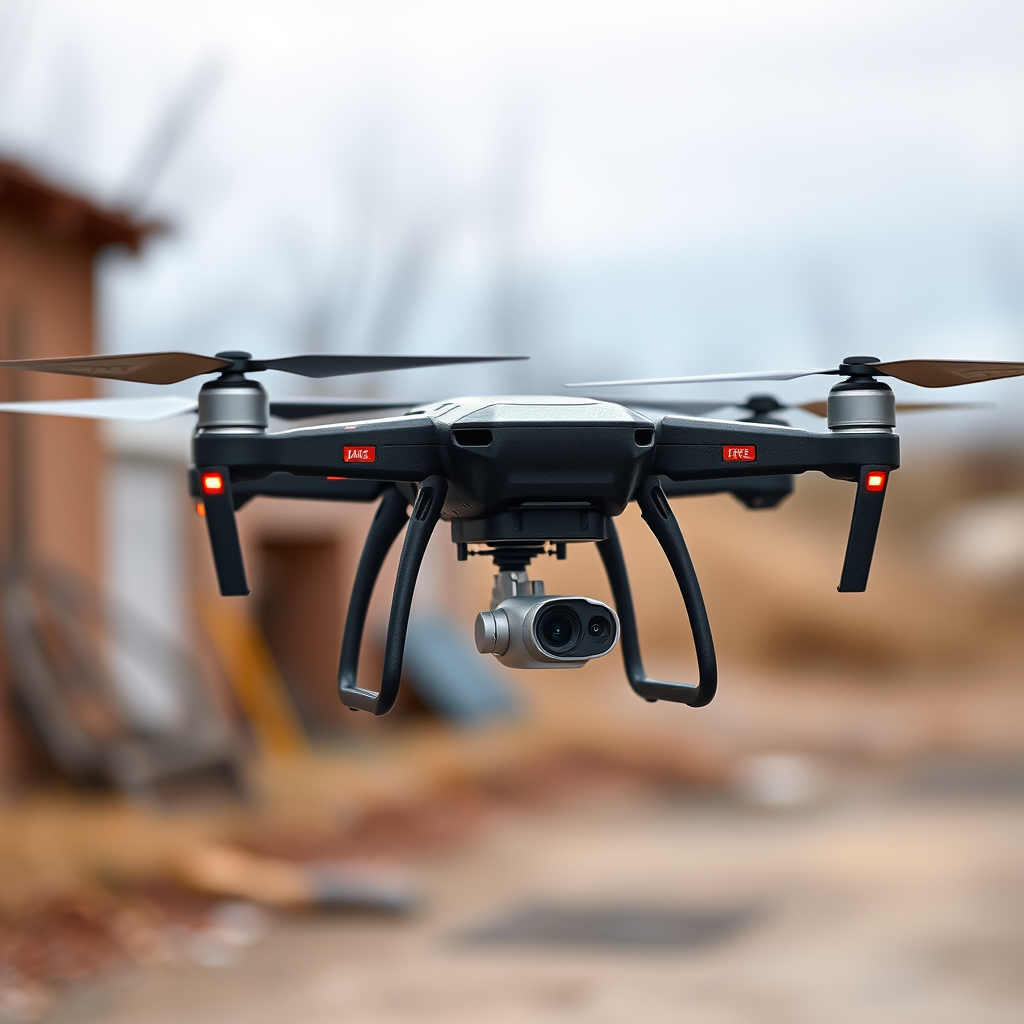
Shooting down a drone can lead to unintended injuries to people or damage to property, raising substantial safety concerns. The potential for collateral damage increases dramatically when firearms are used, especially in urban or populated areas where bystanders and structures are in close proximity. For instance, if a drone is shot down over a crowded park or residential neighborhood, there is a significant risk that the falling debris could injure someone or damage property, resulting in legal liability for the shooter.
Additionally, consider the type of firearm used. A bullet can travel a considerable distance, posing a risk to individuals far from the initial shooting site. Furthermore, discharging a firearm in most urban environments is illegal, and doing so in response to a drone presents a host of legal challenges. Given these risks, it is crucial to assess the situation thoroughly before resorting to such drastic measures.
Alternatives to Shooting Down Drones
Instead of taking matters into your own hands by shooting down a drone, consider reporting the drone to local authorities for investigation. Law enforcement agencies are generally better equipped to handle potential violations of privacy or safety concerns related to drone operation. Providing them with detailed information about the drone’s activity, such as its location, flight path, and any suspicious behavior, can facilitate a more efficient response.
Moreover, non-destructive methods can be employed where legal. Signal jammers, which disrupt the communication between the drone and its operator, can effectively ground a drone without causing physical harm. However, it is important to note that the use of signal jammers is illegal in many jurisdictions, including the United States, so it’s vital to verify the legality of such methods before considering them. Additionally, drone-catching nets are becoming increasingly popular among law enforcement agencies as a safe way to disable drones without causing collateral damage.
Ethical Considerations
The decision to shoot down a drone raises significant ethical questions, particularly concerning the invasion of privacy against the rights of the drone operator. Drones are often used for legitimate purposes, including photography, surveying, and delivering goods. While it is understandable to be concerned about privacy violations, it is also important to recognize that drone operators have rights, including the right to operate their devices within the bounds of the law.
Moreover, evaluating the potential consequences of your actions on the community and the environment is essential. An impulsive decision to shoot down a drone could lead to broader societal implications, including fostering a culture of distrust among neighbors and potentially sparking confrontations. Instead of resorting to violence, consider advocating for clearer regulations regarding drone use in your community, which can safeguard privacy while still allowing for responsible drone operation.
Scenarios Where Shooting Down a Drone Might Be Considered
While it is generally inadvisable to shoot down a drone, there may be specific scenarios where such an action could be justified. For instance, if a drone poses an immediate threat to safety or security, such as hovering dangerously close to an airport or engaging in suspicious surveillance of a private property, there may be grounds for intervention. In these cases, it is critical to have clear evidence of the threat and to act within the confines of the law.
In contexts involving military or law enforcement operations, the rules of engagement differ significantly from civilian circumstances. Military personnel are trained to assess threats in real time and may have the authority to disable drones that pose a risk to national security or operational integrity. However, even in these situations, strict protocols must be followed to ensure that actions taken are justified and legally sound.
Public Opinion on Drone Shooting
Public opinion on the shooting down of drones is divided, often reflecting broader societal concerns about privacy and security. Some individuals view drones as invasive tools that undermine personal privacy, leading them to support measures that allow for defensive actions against these devices. Experiences of unwanted surveillance have fueled calls for more aggressive responses to drone activity.
Conversely, others argue that shooting down drones can set a dangerous precedent, potentially leading to vigilantism and escalating conflicts between drone operators and the public. This perspective emphasizes the need for clear regulations and responsible drone usage rather than resorting to violence. Surveys have shown that public opinion varies based on personal experiences with drones, highlighting the importance of context when discussing the implications of shooting down such devices.
In conclusion, while shooting down a drone may seem like a straightforward solution to privacy concerns or perceived threats, it is fraught with legal, ethical, and safety implications. With federal and local laws prohibiting such actions in most situations, individuals must consider alternative measures and consult local regulations before taking any action. Engaging with local authorities, employing non-destructive methods, and understanding the ethical dimensions of drone interception will lead to more effective and responsible solutions. As drone technology continues to evolve, fostering a dialogue about regulations and community standards will be crucial for navigating this complex landscape.
Frequently Asked Questions
What are the legal implications of shooting down a drone?
Shooting down a drone can lead to significant legal repercussions, as it is generally considered illegal to destroy property that does not belong to you. In the United States, the Federal Aviation Administration (FAA) strictly regulates airspace, and unauthorized actions against drones can result in fines or criminal charges. It’s essential to understand local laws and regulations before considering any action against a drone.
How can I safely disable a drone without shooting it down?
Safely disabling a drone can be achieved using various non-destructive methods. Common techniques include using a drone jammer, which interferes with the drone’s communication signals, causing it to return to its takeoff point or land safely. Additionally, you can contact local authorities or a drone service provider, as they may have protocols in place for handling intrusive drones without resorting to extreme measures.
Why might someone want to shoot down a drone?
Individuals may consider shooting down a drone for several reasons, such as privacy concerns, harassment, or security issues. If a drone is invading personal space, capturing images, or posing a threat, it can prompt an emotional response. However, it’s crucial to remember that resorting to violence or destruction is not a legally or ethically sound solution and can lead to serious consequences.
What are the best practices for dealing with a nuisance drone?
The best practices for dealing with a nuisance drone include documenting the incident by taking photos or videos, noting the drone’s registration number (if visible), and reporting it to local authorities or law enforcement. Avoid confronting the drone operator directly, as this can escalate the situation. Additionally, consider investing in privacy-enhancing technology or barriers if drone intrusion is a recurring issue.
Which devices can be used to manage unwanted drones effectively?
Various devices are available to manage unwanted drones effectively without resorting to shooting them down. Anti-drone technology such as signal jammers, net guns, and drone detection systems can help mitigate the risks posed by intrusive drones. It’s important to research and select devices that comply with local laws, as some anti-drone technologies may also be restricted or illegal in certain areas.
References
- https://en.wikipedia.org/wiki/Drone#Countermeasures
- https://www.theguardian.com/technology/2020/jan/10/us-military-drone-attacks-legalities
- https://www.bbc.com/news/world-us-canada-51158071
- https://www.nytimes.com/2019/06/20/us/drone-attack-legal.html
- https://www.faa.gov/uas/
- https://www.nap.edu/catalog/25183/aircraft-drones-and-the-future-of-aerial-systems
- https://www.c-span.org/video/?463815-1/drone-issues
- https://www.rand.org/pubs/research_reports/RR3110.html
