
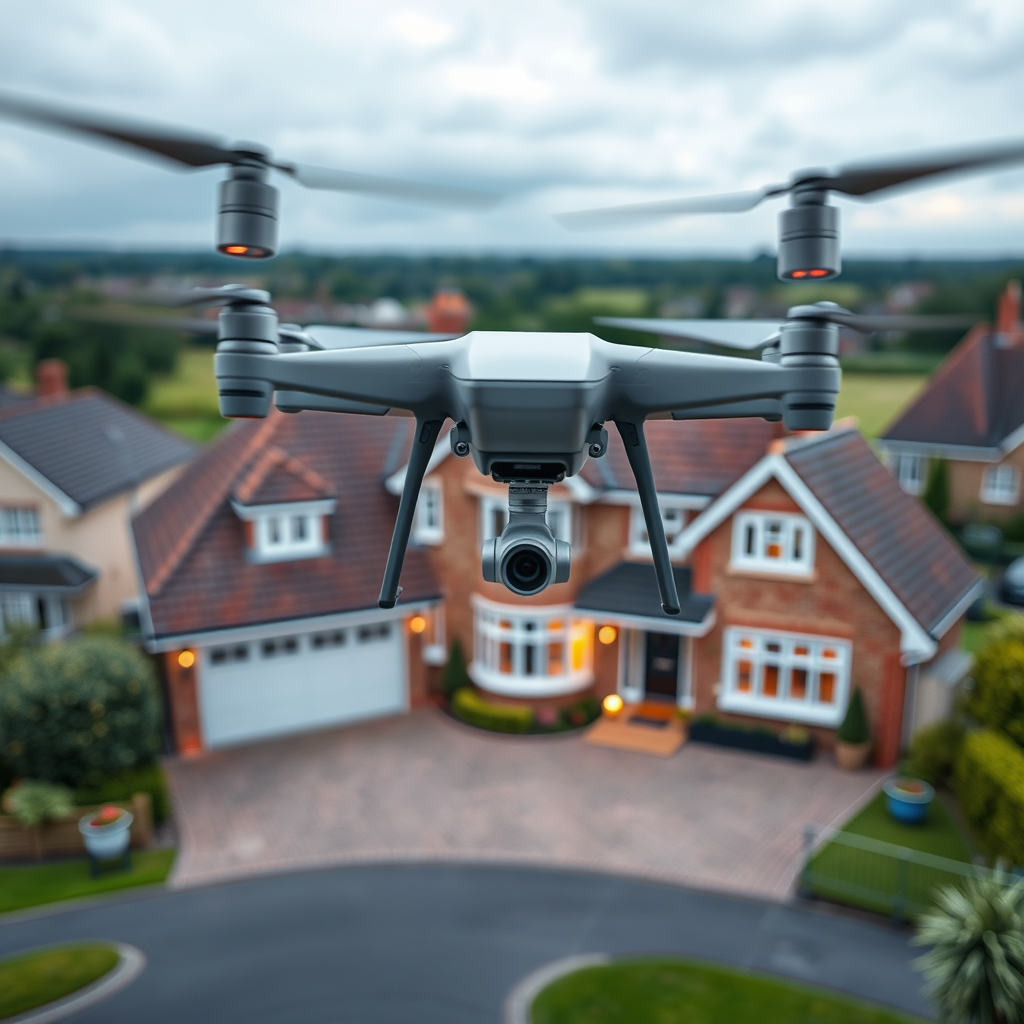
While it may seem tempting to shoot down a drone hovering over your property, doing so in the UK is illegal and could lead to serious consequences. Instead, it’s essential to understand the laws surrounding drones and your rights as a property owner, as well as what alternative actions you can take to address your concerns.
Understanding Drone Laws in the UK
The UK has specific regulations under the Civil Aviation Authority (CAA) governing drone usage. These regulations are designed to ensure safety and privacy while allowing for the enjoyment of drone technology. Drones must not be flown above 400 feet and must maintain a safe distance from people and property, typically at least 50 meters. Additionally, drone operators must be aware of no-fly zones, which include areas around airports, military bases, and densely populated regions. The CAA has established these rules to minimize risks associated with drone flights, such as collisions and privacy violations.
Moreover, drone operators are required to obtain appropriate permissions or licenses for certain types of drone activity, especially commercial use. The enforcement of these regulations is critical, and the CAA has the authority to investigate complaints and take action against those who violate the rules.
Property Rights and Airspace
Property owners have rights over their land, but airspace is generally considered a public domain. This means that while you may have control over what happens on your property, the airspace above it is subject to regulations set by national authorities. Shooting down a drone could be viewed as criminal damage or a public safety risk, as it could potentially endanger people or property on the ground or in the air.
The legal principle known as “the ad coelum doctrine” suggests that property ownership extends vertically to the heavens, but this doctrine is largely theoretical in the context of drone use. In practical terms, the legal system prioritizes public safety and air traffic law over individual property rights when it comes to aerial vehicles.
Legal Consequences of Shooting a Drone
Engaging in the act of shooting down a drone could result in serious legal repercussions. Under UK law, using a firearm inappropriately can lead to criminal charges, including firearms offenses, which carry severe penalties. Depending on the circumstances, you could face charges for reckless endangerment or public disorder, especially if your actions result in injury or damage to property.
Moreover, the drone’s owner could pursue civil lawsuits against you for damages, further complicating the situation. The penalties for such actions can range from hefty fines to imprisonment, not to mention the potential damage to your reputation and the financial burden of legal fees. It is crucial to understand that taking matters into your own hands in this way is not only illegal but could also escalate the situation unnecessarily.
Alternative Actions to Take
If you find yourself in a situation where a drone is hovering over your property and causing concern, it is advisable to take alternative actions rather than resorting to violence. Firstly, if you feel threatened or believe the drone is violating your privacy, report the drone to local authorities or the police. They are equipped to handle such situations and can investigate whether the drone is being operated legally.
Additionally, if you can identify the drone operator—perhaps through visual contact or the use of drone tracking apps—you might consider reaching out to them directly. Many drone operators are unaware of the specific regulations or how their activities may be impacting others. A polite conversation could resolve the issue without further complications.
Privacy Considerations
As drones become increasingly popular, concerns regarding privacy have also risen. Drones equipped with cameras can potentially infringe on your privacy rights, especially if they are capturing images or video of your property or activities without your consent. If you believe your privacy is being violated, it is essential to gather evidence of the drone’s activity, such as photographs or videos, and document any incidents.
Consulting legal advice can provide clarity on your rights under privacy laws and whether you have grounds for a complaint. In some cases, a formal complaint to the police or local authorities may be warranted, especially if you believe the drone is being operated in a manner that violates privacy regulations.
Seeking Permission and Reporting
If drone activity is frequent and bothersome, consider reaching out to local councils regarding drone regulations. Many councils have specific guidelines or policies related to drone use in public spaces and may have resources available for residents concerned about drone activity. They can also assist in addressing issues with persistent drone operators.
In addition, explore options for reporting unauthorized drone operators through proper channels, such as the CAA or local law enforcement. Providing detailed information about the drone’s activity, including times, locations, and any identifying features, can help authorities take appropriate action.
In conclusion, while the idea of shooting down a drone might seem like a viable solution, it is illegal and fraught with potential consequences in the UK. Instead, property owners should focus on understanding the relevant laws and regulations, exploring legal alternatives, and reporting any issues to the appropriate authorities. Being informed about your rights and the regulations governing drone use is essential for effectively protecting your property while ensuring compliance with the law.
Frequently Asked Questions
Can I legally shoot down a drone that is flying over my property in the UK?
No, you cannot legally shoot down a drone over your property in the UK. Doing so would likely be considered illegal and could lead to criminal charges, including firearms offenses. The law protects drone operators and their equipment, and responding with violence is not a lawful solution. Instead, it’s advisable to report any concerning drone activity to the police or the Civil Aviation Authority (CAA).
What should I do if a drone is invading my privacy over my property?
If you believe a drone is invading your privacy while flying over your property, the first step is to document the incident by taking photos or videos. You should then contact the police or the Civil Aviation Authority (CAA) to report the situation. Privacy laws may apply, and authorities can investigate whether the drone operator is violating any regulations or laws regarding privacy and airspace.
How can I protect my property from unwanted drone surveillance?
To protect your property from unwanted drone surveillance, consider installing privacy screens, using landscaping strategically, or employing technology like drone detection systems. Familiarize yourself with local laws regarding drone use and privacy, and if necessary, consult with legal professionals on how to address any specific concerns you may have about drone surveillance. Engaging with your community to raise awareness about responsible drone use can also be beneficial.
Why are drones allowed to fly over private property in the UK?
Drones are permitted to fly over private property in the UK due to airspace regulations. The UK has designated airspace that allows drones to operate as long as they adhere to specific rules set by the Civil Aviation Authority (CAA), such as maintaining a safe distance from people and buildings. However, drone operators must also respect privacy laws and obtain permission if they are filming or photographing individuals or private property.
What are the best steps to take if I see a drone behaving suspiciously over my property?
If you observe a drone behaving suspiciously over your property, the best approach is to remain calm and avoid any confrontational actions. Take note of the drone’s appearance, flight path, and any identifying features, and then report the incident to the police or the CAA. Additionally, you can discuss your concerns with neighbors or local community groups to address potential safety and privacy issues collectively. It’s essential to handle the situation through proper legal channels to ensure your rights are protected.
References
- https://www.bbc.com/news/uk-48170966
- https://www.theguardian.com/technology/2019/mar/21/uk-drones-law-what-you-need-to-know
- https://www.gov.uk/guidance/drone-safety
- https://www.caa.co.uk/Consumers/Unmanned-aircraft/Drone-safety/
- https://www.lawgazette.co.uk/news/can-you-shoot-a-drone-over-your-property/5079043.article
- https://www.wired.co.uk/article/drone-laws-uk
- https://www.ox.ac.uk/news/2021-06-15-drones-and-the-law-what-you-need-know
- https://www.reuters.com/article/us-uk-drone-laws-idUSKBN2A20Z7
