

Yes, generally, you cannot shoot down a drone over your property due to legal restrictions and potential safety hazards. While property owners may feel justified in protecting their privacy, the complex web of laws governing firearms and airspace must be considered before taking any action. Navigating these regulations is crucial to avoid legal repercussions while still addressing concerns related to drone surveillance.
Understanding Airspace Laws
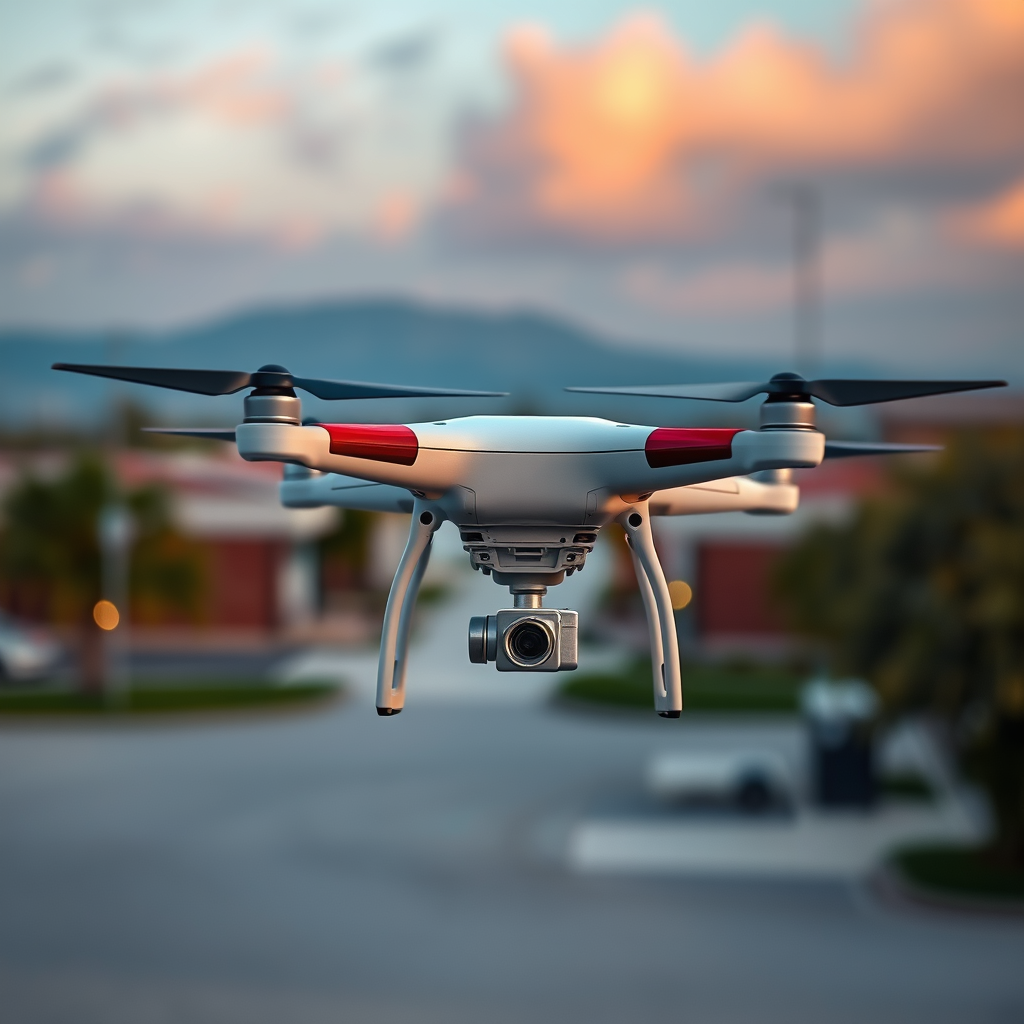
The Federal Aviation Administration (FAA) plays a pivotal role in regulating airspace in the United States, ensuring the safe and efficient operation of aircraft, including drones. According to FAA regulations, property owners do not own the airspace above their land in the same way they own the ground beneath it. The FAA maintains control over airspace, typically extending from the ground up to 400 feet, which is the operational ceiling for most drones.
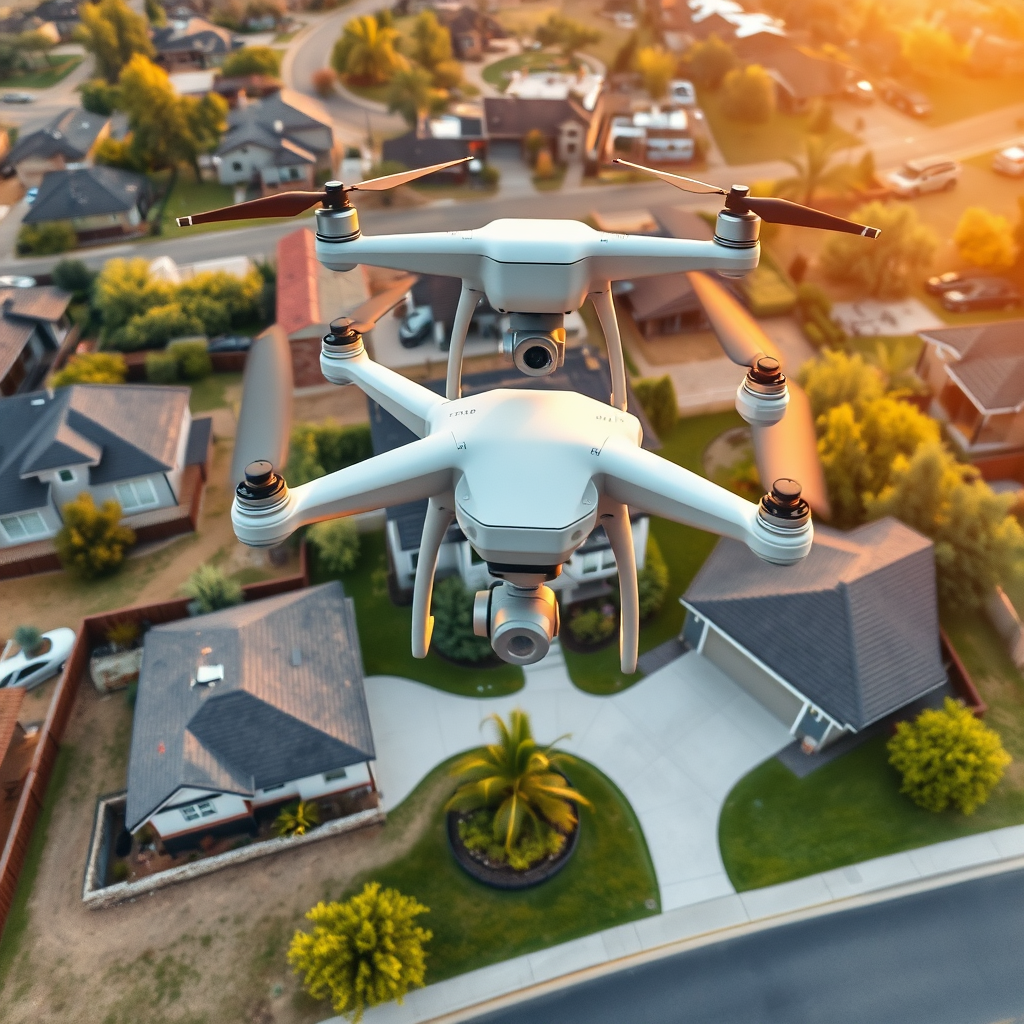
This regulatory framework means that even if a drone is hovering directly above your property, the owner of that drone is not infringing on your property rights in a legal sense. Drones are considered aircraft, and as such, the FAA’s jurisdiction supersedes individual property rights. Therefore, shooting down a drone could constitute an infringement of federal aviation laws, leading to serious legal consequences.
Legal Implications of Shooting Down a Drone
Taking the drastic step of shooting down a drone can lead to significant legal implications. First and foremost, individuals may face criminal charges, including reckless endangerment. This is especially pertinent if the action could result in harm to people or property. For instance, if a bullet from a firearm strikes a nearby home or injures a bystander, the shooter may not only face criminal charges but could also be held liable in a civil lawsuit.
Moreover, many states have enacted laws specifically addressing drone use and the unlawful destruction of drones. For example, in California, there are specific legal protections for drone operators, making it illegal to damage or destroy a drone intentionally. Violating such laws can result in hefty fines and other penalties. Given the increasing prevalence of drones and their uses, including commercial applications, the legal landscape surrounding drone operations is continually evolving.
Alternatives to Shooting Down Drones
Instead of resorting to potentially illegal measures, property owners have several alternatives to address concerns about drones. One effective approach is to report the drone to local law enforcement or the FAA. Most jurisdictions have specific procedures for reporting unauthorized drone flights, especially if they are perceived as invasive or dangerous.
Additionally, technology offers non-destructive methods to mitigate drone activity. Devices such as drone jammers can disrupt the communication between the drone and its operator, causing the drone to land safely. However, it is crucial to note that the legality of using drone jammers varies by location, and in many places, using such devices can also lead to legal consequences. Therefore, thorough research into local laws is essential before considering this option.
Privacy Concerns with Drones
The rise of drones has sparked considerable concern about privacy, particularly among property owners. Drones equipped with high-definition cameras can easily intrude on personal space, capturing images and videos without consent. This has led to a growing unease about surveillance and the potential for misuse of captured data.
Understanding your rights regarding privacy and drone surveillance is fundamental in this context. In many states, there are laws that protect individuals from unwanted surveillance, and property owners may have legal recourse if they can demonstrate that a drone is invading their privacy. For example, if a drone is consistently hovering over your backyard, this could be considered a violation of privacy rights, depending on state laws. It is advisable to familiarize yourself with these laws and consider discussing your concerns with legal professionals who specialize in privacy law.
State-Specific Regulations
The legality of shooting down a drone and the rights of property owners vary significantly from state to state. Some jurisdictions have enacted specific statutes that address drone use, property rights, and the potential for damage to drones. For instance, states like Texas and North Carolina have implemented laws that explicitly protect drone operators from having their aircraft shot down, while also providing guidelines on how drones can legally operate over private property.
Before taking any action against a drone, it is crucial to research local laws and regulations to understand your rights and restrictions. Engaging with local drone advocacy groups or legal experts can provide valuable insight into the specific statutes applicable in your area. Being informed about your state’s drone laws can help you navigate potential conflicts while protecting your rights.
When to Consult Legal Help
If you believe your privacy is being violated by a drone, consulting with a legal professional is advisable. An attorney with expertise in aviation law or privacy rights can offer guidance tailored to your specific situation. They can help you understand your rights and the appropriate steps to take if a drone is infringing on your privacy.
Additionally, legal professionals can assist in drafting cease and desist letters to drone operators or exploring other legal remedies. If the situation escalates, having legal representation can provide you with the necessary support in court, should it come to that.
In conclusion, while the impulse to shoot down a drone over your property may arise from a desire to protect your privacy, the legal ramifications can be severe. Understanding airspace laws, the potential legal implications of damaging a drone, and exploring alternatives are crucial steps before taking any action. If privacy concerns persist, seeking legal advice can empower you to navigate the complexities of drone regulations effectively. Always prioritize informed and lawful responses to ensure your rights are protected.
Frequently Asked Questions
Can I legally shoot down a drone that is flying over my property?
Legally, you cannot shoot down a drone over your property in most cases. The Federal Aviation Administration (FAA) considers drones to be aircraft, and shooting them down can lead to severe legal consequences, including criminal charges. It’s advisable to report any invasive drone activity to local authorities or the FAA instead of taking matters into your own hands.
What are my rights regarding drones flying over my property?
As a property owner, you have certain rights, but they can be complex when it comes to drones. Generally, you have the right to privacy and can take action if a drone is invading that privacy, but this doesn’t extend to shooting it down. Instead, you may have the option to request that the operator land the drone or to file a complaint if the drone is being used for illegal purposes.
How can I protect my property from unwanted drone surveillance?
To protect your property from unwanted drone surveillance, consider using physical barriers like trees or fences that may obstruct a drone’s view. Additionally, you can invest in drone detection technology that alerts you of drone activity in your vicinity. Engaging with local law enforcement or discussing drone regulations with neighbors can also help establish community standards regarding drone usage.
Why are drones allowed to fly over private property?
Drones are allowed to fly over private property because they are considered part of the national airspace system. The FAA regulates airspace use to ensure safety and compliance for all aircraft, including drones. While property owners may feel their privacy is compromised, the law provides a balance between airspace rights and property rights, allowing drones to operate within certain altitude limits.
What should I do if I feel threatened by a drone over my property?
If you feel threatened by a drone flying over your property, the first step is to document the incident by taking photos or videos of the drone and its activities. Next, try to identify the operator, if possible, and communicate with them directly to express your concerns. If the drone poses a legitimate threat or is being operated illegally, contact local law enforcement or the FAA to report the situation.
References
- https://en.wikipedia.org/wiki/Drone#Legal_aspects
- https://www.faa.gov/uas/getting_started/laws_regulations/
- https://www.nytimes.com/2020/06/24/us/drone-property-rights.html
- https://www.theguardian.com/us-news/2019/jul/26/drone-property-rights-legal-issues
- https://www.aclu.org/news/privacy-technology/what-you-need-to-know-about-drones-and-privacy
- https://www.nolo.com/legal-encyclopedia/can-i-shoot-drone-my-property-29596.html
- https://www.abcnews.go.com/US/shoot-drone-property-legal/story?id=64649206
