

Yes, you can shoot down drones under certain circumstances, but it is complicated by legal regulations and potential consequences. The legality of such an action is not only influenced by federal and state laws but also by the context in which the drone is perceived as a threat. Understanding the intricate balance between property rights, airspace regulations, and the practical implications of engaging with drones is crucial for anyone considering this course of action.
Legal Framework Governing Drones
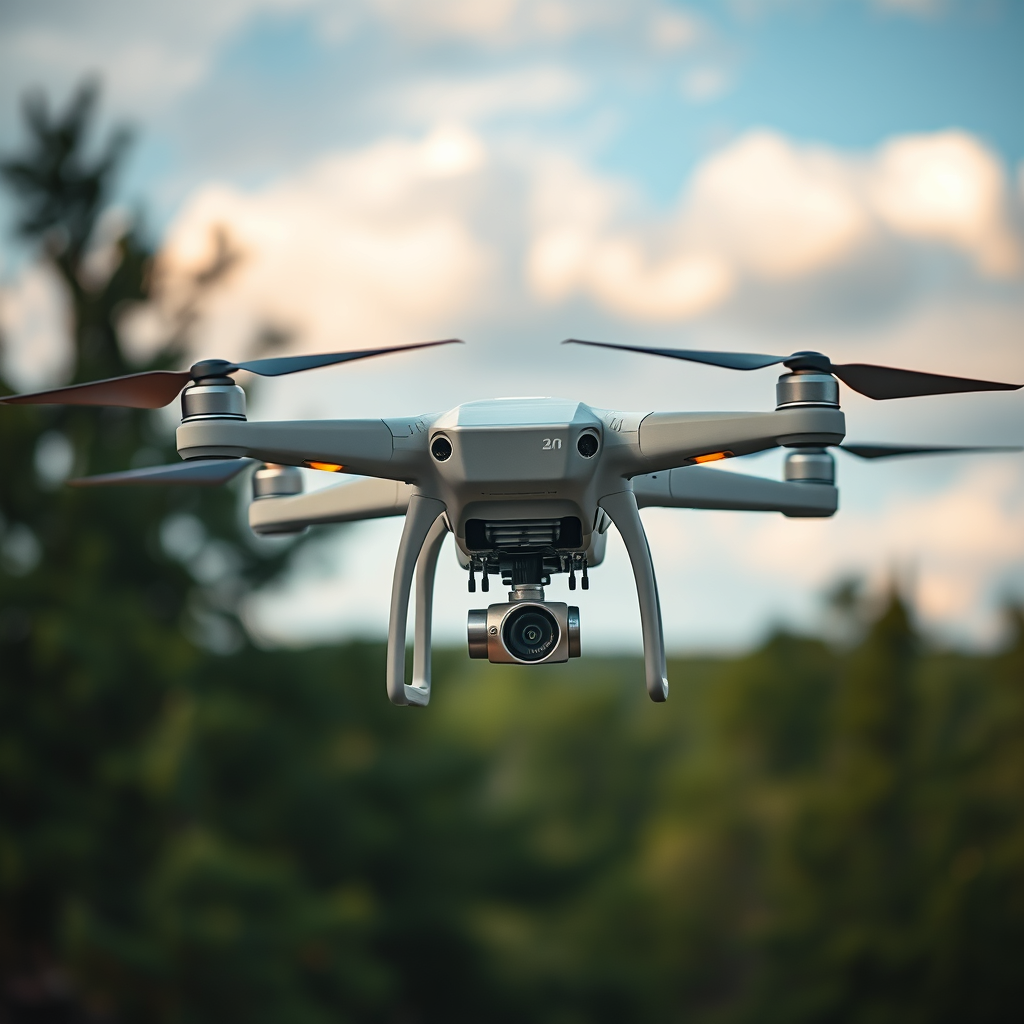
The legal landscape surrounding drones is predominantly governed by federal regulations, particularly those set forth by the Federal Aviation Administration (FAA). The FAA regulates all aspects of civil aviation, including airspace usage and safety protocols. Under FAA regulations, shooting down a drone can be classified as unlawful interference with aircraft operations. Federal laws prohibit the destruction of any aircraft, which includes drones, regardless of their size or function.
In addition to federal regulations, state and local laws may further complicate the issue. Some states have enacted specific statutes that address the shooting down of drones. For example, laws may exist that allow property owners to protect their airspace from intrusive drones, but these must be carefully balanced against federal laws. In many cases, state laws may impose stricter penalties for shooting down drones than federal laws, making it essential to be aware of the legal context in your jurisdiction.
Self-Defense vs. Property Protection
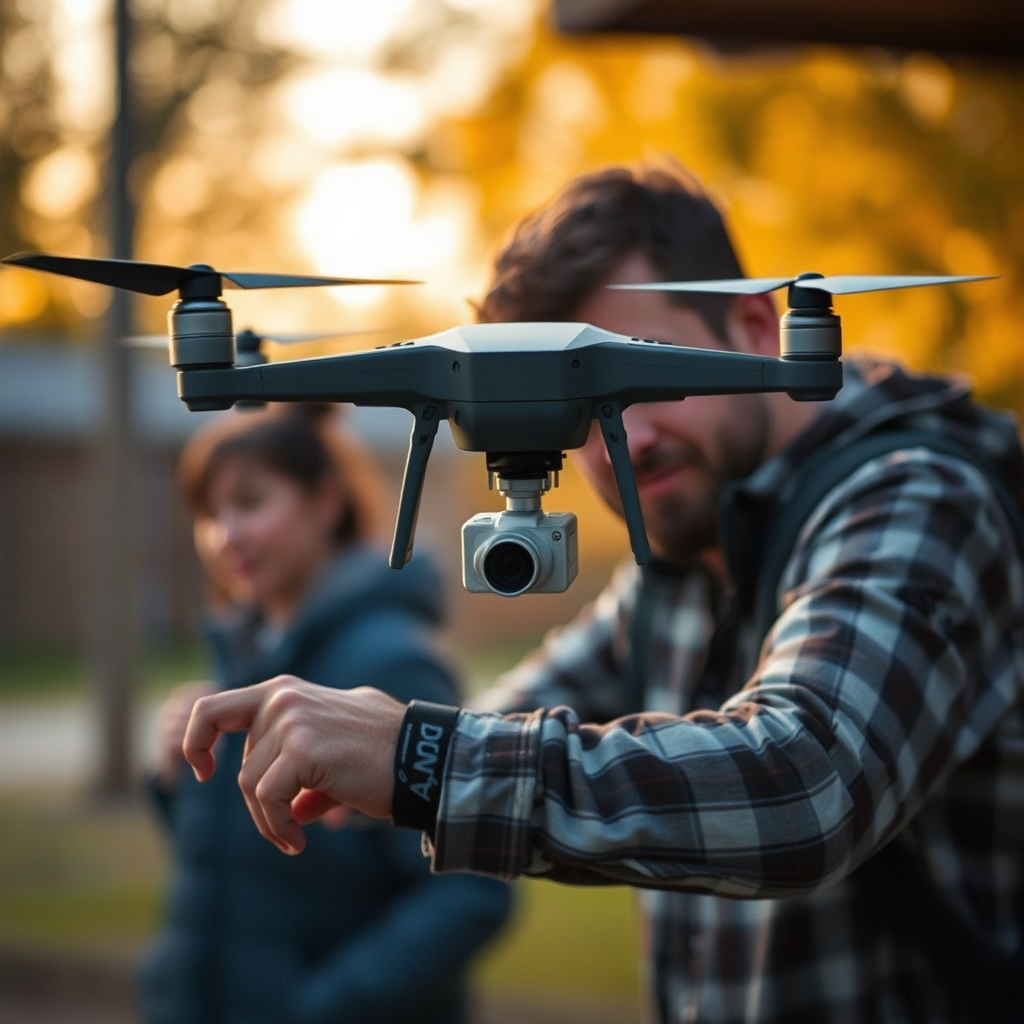
When considering whether to shoot down a drone, it’s vital to differentiate between self-defense and the protection of property. Self-defense laws generally allow individuals to use reasonable force to protect themselves from imminent harm. If a drone is perceived as a direct threat—such as spying or causing physical harm—some might argue that shooting it down falls under self-defense. However, the interpretation of what constitutes an imminent threat can vary widely, and the burden of proof often lies with the individual who takes action.
On the other hand, protecting property rights can be a more convoluted issue. While property owners have rights to their land and airspace, the question remains as to how far those rights extend. If a drone is hovering over private property but not posing an immediate threat, shooting it down may not be legally justified. Legal implications can vary significantly based on the circumstances, and consulting with a legal expert is advisable to navigate these complex waters.
Potential Consequences of Shooting Down Drones
The ramifications of shooting down a drone can be severe, encompassing both criminal charges and civil liabilities. Individuals who shoot down a drone may face criminal charges ranging from misdemeanors to felonies, depending on the circumstances and local laws. For instance, federal charges could include destruction of property or unlawful interference with an aircraft, which could result in hefty fines and even imprisonment.
Moreover, civil liability is another significant concern. The drone operator may pursue damages for the destruction of their property, leading to potential financial repercussions for the individual who shot down the drone. Insurance considerations also come into play; many homeowners’ insurance policies may not cover intentional acts, like shooting down a drone, leaving individuals financially responsible for their actions.
Alternatives to Shooting Down Drones
Rather than resorting to shooting down a drone, there are more prudent alternatives available. Reporting the drone to local authorities or the FAA can be a more effective way of dealing with unwanted aerial surveillance or activity. Law enforcement agencies have the resources and legal authority to address drones that violate regulations or pose a threat to public safety.
Technological solutions also exist for mitigating drone-related concerns. Devices such as drone jammers and nets can disrupt a drone’s operation or physically capture it without the need for firearms. These technologies are often employed in situations requiring drone mitigation, such as at airports or large public events, but their use may also be regulated by law. Understanding the legalities surrounding these devices is essential before considering their application.
Case Studies and Real-World Examples
There have been notable incidents where individuals have shot down drones, leading to significant legal outcomes. One high-profile case involved a farmer in Kentucky who shot down a drone allegedly spying on his property. While he claimed self-defense, law enforcement charged him with felony criminal mischief. The case drew attention to the legal gray areas surrounding drone use and personal rights, ultimately resulting in a plea deal that underscored the risks of taking direct action.
Another case involved a couple in New Jersey who shot down a drone that was reportedly flying over their property. They faced both criminal charges and civil lawsuits from the drone’s operator, illustrating the potential consequences of such actions. These incidents serve as cautionary tales about the complexities and risks associated with shooting down drones.
Public Opinion and Ethical Considerations
Public sentiment regarding the shooting down of drones varies widely. Some individuals advocate for personal rights and privacy, arguing that property owners should have the right to protect their space from intrusive surveillance. Conversely, others express concern about the potential for misuse of firearms and the escalation of violence in response to perceived threats.
Ethically, the question of whether it is justified to shoot down a drone often hinges on the context. If a drone is invading personal privacy or posing a legitimate threat, some may argue that taking action is a reasonable response. However, the potential consequences of such actions—both legally and morally—must be carefully weighed against the benefits of non-lethal alternatives.
Future of Drone Regulations
As drone technology continues to evolve and proliferate, so too will the regulations governing their use. Experts predict that future drone laws will increasingly emphasize safety, privacy, and airspace management. This could include stricter regulations on drone operators, as well as clearer guidelines for individuals regarding their rights to engage with drones.
Technological advancements are also likely to shape future regulations. The development of more sophisticated drone detection and mitigation systems may reduce the need for individuals to take matters into their own hands. As the legal landscape adapts to the realities of drone technology, ongoing dialogue among stakeholders—government agencies, drone operators, and the public—will be crucial in creating balanced regulations that protect rights and ensure safety.
In conclusion, while shooting down a drone may seem like a straightforward solution, it is fraught with legal and practical challenges. The intricate web of federal and state laws, coupled with the potential consequences of such actions, makes it essential to understand the implications before proceeding. Exploring alternatives to direct action can often provide a better path forward. For anyone facing issues with drones, consulting a legal expert can provide clarity and guidance to navigate the complexities of drone-related laws and regulations.
Frequently Asked Questions
What are the legal implications of shooting down a drone?
The legal implications of shooting down a drone vary significantly by jurisdiction, but generally, it is illegal to shoot down a drone without proper authorization. In the United States, for example, the Federal Aviation Administration (FAA) prohibits the destruction of aircraft, including drones, unless they pose an immediate threat to life or property. Engaging in this behavior can result in criminal charges, civil penalties, or both, so it’s essential to understand local laws before considering any action against a drone.
How can I legally stop a drone from invading my privacy?
To legally stop a drone from invading your privacy, consider using non-destructive methods such as contacting local law enforcement or the drone’s operator if known. Many states have laws against invasive drone surveillance, and reporting incidents can help authorities take appropriate action. Additionally, you can also install privacy screens or barriers in your yard to obstruct the drone’s view, which is a proactive way to enhance your privacy without resorting to illegal actions.
Why are drones difficult to shoot down?
Drones are difficult to shoot down primarily due to their small size, high maneuverability, and altitude capabilities. They are often equipped with GPS technology and can fly at various altitudes, making them hard targets for firearms or projectile weapons. Moreover, shooting down a drone raises safety concerns, as stray bullets can cause harm to people or property nearby, making it a dangerous and impractical solution.
What are the best non-lethal ways to disable a drone?
The best non-lethal ways to disable a drone include using signal jammers, net guns, or laser systems designed for this purpose. Signal jammers disrupt the drone’s communication with its operator, while net guns can physically capture the drone without causing damage. However, you must be aware of the legality of these methods in your area, as jamming devices are illegal in many jurisdictions, and using a net gun may require special permits.
Which authorities should I contact if a drone is bothering me?
If a drone is bothering you, the first step is to contact local law enforcement to report the incident, especially if the drone is invading your privacy or posing a safety risk. You can also report the situation to the FAA if it involves reckless operation or flight violations. In some cases, local ordinances or neighborhood watch programs may provide additional support, so it’s advisable to reach out to these resources as well.
References
- https://en.wikipedia.org/wiki/Unmanned_aerial_vehicle#Countermeasures
- https://www.faa.gov/uas/resources/policy_library/
- https://www.bbc.com/news/world-us-canada-48247271
- https://www.reuters.com/article/us-usa-drone-law-idUSKBN1WQ1A4
- https://www.nytimes.com/2021/07/01/us/drone-regulations.html
- https://www.theguardian.com/us-news/2020/jan/30/drones-are-they-legal-what-you-need-to-know
- https://www.ncbi.nlm.nih.gov/pmc/articles/PMC7232668/
- https://www.techrepublic.com/article/can-you-shoot-down-a-drone-what-the-law-says/
- https://www.nas.gov/pressrelease/2023-07-12-drones-in-urban-areas-legal-considerations/
- https://www.nap.edu/catalog/26843/aircraft-drones-and-the-law-legal-and-policy-issues-in-the-age-of-drones
