
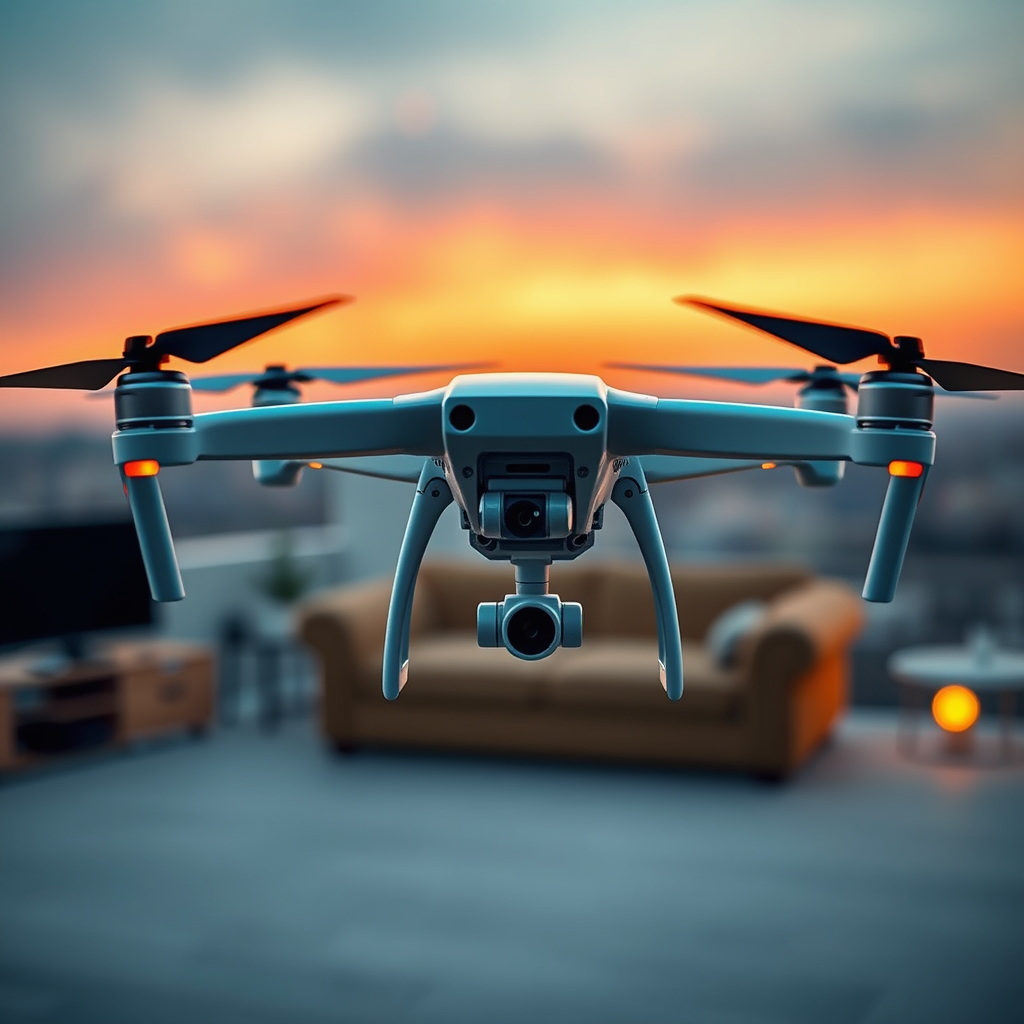
In short, while it is technically possible to shoot down drones, doing so is fraught with legal and safety implications that could lead to serious consequences. Engaging in such drastic measures can expose individuals to significant legal liabilities and safety risks. As drone technology proliferates, understanding the complexities surrounding their use is essential for anyone considering such actions.
Legal Considerations
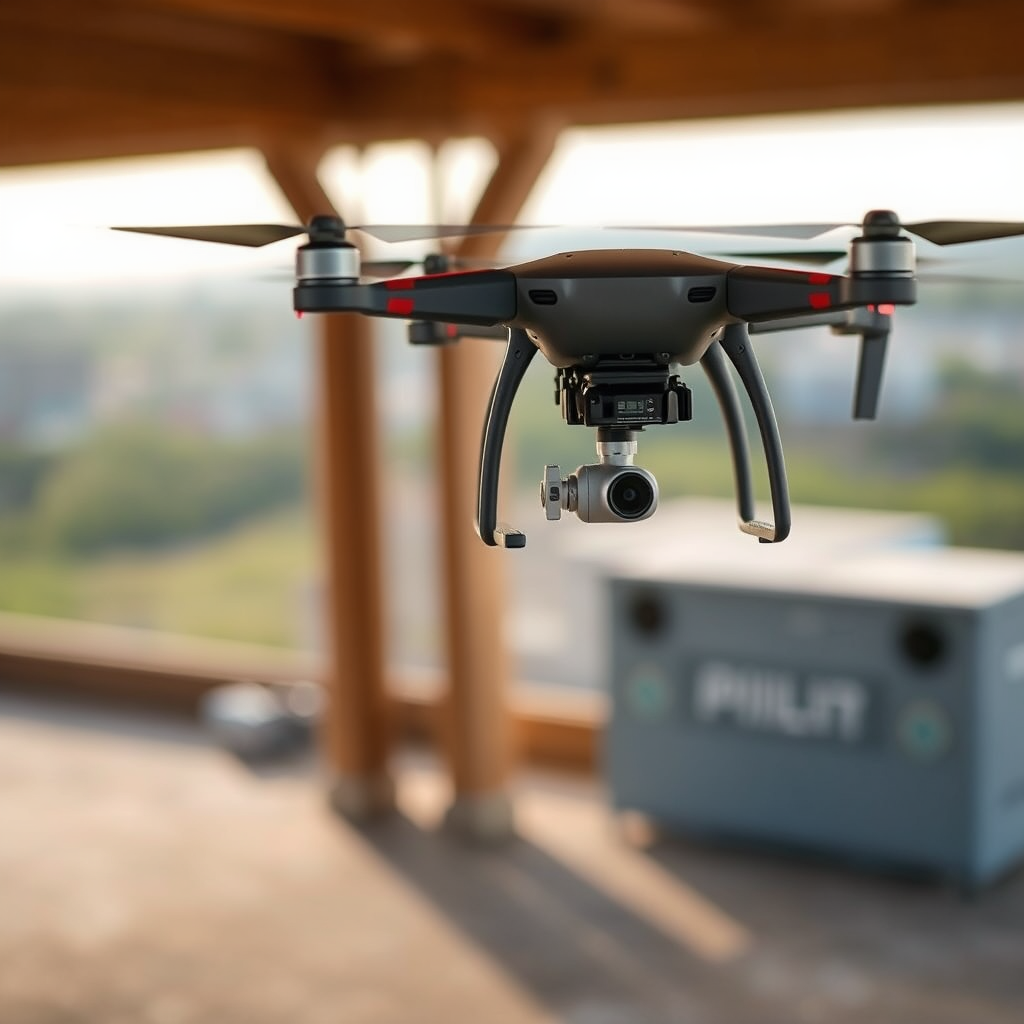
Shooting down a drone is not merely a matter of personal discretion; it is heavily regulated under federal laws, particularly those enforced by the Federal Aviation Administration (FAA). Under the FAA’s regulations, drones are classified as aircraft, and targeting them with firearms or other means can constitute a violation of airspace laws. Federal law prohibits the destruction of aircraft, and individuals who engage in such actions may face severe penalties, including criminal charges.
Moreover, property rights come into play when drones fly over private land. Landowners may feel a sense of invasion when a drone hovers above their property, but legal interpretations of airspace vary. According to the “common law” doctrine of “navigable airspace,” property owners do not have rights to the airspace above their land beyond a certain altitude. Thus, while one might feel justified in shooting down a drone that invades their privacy, doing so could lead to civil lawsuits for damages or other legal consequences.
Safety Risks
The act of discharging a firearm is inherently dangerous, especially in populated areas. Shooting down a drone can create an unpredictable scenario where stray bullets may hit unintended targets, endangering the lives of bystanders or causing property damage. In urban settings, the risk escalates; a bullet fired at a drone could ricochet or miss its mark entirely, resulting in unintended casualties.
Additionally, when a drone is shot down, it may fall to the ground in an uncontrolled manner. Falling debris can pose serious risks to people below, as drones can weigh several pounds and contain batteries or other hazardous materials. For instance, the risk of injury or damage increases substantially if the drone is near a crowded area, such as a park or public event. Thus, the safety risks associated with shooting down a drone far outweigh potential benefits.
Drone Identification
Understanding the type of drone in question is crucial before considering any actions against it. Drones can vary widely in purpose; some are commercial devices used for photography or delivery, while others may be military drones or personal recreational models. Each type of drone may have different legal protections and operational guidelines.
Moreover, identifying the operator of the drone can inform your decision-making process. If the drone is operated by a licensed commercial pilot, the operator is likely adhering to legal regulations. Conversely, if the drone is being flown recklessly or in violation of local laws, there may be justifiable grounds for reporting it to authorities rather than taking matters into your own hands. Understanding the context and intent behind the drone’s operation will help you determine the most appropriate course of action.
Alternatives to Shooting Down Drones
Rather than resorting to shooting down a drone, several alternatives exist that are often more effective and legally sound. One such method includes the use of anti-drone technology, such as signal jammers or net guns, to safely disable drones without causing harm to people or property. However, it is essential to note that the legality of using such technologies varies by jurisdiction. In many areas, the use of signal jammers is prohibited under federal law, so it is crucial to consult local regulations beforehand.
Another practical alternative is to report the drone to local law enforcement or aviation authorities. Most police departments and FAA offices have dedicated channels for handling drone-related complaints. This approach not only minimizes personal risk but also ensures that any necessary investigations are conducted by professionals equipped to handle such situations. Documentation, such as video evidence or photographs of the drone’s activities, can also aid law enforcement in addressing the issue effectively.
The Role of Law Enforcement
Law enforcement agencies are better prepared to manage drone-related incidents and can take appropriate actions based on the specifics of the situation. When considering whether to involve the police, it is important to assess the drone’s behavior and its impact on your safety and privacy. If the drone poses a direct threat or is engaged in illegal activity, such as stalking or trespassing, it may be prudent to contact law enforcement for assistance.
Moreover, law enforcement can provide guidance on local laws and regulations regarding drone usage, helping you understand your rights and options. By involving authorities, you can avoid potential legal repercussions that may arise from taking unilateral action against the drone.
Public Perception and Consequences
Public perception plays a significant role in how drone incidents are viewed within a community. Shooting down a drone can lead to backlash from neighbors or community members who may not share your concerns or who believe that such actions are excessive. Additionally, public sentiment may sway towards advocating for responsible drone usage and regulatory changes rather than punitive measures.
Legal repercussions following the act of shooting down a drone can also be severe. Depending on the circumstances, individuals may face fines, lawsuits, or even criminal charges. Understanding the potential consequences of such actions is essential for anyone contemplating taking matters into their own hands.
Future of Drone Regulation
As drone technology continues to evolve, so does the regulatory landscape surrounding its use. Ongoing discussions among lawmakers, industry stakeholders, and the public will shape how individuals can interact with drones in the future. Staying informed about changes in drone legislation is crucial, as regulations may shift toward more stringent controls or, conversely, more lenient personal rights concerning drone interactions.
Engaging in community discussions about drone usage and advocating for reasonable regulations can contribute to a more informed public dialogue. Such efforts can help ensure that the rights of individuals are balanced with the growing presence of drone technology in everyday life.
In conclusion, while shooting down drones is technically possible, it is essential to consider the legal, safety, and ethical implications of such an action. The potential for severe legal consequences, public safety risks, and community backlash highlights the importance of exploring safer alternatives. By understanding the legal framework and engaging with law enforcement or drone operators, individuals can navigate this complex landscape more effectively. Always consult local regulations and prioritize safety before taking any steps against drones in your vicinity.
Frequently Asked Questions
Can I legally shoot down a drone flying over my property?
The legality of shooting down a drone that trespasses over your property varies significantly by location and is often governed by local laws and federal regulations. In the United States, the Federal Aviation Administration (FAA) prohibits the destruction of drones, categorizing them as aircraft under federal law. Instead of resorting to shooting down a drone, you may want to report it to local law enforcement or the FAA if you feel it is invading your privacy or posing a danger.
What should I do if I feel a drone is spying on me?
If you suspect a drone is invading your privacy, the first step is to document the incident, noting the date, time, and any identifying features of the drone. You can then contact local law enforcement or the FAA to report your concerns, as they can investigate potential violations of privacy laws or regulations. Additionally, consider implementing privacy measures like outdoor curtains or planting tall shrubs to obstruct the drone’s view.
How can I safely disable a drone without shooting it down?
Safely disabling a drone without resorting to violence can be done using drone jammers or signal disruptors, which interfere with the drone’s communication signals. However, it’s important to note that these devices are illegal in many areas, including the U.S., due to potential interference with other critical communications. Alternatively, if a drone is a nuisance, you can contact local authorities to handle the situation legally and safely.
Why is it illegal to shoot down drones in most places?
Shooting down drones is illegal primarily because drones are classified as aircraft by the FAA, and downing an aircraft poses serious risks, including potential harm to people on the ground and other aircraft. Furthermore, using a firearm to address a perceived threat can lead to significant legal consequences, including criminal charges. It is always advisable to handle drone-related issues through legal channels rather than resorting to extreme measures.
Which laws govern drone use and personal privacy?
Drone use and personal privacy are governed by a combination of federal, state, and local laws, including FAA regulations that oversee airspace usage. Many states have enacted their own laws addressing drone surveillance and privacy concerns, often making it illegal to use drones for invasive purposes, such as spying on neighbors. To understand the specific regulations in your area, it’s important to review both FAA guidelines and local statutes, as they can vary widely.
References
- https://en.wikipedia.org/wiki/Drone_warfare
- https://www.bbc.com/news/technology-49433439
- https://www.theguardian.com/us-news/2019/jun/20/drones-attack-us-military-legal-issues
- https://www.nytimes.com/2020/02/16/us/drone-attacks.html
- https://www.faa.gov/uas/resources/policy_library/
- https://www.c-span.org/video/?c4879409/user-1016-issues-relating-drone-regulation
- https://www.rand.org/pubs/research_reports/RR443-1.html
- https://www.usatoday.com/story/news/nation/2020/05/24/drone-privacy-concerns-what-you-need-know/5251613002/
