
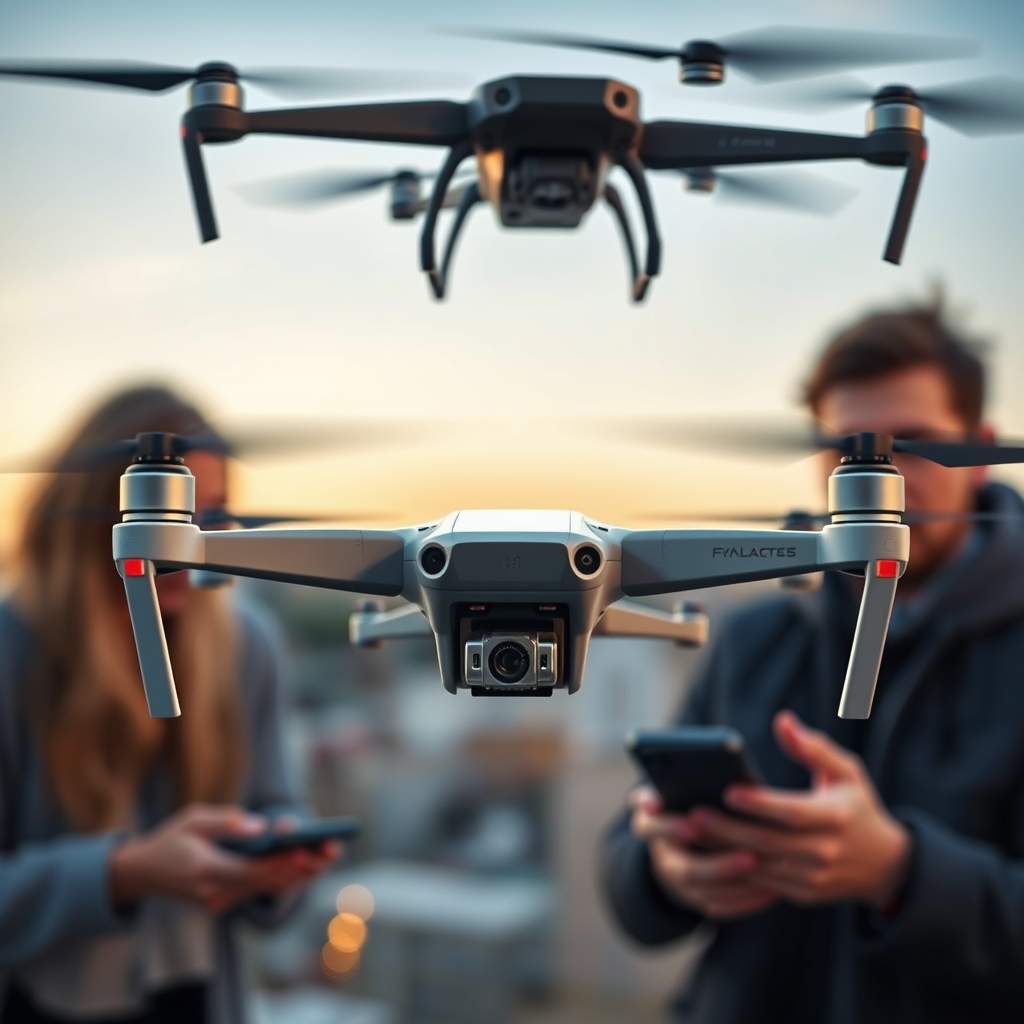
Shooting down drones is generally illegal for private citizens, as it poses significant legal risks and safety concerns. The complexities of drone regulations, coupled with federal and state laws, make it imperative for individuals to understand the potential ramifications of taking such actions. This article delves into the legal framework surrounding drones, the exceptions to the rules, and practical alternatives for addressing unwanted aerial surveillance or intrusions.
Legal Implications of Shooting Down Drones

Shooting down a drone can lead to serious legal consequences, including criminal charges for destruction of property. The Federal Aviation Administration (FAA) regulates the airspace over the United States, classifying drones as aircraft. This classification means that all the laws applicable to manned aircraft also extend to unmanned aerial vehicles (UAVs). Engaging in the act of shooting down a drone could result in charges ranging from vandalism to federal offenses, depending on the circumstances and the specific laws of the state in question.
For instance, in 2018, a North Carolina man was charged after he shot down a drone that he believed was spying on him. While his actions were rooted in a desire to protect his privacy, the incident highlighted the complexities of drone regulations and the legal repercussions of taking matters into one’s own hands. Furthermore, the FAA imposes strict regulations that govern where drones can be operated, and engaging in any form of interference with a drone can lead to severe penalties.
Self-Defense and Privacy Concerns
Some states have enacted laws that allow property owners to take action against drones that invade their privacy or pose a direct threat. However, understanding the legal boundaries between self-defense and unlawful destruction is crucial. For example, laws in states like Texas and California have provisions that may permit shooting down a drone if it is perceived as violating an individual’s right to privacy or if it poses an imminent threat to personal safety.
Yet, discerning what constitutes a legitimate threat can be subjective and complicated. The mere presence of a drone does not automatically justify shooting it down; individuals must demonstrate immediate danger or a clear violation of privacy rights. Legal experts often advise contacting law enforcement or using legal avenues to address grievances regarding drone activity rather than resorting to extreme measures.
Law Enforcement and Military Exceptions
Law enforcement agencies and military personnel may have the authority to disable or shoot down drones under specific circumstances. For instance, law enforcement may act if a drone is being used for criminal activities, such as drug trafficking or surveillance without consent. In some situations, police may utilize specialized technology to disable drones, such as jamming devices or nets, which are designed to safely bring the drone down without causing collateral damage.
Similarly, military operations may involve the engagement of drones considered threats to national security. Instances where military drones have been shot down typically relate to identifying and neutralizing potential threats from hostile drones, particularly in combat zones. These exceptions underscore a significant distinction; authorized personnel operate under a framework of regulations and oversight that do not apply to private citizens.
Alternatives to Shooting Down Drones
Instead of resorting to shooting down drones, individuals are encouraged to explore safer and more lawful alternatives. Reporting the drone to local authorities is a prudent first step, as law enforcement can investigate the situation and take appropriate action. Many local police departments have established protocols for dealing with drone-related complaints, which can include identifying the operator and addressing any violations of privacy or safety.
Additionally, employing drone detection technology can help monitor unwanted drone activity without resorting to aggressive measures. Various companies offer solutions that allow individuals to track drone movements and alert authorities if necessary. By understanding the local laws and having the right tools at one’s disposal, it is possible to address drone concerns effectively and lawfully.
Drones in Restricted Airspace
It is essential to recognize that flying drones in restricted airspace is illegal, and individuals should report any violations. Restricted airspace typically includes areas around airports, military bases, and other sensitive locations. Drones operating in these zones pose significant risks to manned aircraft and public safety. The FAA has established clear regulations prohibiting drone flights in these areas, and violations can lead to serious consequences for the operators.
For example, a drone flying near an airport could interfere with landing and takeoff procedures, potentially resulting in dangerous situations. If you observe a drone breaching restricted airspace, it is imperative to report it to the appropriate authorities immediately. This proactive approach not only ensures compliance with federal regulations but also promotes overall air safety.
Future of Drone Regulation
The landscape of drone regulation is continually evolving, and these changes may impact how individuals can respond to unwanted drone activity. As drone technology advances, so too do the legal frameworks surrounding its use. Recent discussions regarding tighter regulations on drone operations, including mandatory registration and identification for drone pilots, suggest that individuals may have clearer pathways for addressing grievances in the future.
Staying informed about local laws and potential changes to drone operation regulations is crucial for anyone concerned about drone privacy or safety issues. Engaging with community forums, attending local government meetings, and following developments from the FAA can help individuals navigate this complex regulatory environment and advocate for their rights effectively.
In summary, while the temptation to shoot down drones may arise in specific situations, such actions come with legal complexities and significant risks. Understanding the legal implications, recognizing exceptions, and considering alternative responses can provide individuals with safer, more effective means of addressing unwanted drone activity. By staying informed and utilizing appropriate legal channels, individuals can protect their rights and safety without resorting to harmful measures.
Frequently Asked Questions
Can I legally shoot down a drone that is invading my privacy?
Legally, shooting down a drone is typically not permissible, as it can lead to criminal charges such as destruction of property or the use of a firearm inappropriately. Most laws classify drones as aircraft, and federal regulations prohibit the downing of any aircraft without proper authorization. Instead of resorting to drastic measures, it’s advisable to report the drone to local law enforcement or contact the FAA for guidance on privacy violations.
What are the consequences of shooting a drone down?
The consequences of shooting down a drone can be severe, including criminal charges, hefty fines, and potential lawsuits from the drone owner. Federal regulations impose strict penalties for interfering with aircraft, which can lead to civil liability and loss of firearm privileges. It’s essential to understand the legal implications before considering any action against a drone.
How can I safely disable a drone without shooting it down?
To safely disable a drone without resorting to shooting it down, consider using a drone jammer, which can disrupt the communication between the drone and its operator. However, be aware that the use of jammers is illegal in many places, including the United States, without proper licensing. Alternatively, you can contact local authorities or use a net gun, where legal, to capture the drone without harming it or violating laws.
Why are drones difficult to shoot down legally?
Drones are considered aircraft under federal law, which complicates any attempts to shoot them down. The Federal Aviation Administration (FAA) regulates airspace and prohibits actions that could endanger aircraft safety. This legal framework is designed to protect public safety, ensuring that individuals do not take matters into their own hands and endanger others or themselves.
Which methods are most effective for dealing with aggressive or invasive drones?
The most effective methods for dealing with aggressive or invasive drones include contacting local law enforcement or the FAA to report the incident. Additionally, using drone detection technology can help identify the drone’s operator, while discussing your concerns directly with the operator may lead to a resolution. If necessary, employing drone mitigation systems designed for safe removal can be an effective alternative, provided they comply with local laws.
References
- https://en.wikipedia.org/wiki/Unmanned_aerial_vehicle#Legal_status
- https://www.faa.gov/uas/
- https://www.theguardian.com/us-news/2021/mar/22/drone-strikes-shooting-down-legal
- https://www.reuters.com/article/us-usa-drone-shooting-idUSKBN2AK2P5
- https://www.nytimes.com/2019/08/22/us/drone-shooting-legal.html
- https://www.bbc.com/news/world-us-canada-45518164
- https://www.lawfareblog.com/drone-law-and-legal-standards
- https://www.sciencedirect.com/science/article/pii/S2096579617301399
