
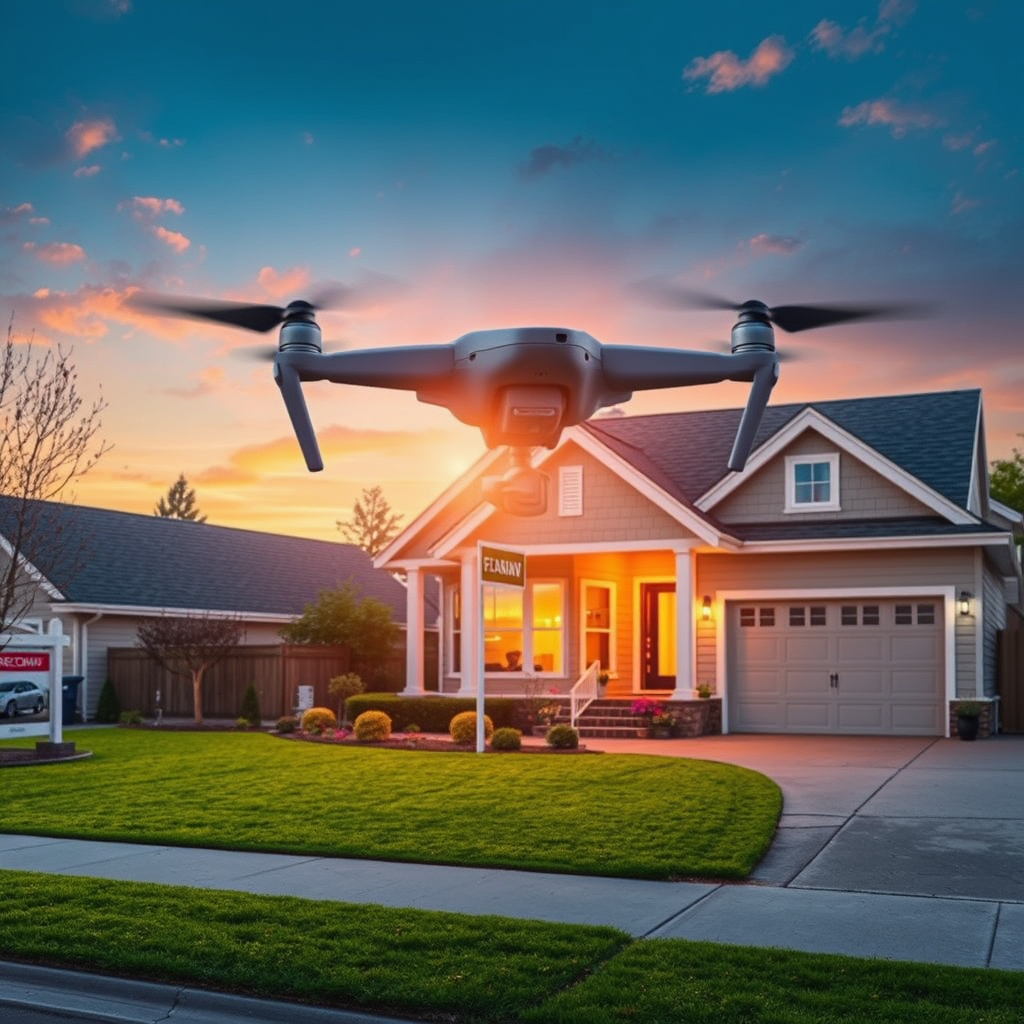
Yes, you can take measures to stop a drone from flying over your property, but the effectiveness of these measures may depend on local laws and regulations. As drones become increasingly prevalent in our skies, understanding your rights and the legal framework governing their usage is essential. This blog post will explore various aspects of drone laws, property rights, reporting unauthorized activity, preventive measures, engagement with drone operators, and potential legal recourse.
Understanding Drone Laws
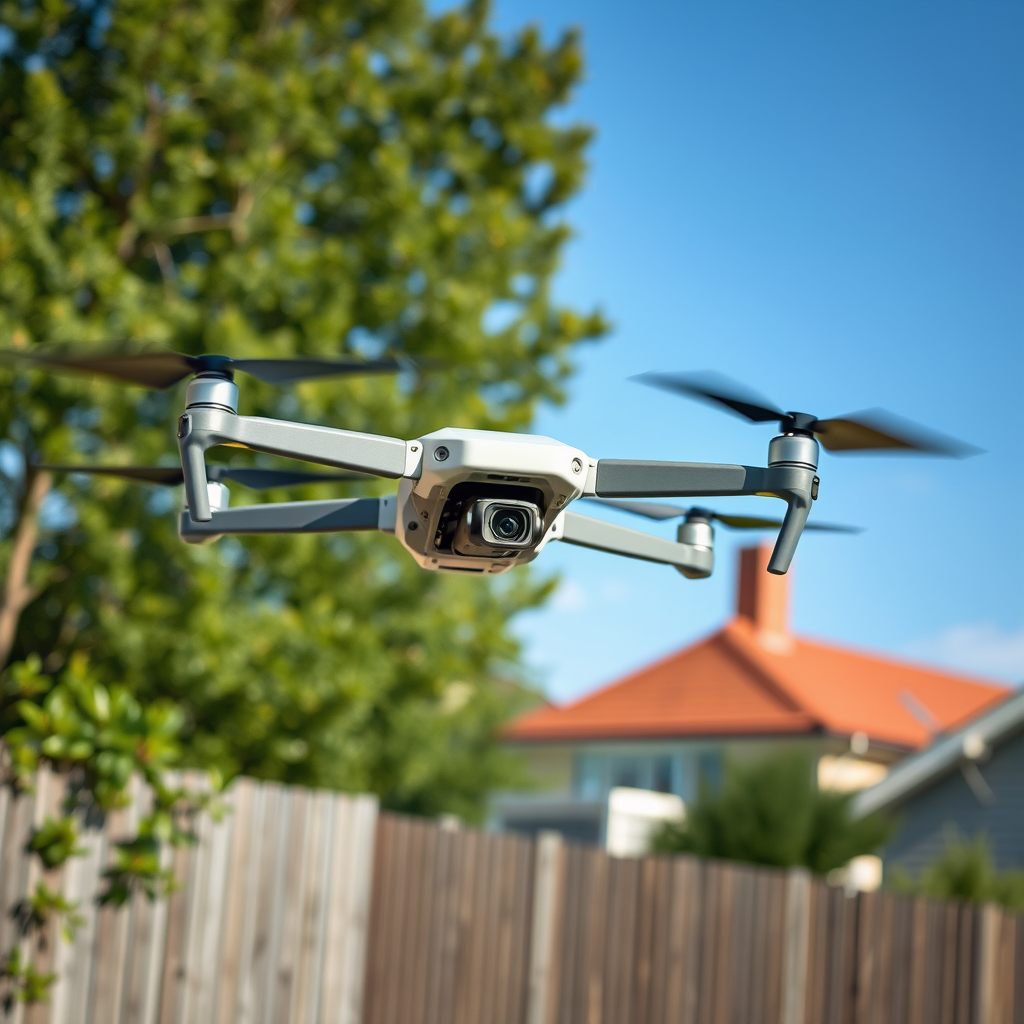
To effectively address drone activity over your property, it is crucial to comprehend the regulations that govern drone operations. In the United States, the Federal Aviation Administration (FAA) oversees drone regulations, which include restrictions on flying drones in certain airspaces and altitude limits. For instance, drones are generally prohibited from flying above 400 feet and must remain within the operator’s line of sight. Additionally, many states have their own laws regarding drone usage—some states have enacted legislation that specifically protects individuals from drone surveillance and privacy invasions.
Local ordinances can also play a significant role in drone regulation. Some municipalities may have specific rules about drone flights, particularly in residential areas, parks, or near schools. Before taking any action, it is prudent to review both federal and state laws, as well as local ordinances, to understand the legal landscape surrounding drone operations in your area.
Property Rights and Airspace
Understanding your property rights is vital in addressing drone-related concerns. Generally, property ownership extends not only to the land itself but also to the airspace above it, although the extent of this ownership can vary. The common legal principle is that property owners have rights to the “immediate” airspace above their land, which is typically understood to be around the height necessary for reasonable use of the property.
However, the concept of vertical boundaries can be somewhat ambiguous, especially when it comes to drone flight paths. Courts have ruled that airspace is a public domain, which means that while you may have rights to the airspace directly above your property, it does not necessarily give you the authority to restrict all drone activity. For instance, if a drone is flying at an altitude that is legally permissible, it may be challenging to claim that it is violating your airspace rights. As such, understanding the nuances of property rights in relation to airspace is essential for effectively addressing drone concerns.
Reporting Unauthorized Drone Activity
If you believe a drone is flying over your property illegally or invading your privacy, knowing how to report the activity is crucial. The first step is to familiarize yourself with the local authorities responsible for handling drone complaints, which may include law enforcement or local aviation authorities. The FAA also provides a platform for reporting unsafe drone operations.
When reporting unauthorized drone activity, gather as much evidence as possible. This may include photographs or videos of the drone, noting the time, date, and circumstances surrounding the incident. Documentation can significantly strengthen your case when reporting the matter to authorities. If the drone operator is identified, you may also consider reaching out to them directly if it is safe to do so, expressing your concerns regarding their flight patterns.
Preventive Measures and Technologies
In addition to reporting unauthorized drone activity, there are several preventive measures and technologies available to help deter drones from flying over your property. One effective option is installing drone detection systems that alert you to the presence of drones in your airspace. These systems can provide real-time notifications, allowing you to take appropriate action if needed.
Physical barriers, such as privacy screens, fencing, or tall trees, can also serve as deterrents to drone surveillance. While these measures may not completely prevent drones from flying overhead, they can minimize the ability of operators to capture images or videos of your property. Additionally, maintaining a well-manicured landscape can help in creating a less appealing target for drone operators.
Engaging with Drone Operators
In some cases, engaging directly with drone operators can be a viable approach to addressing concerns. Many drone enthusiasts fly for recreational purposes and may not be aware of the impact their activities have on nearby properties. If you can identify the operator, consider approaching them in a friendly manner to discuss your concerns.
Understanding their reasons for flying may lead to mutual respect and adjustments in flight patterns. Emphasizing your concerns about privacy and safety can foster a constructive dialogue. In many cases, operators may be willing to accommodate requests, such as flying at a different altitude or avoiding certain areas altogether.
Legal Recourse and Enforcement
If drone harassment persists despite your efforts to engage with operators or report the activity, it may be time to seek legal advice. Consulting with an attorney who specializes in property or aviation law can help you understand your rights and explore potential legal actions. Options may include sending cease-and-desist letters to drone operators, filing complaints with local authorities, or even pursuing litigation if necessary.
Legal actions can be complex, and the success of such measures can vary based on local regulations and the specific circumstances surrounding the issue. An attorney can help you navigate the intricacies of the law and develop a strategy tailored to your situation.
In conclusion, while you can take steps to stop drones from flying over your property, it’s important to be aware of the legal landscape and engage with the appropriate authorities or legal resources. Understanding drone laws, your property rights, and effective reporting mechanisms can empower you to address unwanted drone activity. Moreover, exploring preventive measures and fostering communication with drone operators can enhance your ability to protect your privacy and property rights effectively. Staying informed and proactive is essential in navigating the evolving world of drone usage.
Frequently Asked Questions
What legal rights do I have if a drone is flying over my property?
If a drone is flying over your property, you may have certain legal rights depending on your location. Generally, property owners have the right to the airspace above their land up to a reasonable height, which can vary by jurisdiction. However, federal regulations in many countries, including the U.S., allow drone pilots to fly within the national airspace, which can complicate your rights. It’s advisable to consult local laws and possibly an attorney to understand your specific rights regarding drone privacy and trespassing.
How can I stop a drone from flying over my house?
Stopping a drone from flying over your property can be challenging due to the legal restrictions on airspace. However, you can take several steps: first, try communicating with the drone operator if you can identify them, as they may not be aware of your concerns. Additionally, you can contact local authorities or law enforcement if the drone poses a safety risk or is violating privacy laws. Employing physical deterrents, like nets or drone jammers, may be illegal in some areas, so check local regulations before taking such actions.
Why are drones allowed to fly over private property?
Drones are generally allowed to fly over private property due to federal regulations that govern airspace usage. In many countries, including the United States, the Federal Aviation Administration (FAA) maintains that the airspace is a public resource, allowing drones to operate within it as long as they adhere to safety guidelines and altitude restrictions. This means that while you may have rights to your property, those rights do not extend indefinitely into the airspace above it.
What should I do if a drone is invading my privacy?
If you believe a drone is invading your privacy, the first step is to document the incidents, noting the times and nature of the intrusion. You can then consult local privacy laws, as many jurisdictions have specific regulations regarding surveillance and privacy breaches involving drones. If you feel threatened, you should report the incident to local law enforcement, who can investigate the matter further and help you understand your legal options.
Which laws govern drone usage in residential areas?
Drone usage in residential areas is primarily governed by federal laws, such as those enforced by the FAA, which outlines where and how drones can operate. Additionally, many states and localities have enacted specific laws addressing drone use, particularly relating to privacy, trespassing, and noise ordinances. It’s essential to check both federal and state regulations, as well as local ordinances, to fully understand the rules that apply to drone operation in your area and how they may impact your rights as a property owner.
References
- https://en.wikipedia.org/wiki/Drone_regulation
- https://www.faa.gov/uas/resources/policy_library/
- https://www.nolo.com/legal-encyclopedia/drone-law-property-rights-32781.html
- https://www.privacyrights.org/resources/drones-and-privacy
- https://www.aclu.org/news/privacy-technology/drones-and-privacy
- https://www.wired.com/story/drones-property-rights/
- https://www.reuters.com/article/us-usa-drone-privacy-idUSKBN1W60T4
