
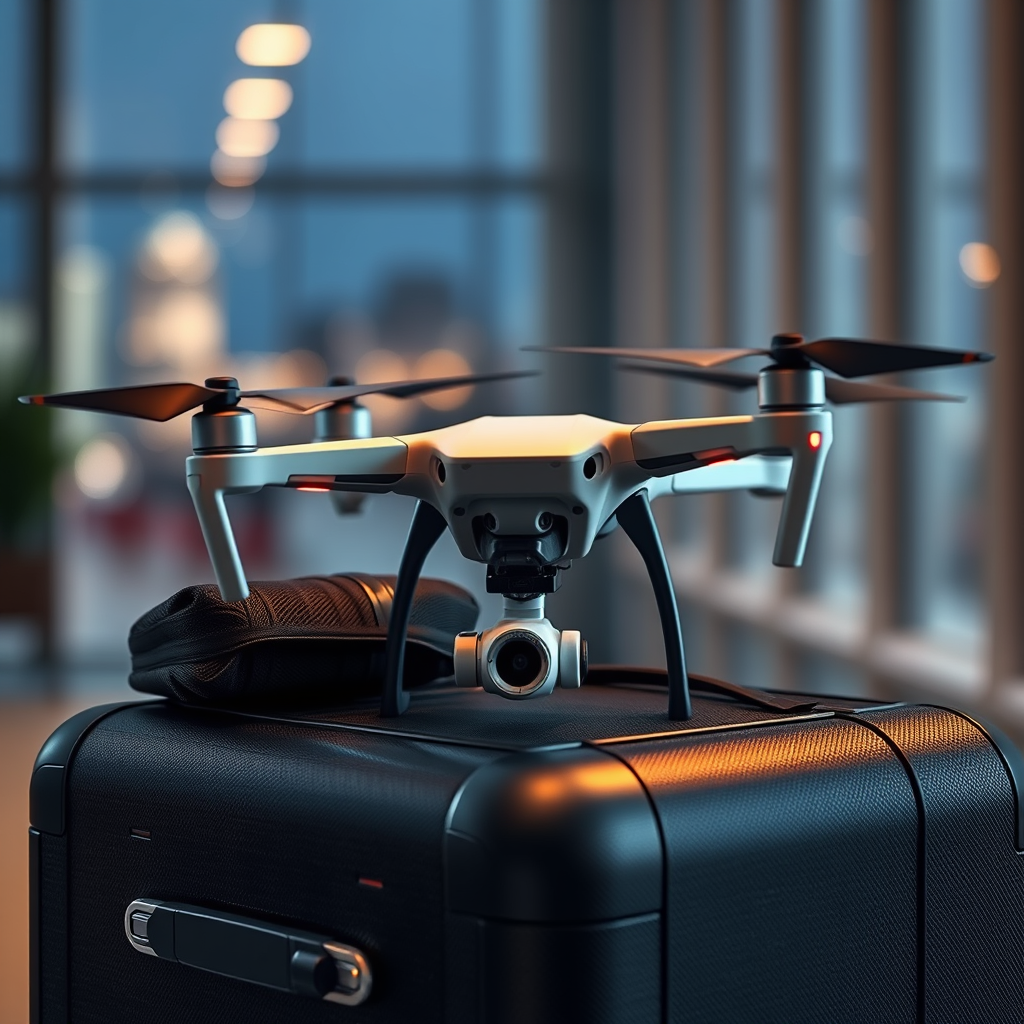
Yes, you can take a drone in checked luggage, but there are specific regulations and considerations to keep in mind. Traveling with a drone involves understanding various airline policies, battery regulations, and safety precautions to ensure a smooth experience. As drone technology continues to gain popularity, many travelers are eager to capture stunning aerial footage during their trips. However, navigating the complexities of traveling with a drone can be daunting. This guide will provide you with the necessary information to facilitate a hassle-free journey with your drone.
Airline Policies on Drones
Different airlines have varying policies regarding drones in checked luggage. While some airlines may allow drones to be packed in checked bags, others might impose restrictions or even prohibit them altogether. For instance, major airlines such as American Airlines and Delta have specific guidelines regarding the transport of drones, including weight limits and size restrictions. Always check the airline’s website for specific guidelines before traveling, as these policies can change frequently. Additionally, consider contacting the airline directly to clarify any uncertainties. Understanding these nuances can save you time and prevent potential issues at the airport.
Battery Regulations
Lithium batteries, often found in drones, have specific transportation regulations that travelers must adhere to. Airlines and international regulations impose strict limits on the watt-hour (Wh) rating for lithium batteries. Typically, batteries that exceed 100 Wh may be prohibited in checked luggage and must instead be carried in the cabin. Ensure that your drone’s batteries are within the allowable watt-hour limits, which is usually up to 160 Wh for checked luggage, but some airlines may only allow batteries up to 100 Wh. Always follow the guidelines for packing; for instance, terminals should be taped over or placed in protective pouches to prevent short-circuiting. Being aware of these regulations can help you avoid fines or confiscation of your batteries.
Preparing Your Drone for Travel
Preparing your drone for travel is crucial to ensure its safety and functionality upon arrival. Start by disassembling the drone and removing any loose parts, such as propellers and cameras, to prevent damage during transit. Many travelers recommend using protective cases designed specifically for drones, which provide cushioning and support. Hard-shell cases often offer better protection compared to soft cases, which may not withstand rough handling. Additionally, consider using packing materials like bubble wrap or foam to fill any empty spaces in your luggage. Taking these steps minimizes the risk of damage and allows you to enjoy your drone without worry after reaching your destination.
Security Screening Procedures
When flying with a drone, be prepared for additional security checks at the airport. Security personnel may require you to remove the drone from your luggage for closer inspection, especially if it raises any flags on the security scanner. To expedite the process, inform security personnel that you are carrying a drone as you approach the screening area. This transparency can help facilitate smoother interactions and reduce waiting times. Additionally, it is advisable to keep your drone’s manual and any necessary documentation readily accessible in case security staff require further verification.
Travel Destination Regulations
Researching local laws and regulations regarding drone usage at your destination is essential. Different countries have varying rules related to drone operation, and some may require permits or licenses for legal flying. For example, in countries like Canada, drone operators must follow strict guidelines and may need to register their drones with Transport Canada. Similarly, in places like the United Kingdom, drone operators must adhere to specific height limitations and no-fly zones. Failure to comply with these regulations can result in fines or confiscation of your drone. Therefore, prior to your trip, consult official government websites or local drone flying communities for the most up-to-date information on drone regulations in your destination.
Tips for Safe Travel
As you prepare for your journey with a drone, consider several practical tips to ensure safe travel. First, label your luggage clearly, including your contact information, to avoid misplacement. In case your luggage gets lost, having clear identification can facilitate its return. Additionally, consider purchasing travel insurance for your drone, especially if it is a high-value item. Many travel insurance policies cover accidental loss or damage, providing peace of mind during your travels. Lastly, keep your drone in a carry-on bag if possible, as this allows for better control over its safety compared to checked luggage.
In conclusion, taking a drone in checked luggage is possible, but it requires careful planning and adherence to various regulations. By staying informed about airline policies, battery regulations, and local laws, you can ensure a hassle-free journey with your drone. Remember to prepare your drone adequately for travel, comply with security procedures, and consider practical tips for safe travel. With the right preparation, you can focus on capturing breathtaking aerial views during your adventures. Safe travels!
Frequently Asked Questions
Can I take a drone in checked luggage when flying domestically?
Yes, you can take a drone in checked luggage when flying domestically, but there are important considerations to keep in mind. Ensure that the drone is securely packed to prevent damage during transit, and check with your airline for specific regulations regarding battery size and weight, as lithium batteries often have restrictions. Additionally, it’s advisable to remove the drone’s batteries and carry them in your carry-on luggage to comply with safety regulations.
What are the regulations for carrying a drone in checked luggage internationally?
When traveling internationally with a drone in checked luggage, regulations can vary by country and airline. It’s crucial to research the destination’s specific drone laws and any associated restrictions. For example, some countries may require permits or have weight limits for drones. Always check with your airline regarding their policies on transporting drones and batteries, as many airlines have guidelines that may affect your travel plans.
Why is it important to remove drone batteries from checked luggage?
Removing drone batteries from checked luggage is essential primarily due to safety concerns. Lithium batteries, which power most drones, pose a fire hazard if damaged or short-circuited, making it a requirement for them to be transported in carry-on luggage. Additionally, keeping batteries in your carry-on allows for easier access if issues arise during the flight, ensuring compliance with airline regulations and enhancing overall safety.
What should I do to prepare my drone for checked luggage transport?
To prepare your drone for checked luggage transport, start by disassembling any detachable parts like propellers and camera attachments to minimize the risk of damage. Use a padded case or sturdy packaging to protect the drone and its components during travel. Additionally, ensure that the batteries are fully charged to avoid any issues with airport security and follow all airline guidelines regarding the transportation of lithium batteries.
Which airlines allow drones in checked luggage, and what are their specific policies?
Most major airlines allow drones in checked luggage, but specific policies can vary significantly. Airlines like American Airlines, Delta, and Southwest have general guidelines that include size and battery restrictions. It’s important to check the airline’s website or contact their customer service for detailed information on their drone policies, including any additional fees, packaging requirements, and regulations related to lithium batteries to ensure a smooth travel experience.
References
- https://www.faa.gov/uas/getting_started/registration
- https://www.tsa.gov/travel/security-screening/whatcanibring/all-list
- https://www.wired.com/story/traveling-with-drones/
- https://www.nytimes.com/2022/06/17/travel/drone-travel-rules.html
- https://www.faa.gov/uas/
- https://www.reuters.com/article/us-usa-drones-travel-idUSKBN2A21U4
