
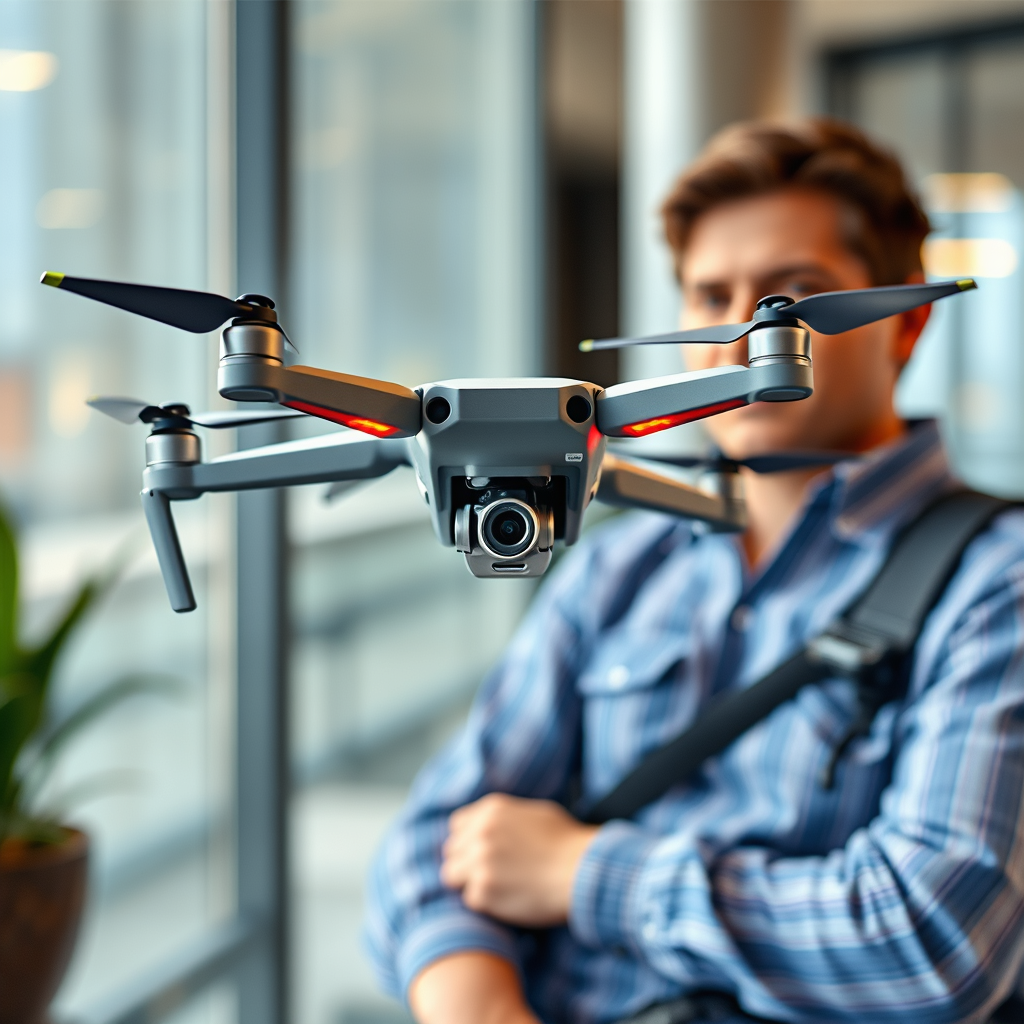
Yes, you can typically take a drone in your hand luggage, but there are important regulations and guidelines to consider. The ability to transport a drone varies by airline and country, so it’s crucial to familiarize yourself with specific rules and regulations that may apply to your travel plans. Understanding these guidelines can help you ensure a smooth journey while safeguarding your drone and complying with relevant laws.
Understanding Airline Regulations

Airlines have varying policies concerning the transport of drones in hand luggage, which can significantly impact your travel plans. While some airlines permit drones, others may have restrictions based on size, weight, or battery type. For example, budget airlines might impose stricter limits on the dimensions of carry-on items, which could affect whether your drone fits within those specifications.
To avoid complications at the airport, it is advisable to review your airline’s website for detailed information about their carry-on policies. Additionally, contacting customer service can clarify any uncertainties about what is allowed. Some airlines may require you to declare your drone at check-in, while others may allow you to board without additional procedures, depending on their specific protocols.
TSA Guidelines for Drones
The Transportation Security Administration (TSA) has established guidelines regarding the transportation of drones in carry-on luggage, which generally allows their inclusion. When traveling within the United States, you can safely pack your drone in your hand luggage, provided you adhere to airline rules and TSA regulations.
A critical aspect of these guidelines is the proper storage of lithium batteries, which are commonly used in drones. The TSA mandates that these batteries should be transported in your carry-on luggage rather than checked baggage to mitigate fire risks. Furthermore, batteries should be packaged to prevent short-circuiting, such as placing them in protective cases or using tape to cover terminals. Familiarizing yourself with specific watt-hour ratings and limitations on battery capacity is also essential, as these can vary.
International Travel Considerations
When traveling internationally, it is imperative to be aware that different countries have unique laws regarding the importation and use of drones. Some nations may require registration of your drone, while others have strict regulations that may prohibit drone operation altogether in certain areas. For instance, countries like France and Canada have specific guidelines that require drone operators to complete a certification process before flying.
Before traveling, research the local regulations of your destination to avoid potential problems, such as confiscation of your drone or hefty fines. Websites of government aviation authorities or local drone clubs can provide valuable insights into the legal landscape of drone use in specific countries. Additionally, be mindful of no-fly zones, especially around airports, government buildings, and populated areas, as violations can lead to serious legal repercussions.
Packing Your Drone Safely
To ensure the safe transport of your drone, proper packing is essential. Utilizing a protective case designed for your specific drone model can prevent damage from impacts during transit. Cases that feature foam padding are particularly effective in safeguarding delicate components such as cameras and gimbals.
When packing, ensure that all components are securely stored, including batteries and propellers. Loose items can shift during travel, potentially causing damage. For added safety, consider removing propellers and storing them separately to prevent breakage. Using a dedicated backpack or carrying case specifically designed for drones can also simplify the packing process and facilitate easier access during security checks.
Security Screening Process
During the security screening process at airports, be prepared to remove your drone from your bag for inspection. Security personnel may need to examine the drone and its components separately, much like they do with laptops and other electronic devices. To expedite this process, ensure that your drone is easily accessible within your carry-on luggage.
Following the instructions of security personnel is crucial for a smooth experience. If you encounter any issues, remain calm and cooperative. Having your drone’s user manual or registration documents on hand can assist in case of inquiries about your equipment. Being prepared can significantly reduce the time spent at security checkpoints and enhance your overall travel experience.
Tips for Traveling with Drones
To ensure a hassle-free experience when traveling with your drone, consider the following tips:
1. Keep Accessories Accessible: Store your drone and its accessories in easily accessible compartments of your luggage, as you may need to present them during security checks.
2. Documentation: Carry a printed copy of your drone’s user manual, registration, and any necessary permits. This can help clarify ownership and legality in case of questions from security or customs officials.
3. Check Local Regulations: Before arriving at your destination, review any local drone regulations applicable to your travel plans. Understanding the local laws will help you avoid potential fines or legal issues.
4. Insurance: Consider purchasing travel insurance that covers your drone in case of loss or damage. This provides an added layer of protection, especially when traveling internationally.
5. Plan Ahead: If you plan to use your drone at your destination, research the best locations for flying and any required permits in advance. This preparation can enhance your experience and help you capture stunning aerial footage.
In conclusion, while taking a drone in hand luggage is generally permitted, it is essential to adhere to the relevant airline and country regulations. By understanding airline policies, TSA guidelines, international travel considerations, and proper packing techniques, you can facilitate a hassle-free travel experience with your drone. Preparation and awareness are key to ensuring that you can enjoy your flying experience without unnecessary complications.
Frequently Asked Questions
Can I take my drone in hand luggage on a flight?
Yes, you can typically bring your drone in hand luggage when flying, but regulations can vary by airline and country. It’s essential to check with your specific airline for their policies regarding drone transport. Additionally, ensure that your drone’s battery complies with the International Air Transport Association (IATA) regulations, which generally allow lithium batteries under 100 watt-hours in carry-on luggage.
What are the restrictions for bringing a drone on an airplane?
Restrictions for bringing a drone on an airplane include checking the size and weight limits set by your airline, as well as ensuring that the drone’s batteries meet safety standards. Most airlines allow drones in hand luggage but may prohibit them in checked baggage. Additionally, some countries have specific regulations regarding drone importation, so it’s crucial to research local laws before traveling.
How should I pack my drone for air travel?
To pack your drone for air travel, use a sturdy, padded case to protect it from damage during transit. Ensure that the drone’s propellers are removed and stored separately to prevent breakage. Also, secure the batteries in a way that prevents accidental short-circuiting; it’s advisable to use a battery-safe bag. Finally, label your case clearly to avoid any confusion at security checkpoints.
Why do airlines have specific rules for transporting drones?
Airlines have specific rules for transporting drones primarily due to safety and security concerns. Drones often contain lithium batteries, which can pose a fire hazard if improperly handled. Additionally, regulations help prevent disruptions in air travel caused by unauthorized drone usage. Compliance with these rules ensures a safer flying environment for all passengers.
Which drone models are best suited for travel in hand luggage?
The best drone models for travel in hand luggage are typically compact, lightweight, and foldable designs, such as the DJI Mini series or the Parrot Anafi. These drones not only fit easily into carry-on bags but also offer excellent performance for aerial photography and videography. When selecting a travel drone, consider battery life, camera quality, and durability to ensure a seamless flying experience during your trip.
References
- https://www.tsa.gov/travel/security-screening/whatcanibring/all-articles/drone
- https://www.faa.gov/uas/getting_started/
- https://www.gov.uk/guidance/drones-transporting-safely
- https://www.caa.co.uk/Consumers/Unmanned-aircraft/
- https://www.wired.com/story/can-you-take-a-drone-on-a-plane/
- https://www.nytimes.com/2018/07/05/business/drone-airline-carry-on.html
- https://www.travel.state.gov/content/travel/en/international-travel/International-Travel-Country-Information-Pages/drone.html
