

Yes, you can take a drone on a cruise ship, but there are important regulations and restrictions to consider. It’s essential to understand both the cruise line’s policies and local laws regarding drone usage at sea and in port. With the increasing popularity of drones for capturing stunning aerial photography and videos, many cruise travelers are eager to bring their devices along. However, failure to comply with regulations can lead to fines, confiscation of equipment, or worse, legal trouble. This guide will help you navigate the complexities of taking a drone on a cruise, ensuring a smooth and enjoyable experience.
Understanding Cruise Line Policies
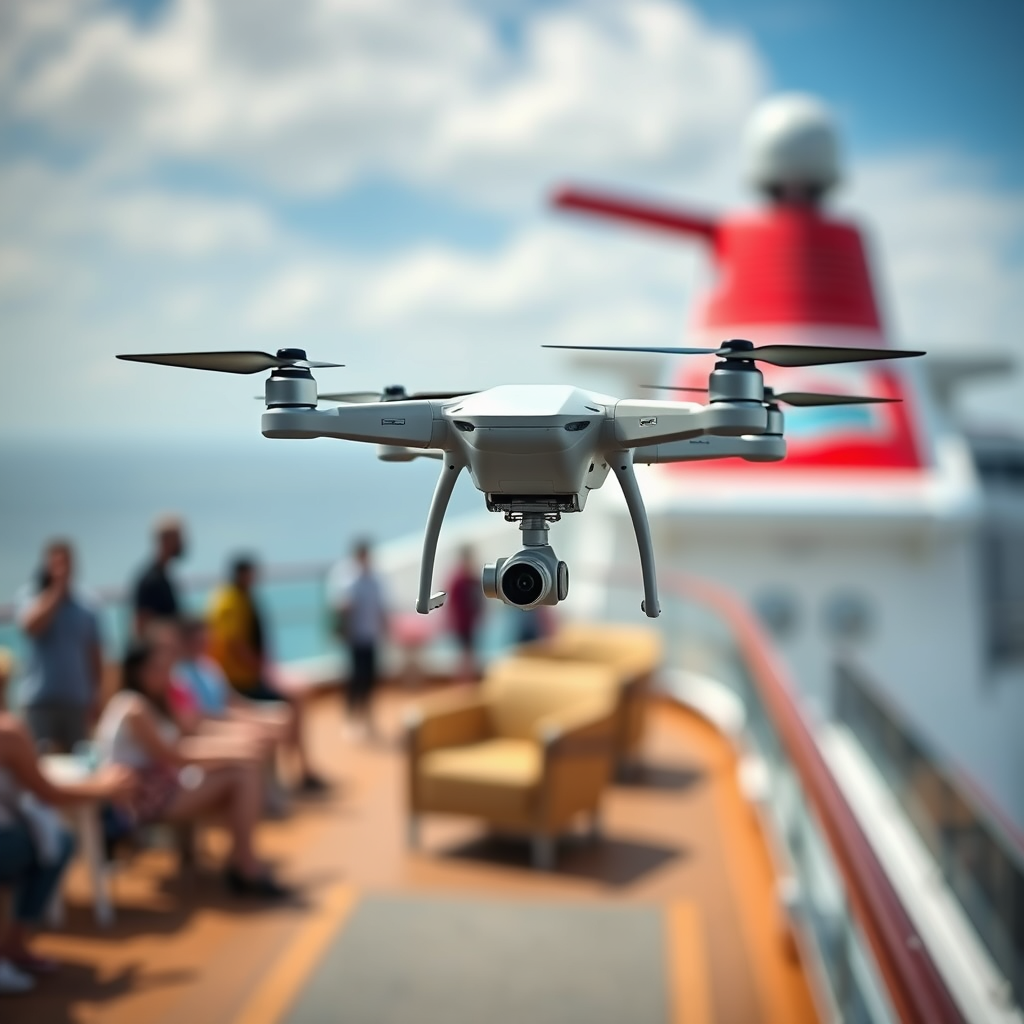
Different cruise lines have varying rules about bringing drones on board. Major cruise lines such as Carnival, Royal Caribbean, and Norwegian have specific guidelines that determine whether passengers can bring drones. For instance, while some cruise lines allow drones, they may impose restrictions on when and where they can be flown. Carnival Cruise Line, for example, generally prohibits drones from being flown on board or from the ship, citing safety concerns and potential disruptions. On the other hand, Royal Caribbean allows drones but restricts their use in certain areas, such as near the ship or during certain activities. It is crucial to check the official website or contact customer service for the most current policies of your chosen cruise line.
Moreover, understanding the designated areas for flying drones is essential. Some cruise lines may allow drone usage in specific locations, such as private islands or designated open areas while at sea. Familiarizing yourself with these policies will help ensure compliance and enable you to make the most of your drone photography opportunities.
Local Laws and Regulations
In addition to cruise line policies, it’s imperative to research drone regulations in the ports of call. Many countries have strict laws regarding drone usage, and failure to comply can result in hefty fines or confiscation of your equipment. For instance, in popular cruise destinations like the Bahamas or the Caribbean, certain islands have prohibited drone flying altogether, while others require special permits for usage. It is advisable to check with local authorities or consult the embassy’s guidelines regarding drone regulations before your trip.
Moreover, make sure to comply with any local registration or licensing requirements for drones. Countries such as Canada and several European nations may require foreign drone operators to register their drones or obtain a license before flying. Ignoring these regulations could not only result in legal repercussions but also lead to an unpleasant cruise experience.
Safety and Security Considerations
Drones can pose safety risks, particularly in crowded areas such as cruise ships and ports. It’s essential to familiarize yourself with safe flying practices before taking your drone out for a spin. Always ensure that your drone is in good working order and that you are comfortable operating it. Many cruise lines conduct security checks at embarkation that may involve your drone equipment, so be prepared for additional scrutiny. Keep your drone in a protective case during transit, and consider using a travel-friendly drone backpack to avoid any damage.
To enhance safety, always fly your drone in open areas away from passengers and crew. Understand the no-fly zones that may be enforced by the cruise line or local authorities, particularly around ports and sensitive areas. By adhering to safety guidelines, you can minimize risks and ensure a more enjoyable flying experience.
Best Practices for Flying Drones on a Cruise
To maximize your drone flying experience while on a cruise, follow best practices that will keep your flights enjoyable and compliant with laws and regulations. Always maintain a line of sight with your drone while flying; this is not only a legal requirement in many jurisdictions but also an essential safety practice. Additionally, avoid flying over crowded areas, private property, or sensitive locations to respect other people’s privacy and local laws.
Before you take off, scout out the best locations for flying your drone. Whether you are at sea or visiting a port, some areas may offer breathtaking views that are perfect for aerial photography. When flying in unfamiliar territory, always be aware of your surroundings and potential obstacles, such as other vessels, wildlife, and changing weather conditions.
Recommended Drone Models for Travel
When selecting a drone for travel, consider lightweight and portable options that are easy to pack and transport. Drones like the DJI Mini 2 and the Autel EVO Lite are excellent choices due to their compact size and impressive features. The DJI Mini 2 weighs only 249 grams, making it easy to carry and compliant with many regulations that impose weight limits. Its excellent battery life allows for up to 31 minutes of flight time, and the 12 MP camera is perfect for capturing stunning images and videos.
Look for drones with good battery life and camera quality suitable for travel photography. Additionally, consider drones that offer features such as obstacle avoidance, GPS stabilization, and user-friendly controls, making it easier to navigate while on vacation. A well-chosen drone can enhance your travel experience, allowing you to capture unique perspectives of your cruise destinations.
Tips for Capturing Great Footage
To capture breathtaking aerial footage, planning your shots ahead of time can make a significant difference. Research the best locations and times for aerial photography in your cruise itinerary. Utilize apps and tools that help you identify optimal shooting conditions, such as weather apps or drone flight planning tools. For instance, the DroneDeploy app can assist in planning your flights and even offers mapping capabilities for more advanced users.
Consider the time of day when you capture your footage, as the golden hour—shortly after sunrise or before sunset—provides beautiful lighting for photography. Experiment with different angles and heights to create dynamic shots that showcase the beauty of your cruise destinations. Lastly, practice flying your drone before your cruise to ensure you are comfortable with its controls and capabilities, allowing you to focus on capturing stunning footage during your trip.
In conclusion, while you can take a drone on a cruise ship, it’s crucial to understand the specific regulations and best practices involved. Always check with your cruise line and local laws to ensure compliance, prioritize safety, and maximize your drone’s potential for capturing incredible footage. By following these guidelines, you can enjoy a seamless and rewarding experience on your cruise while documenting your adventures from above. Happy flying!
Frequently Asked Questions
Can I take a drone on a cruise ship?
Yes, you can take a drone on a cruise ship, but it’s essential to check the cruise line’s specific policies regarding drones. Most cruise lines have restrictions on flying drones onboard, and some may not allow them at all. Always verify with your cruise operator for their rules, as well as the regulations of the ports you will be visiting.
What are the restrictions for flying a drone on a cruise ship?
Restrictions for flying a drone on a cruise ship typically include not flying in crowded areas, not operating during certain hours, and adhering to the ship’s safety protocols. Additionally, many cruise lines prohibit drone use in port areas due to local regulations, so it’s crucial to understand both the cruise line and local laws to avoid fines or confiscation.
How do I transport my drone safely while on a cruise?
To transport your drone safely on a cruise, use a dedicated, padded case that protects the drone from damage during travel. Ensure that the drone’s batteries are securely stored and comply with airline and cruise line policies regarding lithium batteries, which often require special handling. Additionally, keep all components organized to facilitate quick access when needed.
Why do some cruise lines prohibit drones on their ships?
Some cruise lines prohibit drones on their ships primarily for safety and privacy reasons. Drones can pose a hazard to other passengers and crew if flown improperly, and they may infringe on the privacy of others. Furthermore, some destinations may have strict regulations regarding drone use, prompting cruise lines to implement blanket bans to avoid complications.
Which cruise lines allow drones on their ships?
While policies can vary, some cruise lines that are generally more lenient about drones include Royal Caribbean and Norwegian Cruise Line, with specific conditions. However, it’s crucial to always verify the latest guidelines directly with the cruise line before your trip, as policies can change frequently and may differ based on itineraries or destinations.
References
- https://www.cruisecritic.com/articles/how-to-take-a-drone-on-a-cruise-ship
- https://www.travelpulse.com/news/cruise/can-you-take-a-drone-on-a-cruise-ship.html
- https://www.cdc.gov/coronavirus/2019-ncov/travelers/health-notices/cruise-ship.html
- https://www.faa.gov/uas/getting_started/
- https://www.nolo.com/legal-encyclopedia/drone-laws-cruise-ships-29721.html
