

Yes, you can take a drone on a plane, but there are specific regulations and guidelines you must follow. Understanding these rules will ensure a smooth travel experience while complying with airline and federal regulations, allowing you to enjoy your drone adventures without unnecessary complications. From knowing airline policies to adhering to FAA regulations, this guide will provide you with all the essential information needed to transport your drone safely and legally.
Understanding Airline Policies
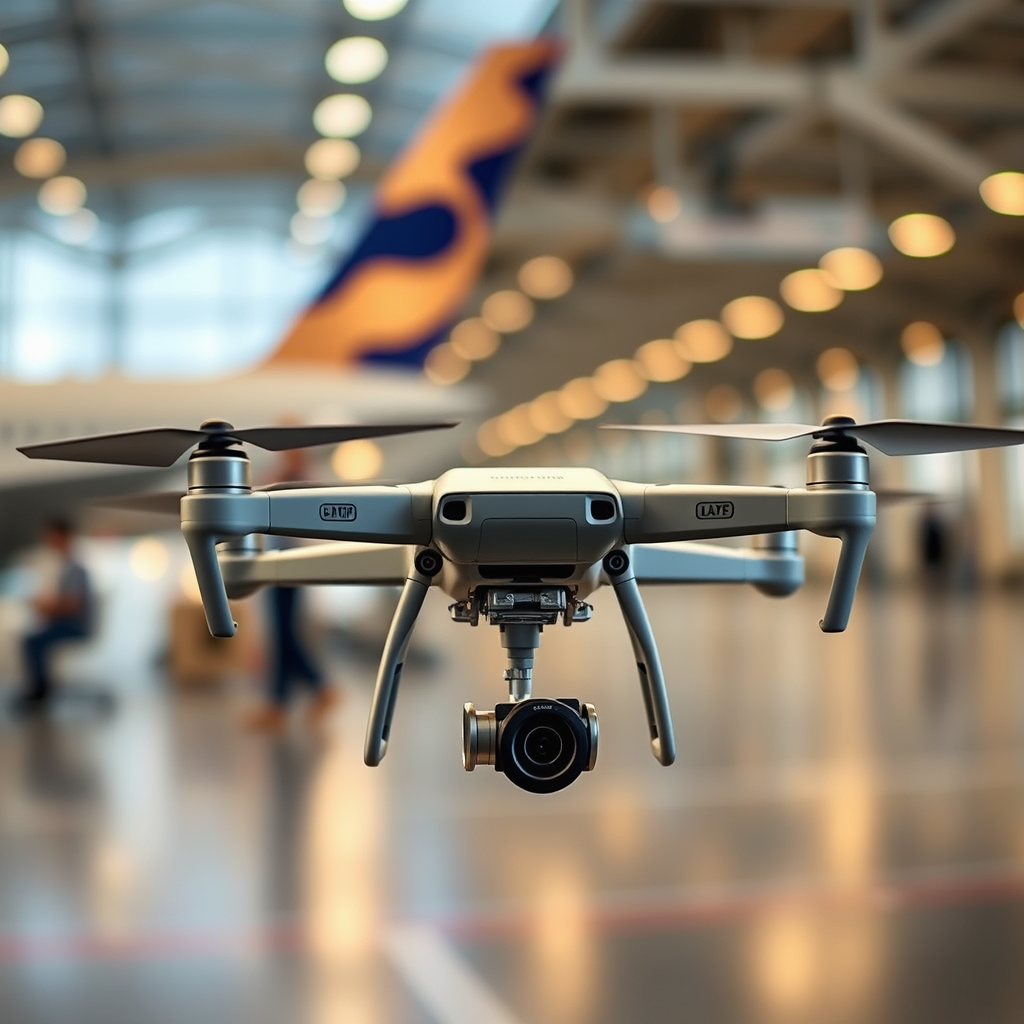
When planning to take a drone on a plane, it is crucial to understand that each airline has its own set of rules governing drone transportation. Airlines like Delta, American, and United have specific guidelines that may vary in terms of size, weight, and battery restrictions. For example, many airlines limit the size of carry-on items, which could impact how you transport your drone. Additionally, lithium batteries, commonly used in drones, are subject to strict regulations due to their potential fire hazard. Most airlines allow lithium batteries under 100 watt-hours in carry-on luggage but may have restrictions for larger batteries. Always check the airline’s official website or contact customer service for the latest policies before your trip.
FAA Regulations for Drones

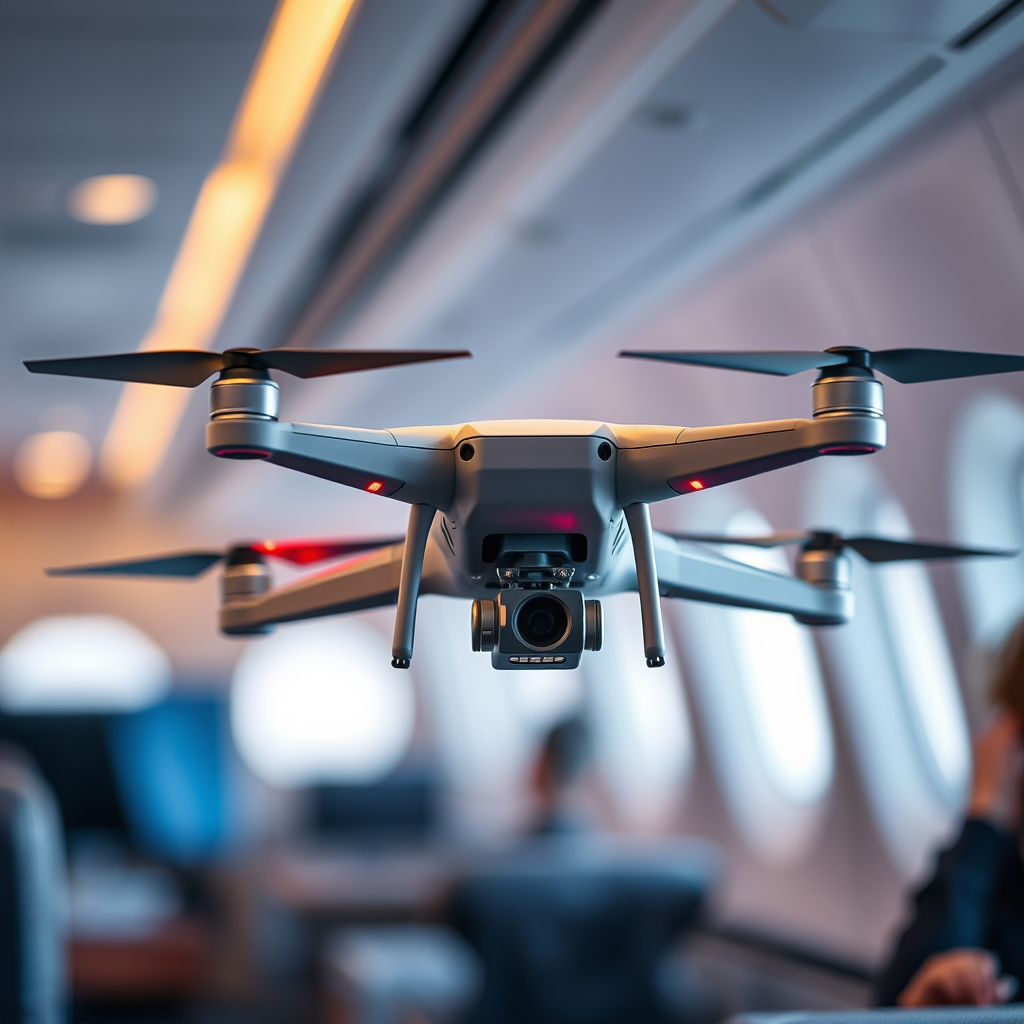
In the United States, the Federal Aviation Administration (FAA) governs drone usage and has established regulations that drone owners must adhere to. If your drone weighs more than 0.55 pounds (250 grams), it is required to be registered with the FAA, which involves filling out a simple online form and paying a nominal fee. Registration is valid for three years and is crucial for ensuring compliance with federal laws. Additionally, it’s essential to familiarize yourself with the FAA’s rules regarding where and how drones can be flown, especially in relation to airports and populated areas. Understanding these regulations will help you avoid legal issues while traveling.
Packing Your Drone for Travel
To protect your drone during transit, proper packing is essential. Investing in a high-quality protective case can help prevent damage from impacts or pressure changes during the flight. Look for cases that are specifically designed for your drone model, as they often come with custom foam inserts that secure the drone and its accessories. Moreover, consider disassembling the drone, if possible, to save space and reduce the risk of damage. Removing propellers, for instance, can make the drone more compact and easier to fit into your luggage. Ensure that all accessories, such as batteries and chargers, are also securely packed and compliant with airline regulations.
Carry-On vs. Checked Baggage
Most airlines require drones to be carried in the cabin rather than checked luggage due to safety concerns related to lithium batteries. Carrying your drone in the cabin allows you to keep a close eye on it and ensures it is not subjected to the rough handling that checked baggage often endures. Familiarize yourself with the specific size and weight restrictions for carry-on items imposed by your airline, as these can vary significantly. For instance, some airlines may enforce a strict limit on the dimensions of carry-on bags, which could affect how you pack your drone. Always ensure that your drone and its case fit within these requirements to avoid any last-minute issues at the airport.
International Travel Considerations
Traveling internationally with a drone introduces additional complexities due to varying regulations and laws regarding drone use in different countries. Countries like Canada, Australia, and those in the European Union have specific requirements that may include drone registration, pilot licensing, and operational restrictions. Before your trip, conduct thorough research on the drone laws of your destination. For instance, some countries may prohibit drone use in urban areas, while others may require permits for commercial use. Understanding these local laws will help you avoid fines or confiscation of your drone upon arrival.
Safety and Security Measures
When traveling with a drone, be prepared for additional security checks at the airport. The Transportation Security Administration (TSA) may require you to remove the drone from its case for inspection. Ensure that all components of your drone, including batteries and accessories, are easily accessible for security personnel. Following TSA guidelines can help you avoid delays during the security screening process. For example, placing your drone in a separate bin during screening can facilitate a quicker inspection. Familiarizing yourself with TSA regulations regarding electronics and batteries will also help streamline your travel experience.
What to Do Upon Arrival
Once you arrive at your destination, it’s essential to familiarize yourself with local drone flying regulations. Some countries may require you to register your drone with local authorities, while others may have specific zones where drone flying is prohibited. Researching these regulations in advance can save you time and prevent any legal complications. Moreover, consider joining local drone flying groups or forums to connect with other enthusiasts and gain insights into the best practices for flying in that area. Engaging with local communities can enhance your flying experience and ensure that you are compliant with local laws.
In conclusion, taking a drone on a plane is possible with careful planning and adherence to regulations. By understanding airline policies, FAA guidelines, and international laws, you can ensure a hassle-free travel experience. Always check with your airline for specific requirements and stay informed about the regulations of your destination to maximize your enjoyment of drone flying while avoiding potential issues on your journey.
Frequently Asked Questions
Can you take a drone on a plane as a carry-on item?
Yes, you can take a drone on a plane as a carry-on item, but there are specific regulations you need to follow. Most airlines allow you to bring a drone in your carry-on luggage, provided the drone’s battery complies with the airline’s restrictions on lithium-ion batteries. It is essential to check with your airline before traveling to ensure you’re following their specific guidelines.
What are the battery restrictions for flying with a drone on an airplane?
When flying with a drone, the most significant restriction pertains to lithium batteries. Generally, airlines allow lithium batteries with a capacity of up to 100 watt-hours (Wh) to be carried in your carry-on luggage. Batteries between 100 Wh and 160 Wh may be permitted with airline approval, while those over 160 Wh are usually prohibited. Always check the specific battery limits of your airline to avoid issues at the airport.
Are there any regulations for taking a drone internationally on a plane?
Yes, there are regulations for taking a drone internationally that vary by country. Before flying, you should research both the departure and destination countries’ laws regarding drone transportation and usage to ensure compliance. Some countries may have restrictions or require permits for bringing drones, so it’s crucial to check with the relevant aviation authority for the latest regulations.
How should you pack a drone for air travel to ensure it remains safe?
To ensure your drone remains safe during air travel, pack it in a sturdy, protective case specifically designed for drones. Remove the batteries and pack them separately according to airline regulations. Additionally, make sure to secure any loose parts, such as propellers, to prevent damage during transit. Using padding and organizing compartments can help protect your drone from bumps and drops.
Which airlines have specific policies regarding flying with drones?
Many airlines have specific policies regarding flying with drones, and these can vary widely. Major airlines like Delta, American Airlines, and Southwest typically allow drones in carry-on luggage but have specific guidelines on battery sizes and other considerations. It’s best to visit the airline’s official website or contact their customer service for the most current information regarding drone transportation policies before your flight.
References
- https://www.faa.gov/uas/getting_started/registration
- https://www.tsa.gov/travel/security-screening/whatcanibring/all-list-items/drone
- https://www.wired.com/story/take-drone-plane-travel/
- https://www.nbcnews.com/news/us-news/faa-says-drone-passengers-need-check-carry-on-bags-rcna122520
- https://www.theguardian.com/us-news/2021/jun/07/drone-air-travel-faa-rules
