

Yes, you can take a drone on a plane in Australia, but there are specific regulations you must follow. Understanding these rules will help ensure a smooth travel experience while adhering to safety and legal standards. With the increasing popularity of drones for both recreational and professional use, it’s essential to know the regulations set forth by the Civil Aviation Safety Authority (CASA) and the airline you are flying with. This blog post will guide you through everything from packing your drone to understanding local laws at your destination.
Understanding Australian Drone Regulations
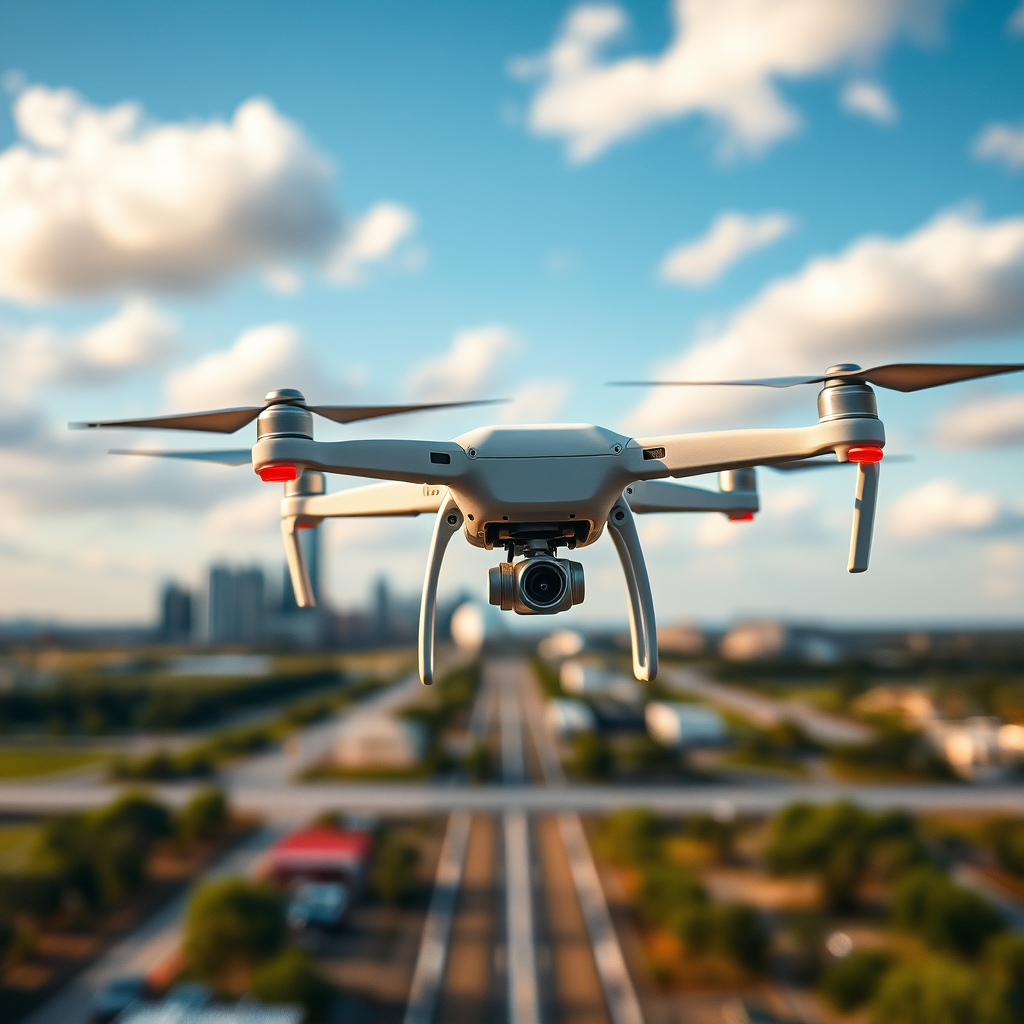
In Australia, drone usage is governed by the Civil Aviation Safety Authority (CASA), which has established regulations to ensure the safety and security of aerial operations. Any drone weighing more than 250 grams must be registered with CASA. Registration requires providing details such as the drone’s make, model, and serial number, along with your contact information.

Additionally, drone operators must adhere to specific operational guidelines, including maintaining visual line-of-sight with the drone at all times, not flying over populated areas, and avoiding restricted airspace, which includes areas around airports, military facilities, and certain national parks. Familiarizing yourself with these regulations is crucial before taking your drone on a plane, as non-compliance can lead to significant fines and legal repercussions.
Packing Your Drone for Air Travel
When preparing to travel with your drone, proper packing is paramount. Invest in a high-quality, padded carrying case designed specifically for drones; this will help prevent damage during transit. Disassembling parts that can easily detach, such as propellers, is advisable to minimize the risk of breakage.
Before heading to the airport, it’s essential to check your airline’s policies regarding the transportation of drones. Some airlines may allow drones in carry-on luggage, while others may require them to be checked. Airlines like Qantas and Virgin Australia have specific guidelines regarding the size and weight limits for carry-on items, so ensure your drone meets these criteria. Understanding these policies in advance can save you time and stress at the airport.
Airport Security Procedures
When you arrive at the airport, be prepared for security screening procedures. Airport security staff may require you to remove your drone from your carry-on bag for separate inspection. To expedite this process, ensure your drone is easily accessible and ready for screening.
Additionally, cooperate with security personnel and follow any specific instructions they provide regarding your drone and its accessories. Some airports have advanced screening technology, which might allow for a more efficient inspection process. Being courteous and compliant will help ensure that your experience is as smooth as possible.
Using Your Drone After Arrival
Once you reach your destination, it is crucial to familiarize yourself with local drone laws. Each state or territory in Australia may have different regulations regarding drone usage, and some urban areas might have additional restrictions. For example, flying over crowded beaches or sporting events is often prohibited.
Before launching your drone, check for any designated no-fly zones using apps or websites that provide real-time airspace information. Websites like Airservices Australia or local government websites often provide up-to-date information regarding drone regulations in specific areas. Additionally, if you plan to operate your drone for commercial purposes, be sure to obtain any necessary permits to avoid fines or legal issues.
Insurance and Liability Considerations
While not legally required, purchasing drone insurance is highly recommended to protect yourself against accidents or damages that may occur while flying. Drone insurance can cover various liabilities, from personal injury to property damage. This peace of mind is especially important if you are traveling to a new area where you may be less familiar with the surroundings.
It is also vital to understand your liability in case of incidents while operating your drone. If your drone causes damage to property or injures an individual, you may be held financially responsible. Having adequate insurance can mitigate these risks and provide you with the financial support needed to cover any unforeseen issues.
Resources for Drone Travelers
For those looking to stay updated on drone regulations and best practices, the CASA website is an invaluable resource. It offers comprehensive information about drone operation, registration, and safety guidelines, making it easy to keep abreast of any changes in the law.
Additionally, consider joining drone enthusiast forums or online communities where you can share experiences and obtain tips from fellow travelers. Websites like Reddit and specialized drone forums provide insights into the latest flying techniques, destinations popular among drone users, and advice on navigating regulations in different areas.
In conclusion, taking a drone on a plane in Australia is feasible with proper understanding of regulations and airline policies. Make sure to prepare adequately by packing your drone securely, understanding airport procedures, and familiarizing yourself with local laws at your destination. Moreover, consider the importance of insurance and liability to ensure a safe and enjoyable experience. By staying informed and following the outlined guidelines, you can enhance your travel experience while safely enjoying your drone.
Frequently Asked Questions
What are the regulations for taking a drone on a plane in Australia?
When taking a drone on a plane in Australia, you must adhere to both Australian aviation regulations and the airline’s policies. The Civil Aviation Safety Authority (CASA) requires that drones under 2 kg can be carried in your carry-on luggage, while those over 2 kg must be checked in. Additionally, ensure that the drone’s battery complies with the airline’s restrictions, generally allowing lithium batteries under a certain watt-hour limit in carry-on luggage.
How can I safely pack my drone for air travel in Australia?
To safely pack your drone for air travel in Australia, disassemble any detachable parts and ensure they are secured in a padded case to prevent damage. Remove the batteries and pack them according to airline guidelines; typically, they should be in your carry-on luggage. It’s also advisable to label your bag clearly and include any relevant documentation, such as your drone registration, to facilitate a smooth security check.
Why do airlines have specific rules about carrying drones on flights?
Airlines have specific rules regarding carrying drones on flights primarily for safety and security reasons. Drones and their batteries can pose fire hazards, especially lithium batteries, which can overheat and catch fire if damaged. By setting regulations, airlines aim to mitigate risks while ensuring compliance with aviation laws, protecting both passengers and crew.
Which airlines in Australia allow drones on their flights?
Most major airlines in Australia, such as Qantas, Virgin Australia, and Jetstar, allow drones on their flights, provided you follow their specific guidelines. It’s essential to check each airline’s policy regarding drone transport before your flight, as some may have restrictions based on drone size, battery specifications, or require prior notification. Always confirm directly with the airline for the most up-to-date information.
What should I do if my drone is damaged during air travel in Australia?
If your drone is damaged during air travel in Australia, immediately report the issue to the airline’s baggage service desk before leaving the airport. Take photographs of the damage and keep all receipts for repairs or replacement, as these may be necessary for filing a claim. Ensure you understand the airline’s policy on damaged luggage and follow their procedures for compensation, as many airlines have specific timelines and requirements for reporting such incidents.
References
- https://www.casa.gov.au/drones
- https://www.transport.gov.au/aviation/aircraft/drones
- https://en.wikipedia.org/wiki/Drone_regulations_in_Australia
- https://www.abc.net.au/news/2021-01-20/rules-for-flying-drones-in-australia/13069968
- https://www.smh.com.au/business/consumer-affairs/drone-rules-what-you-need-to-know-20210305-p577oe.html
- https://www.airservicesaustralia.com/airspace/drones/
